You want to make a movie. You have the script, the director, maybe even a few actors lined up. But then you hit the wall: rights clearance. If your source material is modern bestseller, you might spend six months negotiating and tens of thousands of dollars just to get permission to change a single line of dialogue. But what if you could skip that entirely? What if the story you want to tell is already free for anyone to use?
This is the promise of public domain works. These are creative pieces where the copyright has expired or was never applied, meaning they belong to the public rather than a specific owner. For filmmakers, this isn't just a legal loophole; it’s a massive creative opportunity. From Shakespeare to Sherlock Holmes, some of the most successful films in history were built on foundations that cost nothing to license. But here is the catch: "free" doesn't mean "easy." Adapting a public domain work comes with its own set of traps, misconceptions, and strategic hurdles.
The Magic Date: When Does Copyright Expire?
Before you start writing your screenplay, you need to know exactly when a work enters the public domain. This isn’t a guessing game. In the United States, the rules are specific and depend heavily on when the work was published.
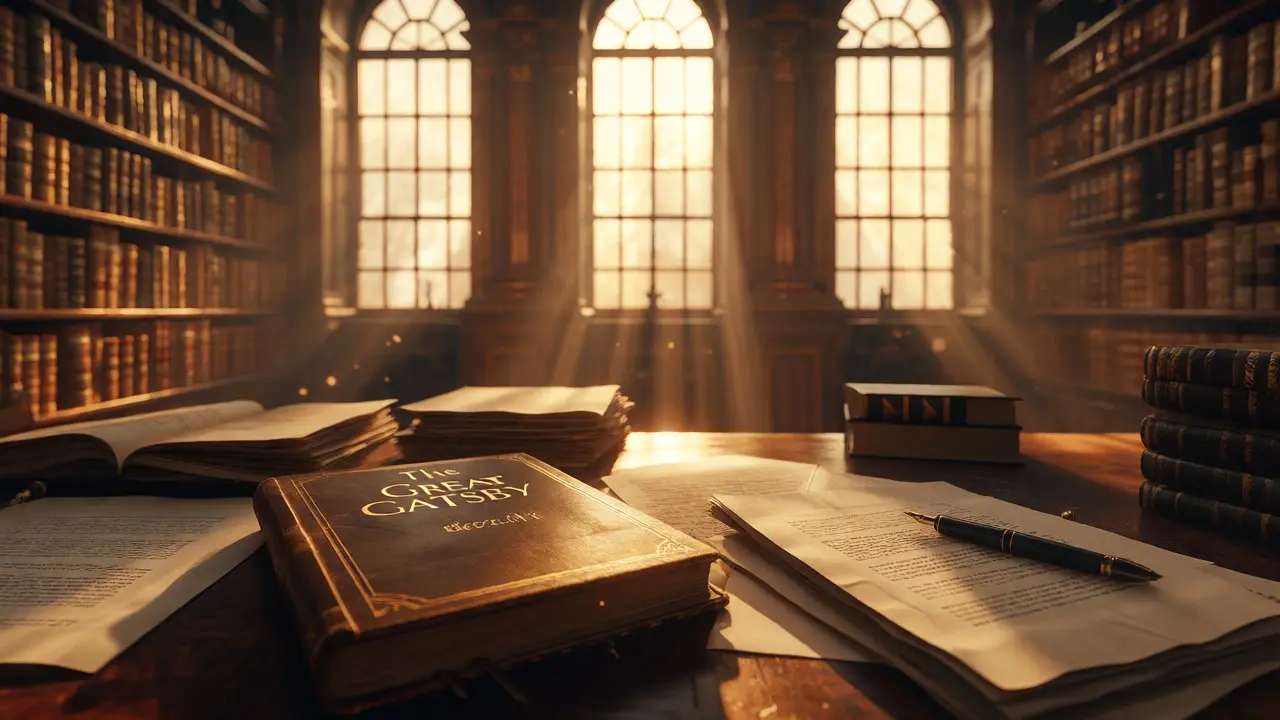
For works published before 1929, you are generally in the clear. As of September 2026, any book, film, or song published in 1929 or earlier is firmly in the public domain. This includes F. Scott Fitzgerald’s The Great Gatsby (published 1925) and Ernest Hemingway’s A Farewell to Arms (published 1929). You can adapt these stories without paying a dime to an estate or publisher.
However, things get tricky after 1928. The Copyright Term Extension Act of 1998, often jokingly called the "Mickey Mouse Protection Act," extended copyright terms significantly. Currently, copyright lasts for the life of the author plus 70 years. This means many beloved classics from the mid-20th century are still locked down. For example, while you can freely adapt The Great Gatsby, you cannot legally adapt J.D. Salinger’s The Catcher in the Rye (published 1951) without permission because Salinger died in 2010, and his copyright won’t expire until 2080.
| Publish Year | Status | Action Required |
|---|---|---|
| Before 1929 | Public Domain | None. Free to use. |
| 1929-1977 | Variable | Check renewal status and publication date. |
| 1978-Present | Protected | Life of author + 70 years. |
The Derivative Work Trap
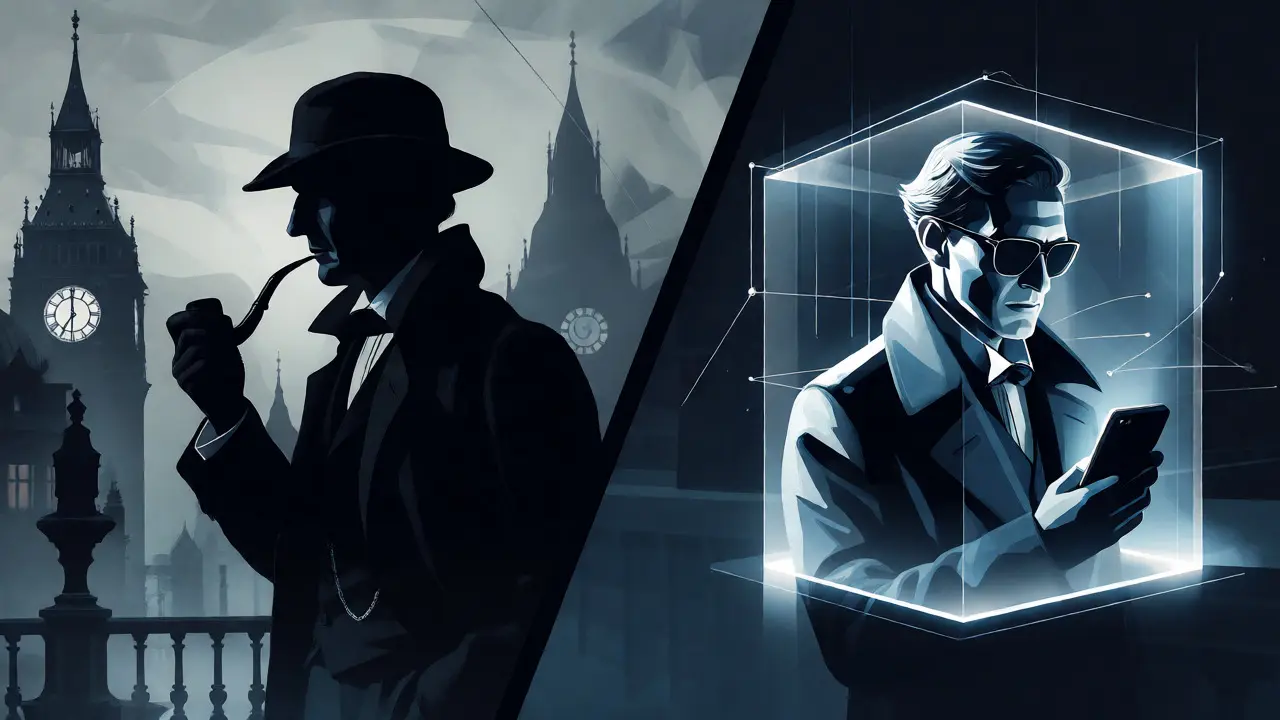
Here is where most independent producers get burned. Just because the original novel is in the public domain doesn’t mean every version of it is. Let’s look at a classic example: Sherlock Holmes. Arthur Conan Doyle’s original stories are largely in the public domain in the US. However, the later stories featuring an older, more emotional Holmes entered the public domain only recently. More importantly, the characterizations created by modern adaptations-like Benedict Cumberbatch’s sociopathic detective or Robert Downey Jr.’s brawler-are protected by copyright as derivative works.
If you write a script about Sherlock Holmes who plays the violin and uses a smartphone, you are fine. If you write a script about Sherlock Holmes who is addicted to nicotine patches and lives in a high-tech apartment specifically designed like the BBC series, you might face a lawsuit. You are adapting the original public domain text, not the modern interpretation. Always go back to the primary source. Read the actual books. Don’t rely on summaries or previous movies for your character details unless you are willing to pay for those specific traits.
Adapting vs. Remixing: Finding Your Angle
Since you don’t have to pay for rights, the competition is fierce. Everyone knows Pride and Prejudice is free. So why would audiences watch your version? You need a strong angle. Successful public domain adaptations usually fall into one of three categories:
- The Modernization: Take the plot and move it to a different time or place. Clueless did this with Jane Austen’s Emma. West Side Story adapted Romeo and Juliet to 1950s New York. The core conflict remains, but the context changes completely.
- The Expansion: Fill in the gaps left by the original author. Many public domain novels have underdeveloped side characters. A great strategy is to focus on a minor character’s perspective. Imagine telling Moby Dick entirely from the point of view of Starbuck, or Frankenstein from the monster’s silent journey.
- The Genre Swap: Take a serious literary classic and turn it into a horror, comedy, or sci-fi film. Abraham Lincoln: Vampire Hunter took a historical figure and added supernatural elements. Since historical figures are public domain, this is a low-risk, high-reward play.
International Differences: It’s Not Just US Law
If you plan to distribute your film globally, you must understand that public domain status varies by country. The European Union generally follows the "life plus 70 years" rule, similar to the US. However, Canada and Australia used to follow "life plus 50 years," though they have been aligning with international standards. Some countries have shorter terms for certain types of works.
Be careful with authors who died in the 1940s and 1950s. George Orwell died in 1950. In the UK, his works entered the public domain in 2021 (70 years after death). In the US, depending on publication dates and renewals, the status might differ slightly. Always check the laws of your target market. A film that is safe to release in Los Angeles might infringe on copyright in London if you aren’t careful.
Practical Steps for Filmmakers
So, how do you actually navigate this process? Here is a checklist to keep you out of court.
- Verify the Source: Do not trust a random website claiming a book is public domain. Use reputable databases like the Project Gutenberg archive or the US Copyright Office catalog. Look for the original publication date and any renewal notices.
- Clean Room Protocol: If you are adapting a work that has recent popular adaptations, read the original text exclusively. Avoid watching the famous movie versions during your initial drafting phase. This prevents subconscious copying of protected elements.
- Document Everything: Keep a log of which edition of the book you used. Note the ISBN and publication year. If you made significant changes, document your creative choices. This helps prove your work is transformative.
- Consult an IP Attorney: Even if you are sure, get a second opinion. Intellectual property law is nuanced. A small fee upfront can save you from a production shutdown later.
Beyond Books: Music and Art
Films aren’t just about scripts. You also need music and visual references. Musical compositions enter the public domain based on their composition date, not necessarily the recording date. This is a crucial distinction. You can freely use the sheet music for Beethoven’s Ninth Symphony. But if you want to use a specific recording by the Berlin Philharmonic from 1980, you need to license that recording. Sound recordings have their own separate copyright layers.
The same applies to art. Leonardo da Vinci’s Mona Lisa is public domain. You can paint it, photograph it, or project it onto a building. But a specific photograph of the Mona Lisa taken today might be copyrighted by the photographer. If you need visuals, consider using public domain images from archives like the Library of Congress or Wikimedia Commons, but always check the specific license for each image.
The Business Case for Public Domain
Why bother with all this effort? Because it lowers your barrier to entry. Without licensing fees, you can allocate more budget to production quality. You can hire better actors or shoot in more expensive locations. Additionally, public domain titles come with built-in brand recognition. Audiences already know the names Dracula, Frankenstein, and King Arthur. Marketing a new take on a known story is often easier than introducing a completely original concept.
But remember, familiarity cuts both ways. Because everyone can use these stories, you need to stand out. Your unique vision is your only competitive advantage. Focus on what only you can bring to the table-your voice, your style, your perspective.
Can I change the ending of a public domain book?
Yes, absolutely. Once a work is in the public domain, you have the right to modify, edit, and reinterpret it however you see fit. You can change character genders, alter plot points, or create entirely new endings. The only restriction is that you cannot claim exclusive ownership over the original underlying story.
Is Disney's version of Cinderella public domain?
No. The fairy tale itself is public domain, as are the versions by Charles Perrault and the Brothers Grimm. However, Disney's specific animated film, its musical score, and its unique character designs are protected by copyright. You can make your own Cinderella movie, but you cannot copy Disney's blue dress or the specific sequence of events shown in their 1950 film.
What happens if I accidentally use copyrighted material?
You could face a cease-and-desist letter, monetary damages, or even an injunction stopping your film's distribution. In worst-case scenarios, statutory damages can range from $750 to $30,000 per work, and up to $150,000 if the infringement is willful. Always double-check your sources.
Are translations of public domain books also public domain?
Not necessarily. The original text is public domain, but a specific translation is considered a new creative work. For example, Homer's Odyssey is public domain, but Emily Wilson's 2017 translation is copyrighted. If you adapt a translated version, you may need permission from the translator or choose to translate the original yourself.
Can I use public domain characters in my original story?
Yes. This is common in fan fiction and crossover genres. You can write a story where Sherlock Holmes meets Dracula. Just ensure you stick to the traits established in the original public domain texts and avoid borrowing distinctive elements from modern copyrighted adaptations.