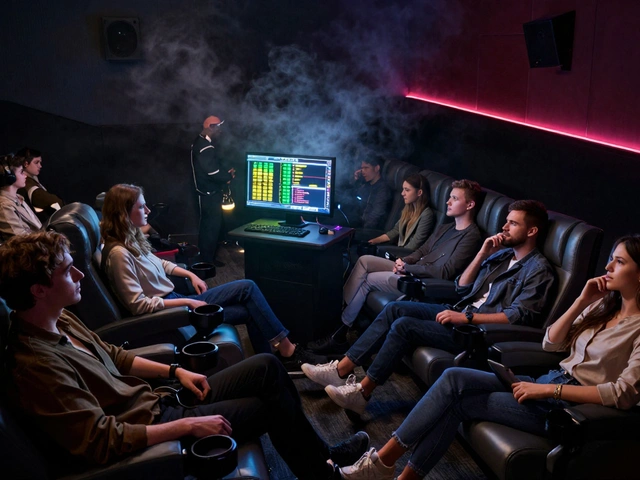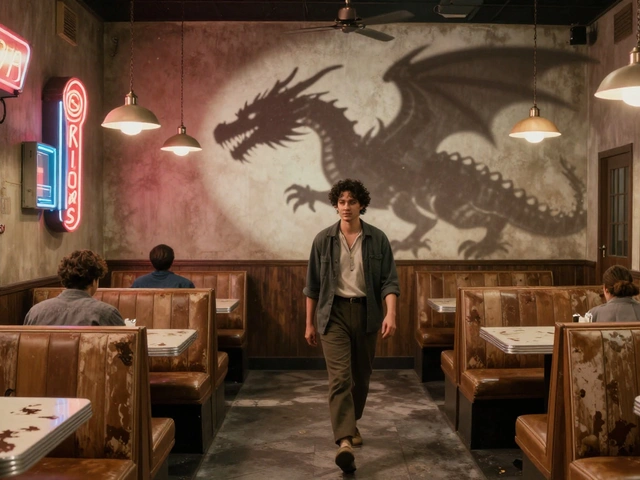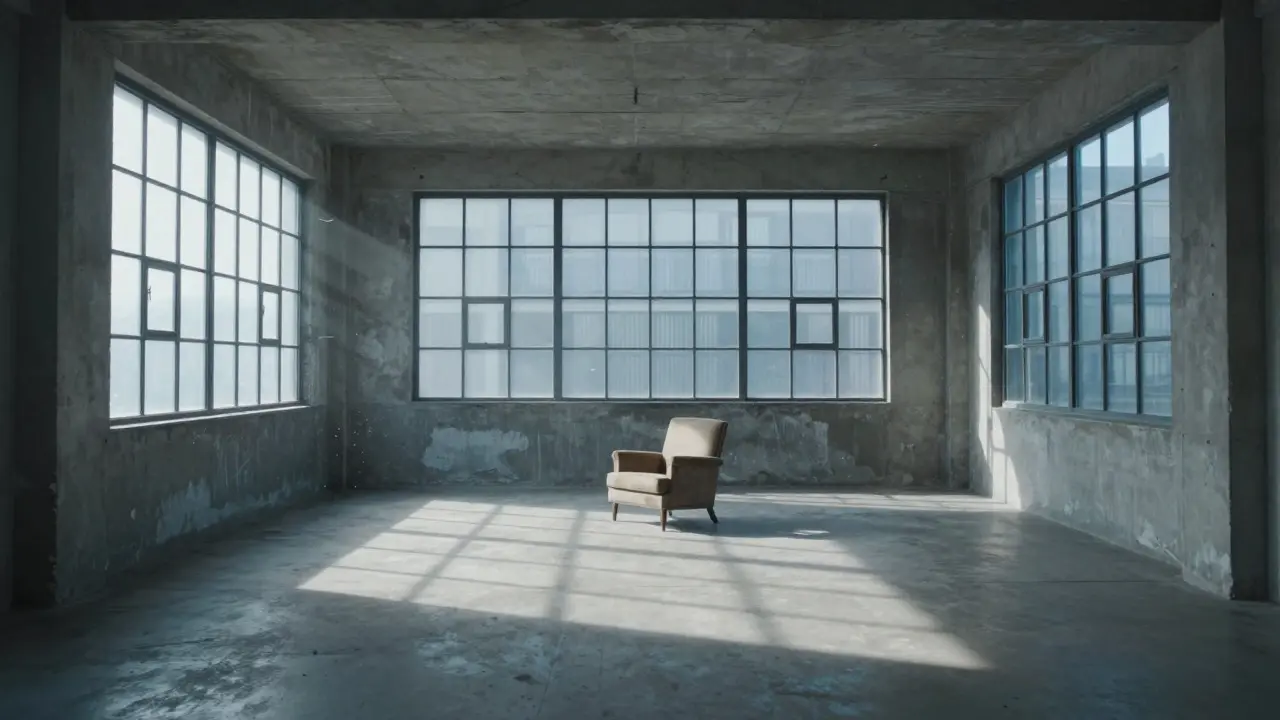
You have $50,000 to make your movie look like it cost $5 million. That is the reality of production design in the world of independent cinema that relies on creative problem-solving rather than deep pockets. Most people think big sets and expensive props win awards. They are wrong. The best indie films use negative space, strategic lighting, and found objects to create worlds that feel richer than their budgets allow. If you are stepping into this role, you need to stop thinking like an architect and start thinking like a magician.
The Core Philosophy: Less Is More
In high-budget studio films, production designers often hide flaws with excess. In indie films, every dollar spent on a prop is a dollar not spent on talent or post-production. Your primary tool is restraint. A cluttered room tells the audience the designer ran out of money. A sparse, intentional room tells them the director has control. Consider the film Whiplash, which used minimal locations but made every frame count through tight framing and specific color palettes. You do not need to build a whole house; you need to build the one corner of the kitchen where the conflict happens.
Location Scouting as Storytelling
Locations are your biggest asset because they are free or cheap compared to building sets. But a location is only as good as how well it fits the character’s psychology. Do not just look for "a nice apartment." Look for an apartment that feels like the character’s headspace. If your protagonist is isolated, find a place with high ceilings and cold light. If they are trapped, find a cramped basement with peeling paint. The key is to find places that already have history. Old buildings, abandoned offices, or local community centers often come with built-in texture that would cost thousands to replicate in a shop.
- Check natural light: Windows are your cheapest lighting rig. Know where the sun hits at different times of day before you sign the lease.
- Assess acoustics: A beautiful room with terrible echo will ruin your sound mix later. Test it with a clap.
- Look for hidden details: Cracked walls, unique fixtures, or strange architectural quirks can become plot points or character reflections.
Sourcing Props and Set Dressing Without Breaking the Bank
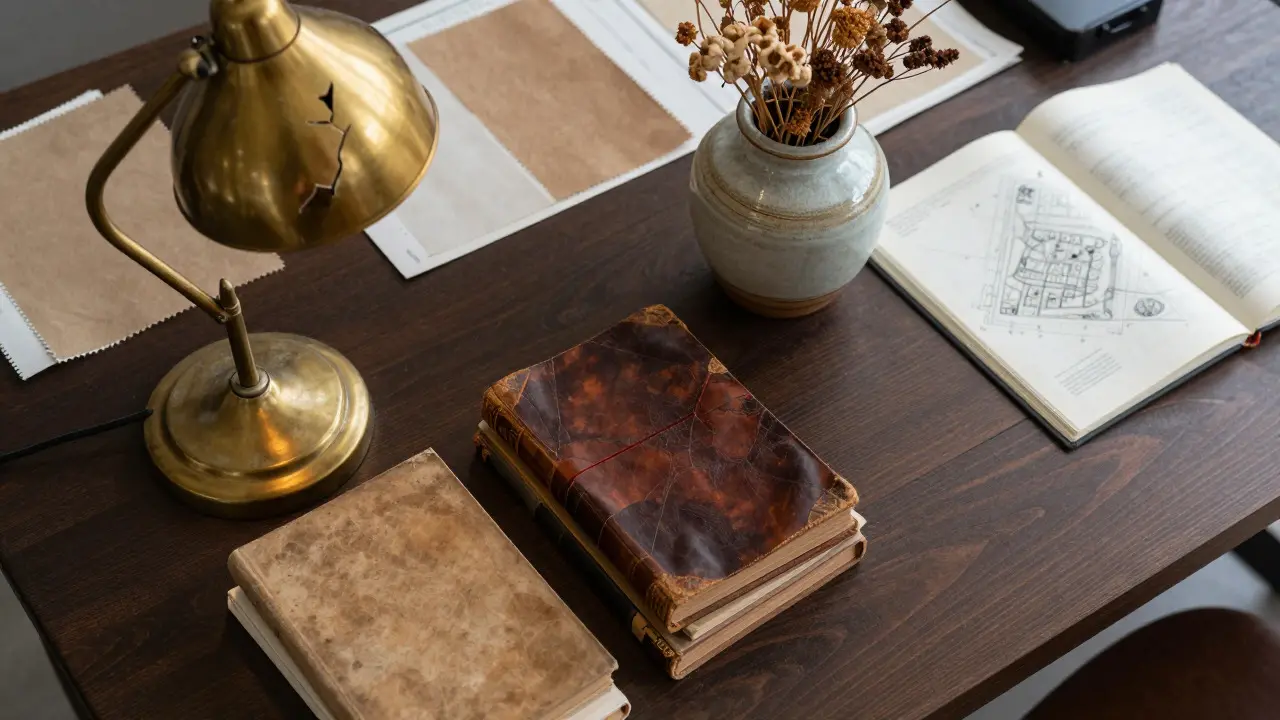
Buying new props is a waste of money unless the story specifically requires a brand-new item. Your best friends are thrift stores, estate sales, and online marketplaces. The trick is curation. One vintage lamp from a flea market looks more authentic than ten generic lamps from a discount store. Build a relationship with local antique dealers. Tell them what you are making. Often, they will lend you items for free if you credit them in the end titles. This is a classic trade: visibility for inventory. It saves cash and adds authenticity.
Color Palette and Lighting Synergy
Production design does not happen in a vacuum. It must work hand-in-hand with your Director of Photography. Before you pick paint colors or fabric swatches, sit down with your DP. Decide on a limited color palette. Maybe the entire film is dominated by blues and grays, with only one warm yellow accent. When the camera sees a consistent palette, the image feels cohesive and professional. It also hides the fact that you are using fewer sets. If every room has random colors, the cuts between scenes will feel jarring. A unified palette makes the viewer accept the transition from one location to another much more easily.
The Power of Negative Space and Framing
Empty space is not wasted space; it is a narrative device. In a low-budget film, you cannot afford to fill every wall with art and shelves. Instead, leave walls bare. Use shadows to create depth. Work with your cinematographer to frame shots that exclude the messy parts of the real-world location. If there is a ugly pipe in the corner, shoot from the other side. If the ceiling is too low, use close-ups. The audience never knows what is missing. They only see what is present. By controlling what is visible, you control the perception of quality. This technique allows a single bedroom to feel like a luxurious penthouse if the composition is tight enough.
Practical Effects vs. Digital Fixes
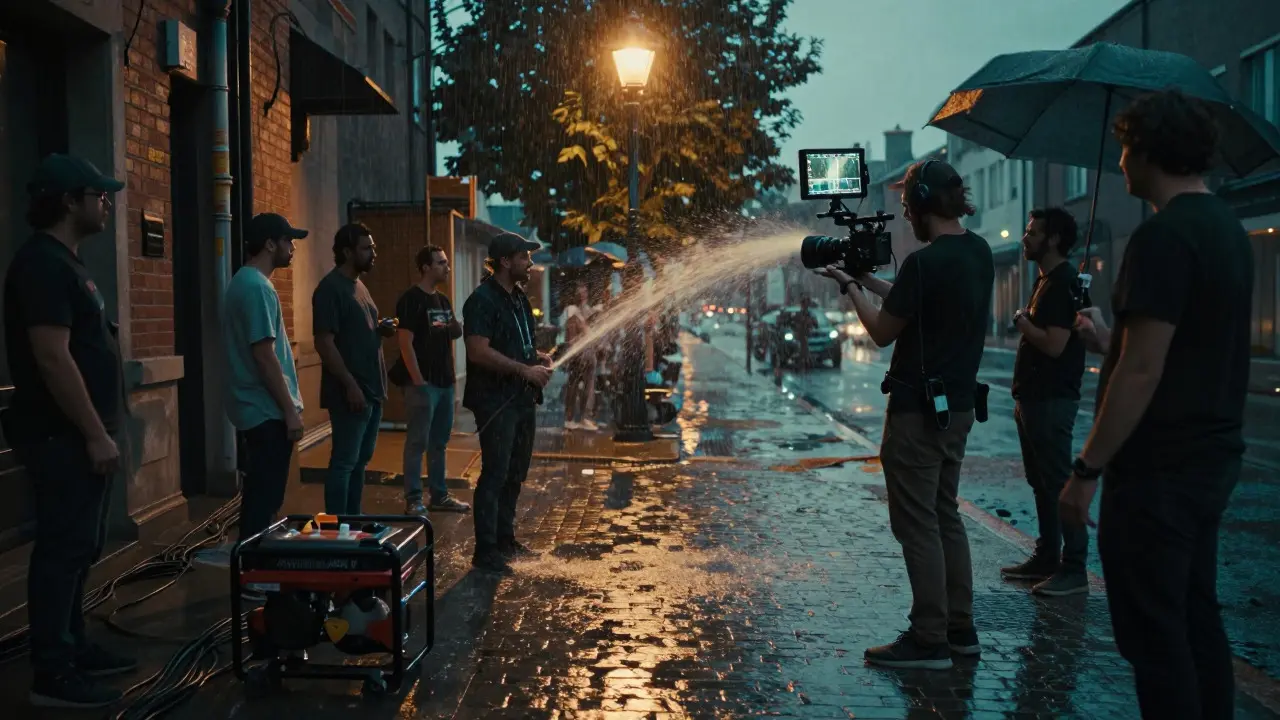
Always prefer practical solutions over digital ones. A real rain machine costs less than fixing rain in post-production. Real dust motes in sunlight look better than particle effects. However, know when to cut your losses. If a background window view is impossible to get right practically, plan to composite it in post. Just make sure the lighting matches. Nothing breaks immersion faster than a bright sunny window in a dimly lit interior. Communicate early with your VFX supervisor about what needs to be fixed digitally so you can shoot those plates correctly.
Building a Reusable Kit
If you are planning to make multiple short films or features, invest in a core kit of reusable items. Think of it as a base layer. You might own a specific style of sofa, a set of neutral curtains, and a few versatile lamps. These items can move from project to project. On top of this base, you add the specific, story-driven pieces for each film. This amortizes the cost over time. After three projects, your initial investment is essentially paid off. This strategy turns your production design department from a cost center into an asset library.
Common Pitfalls to Avoid
Many first-time production designers make the same mistakes. The biggest one is trying to do too much. Resist the urge to decorate every surface. Another common error is ignoring scale. Small props look toy-like if placed next to large actors. Always test props on set before locking the shot. Finally, do not underestimate the power of cleaning. A dusty, dirty set looks abandoned. A clean, simple set looks intentional. Spend time wiping down surfaces. It takes hours, but it pays off in every frame.
Frequently Asked Questions
How much should I budget for production design on an indie film?
Aim for 10-15% of your total budget. If you have very limited funds, prioritize location fees and key hero props over general set dressing. The rest can be sourced through borrowing or thrift shopping.
Do I need a separate set decorator if I am the production designer?
Not necessarily. On smaller films, the roles often overlap. However, if you have a large number of locations, hiring a set decorator to manage the daily dressing while you handle the overall aesthetic can save you significant stress during shooting days.
What is the best way to find free locations?
Network locally. Visit cafes, libraries, and community centers in person. Talk to the owners directly. Offer to promote their business in your film's social media channels. Many small businesses are happy to let you film for free if it gets them exposure.
How do I make a small room look bigger on camera?
Use wide-angle lenses carefully to avoid distortion, keep furniture away from walls to create pathways, and use vertical lines in the decor to draw the eye up. Avoid placing large objects in the foreground that block the view of the back of the room.
Should I buy or rent props?
Buy cheap, durable items that you can reuse. Rent or borrow expensive, fragile, or highly specific items. If a prop is central to the plot, consider buying it to ensure availability and condition throughout the shoot.