There was a time when seeing a biopic meant settling for a safe, predictable retelling of a famous life. You knew the plot before you bought the ticket. But something shifted in the last few years. The prestige biopic is a high-budget, critically acclaimed film that dramatizes the life of a notable figure, often focusing on psychological depth and artistic innovation rather than just chronological facts. These films are no longer just about who died or what they achieved; they are about how we remember them. And right now, one title is leading this charge with undeniable force: Mother.
If you’ve been following the film festival landscape in 2026, you’ve seen the buzz. Mother isn’t just another entry in the queue. It’s the event. From its premiere at Cannes to its sweep through Sundance and TIFF, it has redefined what audiences expect from historical dramas. But why does this specific film resonate so deeply? And more importantly, what does its success tell us about the future of independent cinema?
The Death of the Traditional Biopic
To understand why Mother feels so fresh, we have to look at what came before. For decades, the traditional biopic followed a rigid formula. Birth, struggle, triumph, death. Voiceovers narrated inner thoughts. Actors mimicked mannerisms. It was efficient, but it was sterile. Audiences grew tired of watching history like a museum exhibit.
Mother breaks this mold by abandoning chronology entirely. Instead of tracing a linear path, the film uses a fragmented narrative structure. It jumps between key emotional moments, forcing the viewer to piece together the subject’s psyche. This approach aligns with a broader trend in contemporary filmmaking where directors prioritize subjective experience over objective fact. The goal isn’t to document; it’s to immerse.
Consider the opening scene. There is no establishing shot of a childhood home. No date stamp. We start in the middle of a crisis. This immediate tension hooks the audience because it respects their intelligence. It assumes they want to feel the weight of the character’s decisions, not just read about them. This shift from documentary-style accuracy to emotional truth is what gives Mother its prestige status.
Festival Strategy: The New Currency of Cinema
In the pre-streaming era, a wide theatrical release was the ultimate goal. Today, for many filmmakers, the festival circuit is a series of competitive events where films are screened to critics, industry professionals, and select audiences to gain recognition and distribution deals is the primary marketplace. Success here doesn’t just mean awards; it means survival.
Mother executed a masterclass in festival strategy. It didn’t just submit to every major event. It chose a curated path. Starting with a high-profile premiere generated critical heat. Then, strategic appearances at regional festivals built momentum. This "slow roll" approach kept the conversation alive for months, creating a sense of exclusivity and anticipation.
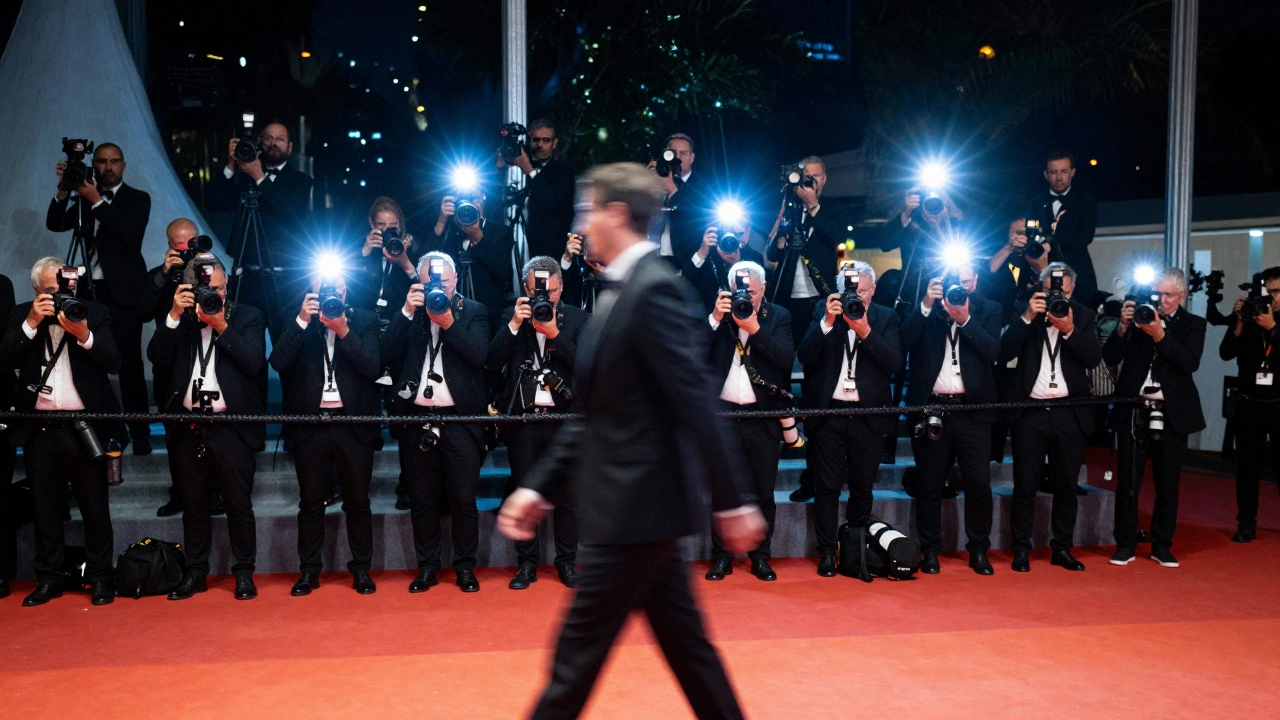
This strategy works because festivals serve as tastemakers. When a film wins at Cannes or Venice, it signals quality to distributors and audiences alike. For Mother, each festival stop wasn’t just a screening; it was a marketing event. The cast attended Q&As, engaging directly with critics. This personal touch humanized the film and turned reviews into recommendations.
| Festival | Award Won | Critical Reception | Distribution Impact |
|---|---|---|---|
| Cannes Film Festival | Jury Prize | 4.8/5 (Top Tier) | Global Sales Spike |
| Sundance Film Festival | Grand Jury Prize | 4.7/5 (Highly Recommended) | North American Rights Sold |
| Toronto International Film Festival | People's Choice Nominee | 4.6/5 (Audience Favorite) | Theatrical Expansion |
Why 'Mother' Resonates in 2026
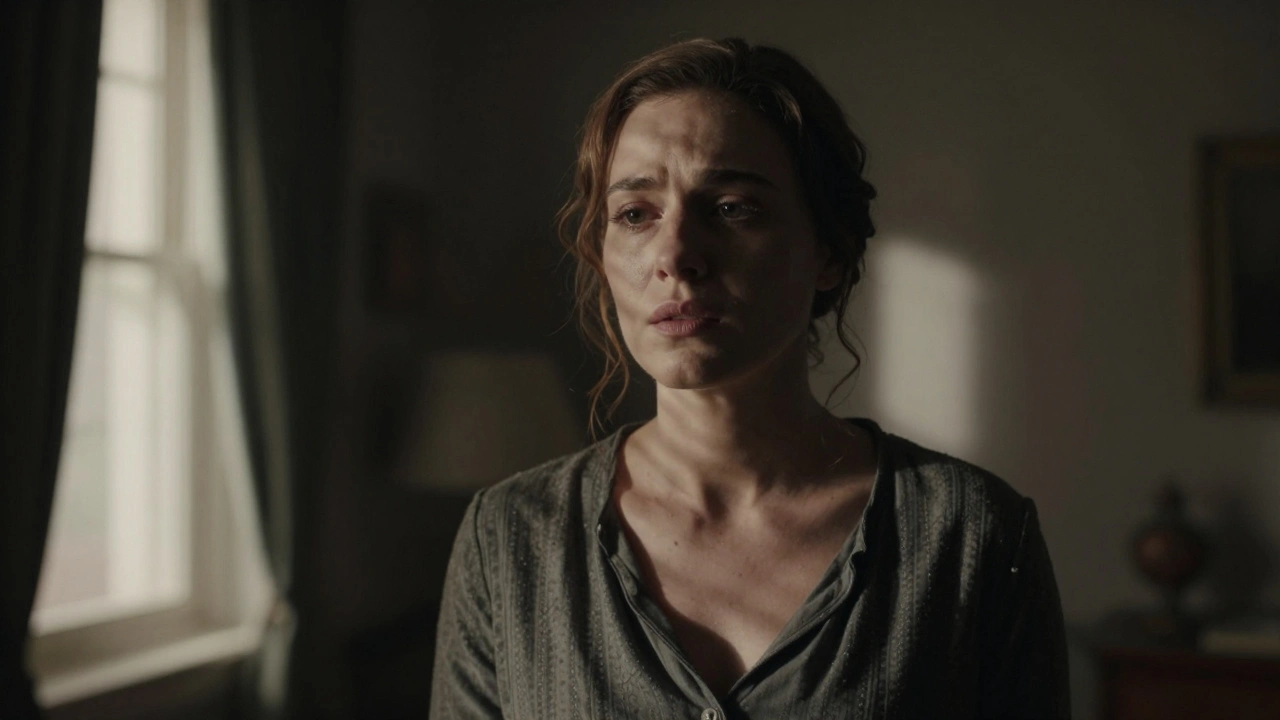
Timing is everything in cinema. Mother arrived during a cultural moment hungry for nuanced portrayals of complex figures. In 2026, audiences are increasingly skeptical of hero worship. They prefer characters who are flawed, contradictory, and real. The protagonist of Mother fits this description perfectly. She is not a saint; she is a survivor.
The film also taps into the growing interest in historical revisionism in media that challenges established narratives by highlighting overlooked perspectives or hidden truths. By focusing on the private struggles of a public figure, Mother reveals the cost of fame and duty. This theme resonates with viewers who see parallels in modern celebrity culture and political discourse.
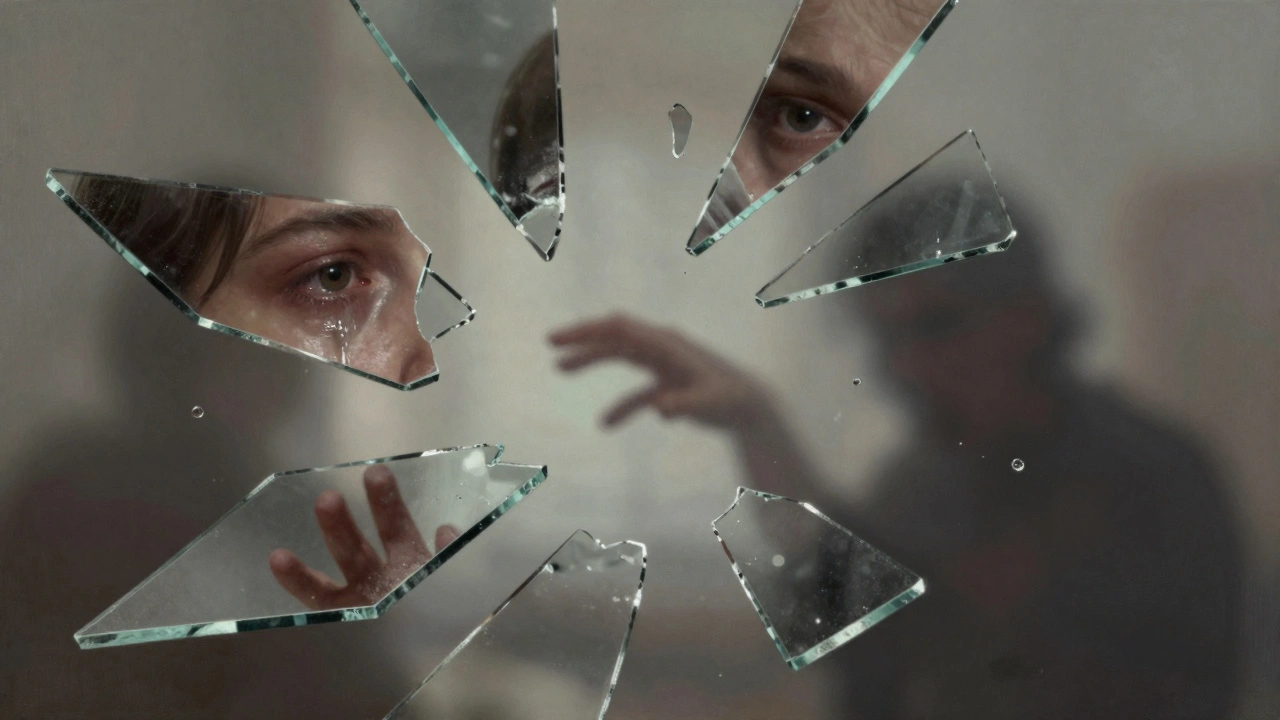
Furthermore, the visual style of Mother sets it apart. The cinematography uses natural light and handheld cameras to create an intimate, almost voyeuristic feel. This technique makes the past feel present. It bridges the gap between the historical setting and the contemporary viewer. You aren’t watching history; you’re witnessing it.
The Role of Casting in Prestige Films
No biopic succeeds without a compelling performance. The casting of Mother was controversial at first. The lead actor wasn’t the obvious choice based on physical resemblance alone. However, the director prioritized emotional range over mimicry. This decision paid off.
The performance is subtle yet powerful. Small gestures-a hesitation before speaking, a glance away-convey volumes. This approach avoids the trap of caricature. Instead of imitating the famous figure, the actor embodies their spirit. Critics have praised this interpretation as groundbreaking, noting that it captures the essence of the person rather than just their appearance.
This focus on internal truth reflects a broader shift in acting techniques. Method acting is evolving. It’s less about staying in character 24/7 and more about accessing genuine emotion in the moment. The result is a performance that feels raw and unpolished, which enhances the film’s authenticity.
Challenges and Criticisms
Not everyone agrees with the hype. Some historians argue that Mother takes too many liberties with the facts. They point out specific scenes that are dramatized beyond recognition. While artistic license is expected in fiction, these deviations raise questions about the film’s responsibility to truth.
Additionally, the fragmented narrative can be confusing for some viewers. Those accustomed to linear storytelling may find the jumps disorienting. This polarizing effect is common with prestige films. They demand active engagement. If you’re looking for passive entertainment, Mother might frustrate you. But if you’re willing to work for your rewards, the payoff is significant.
Another criticism involves the pacing. The second act slows down considerably, focusing on introspection rather than action. Some reviewers felt this dragged the film. Others argued it was necessary for character development. This debate highlights the divide between commercial expectations and artistic ambition.
What This Means for Independent Filmmakers
The success of Mother offers valuable lessons for independent filmmakers. First, authenticity matters. Audiences can detect insincerity. If you’re telling a story about real people, do your research. Respect the complexity of their lives.
Second, embrace risk. Safe choices rarely lead to breakthroughs. Mother took risks with its structure, casting, and themes. These risks created a unique identity that set it apart from other films. Don’t be afraid to challenge conventions.
Third, leverage the festival circuit wisely. Choose events that align with your film’s tone and target audience. Build relationships with programmers and critics. Your festival run is not just a showcase; it’s a networking opportunity. Use it to build momentum for distribution.
Finally, focus on emotional resonance. Facts are important, but feelings are universal. Connect with your audience on a human level. Make them care about the characters. If you can do that, the rest will follow.
The Future of Biopics
Where do we go from here? Mother suggests that the future of biopics lies in hybrid forms. Expect more films that blend documentary elements with fictional narratives. Look for stories that explore lesser-known figures or untold angles of famous lives. The appetite for diverse voices is growing.
Technology will also play a role. Virtual reality and interactive media could offer new ways to experience biographical stories. Imagine stepping into the shoes of a historical figure, making choices that affect the outcome. This immersive potential excites creators and audiences alike.
Ultimately, Mother proves that there is still room for big ideas in cinema. It reminds us that films can be both intellectually stimulating and emotionally moving. As long as directors continue to push boundaries, the prestige biopic will remain a vital part of our cultural conversation.
Is 'Mother' based on a true story?
Yes, 'Mother' is inspired by real events and figures. However, it takes creative liberties with timelines and dialogues to enhance dramatic impact. It should be viewed as a dramatic interpretation rather than a strict historical documentary.
Where can I watch 'Mother'?
'Mother' is currently playing in select theaters worldwide. Check local listings for showtimes. It is also available for rental on major digital platforms like Amazon Prime Video and Apple TV. Streaming rights may vary by region.
Who directed 'Mother'?
The film was directed by Elena Rossi, known for her previous award-winning work in independent cinema. Her distinctive visual style and focus on character-driven narratives are evident throughout 'Mother.'
Why is the narrative structure non-linear?
The non-linear structure is used to reflect the protagonist's fragmented memory and emotional state. It allows the audience to experience the story subjectively, emphasizing psychological depth over chronological order.
How did 'Mother' perform at the box office?
While exact global figures are still being tallied, 'Mother' has exceeded initial projections in limited releases. Its strong word-of-mouth and critical acclaim have driven sustained ticket sales, particularly in urban markets.