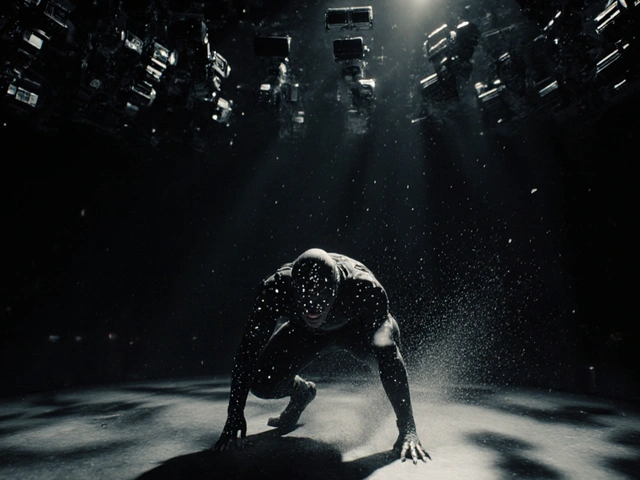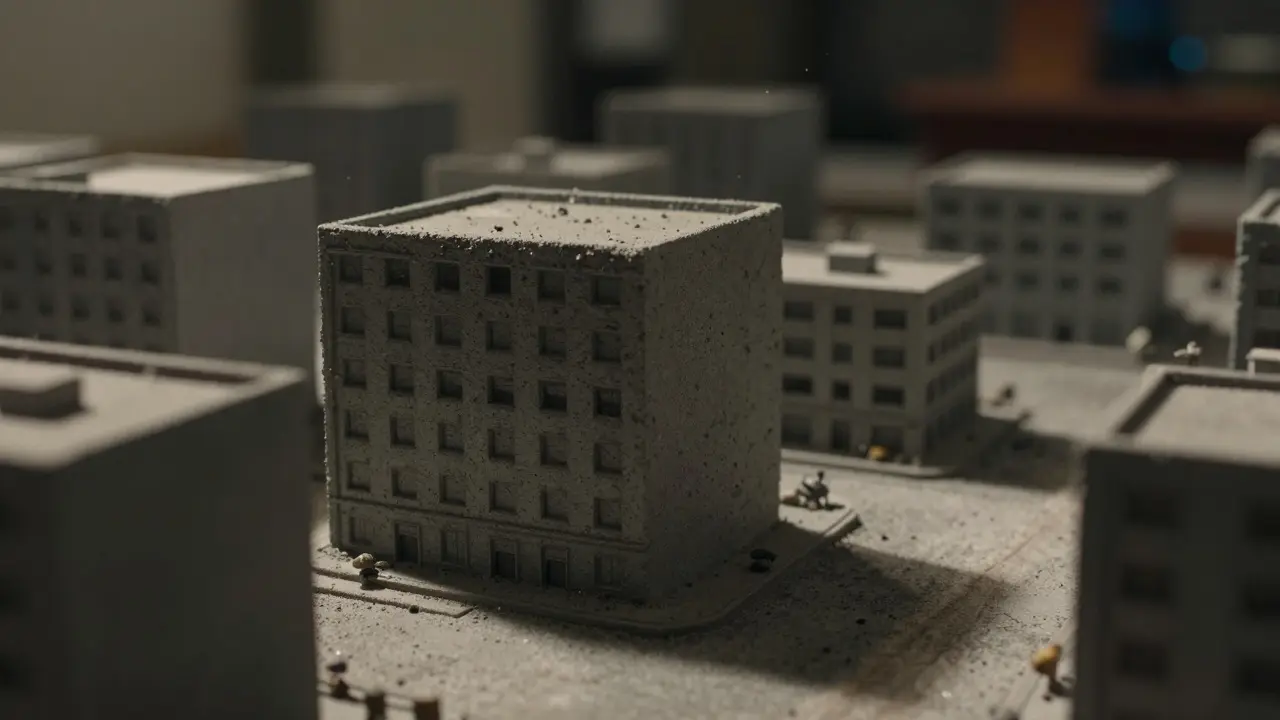
There is a specific weight to a practical miniature that no computer can easily replicate. When the camera moves around a physical model of a city block or a massive spaceship, the light interacts with real surfaces, dust motes dance in the air, and reflections behave exactly as they would in reality. This is why directors like Christopher Nolan and James Cameron still insist on building things for real, even in an era dominated by digital assets. For filmmakers, understanding how to use practical miniatures effectively is less about nostalgia and more about achieving a visual truth that audiences subconsciously trust.
The Physics of Scale
To make a small object look large, you have to cheat physics slightly. This is where the concept of forced perspective comes into play. If you build a model at 1:10 scale, you need to shoot it from a very low angle to hide the background. The depth of field becomes your best friend here. By using a wide aperture, you blur the background, making the viewer's brain assume the distance is greater than it actually is. Conversely, if you want a model to look smaller, you tighten the lens and shoot from above. The challenge isn't just the size; it's the texture. A 1:100 scale building looks smooth if you aren't careful. Real concrete has pores, cracks, and weathering. In contemporary filmmaking, artists spend weeks applying micro-textures to ensure that when the camera gets close, the surface doesn't look like plastic. This level of detail requires a deep understanding of material science, not just artistry.
Integration with Digital Effects
Gone are the days when a miniature had to stand alone. Today, the most powerful results come from hybrid workflows. A physical model provides the base geometry and lighting reference, while Visual Effects (VFX) teams extend the environment digitally. Think of the battle scenes in *Dune* or the spaceships in *Star Wars*. The core ships are often physical props or high-fidelity miniatures, but the surrounding starfields, explosions, and distant planets are added in post-production. This hybrid approach solves a major problem: consistency. If you render everything digitally, lighting mismatches between shots can be jarring. A physical model ensures that the primary light source hits the subject correctly every time. VFX artists then match their digital elements to this real-world lighting data, creating a seamless composite. It’s a partnership between the physical set designer and the digital artist that defines modern blockbuster production.
Material Selection and Durability
Choosing the right materials is critical because these models often survive harsh studio conditions. They get hit with wind machines, soaked with water rigs, and exposed to heat lamps. Here is a breakdown of common materials used in professional sets:
- Foam Core: Lightweight and easy to cut, ideal for quick prototypes or interior structures that won't be heavily handled.
- Resin: Provides high detail and durability, perfect for characters or intricate machinery parts that need to withstand handling.
- 3D Printed PLA/ABS: Allows for complex geometries that are impossible to carve by hand. Modern printers can produce layers thin enough to mimic metal or stone textures after painting.
- Wood and Balsa: Traditional choices for structural frames due to their strength-to-weight ratio.
Lighting Strategies for Miniatures
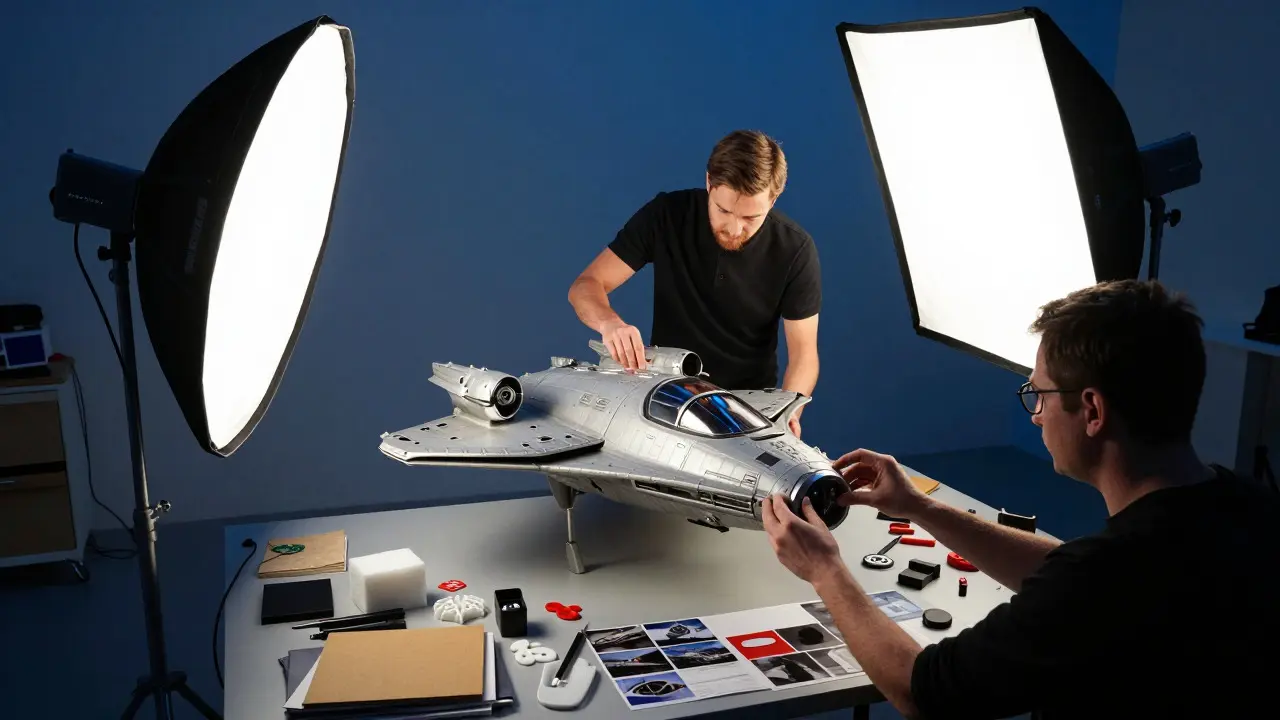
Lighting a miniature is different from lighting a human actor. Because the scale is small, light sources need to be physically smaller to avoid washing out details. Large softboxes can flatten the image, removing the sense of dimension. Instead, cinematographers use smaller, harder lights to create distinct shadows that define the form of the model. Consider the color temperature. If you are simulating daylight, you need a consistent Kelvin rating across all your practical lights and any digital extensions. Mismatched temperatures are one of the fastest ways to reveal that something is fake. Additionally, consider atmospheric effects. Adding a slight haze to the air can help blend the miniature into its digital background, reducing the sharpness of edges that might otherwise give away the scale.
Case Studies in Modern Application
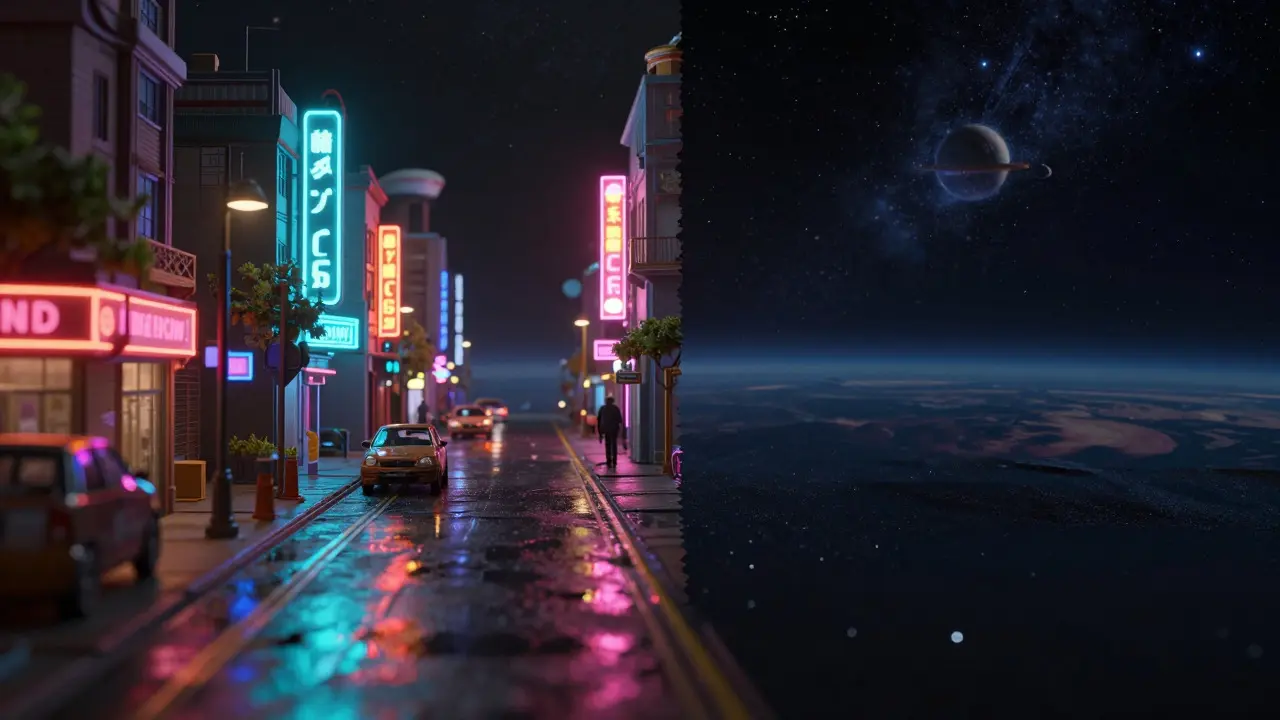
Look at the production of *Blade Runner 2049*. While much of the film was digital, key establishing shots of the dystopian Los Angeles used physical models to ground the audience. The density of the buildings and the way neon signs reflected off wet streets were captured practically. This gave the VFX team a solid foundation to build upon, allowing them to focus on extending the horizon rather than inventing the entire city from scratch. Similarly, in *The Mandalorian*, the use of LED volume technology changed the game. Actors could interact with environments that were projected behind them in real-time. However, many of the ship interiors and prop details remained physical. The combination of real-time rendering for backgrounds and physical props for foreground interaction creates a level of immersion that purely virtual sets struggle to match.
Cost-Benefit Analysis
Is it worth building a physical model? It depends on the shot duration and complexity. For a two-second wide shot, a digital asset might be cheaper and faster. But for a long tracking shot where the camera moves dynamically around a subject, the cost of animating a digital model to match the physical laws of inertia and reflection often exceeds the cost of building a high-quality miniature. Here is a simple heuristic to decide:
- If the camera moves more than 180 degrees around the subject, lean towards physical.
- If the scene involves heavy interaction (touching, breaking, moving), go physical.
- If the environment is static and distant, go digital.
Future Trends in Practical FX
As 3D printing technology improves, the barrier to entry for high-detail miniatures is dropping. What used to require a team of sculptors for months can now be printed overnight. This democratization allows smaller productions to achieve a level of polish previously reserved for major studios. Furthermore, advancements in augmented reality (AR) viewfinders allow directors to preview how a physical model will look against a digital background before the camera rolls, saving valuable shooting time. The future isn't about replacing digital with physical, or vice versa. It’s about a smarter integration where each medium plays to its strengths. The physical world provides texture, weight, and authentic light behavior. The digital world provides infinite extension and control. Together, they tell stories that feel tangible and real.
What is the main advantage of using practical miniatures over fully digital assets?
The main advantage is authentic light interaction. Physical objects reflect, refract, and cast shadows in ways that are computationally expensive to simulate perfectly. Using a real model ensures that the lighting matches the rest of the scene naturally, reducing the workload on VFX artists and increasing viewer trust.
How do I make a small model look large on camera?
Use a low camera angle and a shallow depth of field. Shooting from below hides the sky and makes the object appear towering. Blurring the background with a wide aperture tricks the eye into perceiving greater distance. Ensure the model has sufficient surface detail to withstand close-up scrutiny.
Are 3D printed models suitable for professional film production?
Yes, especially for complex geometries. Modern FDM and SLA printers can produce highly detailed parts. However, they often require post-processing, such as sanding and priming, to remove layer lines and adjust surface finish. They are excellent for internal structures or intricate mechanical parts that would be difficult to sculpt by hand.
What lighting setup works best for miniature photography?
Small, hard light sources work best to define shapes through shadow. Avoid large softboxes that wash out detail. Match the color temperature of your practical lights to your digital extensions. Adding a slight atmospheric haze can also help blend the model into the background.
When should a filmmaker choose digital effects over practical models?
Choose digital effects for static, distant shots or environments that don't require physical interaction. If the camera remains stationary and the subject is far away, the cost of building and lighting a physical model may outweigh the benefits. Digital assets offer flexibility and speed for these types of shots.