Think of a movie you love. Now imagine the director and lead actor spent weeks yelling at each other on set. It sounds like chaos, but it’s more common than you think. Some of the most iconic films were born from raw, ugly arguments between the people in charge and the people bringing the characters to life. This isn’t about ego-it’s about vision. And sometimes, the best performances come from the messiest battles.
It’s Not About Being Right, It’s About Getting It Right
Directors see the whole picture: lighting, pacing, editing, tone. Actors live inside the character’s skin-their breath, their hesitation, their unspoken pain. When those two perspectives clash, it’s not a failure. It’s friction that can spark something real.
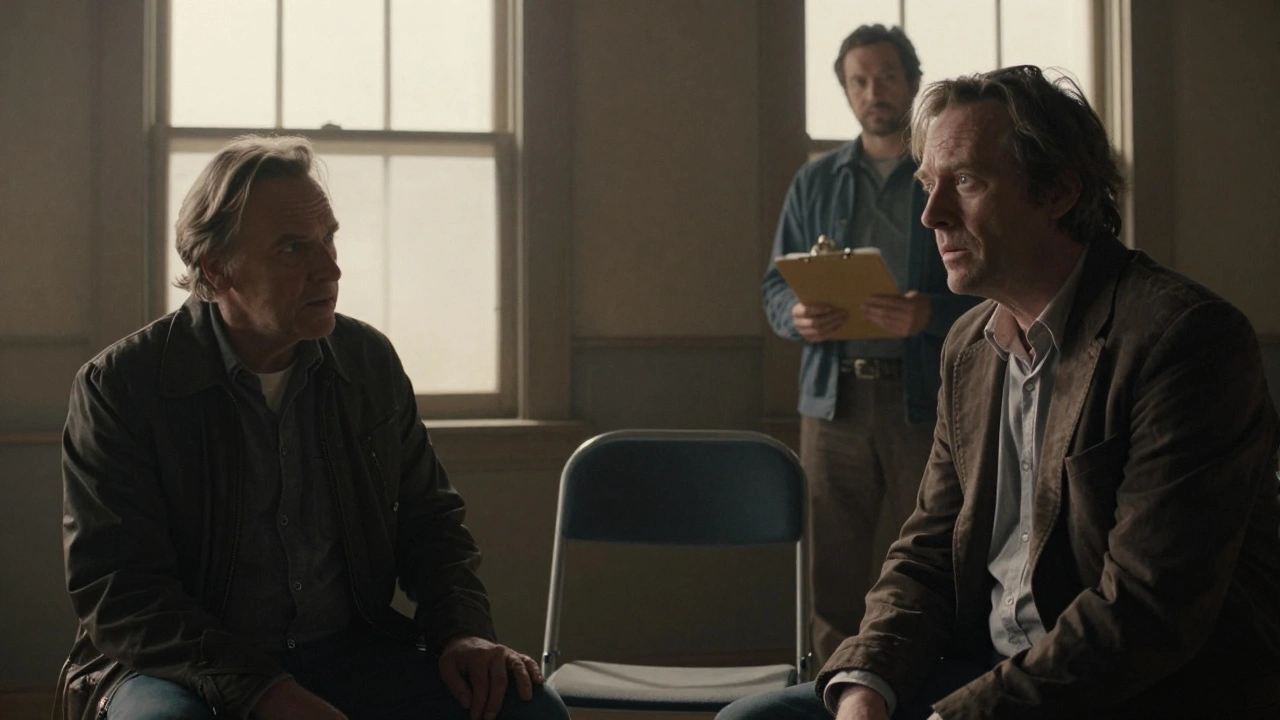
Take Daniel Day-Lewis and Paul Thomas Anderson on There Will Be Blood. Day-Lewis, known for staying in character for months, refused to say a line Anderson had written. Not because he hated it, but because he felt the character wouldn’t speak that way. Anderson pushed. Day-Lewis pushed back. After three days of silence on set, Day-Lewis improvised a guttural, broken line that became the film’s most chilling moment. Anderson didn’t rewrite the script-he rewrote the scene around what Day-Lewis gave him. That line? It wasn’t in the original script. It was born from a standoff.
When Trust Breaks Down
Conflicts don’t always end in brilliance. Sometimes, they end in resentment. On the set of Apocalypse Now, Martin Sheen and Francis Ford Coppola had a near-physical altercation after Sheen felt Coppola was pushing him too far, too fast. Sheen had a heart attack during filming, and the stress of the shoot-combined with Coppola’s obsessive control-left him feeling used. Years later, Sheen said he never fully trusted a director again.
That kind of damage doesn’t show up on screen. But it lingers. Actors who feel unheard often shut down. Directors who feel disrespected become rigid. The result? A performance that looks polished but feels hollow. No amount of lighting or music can fix that.
How the Best Directors Handle It
The top directors don’t win arguments-they reframe them. Denis Villeneuve doesn’t tell actors what to do. He asks questions. On Arrival, Amy Adams struggled with a scene where her character had to react to alien communication. Villeneuve didn’t say, “Cry harder.” He asked, “What’s the last thing you remember before you lost everything?” Adams broke down. The take was used in the final cut. He didn’t force a performance-he unlocked it.
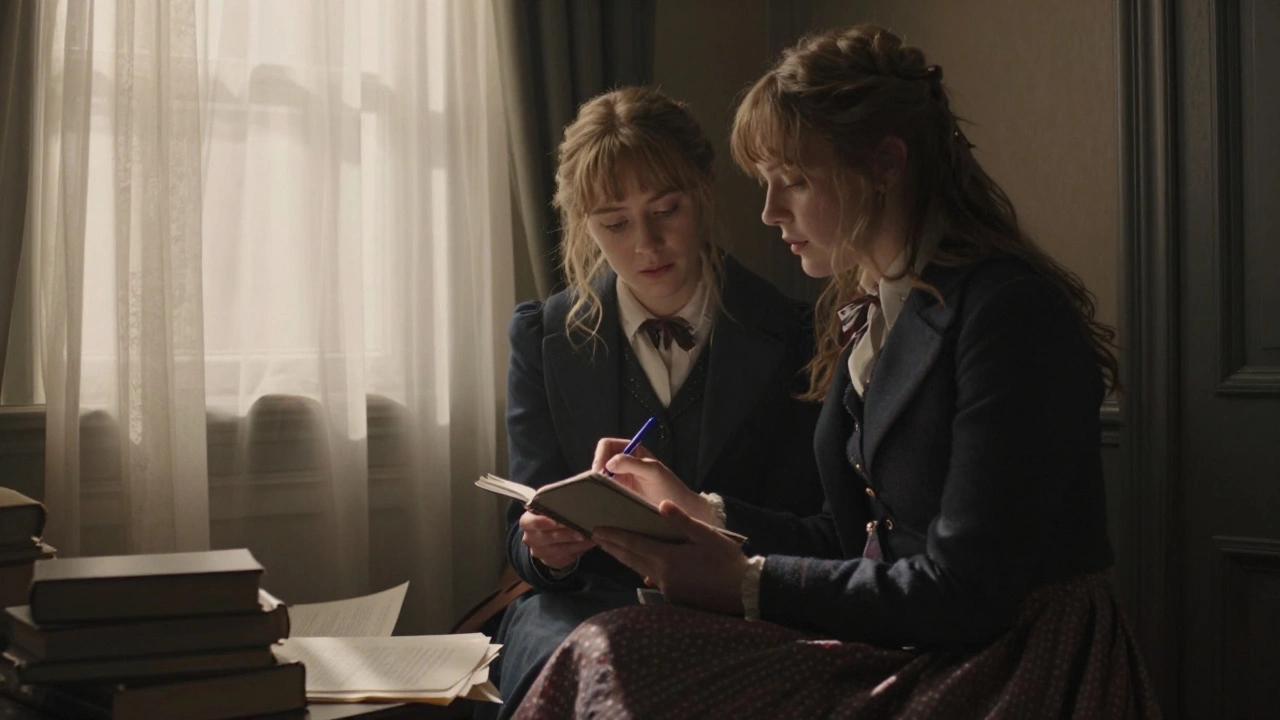
Same with Greta Gerwig on Little Women. She let Saoirse Ronan rewrite her character’s final monologue. Ronan felt Jo’s speech was too tidy, too Hollywood. Gerwig didn’t shut it down. She said, “Write what you need to say.” Ronan’s version ended up being the one in the movie. Gerwig didn’t lose control-she gave up control to get something truer.
Why Actors Push Back
Actors aren’t just delivering lines. They’re carrying emotional weight. A director might think a scene works because it’s visually striking. The actor knows it’s emotionally false. That’s not stubbornness-it’s professionalism.
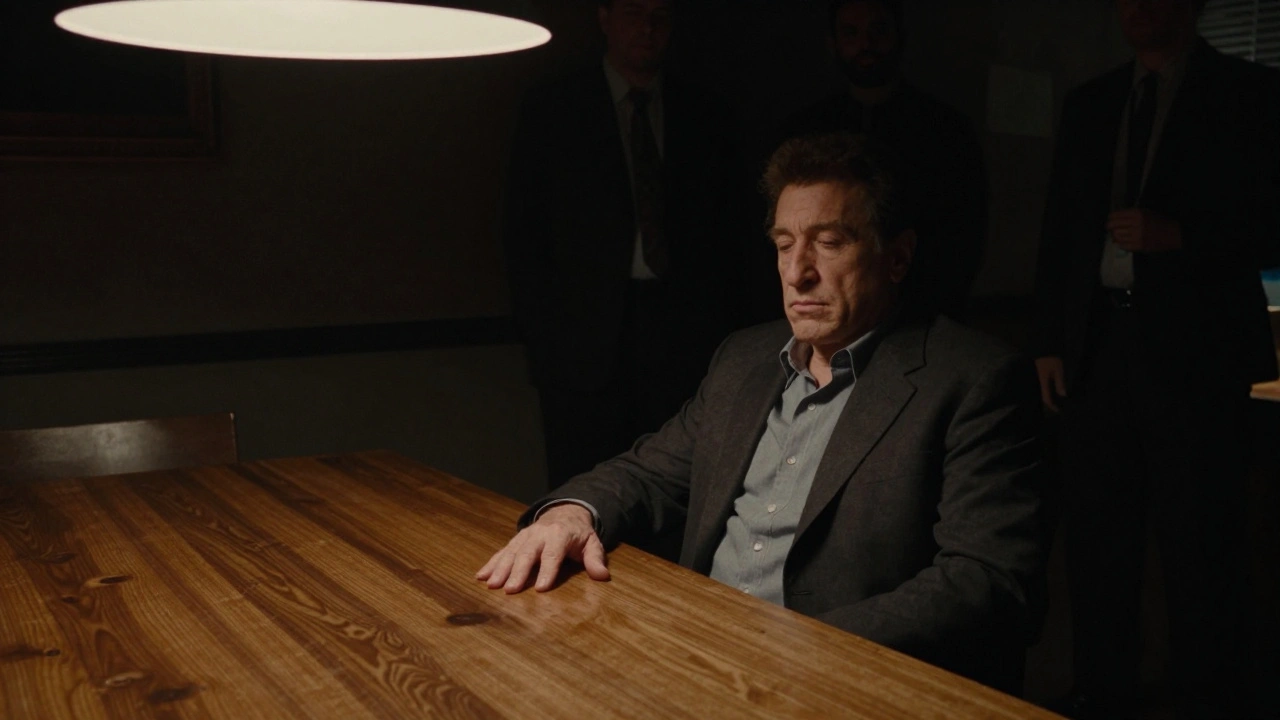
On The Dark Knight, Heath Ledger refused to do a single take of the Joker laughing after being beaten. He said the character wouldn’t laugh like that-it would be too rehearsed, too theatrical. The director, Christopher Nolan, insisted. Ledger walked off set for two hours. When he came back, he did it his way: a low, trembling chuckle that sounded like a broken machine. Nolan kept it. That laugh became iconic. Not because Ledger was right, but because he refused to fake it.
That’s the difference between compliance and commitment. Actors who push back aren’t being difficult-they’re protecting the truth of the role.
The Cost of Silence
Not every conflict leads to greatness. Sometimes, silence kills a performance.
On Star Wars: Episode I - The Phantom Menace, Ewan McGregor reportedly felt George Lucas was too controlling with his performance as Obi-Wan. McGregor wanted to bring more vulnerability, more humanity. Lucas wanted the character to feel like a classic hero. McGregor stayed quiet. The result? A performance that feels stiff, distant. Years later, McGregor admitted he wished he’d fought harder.
When actors don’t speak up, the film doesn’t suffer because of bad direction-it suffers because of missed opportunity. The audience doesn’t notice the conflict. But they notice when something feels off. They feel the emptiness.
What Happens When the Power Shifts
It’s not always the director who holds all the power. Sometimes, the actor becomes the anchor.
On Goodfellas, Robert De Niro was given a scene where his character, Jimmy Conway, sits silently at a table after a murder. The script said he should say something. De Niro refused. He sat. Stared. Didn’t move. For five minutes. The crew thought he’d blown it. Scorsese watched the monitor. Then he said, “Cut. That’s the scene.” No words. Just presence. De Niro didn’t argue-he outlasted the script.
That’s the moment the actor becomes the director. Not by taking over, but by showing what the scene really needs.
How to Spot a Healthy Conflict
Not every disagreement is worth having. Here’s how to tell the difference:
- Healthy: The actor says, “I don’t think my character would do this,” and offers a better alternative.
- Unhealthy: The actor says, “I’m the star, so do it my way,” and refuses to rehearse.
- Healthy: The director says, “I don’t understand why this feels off-can you help me see it?”
- Unhealthy: The director says, “I’m the boss, shut up and do it.”
The best collaborations aren’t about compromise. They’re about co-creation. The director brings the structure. The actor brings the soul. Neither can do it alone.
What You’ll Never See on Screen
Behind every great performance, there’s usually a moment where someone almost quit. Where a director considered firing an actor. Where an actor considered walking out.
Those moments aren’t glamorous. They’re messy. They involve tears, silence, and long walks around the studio lot. But they’re also the reason some films feel alive while others feel like polished mannequins.
The next time you watch a movie and feel something deep-something real-chances are, it didn’t come from a script. It came from a fight.
Do directors and actors usually get along on set?
Not always. Many successful films were made by people who clashed hard. The key isn’t harmony-it’s respect. When both sides trust each other’s expertise, even heated disagreements can lead to breakthroughs. But when ego takes over, the film suffers.
Can an actor change a director’s vision?
Yes, if they do it with clarity and conviction. Directors rely on actors to bring truth to the story. When an actor can show, not just tell, why a scene isn’t working, directors often bend. The best directors know they don’t have all the answers. That’s why they hire great actors.
Why do some actors refuse to follow direction?
It’s rarely about defiance. More often, it’s about authenticity. Actors live inside their characters. If a direction feels false to the character’s psychology, they’ll push back. That’s not rebellion-it’s responsibility. The best performances come from actors who refuse to fake emotion.
Do directors ever regret firing an actor over a conflict?
Yes. Some directors have admitted they made mistakes by forcing their vision too hard. On Blade Runner 2049, Denis Villeneuve said he initially wanted Ryan Gosling to play the character colder. Gosling pushed for more emotional vulnerability. Villeneuve resisted at first. Later, he called it the best decision of the film. The moment he let go, the movie came alive.
Are conflicts more common in indie films or big studios?
Big studios have more pressure to stick to scripts and schedules, so conflicts are often buried. Indie films have less money but more creative freedom, so disagreements surface more openly. That’s why some of the most raw, powerful performances come from low-budget films-there’s no studio executive breathing down their necks to just “get it done.”



Comments(10)