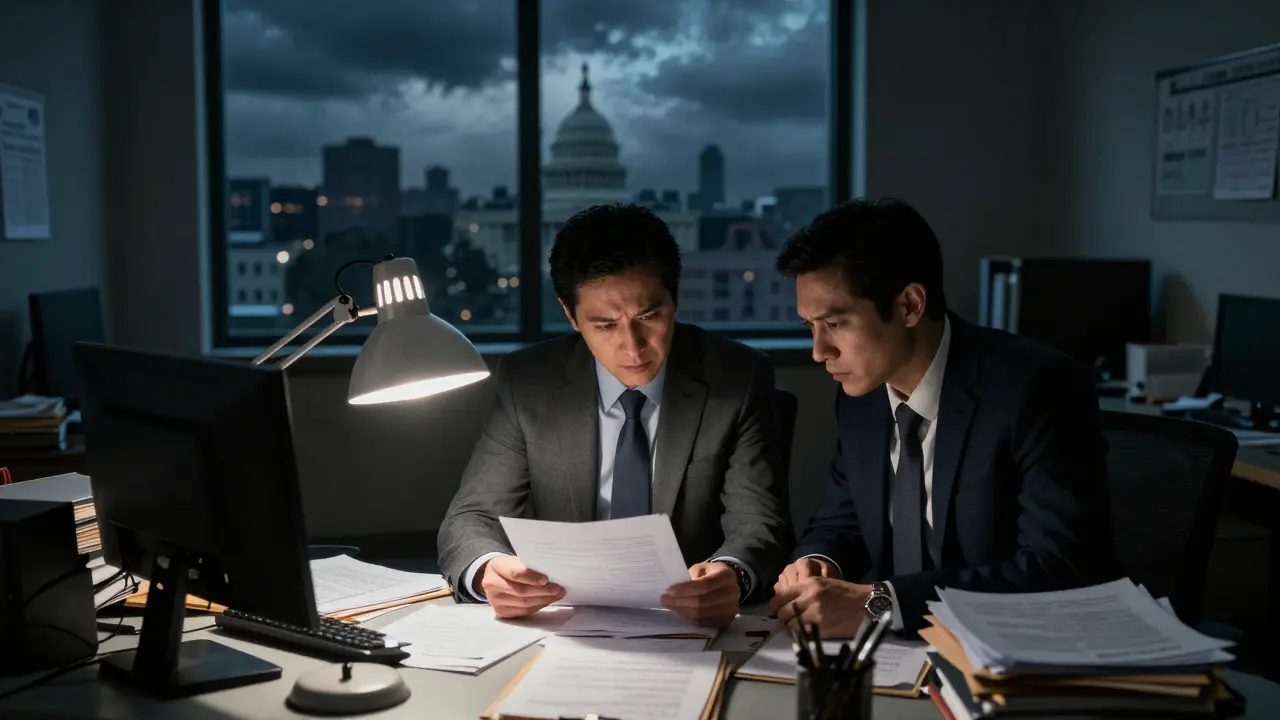
Ever sat on the edge of your seat wondering if the President is actually running the country or just playing along? That specific mix of paranoia and high-stakes action defines the political thriller. It’s a genre where the biggest enemy isn’t always a foreign army; it’s often the badge on your own chest. These films take real-world anxieties about surveillance, corruption, and power, then crank them up to eleven for maximum cinematic impact.
You don’t need a history degree to appreciate these stories, but you do need to understand how they work. They rely on a delicate balance between procedural accuracy and dramatic license. If it’s too realistic, it drags. If it’s too far-fetched, it loses credibility. The best ones find that sweet spot where you believe the conspiracy could actually happen in Washington D.C., London, or even a quiet office in Asheville.
The Anatomy of a Political Conspiracy
At its core, a political thriller is built on a hidden truth. This secret usually involves a cover-up of a crime committed by someone with significant authority. Think assassinations, leaked documents, or black-budget operations. The protagonist is rarely the most powerful person in the room. Instead, they’re usually an investigator, a journalist, or a mid-level bureaucrat who stumbles upon something they shouldn’t have seen.
This dynamic creates immediate tension. The hero is outgunned not just physically, but institutionally. When they get caught, it’s not just jail; it’s being erased from public records. The stakes are existential because the system itself is working against them. You see this pattern clearly in classic works like All the President's Men is a 1976 film based on the Watergate scandal that follows two Washington Post journalists investigating a break-in at the Democratic National Committee headquarters. Here, the "secret" was a physical crime, but the real threat was the machinery of the White House trying to bury it.
- The Leak: Information moves from inside the government to the outside world.
- The Chase: The protagonist races against time before the trail goes cold or they disappear.
- The Reveal: The final twist usually implicates someone higher up than expected.
Why We Love Watching Power Corrupt
Why do we keep watching these movies? It’s simple: validation. Most people feel powerless against large institutions. Seeing a character navigate bureaucracy, survive red tape, and expose a lie gives us a vicarious sense of control. It’s a way to process our own distrust of opaque systems without having to read dry policy papers.
There’s also the allure of the "whistleblower." In recent years, figures like Edward Snowden shifted the cultural conversation around national security. Films reflect this shift. The villain is no longer just a mustache-twirling dictator; it’s often a well-meaning agency director who believes the ends justify the means. This moral ambiguity keeps audiences engaged because there’s no easy good guy or bad guy. There are just people making hard choices under pressure.
Iconic Films That Defined the Genre
To understand the genre, you have to look at the landmarks. These aren’t just popular movies; they set the template for what comes next.
| Film Title | Release Year | Central Conflict | Key Theme |
|---|---|---|---|
| The Manchurian Candidate | 1962 / 2004 | Brainwashed veteran returns to politics | Cold War Paranoia |
| Three Days of the Condor | 1975 | Researcher isolated by CIA hit squad | Institutional Betrayal |
| Silverado | 1986 | Western town vs. federal agents | Local vs. Federal Power |
| Zodiac | 2007 | Journalists tracking serial killer | Media Obsession |
Notice how Three Days of the Condor is a 1975 film starring Robert Redford as a CIA researcher who discovers his colleagues have been murdered and he is being hunted by his own agency. It captures the essence of the genre perfectly: the individual versus the state. The setting matters too. New York City becomes a maze of dead drops and safe houses, turning everyday locations into zones of danger.
The Evolution of Espionage on Screen
The landscape has changed significantly since the Cold War ended. Older thrillers focused on nuclear annihilation and ideological battles. Modern political thrillers focus on data, cyber-warfare, and financial leverage. The weapon of choice isn’t a bomb; it’s a server farm or a social media algorithm.
This shift reflects reality. Today’s surveillance state is a system of mass data collection used by governments to monitor citizens, often justified by national security concerns. Movies now explore how metadata can be used to track a suspect without ever seeing their face. It’s a more subtle, insidious form of control that resonates with digital natives. You don’t need a trench coat and a typewriter anymore; you need a laptop and a secure email protocol.
Furthermore, the definition of "government" has expanded. It’s no longer just the Pentagon or the State Department. Tech companies, private military contractors, and intelligence agencies blur the lines. Films like Bourne Identity series is a franchise featuring Jason Bourne, a former assassin who suffers from amnesia and tries to uncover his past while being hunted by various agencies. show this hybrid nature. Is he fighting the government? Or just one faction within it? The answer is rarely clear, which adds to the confusion and excitement.
Real-World Inspiration vs. Cinematic License
How much is true? More than you’d think, but less than you’d hope. Filmmakers love to claim their scripts are "based on true events," but they usually take massive liberties. The timeline gets compressed. Characters get merged. Dialogue gets sharpened for effect.
For example, the Watergate tapes were crucial evidence, but in the movie, the audio quality is exaggerated to heighten the drama. Similarly, in Argo is a 2012 film about a CIA operative who poses as a Hollywood producer to rescue six Americans trapped in Iran during the hostage crisis., the use of a fake sci-fi movie as cover was brilliant, but the actual operation involved more bureaucratic hurdles than shown on screen. The movie needed momentum; reality is often slower and messier.
However, the core truths remain. Governments do classify information. Journalists do risk their careers for scoops. And yes, sometimes the truth is stranger than fiction. The key is recognizing when a film is using real events as a skeleton for a new story. Don’t watch it for historical fact; watch it for emotional resonance.
What Makes a Political Thriller Work?
If you’re analyzing these films or writing your own script, there are three non-negotiable elements. First, pacing. The clock must always be ticking. Whether it’s a deadline for a news report or a countdown to a missile launch, urgency drives the plot forward.
Second, competence. The protagonist should be smart. Not invincible, but competent. If they make stupid mistakes, the audience stops believing in their survival. We want to root for someone who can handle a briefing, decode a cipher, or negotiate with a hostile official.
Third, moral clarity (or lack thereof). The ending doesn’t always have to be happy. Sometimes the truth is revealed, but nothing changes. Sometimes the hero wins, but at a personal cost. This ambiguity mirrors the real world, where justice isn’t always swift or clean. It leaves the audience thinking long after the credits roll.
Frequently Asked Questions
Are political thrillers historically accurate?
They are rarely 100% accurate. While they may be based on real events, filmmakers compress timelines, merge characters, and exaggerate dialogue for dramatic effect. Treat them as inspired by truth rather than documentaries.
What is the difference between a spy thriller and a political thriller?
Spy thrillers focus on the agent and their missions abroad. Political thrillers focus on the domestic power structures, cover-ups, and the relationship between the government and the public. A spy thriller might involve stealing plans; a political thriller involves exposing why those plans were kept secret.
Which is the best political thriller of all time?
Opinions vary, but All the President's Men and Three Days of the Condor are frequently cited as the gold standards. They established the tropes and tone that defined the genre for decades.
Do political thrillers influence public opinion?
Yes, they can shape perceptions of government competence and transparency. By dramatizing specific failures or successes, they create a narrative framework that viewers use to interpret current events. However, their impact is usually subtle and long-term rather than immediate.
Are modern political thrillers different from older ones?
Yes. Older films focused on Cold War binaries (Good vs. Evil). Modern films deal with gray areas, cyber warfare, and corporate-government collusion. The threats are more complex and less easily identifiable.





Comments(8)