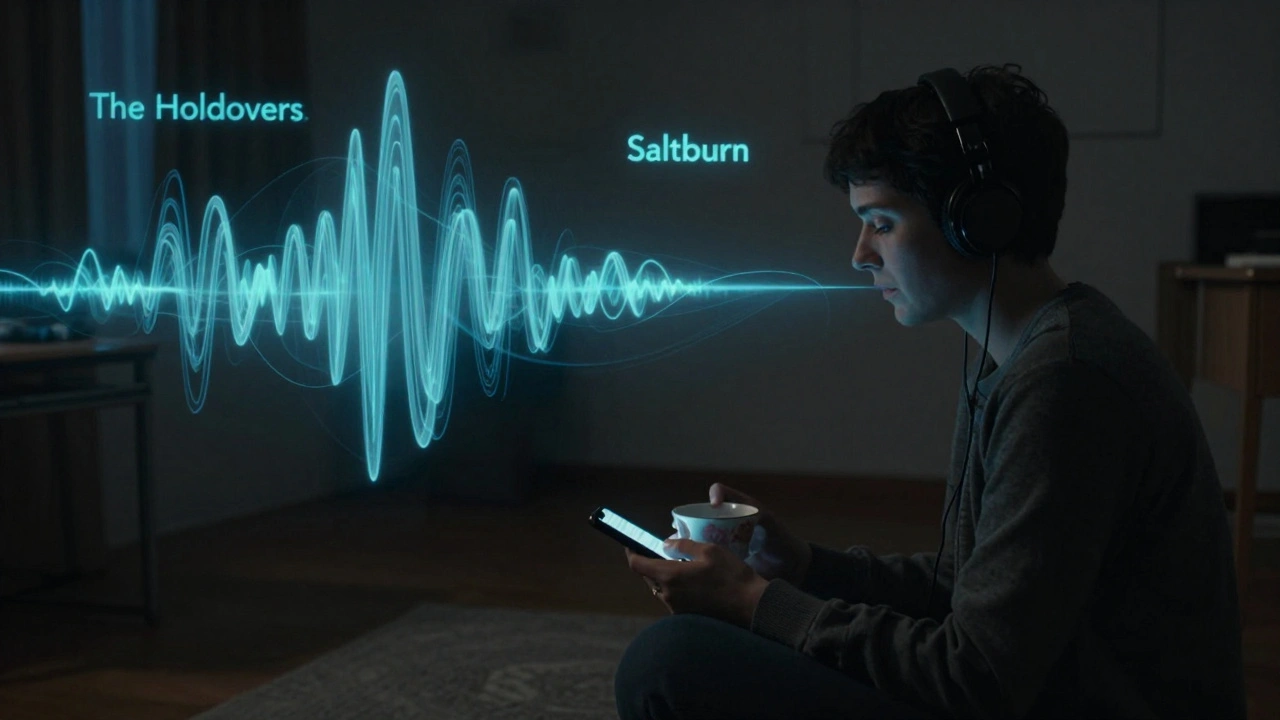
Think about the last time you watched a movie and wished someone was explaining what you were really seeing. Not just the plot, but the lighting, the silence between lines, the way a camera lingers too long on a character’s hands. That’s where podcast film criticism comes in. It’s not reviews. It’s not recaps. It’s deep, thoughtful, often messy audio conversations that treat films like living texts - not products to rate, but experiences to unpack.
Why Audio Alone Can Reveal More Than a Written Review
Most film reviews are written for speed. They’re meant to be read in five minutes before you decide whether to stream something. Podcasts don’t have that pressure. A 45-minute episode can trace the evolution of a single shot across three films. It can compare the sound design of a horror movie to a 1970s documentary. It can sit with the discomfort of a character’s choice instead of rushing to judge it.
Take the 2023 film The Holdovers. Written reviews mostly focused on Paul Giamatti’s performance. But the podcast Reel Talk Daily spent 38 minutes on how the film’s production design - the dusty classrooms, the faded wallpaper - mirrored the emotional isolation of its characters. They played audio clips of ambient school hallway sounds from the film, then contrasted them with similar sounds from Good Will Hunting. No visuals. Just sound. And suddenly, you felt the loneliness differently.
Audio removes the distraction of visuals. You’re not watching a performance. You’re listening to someone describe what the performance does to you. That’s why podcast film criticism often feels more personal. It’s not about what the critic thinks. It’s about how the film changed the way they think.
The Rise of the Non-Expert Critic
Traditional film criticism used to belong to journalists with degrees, bylines, and access to press screenings. Now, anyone with a microphone and a passion can start a podcast. And that’s changed the conversation.
Take Movie Club With Jen, hosted by a former elementary school teacher from rural Ohio. She doesn’t have a film degree. But she’s watched every movie her students recommended since 2020. Her episode on Oppenheimer didn’t talk about historical accuracy. It talked about how the film’s score made her feel like she was holding her breath for two hours - and how that mirrored her own anxiety during the pandemic. That perspective wasn’t in any major publication. But it resonated with over 200,000 listeners.
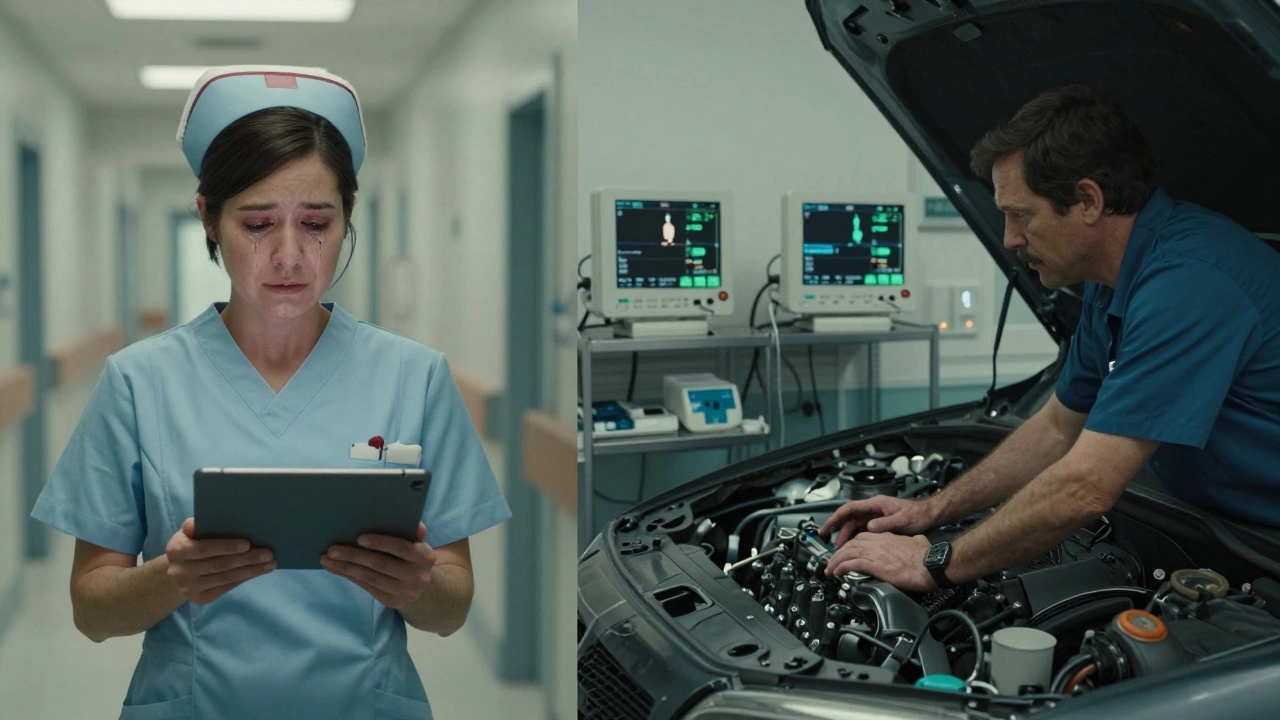
This isn’t about democratization. It’s about diversification. When the people analyzing films come from different backgrounds - nurses, mechanics, retirees, teenagers - the criticism gets richer. A mechanic might notice how the camera angles in John Wick mimic the rhythm of engine pistons. A nurse might point out how medical scenes in The Last of Us echo real hospital protocols. These aren’t niche observations. They’re fresh lenses.
How Podcasts Are Changing How Films Are Made
It’s not just critics listening. Filmmakers are listening too.
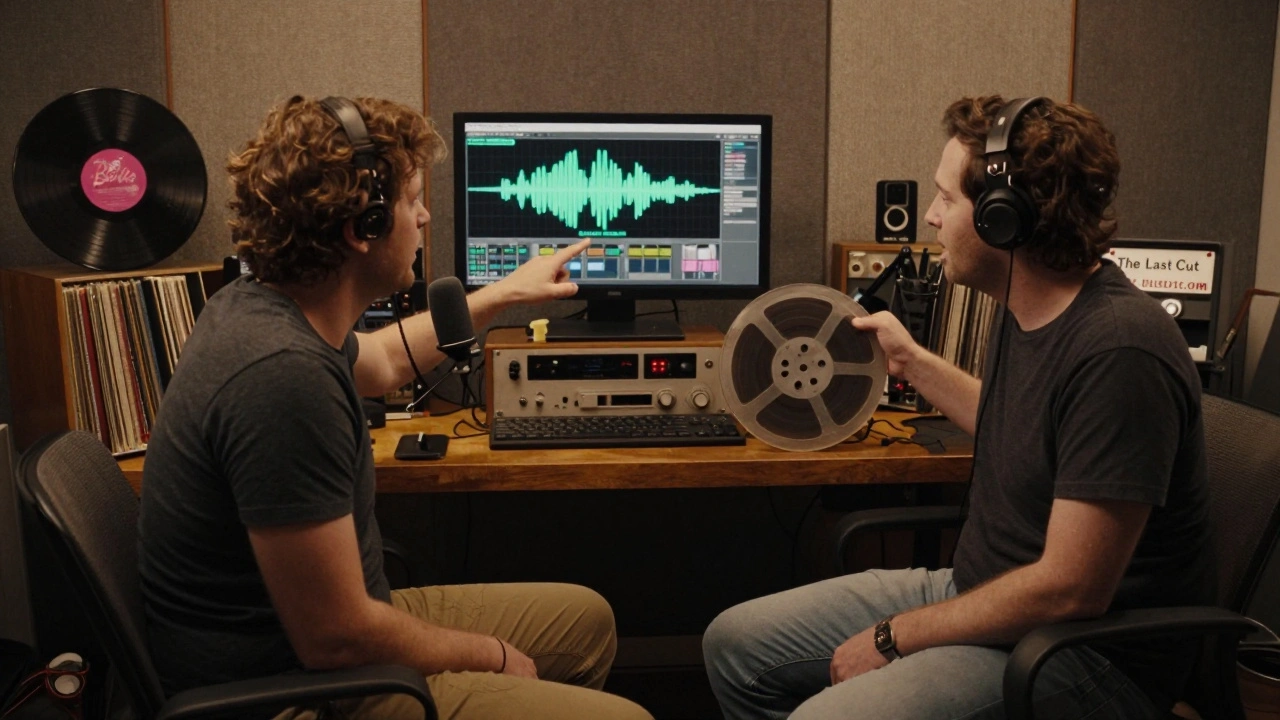
In 2024, director Emerald Fennell told The Atlantic that her script for Saltburn was rewritten after she heard a 20-minute segment on the podcast Frame by Frame. The hosts had argued that the film’s most powerful moment wasn’t the climax, but a 12-second shot of a character staring at a teacup. Fennell had cut that shot in early edits. She reinserted it. The final version went on to win two BAFTAs.
That’s not an outlier. Independent studios now track podcast mentions like box office numbers. If a film gets three strong mentions on popular indie podcasts, it gets picked up for wider distribution. Studios are even hiring podcast hosts as consultants - not to write reviews, but to help shape narrative pacing, emotional beats, and sound design.
Podcast criticism is no longer reacting to films. It’s helping build them.
The Tools of Audio Criticism
What makes a good film podcast? It’s not just talking. It’s structuring sound like a film.
Top podcasts use layered audio: ambient music fades under dialogue, sound effects are used to punctuate ideas, and silence becomes a tool. One episode of Soundtrack & Shadow analyzed Barbie by playing the opening credits, then cutting to silence for 17 seconds - just long enough for the listener to feel the emptiness beneath the color.
They also use repetition. A host might return to the same line of dialogue across three episodes, each time with new context. That’s how deep analysis works. It’s not about saying something new. It’s about hearing something again - and realizing you missed the first time.
Some hosts record in real time while watching. Others use split-screen audio - playing the film’s soundtrack while narrating. A few even use AI tools to isolate specific frequencies - like removing all dialogue to hear only the background noise in Tar. That’s not gimmickry. That’s forensic listening.
What You’re Missing If You Skip Podcast Criticism
Most people still think of film criticism as something you read in a magazine or see on YouTube. But the most insightful commentary is happening in headphones.
If you only watch films and read reviews, you’re missing the texture. You’re not hearing how a director’s childhood trauma echoes in a character’s silence. You’re not feeling how a score changes when it’s played at 70% volume. You’re not realizing that the most important moment in Past Lives isn’t the reunion - it’s the 11 seconds of static on a phone call that never connects.
Podcast film criticism doesn’t tell you whether a movie is good. It tells you why it matters. And that’s the difference between watching and understanding.
Where to Start
Not all film podcasts are created equal. Here are five that consistently push the boundaries of audio criticism:
- Reel Talk Daily - For deep dives into contemporary cinema with a focus on sound and silence.
- Frame by Frame - Hosted by two former film students, they break down shots like engineers dissecting engines.
- Soundtrack & Shadow - Uses music and ambient noise as the primary lens for analysis.
- Movie Club With Jen - A refreshing, non-academic take from an outsider’s perspective.
- The Last Cut - Focuses on films that were edited down, and what got lost in the process.
Start with one. Listen all the way through. Don’t multitask. Just sit. Let the audio do the work. Then watch the film again. You’ll see it differently.
Are podcast film critics as credible as traditional critics?
Credibility isn’t about where you publish - it’s about how deeply you listen. Many podcast critics have spent thousands of hours analyzing films, often with more time and freedom than traditional critics who face deadlines. Some podcasters have been cited by major film festivals and studios. Their influence is real, even if their bylines aren’t in The New York Times.
Do I need to watch the film before listening to the podcast?
Not necessarily. Some podcasts are designed as first-time listening experiences - they describe scenes, pacing, and tone so clearly that you can follow along without seeing the film. Others assume you’ve watched it. The best ones tell you upfront whether they’re spoilers or not. If in doubt, check the episode description - most hosts are transparent about it.
Why do some film podcasts sound so casual?
Casual doesn’t mean shallow. The looseness of podcast dialogue - the interruptions, the laughter, the tangents - often mirrors how real people process art. A rigid, academic tone can distance viewers. A messy conversation about why a character’s sweater matters can reveal more about the film than a polished essay ever could.
Can podcast criticism help me become a better filmmaker?
Absolutely. Many indie filmmakers credit podcast analysis for helping them rethink pacing, sound design, and emotional beats. Listening to how others interpret your work - especially when they notice things you didn’t realize you put in - is one of the best forms of feedback. Some film schools now require students to submit podcast reviews as part of their coursework.
Is podcast film criticism only for indie films?
No. While indie films often get more attention because they’re under-covered, major studio releases are analyzed just as deeply. The podcast Reel Talk Daily spent over 90 minutes on Dune: Part Two, breaking down its use of silence, its color grading, and its political subtext. Big films attract big conversations - they just don’t always get covered by mainstream outlets.


Comments(9)