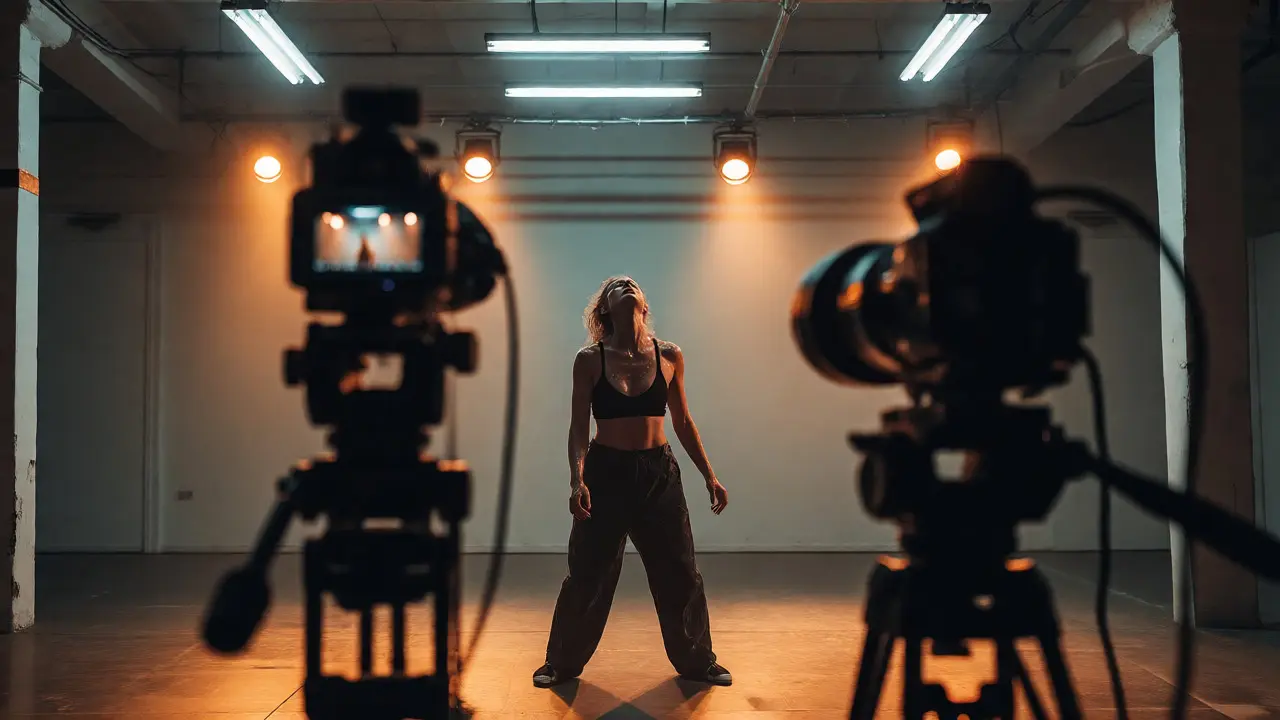
You blink, and it’s gone. That’s the core problem with performance art. It exists in a specific time and place, breathing the same air as the audience, then vanishes into memory. For decades, artists like Marina Abramović or Joseph Beuys relied on photography or word-of-mouth to keep their work alive. But still images freeze the motion; they kill the rhythm. Enter performance art on film: the delicate, often frustrating, but ultimately rewarding practice of translating a live, unrepeatable event into a moving image.
If you’re an artist trying to document your own piece, or a filmmaker tasked with capturing someone else’s body-based work, you’re walking a tightrope. You have to decide what matters more: the raw energy of the room or the polished clarity of the edit. There is no perfect recording, only different interpretations. Let’s break down how to actually do this without losing the soul of the piece.
The Core Conflict: Documentation vs. Creation
Here’s the first trap most people fall into. They treat the camera as a neutral observer. In reality, the camera is a participant. When you put a lens in front of a performer, you change their behavior. They become aware of being watched by a machine that will outlive them. This creates a split between two types of video:
- Documentation: The goal is archival accuracy. You want future scholars to see exactly what happened from a fixed perspective. Think of it as a security camera for art history.
- Artist Film: The goal is reinterpretation. You use editing, sound design, and close-ups to create a new artwork that stands on its own, even if the viewer never saw the live show.
Decide which one you are making before you hit record. If you try to do both simultaneously, you usually end up with shaky footage that fails at archiving and bores the viewer. For example, when Bill Viola filmed his early video works, he wasn’t just recording; he was using the medium’s limitations (low resolution, slow frame rates) to enhance the meditative quality of the performance. He embraced the medium rather than fighting it.
Capturing the Body: Technical Choices That Matter
Performance art is physical. It involves sweat, breath, muscle tension, and micro-movements. Standard documentary setups often miss these details because they prioritize wide shots to show context. Here’s how to fix that:
Framing and Distance
A wide shot tells us where the performer is. A close-up tells us how they feel. You need both, but not necessarily in the same take. If you’re working solo, consider shooting multiple passes. Do one pass focused entirely on hands and feet-the extremities often tell the story of effort and restraint. Do another pass focused on the face. Don’t worry about continuity yet; worry about coverage.
If you can afford a second camera, place it at a low angle looking up. This changes the power dynamic. A performer standing tall might look vulnerable from below, emphasizing their exposure. Conversely, a high-angle shot can make them look trapped or observed. These choices aren’t neutral; they are editorial decisions made in real-time.
Sound Design: The Invisible Layer
People underestimate audio until they hear bad audio. Performance art often relies on ambient noise-breathing, footsteps, the creak of floorboards, distant traffic. If you mute the room tone and replace it with generic library music, you’ve killed the piece.
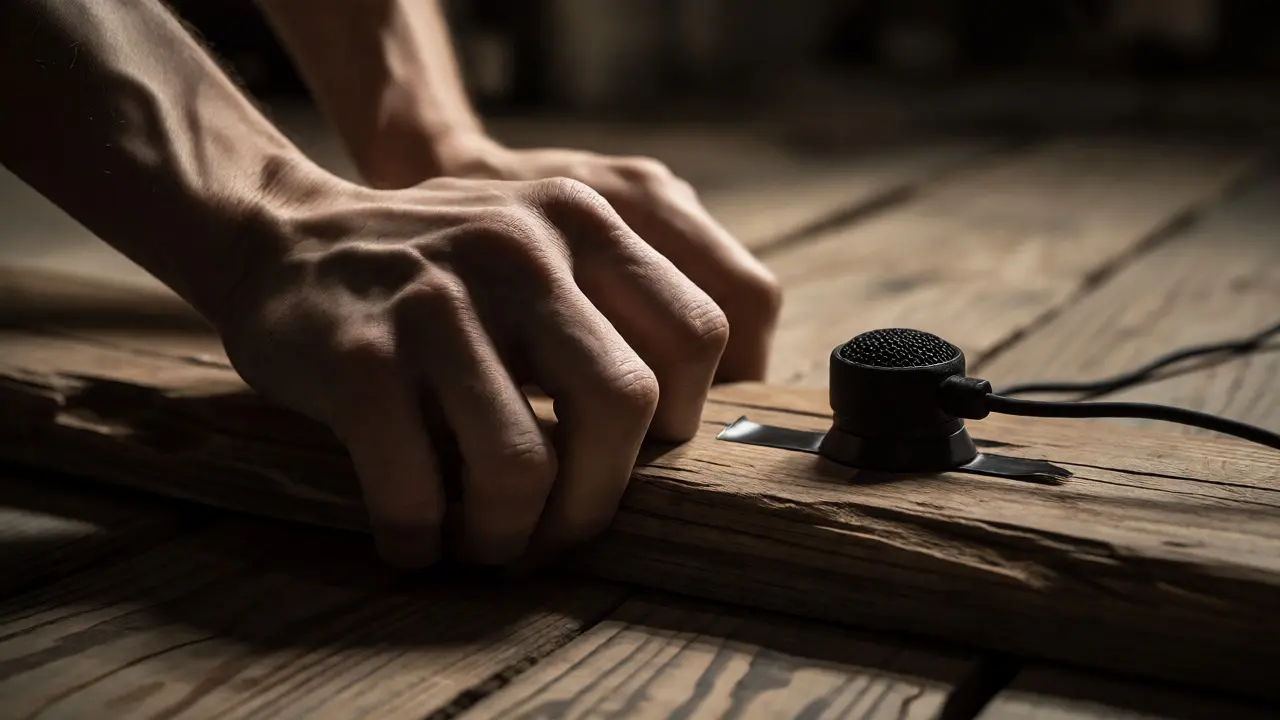
Use directional microphones to isolate specific sounds. If the artist is whispering, get a lavalier mic close to the source. If the piece involves stomping, place contact mics on the floor. Remember, silence is loud. Don’t be afraid to let the natural reverb of the space dictate the mix. In many cases, the echo in a concrete gallery says more about the isolation of the performer than any voiceover could.
| Approach | Best For | Key Challenge | Equipment Focus |
|---|---|---|---|
| Fixed Wide Shot | Archival records, large group performances | Lack of intimacy, flat visual interest | Tripod, wide-angle lens |
| Handheld Close-Up | Emotional intensity, chaotic movement | Motion sickness, focus issues | Gimbal, fast prime lens |
| Multi-Camera Edit | Narrative structure, complex staging | Synchronization, heavy post-production | Timecode sync, clapperboard |
| Single-Take Long Shot | Preserving real-time duration and endurance | Boring pacing, technical errors ruin everything | High-capacity storage, stable rig |
Editing: Cutting Time Without Losing Truth
This is where the magic happens, and also where you lie. Live performance has a real-time duration. If a piece lasts 45 minutes, the audience feels every minute. In film, you can compress time. But cutting too much destroys the sense of endurance, which is often central to the work.
Consider the concept of "temporal fidelity." Does the piece rely on the audience waiting? If yes, don’t cut the pauses. Keep the dead air. If the piece relies on rapid-fire actions, you can jump-cut to increase the pace. A good rule of thumb: cut on action, not on emotion. Let the performer finish a gesture before switching angles. Switching mid-gesture confuses the brain’s spatial mapping.
Color grading is another tool. Live lighting is often inconsistent. You might have harsh overhead fluorescents mixed with warm stage lights. In post-production, you can unify this, but be careful. Grading a gritty, underground basement performance to look like a clean white cube gallery erases the context. Sometimes, keeping the ugly color casts preserves the authenticity of the environment.
Legal and Ethical Considerations
You can’t just point a camera at anyone and sell the footage. Performance art often blurs the line between private expression and public spectacle. If you’re filming in a public park, you generally have rights to capture the scene. But if you’re filming inside a gallery or theater, you need permission.
More importantly, you need a release form signed by the performer. This isn’t just bureaucracy. It clarifies who owns the copyright. Is the video a derivative work owned by the filmmaker? Or is it a joint work? If the artist wants to destroy the video after seeing it, can they? Clarify these terms before the shoot starts. Many disputes arise years later when an artist becomes famous and realizes their early, awkward experiments are online forever.
Case Study: Learning from the Masters
Look at how Marina Abramović handled her retrospective at MoMA. She didn’t just film herself sitting in a chair. She allowed visitors to sit opposite her. The resulting videos are edited montages of hundreds of interactions. The editing choice here emphasizes the variety of human connection rather than the monotony of the act itself.
Contrast this with Bruce Nauman, who used video monitors in his installations. His films were designed to be viewed in loops, creating a sense of endless repetition. He understood that the medium of video allows for non-linear time. If you’re editing for online distribution, remember that attention spans are short. But don’t chop the work into TikTok snippets unless the original piece was fragmented to begin with.
Practical Checklist for Your Shoot
Before you pack your bag, run through this list. Missing one item can ruin the entire project.
- Backup Plan: Never rely on one card. Record to dual slots if possible. Carry extra batteries. Power outlets in galleries are notoriously unreliable.
- Audio Redundancy: Always record a backup track on a separate device (like a Zoom H5) directly from the mixer or lav mic. Camera audio is often noisy.
- Context Shots: Film the empty space before the performance starts. Film the audience entering. Film the exit. These B-roll shots are crucial for editing context.
- Lighting Test: Check your exposure 30 minutes before start time. Performers move; ensure they don’t step into a blown-out highlight zone.
- Communication Protocol: Agree on hand signals with the performer. Can they stop if a camera gets in the way? Can you pause if a phone rings?
The Future: VR and Immersive Capture
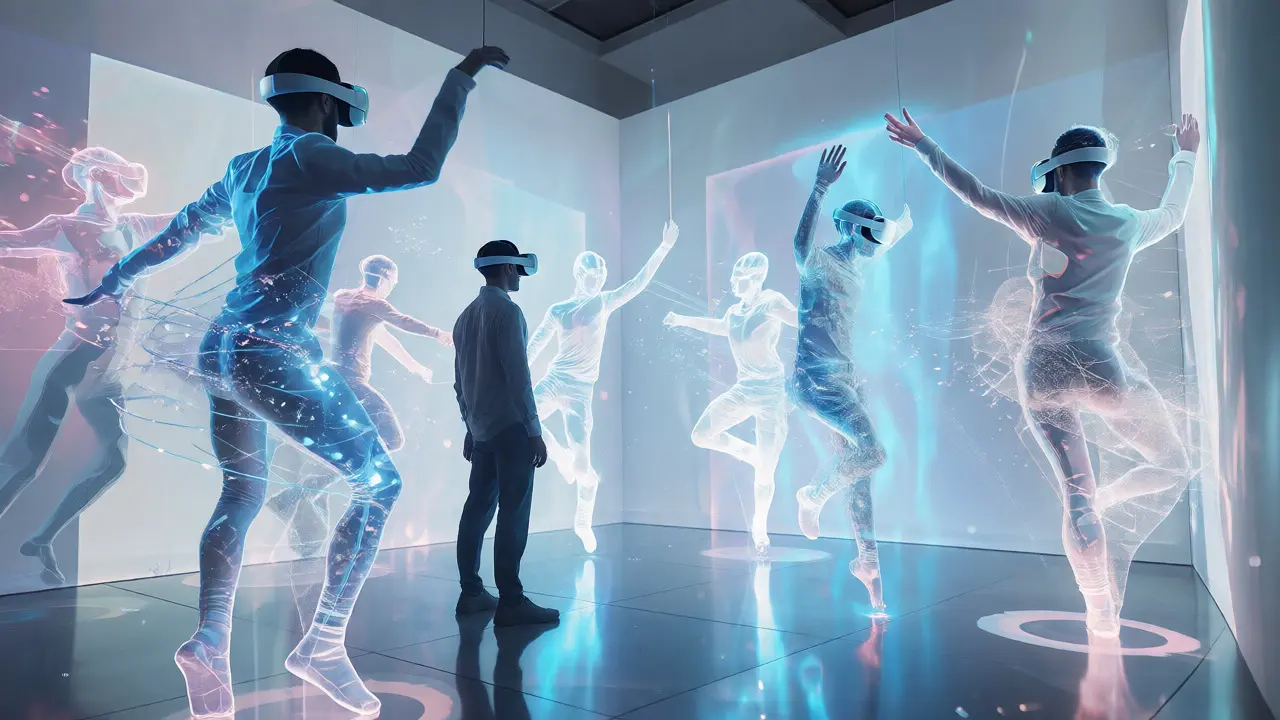
We’re moving beyond flat screens. Volumetric capture and 360-degree video offer new ways to preserve ephemeral works. Imagine putting on a headset and standing in the center of the performance, watching the artist circle around you. This restores some agency to the viewer-they choose where to look.
However, technology shouldn’t dictate the art. If a 360-degree view distracts from the emotional core of a piece, stick to a traditional frame. The best tool is the one that serves the narrative, not the newest gadget on the market. As AI-driven editing tools emerge, the ability to auto-sync multi-cam footage and clean up audio will lower the barrier to entry. But the eye behind the lens still needs to know what to look for.
Can I legally sell footage of a public street performance?
Generally, yes, if you are in a public space. However, if the performer is the primary subject and you use the footage for commercial advertising, you may need a model release. For artistic exhibition or news reporting, fair use doctrines often apply, but laws vary by jurisdiction. Always check local regulations.
What is the best camera setup for low-light performance spaces?
A mirrorless camera with a full-frame sensor and a fast prime lens (f/1.8 or faster) is ideal. Cameras like the Sony A7S series excel in low light due to their high ISO capabilities. Avoid zoom lenses with variable apertures, as they lose light when you zoom in.
How long should a performance art film be?
There is no standard length. Some pieces are captured in 5-minute loops, while others retain their full 90-minute duration. The length should match the intent of the original work. If the piece was about endurance, keep the full length. If it was about a specific gesture, edit to a concise 3-5 minutes.
Do I need insurance to film performance art?
If you are filming in a rented venue, the venue likely requires proof of liability insurance. Additionally, if you are handling expensive equipment in crowded spaces, equipment insurance protects against theft or damage. For professional projects, general liability insurance is highly recommended.
How do I handle copyright if I edit someone else's performance?
The underlying choreography or script is usually owned by the performer or their estate. Your footage is a new creative work. To avoid infringement, obtain a written license or release granting you the right to distribute and modify the footage. Without this, you risk takedowns or legal claims.


Comments(6)