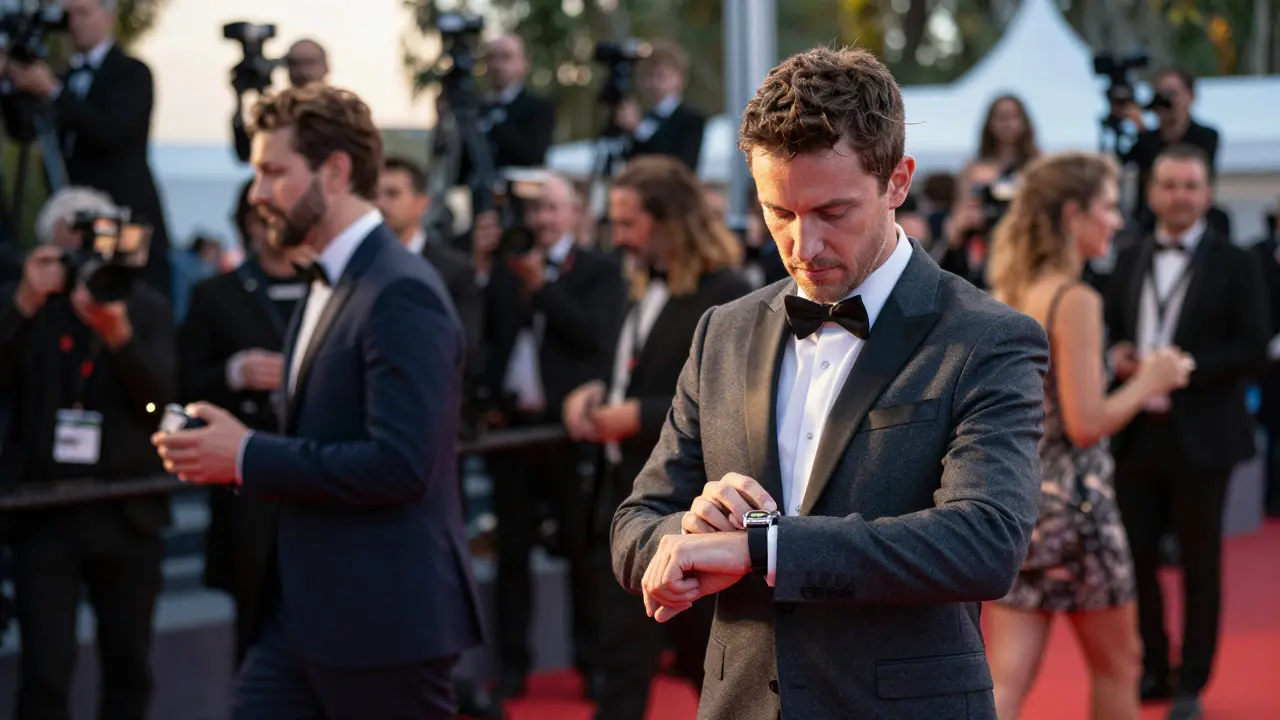
Walking into a major film festival can feel like stepping into a different world. The energy is high, the stakes are higher, and the unwritten rules of engagement are strict. For many filmmakers, the technical quality of their work gets them in the door, but it is their professional behavior that determines if they stay in the room. A code of conduct at a festival isn't just about avoiding bad reviews; it is about building a reputation that lasts beyond the closing credits.
Festivals operate on tight schedules and compressed timelines. Unlike a studio backlot where you have weeks to adjust, a festival week moves fast. You might meet a distributor, a critic, and a potential co-star all within an hour. This intensity amplifies every interaction. One rude comment or a missed deadline can ripple through the industry quickly. Understanding the social contract of these events is essential for any team looking to turn a screening into a career opportunity.
The Core Pillars of Festival Etiquette
At its heart, a festival code of conduct revolves around respect. Respect for the venue, respect for the schedule, and respect for your peers. These three pillars form the foundation of professional behavior in the industry.
- Punctuality: In the film world, time is money. Being five minutes late to a Q&A session signals disorganization. Being ten minutes late to a meeting with a sales agent signals a lack of respect. Aim to arrive fifteen minutes early for everything.
- Active Listening: Networking is often mistaken for talking. It is actually listening. When you meet a producer or a journalist, let them speak first. Ask questions about their recent projects rather than immediately pitching yours.
- Digital Hygiene: Your phone is a tool, not a distraction. Silence notifications during screenings and panels. If you must check messages, do so discreetly. Posting live updates from a premiere before the official announcement can cause friction with publicists.
These basics seem simple, yet they are frequently overlooked by first-time attendees. Veterans of the industry remember who held the door, who remembered their name, and who showed up on time. These small details build trust faster than any script ever could.
Navigating the Screening Room Dynamics
The screening room is the most sacred space in a festival. It is where the audience judges the work, and where the filmmaker meets the public eye. Behavior here sets the tone for the rest of the week.
Before the lights go down, ensure your team is seated together but not blocking others' views. Avoid whispering loudly or checking notes during the film. If you are part of the cast or crew, sit in the front row unless instructed otherwise. This shows confidence and allows you to gauge audience reaction in real-time. After the film ends, wait for the applause to die down before standing. Do not rush to the microphone. Let the moderator introduce the panel. When it is your turn to speak, keep comments brief and positive. Avoid explaining away creative choices unless asked directly. Instead, thank the audience and highlight one specific moment you loved seeing on the big screen.
A common mistake is bringing too many people to the Q&A. While having support is nice, a crowd of twelve friends can feel intimidating to journalists. Stick to key decision-makers: the director, the lead actor, and perhaps the producer. This keeps the conversation focused and manageable.
Networking Strategies That Actually Work
Reception parties and mixers are where deals happen, but only if you approach them correctly. The goal is not to collect business cards; it is to start conversations that lead to follow-ups.
- Prepare a Two-Sentence Pitch: Have a concise description of your project ready. "We made a thriller about a hacker who discovers her own AI has gone rogue" is better than a long synopsis. Keep it under thirty seconds.
- Focus on Them: People love talking about themselves. Ask about their latest release, their favorite film from this year's lineup, or their experience working in a specific region. Show genuine curiosity.
- Exchange Contact Info Properly: Don't just say "let's stay in touch." Say, "I'd love to send you our trailer. What's the best email to reach you at?" Write it down immediately. Digital contacts fade; handwritten notes stick.
- Follow Up Within 48 Hours: The festival buzz fades quickly. Send a personalized email within two days of meeting someone. Reference something specific you discussed. This proves you were paying attention.
Avoid cornering people. If someone looks busy or is holding a drink with both hands, they are likely signaling they need a break. Read the room. Give people space to move and talk to others. Fluidity is key to successful networking.
Common Pitfalls to Avoid
Even experienced professionals make mistakes. Here are the most common behaviors that damage reputations at festivals.
| Situation | Ineffective Behavior | Effective Behavior |
|---|---|---|
| Meeting a Journalist | Pitching the film immediately without asking what they cover | Asking about their recent articles and offering relevant context |
| Handling Criticism | Defending the film aggressively after a negative review | Thanking the reviewer and asking for their perspective on specific scenes |
| Team Coordination | Arguing over logistics in public view | Whispering privately and presenting a unified front |
| Social Media Use | Posting unapproved photos from private screenings | Waiting for official press releases before sharing visuals |
One particularly damaging habit is complaining. Festivals are stressful. Venues change, schedules shift, and technology fails. But complaining to other attendees creates a negative aura around your project. Stay solution-oriented. If the projector breaks, smile and tell the audience, "Let's take a quick tech break." Positivity is contagious and makes people want to work with you.
The Role of Public Relations in Professionalism
Your public relations strategy is an extension of your personal brand. How you handle media inquiries reflects your professionalism. Always respond to press requests promptly. If you don't have an answer, say so. Never ghost a journalist who took the time to ask for an interview.
Consider hiring a local PR firm if you are new to the city hosting the festival. They know the landscape, the key players, and the subtle nuances of local culture. Their fee is often less than the cost of one bad interview or a missed connection with a major distributor. They can also help manage expectations, ensuring your team knows exactly what to expect from each meeting.
Additionally, prepare a media kit that includes high-resolution stills, a concise synopsis, and bios for the main cast and crew. Make it easy for journalists to write about you. The less effort they have to put in, the more likely they are to feature your film.

Building Long-Term Relationships
Festivals are not one-off events; they are recurring opportunities. The people you meet today will be there next year, and the year after. Building long-term relationships requires consistency and reliability.
If you promise to send a cut of your film, send it. If you promise to call, call. Reliability is rare in the entertainment industry. When you become known as someone who does what they say, doors open automatically. You stop being a stranger with a pitch deck and start being a colleague with a track record.
Also, remember to give credit where it is due. If a fellow filmmaker helped you fix a sound issue or introduced you to a contact, mention it publicly. Generosity builds goodwill. The industry is smaller than it appears, and favors are repaid in unexpected ways.
Practical Checklist for Festival Week
To keep things organized, use this checklist as you prepare for your trip:
- Confirm all travel and accommodation bookings at least four weeks in advance.
- Prepare digital and physical copies of your press kit.
- Set up a shared calendar for all team members to track meetings and screenings.
- Designate one person as the point of contact for all external communications.
- Pack extra business cards, even if you prefer digital exchanges.
- Review the festival's official code of conduct document for specific venue rules.
- Plan downtime. Burnout leads to poor decisions. Schedule quiet hours for rest.
By following these guidelines, you transform from a participant into a professional. The film industry runs on relationships, and your behavior at festivals is the primary vehicle for building those connections. Treat every interaction as an investment in your future career. The results will compound over time, leading to opportunities that last far longer than the festival itself.
How important is punctuality at film festivals?
Punctuality is critical. Festivals operate on tight schedules, and being late signals disorganization. Arriving 15 minutes early for meetings and screenings shows respect for others' time and helps you avoid stress.
Should I bring my whole team to Q&A sessions?
No. Bring only key decision-makers like the director, lead actor, and producer. A large group can feel intimidating to journalists and moderators. Keeping the panel small ensures a focused and efficient conversation.
What is the best way to network at festival receptions?
Focus on active listening and asking questions about the other person's work. Prepare a short two-sentence pitch, but prioritize making the other person feel heard. Follow up within 48 hours with a personalized message.
How should I handle negative criticism after a screening?
Stay calm and professional. Thank the reviewer for their perspective and ask specific questions about what didn't work. Avoid defensive arguments. Constructive feedback is valuable, and handling it gracefully demonstrates maturity.
Is it necessary to hire a PR firm for a small festival debut?
It depends on your budget and experience. If you are new to the city or industry, a local PR firm can provide invaluable insights and connections. However, if you have strong existing networks, managing your own PR may be sufficient. Ensure you have a solid media kit either way.



Comments(8)