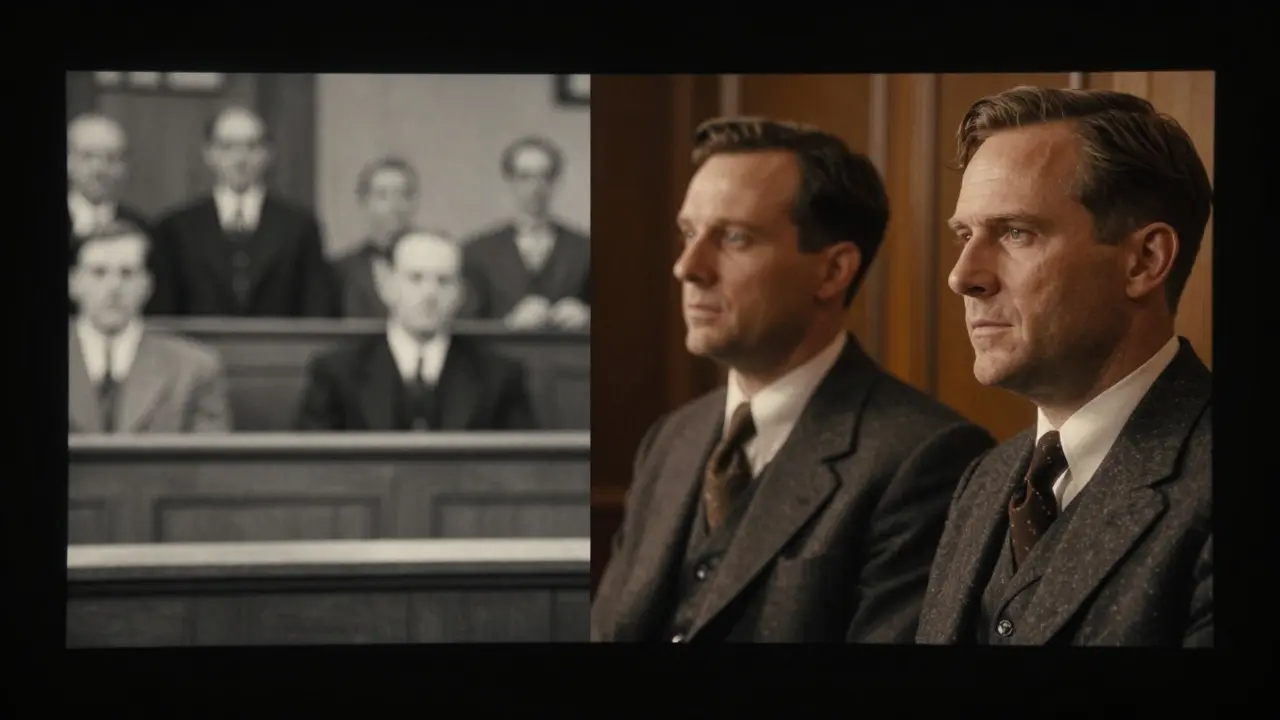
There is a moment in every documentary where the past becomes visible again. But when that visibility comes from actors in period costumes rather than archival footage, the line between truth and theater blurs. Documentary reenactment is the use of staged performances to depict historical events or testimonies within non-fiction filmmaking. It is not merely a stylistic choice; it is an ethical contract with the audience. If you break that contract, you don't just lose viewers-you lose credibility.
The core problem is simple: audiences assume documentaries show what actually happened. When they see a re-creation, they often forget it is constructed. This gap between expectation and reality is where ethical failures happen. The goal of this guide is to help you navigate that gap without sacrificing narrative power. You want to tell the story, but you also need to protect the integrity of the facts. That balance requires specific, actionable strategies, not just good intentions.
Defining the Ethical Boundary: Fact vs. Interpretation
Before you cast a single actor, you must define what you are claiming to show. Is this scene a literal reconstruction based on police reports? Or is it an emotional interpretation of a witness’s memory? The distinction matters because it dictates how much creative license you have. A literal reconstruction demands forensic precision. An interpretive piece allows for metaphor, but only if the audience understands the shift.
Factual accuracy is the degree to which a reenactment aligns with verified historical records, witness testimony, or physical evidence. In high-stakes subjects like war crimes or medical breakthroughs, even small inaccuracies can distort public understanding. For example, showing a wrong year’s uniform in a WWII documentary might seem minor, but to historians, it signals a lack of respect for the subject. Always cross-reference visual details with primary sources. If you cannot verify a detail, consider leaving it ambiguous rather than guessing.
Interpretation becomes dangerous when it replaces fact. If a survivor says, “I felt cold,” and you show them shivering in snow, that is interpretation. If you show them standing still while saying, “It was freezing,” that is fact. The first invites empathy; the second demands proof. Your job is to know which one you are serving in each scene.
Visual Cues: Telling the Audience What They Are Seeing
The most common ethical failure is invisibility. If the audience doesn’t realize they are watching a reenactment, they may treat it as raw footage. You need clear, consistent visual cues that signal the shift from archive to performance. These cues should be subtle enough to maintain immersion but obvious enough to prevent confusion.
- Color Grading: Use distinct color palettes. Archival footage might be desaturated or grainy, while reenactments could feature warmer tones or higher contrast. This creates a subconscious boundary.
- Aspect Ratio: Switching from 4:3 (common in older archives) to 16:9 for modern reenactments helps distinguish time periods and media types.
- Text Overlays: Simple labels like “Reconstruction” or “Based on Testimony” at the start of a sequence remove ambiguity. Don’t hide these labels; make them part of the aesthetic.
- Lighting Style: Naturalistic lighting for interviews and controlled, dramatic lighting for reenactments can signal the change in mode.
Consistency is key. If you use a specific font for your labels, keep it the same throughout the film. If you choose a particular color grade for all staged scenes, apply it uniformly. Inconsistency confuses the viewer and weakens the ethical framework.
Casting and Performance: Avoiding Stereotypes
Who you cast and how they perform shapes the moral weight of the reenactment. Historical figures deserve representation that honors their complexity, not caricature. Casting decisions should prioritize authenticity over star power. If the subject is from a specific cultural background, consult community members during casting. This isn’t just about political correctness; it’s about avoiding inadvertent bias that distorts history.
Performance direction is the process of guiding actors to embody historical behaviors, speech patterns, and emotional states accurately. Actors often bring modern mannerisms to historical roles. Direct them to research body language, dialect, and social norms of the era. A character from the 1950s shouldn’t gesture like a 2020s influencer unless the point is to highlight the contrast.
Avoid melodrama. Real history is often quieter than fiction. Exaggerated emotions can feel manipulative, especially in tragic contexts. Let the facts speak through restrained performance. The audience will project their own emotions onto the screen, so you don’t need to force the reaction.
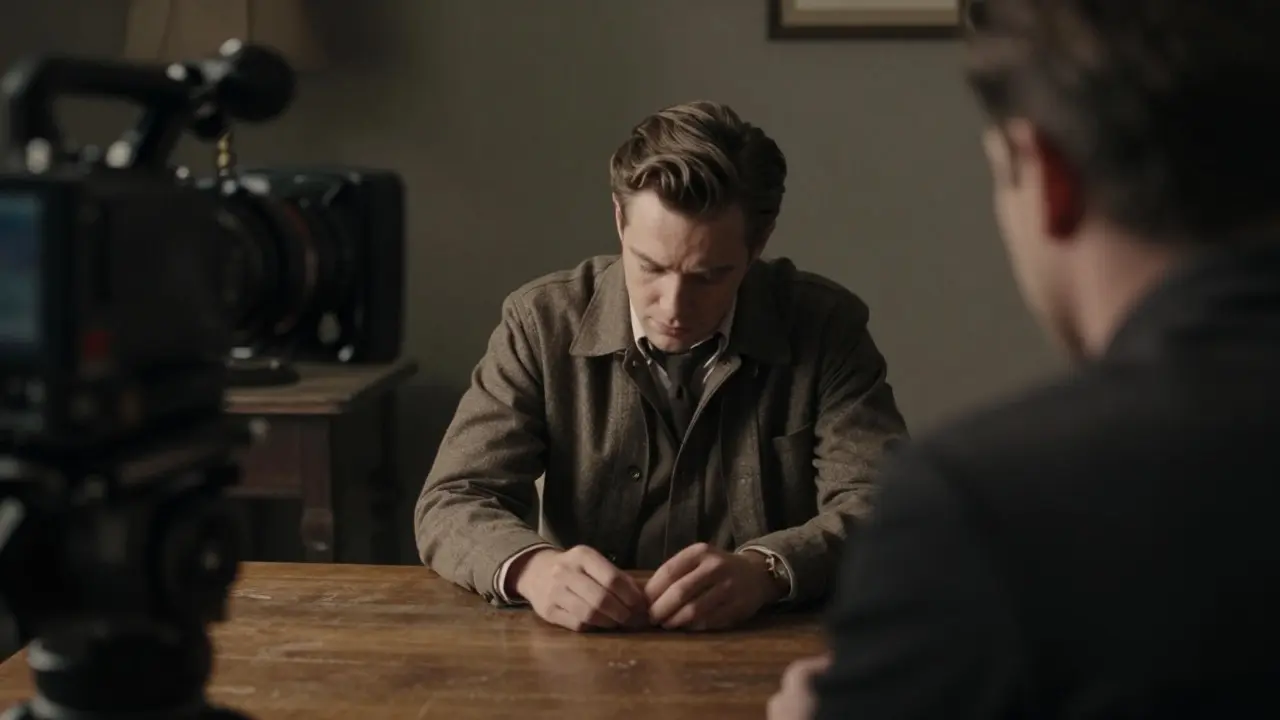
Legal and Permission Considerations
Ethics and law often overlap. Before filming, secure permissions from rights holders of any archival material you are juxtaposing with reenactments. If you are depicting living individuals, ensure you have released forms that specifically cover staged depictions. Some people consent to being interviewed but object to seeing themselves acted out by others.
For deceased subjects, check estate rights and family consent. While not always legally required, it is ethically prudent to notify next of kin. This shows respect and reduces the risk of post-release backlash. Keep a detailed log of all permissions obtained. If a dispute arises later, this documentation is your defense.
Case Studies: Successes and Failures
Looking at existing films reveals what works and what doesn’t. One successful approach comes from a recent documentary on a civil rights trial. The filmmakers used black-and-white footage for actual court recordings and color for the courtroom drama. They added a small text box in the corner reading “Staged Scene” whenever the color appeared. Audiences praised the clarity, and critics noted the respectful handling of sensitive testimony.
In contrast, another film about a celebrity scandal used highly dramatized scenes without clear labels. Viewers assumed the arguments were real audio recorded secretly. When the truth came out, the film faced accusations of fabrication. The lesson? If the audience thinks it’s real, you’ve lost control of the narrative. Clear labeling prevents this misinterpretation.
| Strategy | Ethical Benefit | Risk if Ignored |
|---|---|---|
| Clear Text Labels | Removes ambiguity about source | Audience assumes footage is real |
| Distinct Color Grading | Creates visual separation from archive | Blending of fact and fiction |
| Community Consultation | Reduces cultural bias | Stereotypical or offensive portrayals |
| Permission Logs | Legal protection and respect | Lawsuits or public backlash |

Building Trust with Your Audience
Trust is earned before the first frame rolls. Start by establishing your methodology early in the film. A brief narrator statement explaining how you approached the reenactments sets the tone. Tell the audience, “These scenes are based on police reports and witness statements.” This transparency builds confidence. When viewers know you are careful, they are more forgiving of minor artistic liberties.
Engage with your audience after release. Social media comments often reveal whether people understood the distinction. If many commenters think a scene was real, review your visual cues. Adjust future projects accordingly. Feedback loops are essential for improving ethical standards in the industry.
Frequently Asked Questions
Do all reenactments need to be labeled?
Yes, if there is any chance the audience might mistake the scene for archival footage. Even if the style is clearly different, a brief label ensures no one is confused. Consistency across the film is more important than the length of the label.
How do I handle missing historical details?
Avoid guessing. If a detail is unknown, leave it neutral or use a wide shot that doesn’t require specific props. Alternatively, use a voiceover to explain the uncertainty. Honesty about gaps is better than fabricating plausible-looking details.
Is it ethical to reenact private conversations?
Only if you have strong evidence of what was said, such as letters, diaries, or multiple corroborating witnesses. If the conversation is speculative, label it as “Imagined” or “Hypothetical.” Private moments are sensitive, so extra care is needed to avoid invasion of privacy.
What if the subject objects to the reenactment?
Listen to their concerns. Often, objections stem from feeling misrepresented. Show them the draft scene and ask for feedback. If they remain opposed, consider removing the scene or changing it to a voiceover. Respecting the subject’s view strengthens the film’s ethical standing.
How long should reenactment sequences be?
Keep them concise. Long stretches of staged drama can overwhelm the documentary format. Use short bursts to illustrate key points, then return to interviews or archive. The reenactment should support the argument, not replace it.






Comments(8)