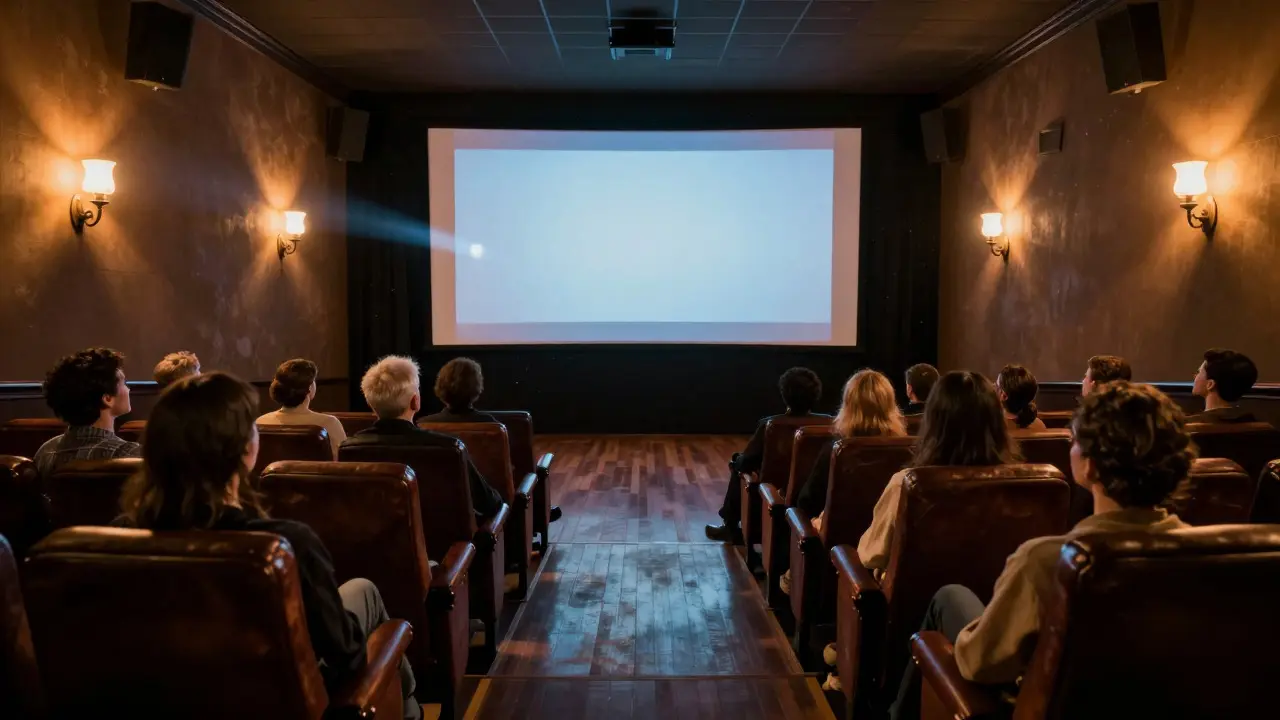
Most independent filmmakers assume that getting their movie into a theater is a binary choice: either you land a deal with a major distributor like A24 or Neon, or you don't screen at all. That’s a costly mistake. In the current landscape, the real power lies not in the national release but in the regional routes managed by niche theatrical bookers. These are the unsung heroes who can turn a modest budget film into a cultural event in specific cities, building the word-of-mouth momentum that actually sells rights later.
If you are an indie producer or director looking to maximize your film's lifespan, understanding how these specialized bookers operate is critical. They don't just fill seats; they curate experiences. By targeting the right geographic pockets and partnering with the right specialists, you can bypass the saturated national market and find an audience that is hungry for fresh, unique content.
The Role of Niche Theatrical Bookers in Modern Distribution
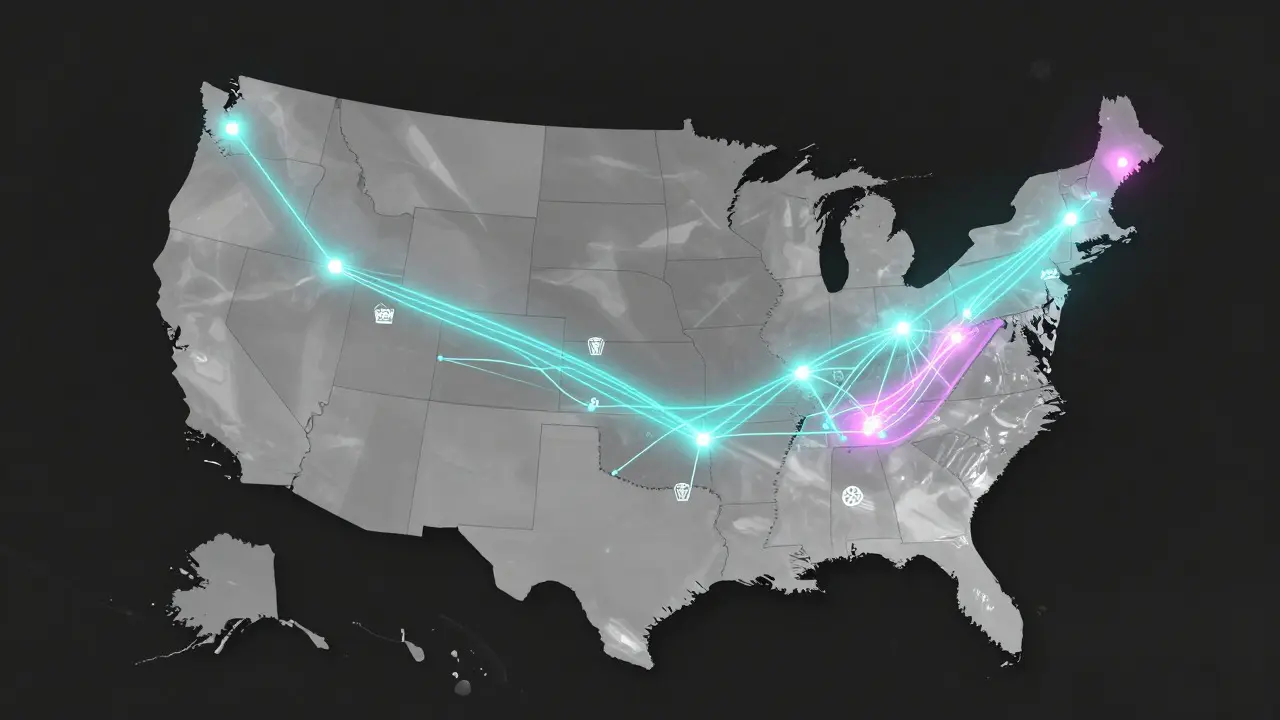
Niche theatrical bookers are specialized agents or companies that secure screening slots for independent films in non-mainstream cinemas, focusing on specific demographics or geographic regions rather than broad national coverage. Unlike traditional distributors who prioritize wide releases, these bookers understand the micro-economics of local audiences. They know which neighborhoods in Chicago, New York, or Los Angeles have high foot traffic for arthouse content. They also know which suburban areas in states like Colorado or Washington have strong community engagement for festival winners.
These bookers often work directly with independent producers or smaller sales agents. Their expertise lies in matching the film's tone to the theater's brand. For example, a documentary about urban decay might perform poorly in a wealthy suburb but thrive in a downtown art house. A niche booker identifies this mismatch before it becomes a financial loss. They negotiate terms that favor the filmmaker, such as higher percentage splits for limited runs or flexible scheduling around local events.
Why Regional Routes Outperform National Releases for Indies
The economics of theatrical exhibition have shifted dramatically. The cost of marketing a national release is prohibitive for most indie budgets. Instead, a focused regional strategy allows you to concentrate your resources where they matter most. When you target a specific region, you can tailor your publicity efforts to local media, influencers, and community groups. This creates a sense of exclusivity and urgency that drives ticket sales more effectively than generic national ads.
Consider the case of a low-budget drama that screened in only five cities across the Pacific Northwest. By working with a niche booker who understood the local film community, the film achieved 85% occupancy rates during its run. This data point became a powerful asset when negotiating streaming rights. Buyers wanted to know why the film resonated so deeply in that specific area. The answer was clear: targeted curation and community engagement. This is the core value proposition of regional routing.
| Strategy Aspect | National Release (Major Distributor) | Regional Route (Niche Booker) |
|---|---|---|
| Marketing Cost | High ($100k+ per city) | Low ($5k-$15k per city) |
| Audience Targeting | Broad/Demographic | Specific/Niche Community |
| Theater Partner Type | Multiplex Chains | Art House/Independent Cinemas |
| Revenue Share | Standard (50/50 or worse) | Negotiable (Often 60/40 to Filmmaker) |
| Data Value for Future Sales | Low (Diluted metrics) | High (Concentrated engagement data) |
Identifying the Right Theatrical Partners
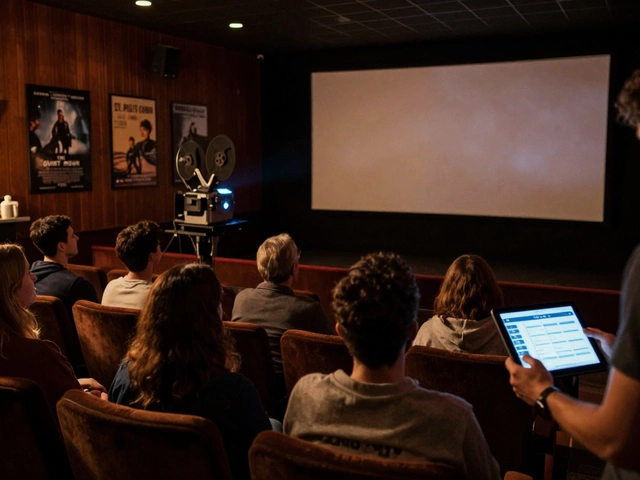
Not all independent theaters are created equal. To build a successful regional route, you need to identify venues that align with your film's aesthetic and audience profile. Look for theaters that host regular programming events, such as director Q&As, themed nights, or industry showcases. These venues attract engaged viewers who are willing to pay premium prices for curated experiences.
In cities like Asheville, where I live, the local scene is a prime example of effective regional routing. The presence of established art houses means there is a ready-made infrastructure for independent screenings. Bookers here understand the balance between tourist traffic and local loyalists. Similarly, in hubs like Austin or Portland, the festival culture year-round provides multiple entry points for new titles. You need to map out these hubs and determine which ones fit your film's narrative.
- Urban Art Houses: Best for visually driven or critically acclaimed dramas. High rent, but high prestige.
- Suburban Multiplexes with Indie Screens: Good for genre films with broader appeal. Lower risk, moderate reward.
- Community Theaters: Ideal for documentaries or local stories. Low cost, high community buy-in.
- Festival Venues: Temporary but high-impact. Great for launching buzz before a wider regional run.
Building a Compelling Pitch for Bookers
When approaching a niche theatrical booker, your pitch needs to be concise and data-driven. They receive hundreds of submissions a month. Your package should include a high-quality trailer, a one-page synopsis, and, crucially, evidence of audience interest. Have you had a strong showing at a recent festival? Do you have a social media following in the target region? Provide concrete numbers. If your film generated $5,000 in pre-sales online, mention it. If it won an award at a respected festival, highlight it.
Bookers want to know that the film will sell tickets without requiring massive ad spend. Emphasize any existing community connections. If your cast includes local talent from the target city, make that explicit. It reduces their perceived risk. Additionally, offer flexibility. Be open to shorter runs if the initial response is slow. Show that you are a partner, not just a vendor trying to dump inventory.

Leveraging Data for Post-Theatrical Strategy
The theatrical run is not the end; it's the beginning of your next sales cycle. The data collected from your regional routes is gold. Track attendance by day, time, and location. Identify which screenings sold out and which struggled. This granularity helps you understand exactly who your core audience is. When you approach streaming platforms or international sales agents, present this data. Show them that your film has a dedicated fanbase in specific regions. This makes your film less risky for buyers who are looking for content with proven engagement.
Furthermore, use the theatrical period to generate press. Invite local critics to every screening in each city. Build relationships with journalists who cover arts and culture in those regions. Positive reviews in local papers can extend the life of your theatrical run and create a lasting digital footprint. This organic marketing is far more cost-effective than paid campaigns and builds credibility that lasts well beyond the final curtain call.
Common Pitfalls to Avoid
Many filmmakers make the mistake of overextending their regional routes. Trying to launch in ten cities simultaneously can dilute your marketing efforts and stretch your team thin. Start with two or three key cities. Master those markets before expanding. Another common error is ignoring the technical requirements of different theaters. Some venues require specific aspect ratios or audio formats. Ensure your DCP (Digital Cinema Package) is optimized for the screens you are targeting to avoid last-minute technical issues that could ruin a premiere.
Finally, don't neglect the post-screening experience. Arrange Q&As or meet-and-greets with the director or cast. These interactions transform passive viewers into active fans. They are the ones who will share your film on social media, write reviews, and recommend it to friends. This grassroots momentum is what turns a good theatrical run into a great career boost for your entire project.
What is the average cost of hiring a niche theatrical booker?
Costs vary widely, but most niche bookers charge a commission of 10-20% of box office revenue or a flat fee ranging from $5,000 to $15,000 per city. Some may offer hybrid models. Always clarify payment terms upfront to avoid surprises.
How many cities should I target for my first regional release?
Start with 2-3 cities. This allows you to test the market, refine your marketing strategy, and manage logistics effectively. Expanding too quickly can lead to burnout and diluted impact. Focus on quality over quantity in your initial rollout.
Do I need a sales agent to hire a theatrical booker?
No, you do not necessarily need a sales agent. Many niche bookers work directly with producers. However, having a sales agent can add credibility and help coordinate international sales alongside domestic theatrical releases. It depends on your film's profile and budget.
What type of films benefit most from regional routes?
Films with strong local connections, distinct visual styles, or niche subject matters benefit most. Documentaries, foreign language films, and genre pieces that don't fit mainstream multiplex schedules are ideal candidates for regional routing.
How long should a typical regional theatrical run last?
A standard run is 1-2 weeks per city. If attendance drops below 50% capacity after the first weekend, consider shortening the run. Conversely, if demand is high, extend the run or add additional showtimes. Flexibility is key to maximizing revenue.