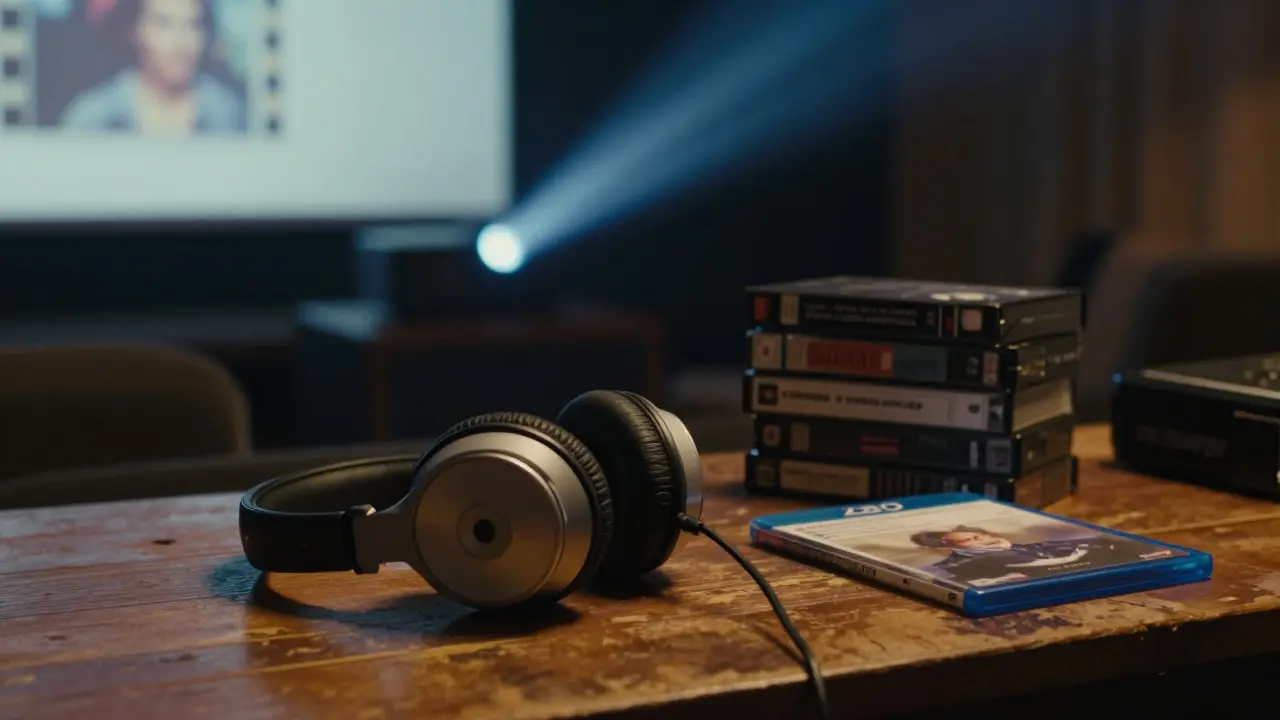
You know that feeling when a mainstream blockbuster leaves you cold, but a forgotten 1974 Italian giallo or a low-budget found-footage horror from 2018 keeps you up at night? That’s the niche. And if you’re hungry for more of it, the internet is overflowing with voices that care just as much as you do. But finding them can be a needle in a haystack. This guide cuts through the noise to point you toward the specific niche film podcasts and YouTube channels that actually dig deep, rather than just reciting plot summaries.
Why Niche Cinema Deserves Its Own Corner
Niche Cinema is a category of filmmaking that targets specific subcultures, genres, or aesthetic movements often ignored by major studios. Unlike blockbusters designed for mass appeal, these films rely on word-of-mouth and dedicated communities to survive. The problem? Algorithms on streaming platforms often bury these titles because they don’t generate immediate ad revenue. This is where specialized media comes in. These creators act as curators, filtering thousands of hours of footage to find the gems worth your time. They provide context, historical background, and critical analysis that mainstream reviews rarely touch.
Think of it like this: mainstream film criticism is like a food critic reviewing the menu at a high-end restaurant. Niche film media is the local blog that tells you about the hole-in-the-wall taco truck three blocks away that has been serving the best al pastor in the city for twenty years. You need both, but one gives you the depth the other misses.
Top Podcasts for Deep Dives and History
If you prefer listening while commuting or working out, podcasts are the way to go. Here are three that stand out for their consistency and depth:
- The Reel Talk: Hosted by two former film students who now work in marketing, this show focuses on "B-movies" and direct-to-video releases from the 1980s and 90s. They don’t just review the movie; they break down the production budget, the distribution deals, and why the film failed (or succeeded) commercially. It’s part entertainment, part business case study.
- Celluloid Dreams: This channel specializes in international arthouse cinema. If you’ve ever wanted to watch a French New Wave film but didn’t know where to start, this is your roadmap. Each episode picks one director and traces their influence on modern independent filmmaking. Expect long-form discussions that last over an hour, perfect for learning the language of cinema.
- Genre Benders: As the name suggests, this podcast explores films that defy easy categorization. Think sci-fi westerns, musical horror, or documentary comedies. The hosts use a structured framework to analyze how genre blending affects audience reception. It’s great for writers and directors looking for inspiration on how to mix tones effectively.
YouTube Channels That Visualize the Argument
Podcasts are great, but sometimes you need to see the frame. Video essays allow creators to dissect editing patterns, color grading, and camera movement in real-time. These three channels excel at visual storytelling:
- Frame by Frame Analysis: Run by a retired film editor, this channel breaks down single scenes from cult classics. For example, a recent video analyzed the jump-scare mechanics in *The Ring* versus *Hereditary*, showing exactly how sound design and cut timing create fear. The videos are short (15-20 minutes) but packed with technical insight.
- The Underground Reel: This channel focuses exclusively on home video transfers and restoration efforts. They track down rare VHS tapes, digitize them, and compare the original release to the current Blu-ray version. It’s a treasure trove for collectors and those interested in film preservation history.
- Cinephile Corner: A duo of graduate students who produce weekly recommendations based on specific moods or themes. Their format is simple: they pick three films that fit a theme (e.g., "Isolation in Urban Settings") and explain why each works. No fluff, no ads, just straight-to-point recommendations.

How to Choose What Fits Your Taste
Not every niche creator will click with you. Some focus heavily on theory, while others prioritize fun and accessibility. To help you narrow it down, consider what you want to get out of the experience. Do you want to learn technical skills? Or do you just want to feel good about discovering a new favorite film?
| Outlet Name | Format | Primary Focus | Best For |
|---|---|---|---|
| The Reel Talk | Podcast | B-Movies & Business | Film industry insiders & historians |
| Celluloid Dreams | Podcast | International Arthouse | Students & serious cinephiles |
| Frame by Frame Analysis | YouTube | Technical Breakdowns | Aspiring editors & directors |
| The Underground Reel | YouTube | Restoration & Preservation | Collectors & physical media fans |
| Cinephile Corner | YouTube | Mood-Based Recs | Casual viewers seeking variety |
Notice how the "Best For" column varies significantly. If you’re a filmmaker trying to understand pacing, Frame by Frame Analysis is your best bet. If you’re a student writing a thesis on global cinema trends, Celluloid Dreams provides the academic backing you need without being dry. Matching the outlet to your goal saves you from wasting time on content that doesn’t serve your purpose.
Building Your Own Curation List
Once you’ve subscribed to a few of these, you might notice gaps. Maybe there’s a specific country’s cinema you love but none of these channels cover it well. That’s where community engagement comes in. Most of these creators have active Discord servers or comment sections where regulars share hidden gems. Don’t be shy about asking questions. The niche film community is generally welcoming to newcomers, especially if you show genuine interest rather than just seeking validation.
Also, keep an eye on festival announcements. Many niche filmmakers debut their work at smaller festivals before hitting streaming platforms. Following the official accounts of festivals like Sundance, TIFF, or even regional ones in your area can give you early access to trailers and interviews that big media outlets miss.
Avoiding Common Pitfalls
One mistake new niche film fans make is treating every recommendation as gospel. Just because a podcaster loves a film doesn’t mean it’s for you. Taste is subjective. Use these creators as starting points, not final authorities. Another pitfall is falling into the trap of "completionism." Trying to watch every film mentioned in a series can lead to burnout. Pick the ones that spark curiosity and ignore the rest for now. You can always come back later.
Finally, be mindful of copyright issues. While most of these channels operate legally, some may use clips that are technically in the gray area. Supporting them by buying merchandise or donating via Patreon helps ensure they stay online and continue producing content.
Staying Current in a Changing Landscape
The film landscape shifts quickly. New streaming services launch, old ones shut down, and algorithms change. What was a hard-to-find gem in 2024 might be widely available in 2026. This is why following multiple sources is crucial. If one channel goes quiet, another likely picks up the slack. Diversifying your information diet ensures you never run out of things to watch.
Moreover, the rise of AI-generated summaries and automated reviews means human curation becomes more valuable, not less. We crave the personal touch, the opinionated take, the story behind the screen. These niche creators provide exactly that. They turn watching movies from a passive activity into an engaging conversation.
Next Steps for Your Film Journey
Start small. Pick one podcast and one YouTube channel from the lists above. Listen to one episode and watch one video this week. Take notes on what resonates with you. Did you enjoy the tone? Was the analysis too technical? Too simple? Adjust accordingly. Over the next month, expand your list by adding one new source per week. Within a few months, you’ll have a personalized feed that feels tailored specifically to your tastes.
Remember, the goal isn’t to become an expert overnight. It’s to deepen your appreciation for the art form and connect with others who share that passion. The niche film world is vast, but it’s also intimate. By supporting these creators, you’re helping keep the conversation alive for the next generation of cinephiles.
Are niche film podcasts free to listen to?
Most are free via standard podcast apps like Apple Podcasts or Spotify. However, many offer premium tiers on Patreon for bonus episodes, early access, or ad-free listening. Check the description box of each show for details.
Do I need to own physical media to follow these channels?
No, but it helps. Channels like The Underground Reel discuss physical copies extensively, so owning Blu-rays or DVDs allows you to verify their points. However, you can still enjoy the commentary using digital streaming versions.
How often do these channels update their content?
It varies. Podcasts typically release weekly or bi-weekly. YouTube channels might post once a week or twice a month depending on the production effort required. Consistency is more important than frequency for building trust with an audience.
Can I suggest films to these creators?
Yes, almost all of them welcome suggestions via email or social media. However, be prepared for rejection. Curators only choose films that fit their specific editorial angle. A polite suggestion with a brief reason why it fits their theme increases your chances.
What is the difference between a video essay and a traditional review?
A traditional review evaluates quality and recommends whether to watch. A video essay uses the film as a text to explore broader themes, techniques, or cultural impacts. Essays are longer, more analytical, and often argue a specific point rather than just giving a score.