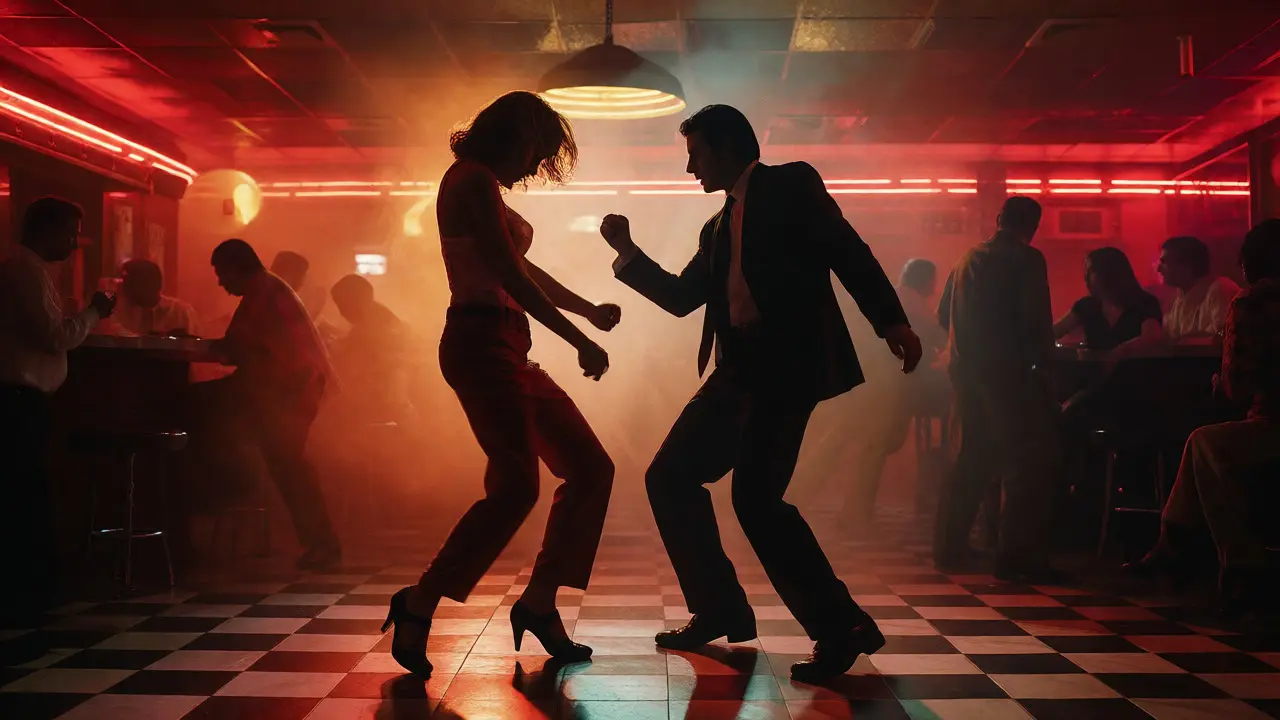
You know that feeling when a character walks into a bar, the lights dim, and suddenly "Staying Alive" by the Bee Gees hits the speakers? Or maybe it’s the moment in Pulp Fiction when John Travolta starts dancing to Chuck Berry. These aren’t just background noises; they are narrative devices. A needle drop-the intentional use of pre-existing recorded music in a film-is one of the most powerful tools in a director’s arsenal. It can change the tone of a scene from serious to absurd, reveal a character’s inner thoughts without dialogue, or anchor a story in a specific time and place.
But why do these choices stick with us decades later? Why does hearing "Bohemian Rhapsody" instantly transport you back to Wayne’s World? It’s because a great needle drop creates an emotional shortcut. It bypasses your logical brain and hits your memory and feelings directly. Let’s break down what makes these song choices work, how directors select them, and which ones have become inseparable from their movies.
The Psychology Behind the Perfect Needle Drop
A needle drop works because of sonic association. When you hear a song, your brain doesn't just process melody and lyrics; it retrieves the context where you first heard it or the cultural weight it carries. Directors exploit this. If a villain enters while "My Way" plays, we assume he sees himself as a lone wolf who did things his way. We don't need exposition; the song tells us everything.
This technique relies on three psychological triggers:
- Nostalgia: Using music from a past era instantly dates the scene and evokes a shared cultural memory.
- Ironic Contrast: Playing upbeat pop music over a violent or tragic scene creates cognitive dissonance, making the violence feel more shocking or surreal.
- Character Insight: The music a character listens to reveals their personality, taste, and social status faster than any monologue could.
Take Guardians of the Galaxy. The protagonist, Peter Quill, carries a mixtape called "Awesome Mix Vol. 1." Every time he plays a track like "Come and Get Your Love", we aren't just hearing Redbone; we're connecting with his grief for his mother and his isolation in space. The music is diegetic (heard by the characters) and non-diegetic (for the audience) simultaneously, bridging the gap between the viewer and the hero.
Anatomy of Iconic Cinematic Songs
Not every popular song becomes a movie classic. The ones that do share specific traits. They usually align perfectly with the visual rhythm of the edit. Editors often cut scenes to the beat of the track before the final sound mix. This synchronization creates a visceral reaction in the audience. You literally feel the cut in your chest.
| Film | Song | Artist | Function in Scene |
|---|---|---|---|
| Pulp Fiction | "Misirlou" | Dick Dale | Establishes cool, retro surf-rock energy immediately. |
| Trainspotting | "Lust for Life" | Iggy Pop | Highlights the manic, drug-fueled sprint through Edinburgh. |
| Whiplash | "Caravan" | Duke Ellington | Showcases technical mastery and intense psychological pressure. |
| O Brother, Where Art Thou? | "I'll Fly Away" | Alison Krauss & Gillian Welch | Provides spiritual closure and historical authenticity. |
Notice the variety here. From surf rock to punk to jazz to folk. The genre matters less than the fit. In Trainspotting, Iggy Pop’s raw energy matches Renton’s physical state during his escape. In Whiplash, the complex structure of "Caravan" mirrors the mental gymnastics required to keep up with Fletcher’s demands. The song isn't decoration; it's part of the action.
Diegetic vs. Non-Diegetic: Who Hears the Music?
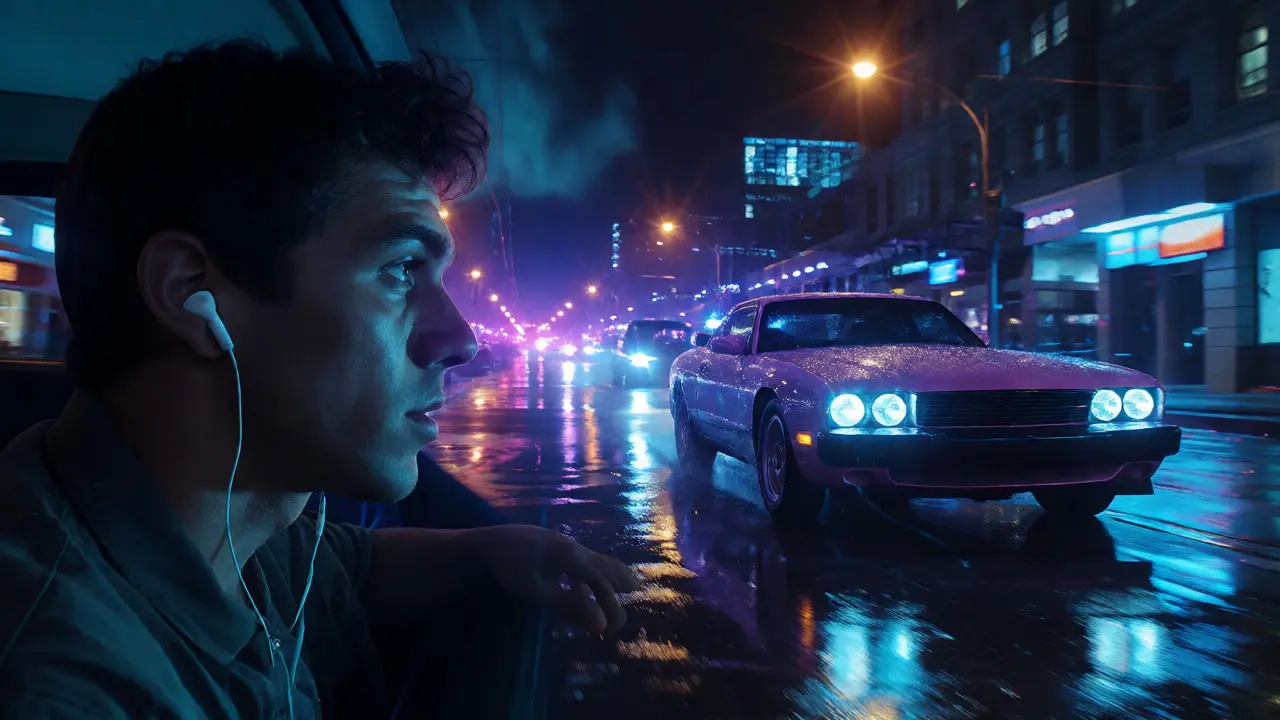
To understand why some needle drops fail and others soar, you need to grasp the difference between diegetic and non-diegetic sound. Diegetic music is music that exists within the world of the film. Characters can hear it. It comes from a radio, a jukebox, a band playing in the corner, or headphones. Non-diegetic music is the score or soundtrack added for the audience's benefit only. Characters cannot hear it.
The magic happens when directors blur these lines. Consider the opening of Baby Driver. The protagonist wears earbuds, so we hear exactly what he hears. But the editing syncs the car chases and gunshots to the beat of "Bellbottoms" by Jon Spencer Blues Explosion. For a moment, the diegetic world and the non-diegetic audience experience merge. This technique requires precise timing. If the audio drifts even slightly off-sync, the illusion breaks, and the audience notices the artifice.
Conversely, bad needle drops often occur when non-diegetic music feels forced. If a sad scene is accompanied by a generic piano track that has nothing to do with the character's actual experience, it feels manipulative rather than emotional. Great films earn their music cues by grounding them in reality or by using them to subvert expectations.
Licensing Nightmares and Creative Workarounds
Behind every iconic song choice is a mountain of paperwork. Licensing rights for popular music are expensive and complex. There are two main types of licenses needed: the master use license (from the record label) and the synchronization license (from the publisher). Sometimes, these costs are prohibitive.
This constraint often breeds creativity. Quentin Tarantino famously struggled to get rights to certain songs for Pulp Fiction. He wanted "Gimme Shelter" by The Rolling Stones but couldn't afford it initially, leading him to explore other tracks that ultimately defined the film's identity. Similarly, Wes Anderson frequently uses obscure French pop or classical pieces not just for aesthetic reasons, but because they were affordable and available. The Royal Tenenbaums features Nico's "These Days", a track that was relatively cheap to license at the time but became iconic because of its melancholic fit with the film's quirky sadness.
Directors also sometimes commission new bands to write songs in the style of older hits. This avoids licensing fees and gives the composer control. However, audiences can usually tell if a song is "fake vintage." Authenticity matters. When Stranger Things used Kate Bush's "Running Up That Hill" in 2022, it wasn't just a throwback; it was a genuine revival driven by the show's massive popularity, proving that legacy artists can still dominate modern charts through cinema and TV.
How Directors Choose the Right Track
So, how does a director pick the perfect song? It’s rarely random. Most directors start with a playlist. Before shooting begins, they might create a "temp track"-a placeholder song used during editing to set the mood. Sometimes, the temp track stays. Other times, the search continues.
Here are common strategies filmmakers use:
- The Literal Match: The lyrics describe exactly what is happening on screen. Example: "Born to Run" playing during a chase scene.
- The Ironic Counterpoint: The song contrasts sharply with the visuals. Example: "What a Wonderful World" playing over footage of war destruction in Good Morning, Vietnam.
- The Period Anchor: The song establishes the year or decade. Example: Using "Superstar" by Jesus Christ Superstar cast recordings to signal the early 70s vibe in Almost Famous.
- The Character Theme: A recurring song associated with a specific person. Think of "You Never Can Tell" whenever Vincent Vega and Mia Wallace dance.
Music supervisors play a crucial role here. They act as detectives, digging through archives to find tracks that match the director's vision and budget. They negotiate deals and ensure legal clearance. Without skilled music supervision, many of today's favorite cinematic moments wouldn't exist.
The Impact on Culture and Careers
A successful needle drop can revive a career or launch a new one. When Top Gun: Maverick featured Lady Gaga's "Hold My Hand," it was expected. But when Barbie included Billie Eilish's "What Was I Made For?," it won an Academy Award. The synergy between film marketing and music release schedules is tight now. Studios often plan single releases to coincide with trailer drops.
For artists, being featured in a major film is a goldmine. Streaming numbers spike dramatically. After Black Panther, Kendrick Lamar's album saw renewed interest. After La La Land, the jazz standards featured in the film entered mainstream playlists again. It’s a symbiotic relationship: the film gets emotional depth, and the artist gets exposure to millions of new listeners.
However, there is a risk of overuse. When too many trailers rely on the same indie folk track or epic orchestral swell, audiences become desensitized. The key to longevity is uniqueness. The songs that define film scenes are those that feel inevitable yet surprising. They make you pause the movie just to listen.
What is the difference between a score and a soundtrack?
A score typically refers to original instrumental music composed specifically for the film, often by a composer like Hans Zimmer or John Williams. A soundtrack usually includes pre-existing songs licensed for use in the film, along with the score. A "needle drop" specifically refers to the use of a pre-existing song, not the original score.
Why are needle drops so expensive to license?
Licensing involves paying both the owner of the recording (the master use license, usually a record label) and the owner of the composition (the sync license, usually a music publisher). Popular songs command high fees because they bring immediate recognition and emotional impact, saving the studio money on exposition or establishing shots.
Can a bad song choice ruin a movie scene?
Yes. If the tone mismatches-for example, playing a cheerful pop song during a genuinely tragic moment without irony-it can feel jarring or unintentionally funny. Poorly synced audio can also distract viewers, pulling them out of the immersion. The music must serve the narrative, not overshadow it.
Do actors ever sing live on set?
Sometimes, yes. Films like La La Land or A Star Is Born feature live singing to capture authentic emotion. However, most musical performances are lip-synced to pre-recorded tracks to ensure audio quality and precise editing control. Even in live-singing scenarios, the final audio is often polished in post-production.
How do streaming services affect needle drops?
Streaming platforms provide data on which songs are trending, helping studios choose tracks that will resonate with current audiences. Additionally, viral moments on TikTok or Instagram Reels often drive the selection of older songs for new films, as seen with Fleetwood Mac's "Dreams" after its resurgence via social media clips.


Comments(7)