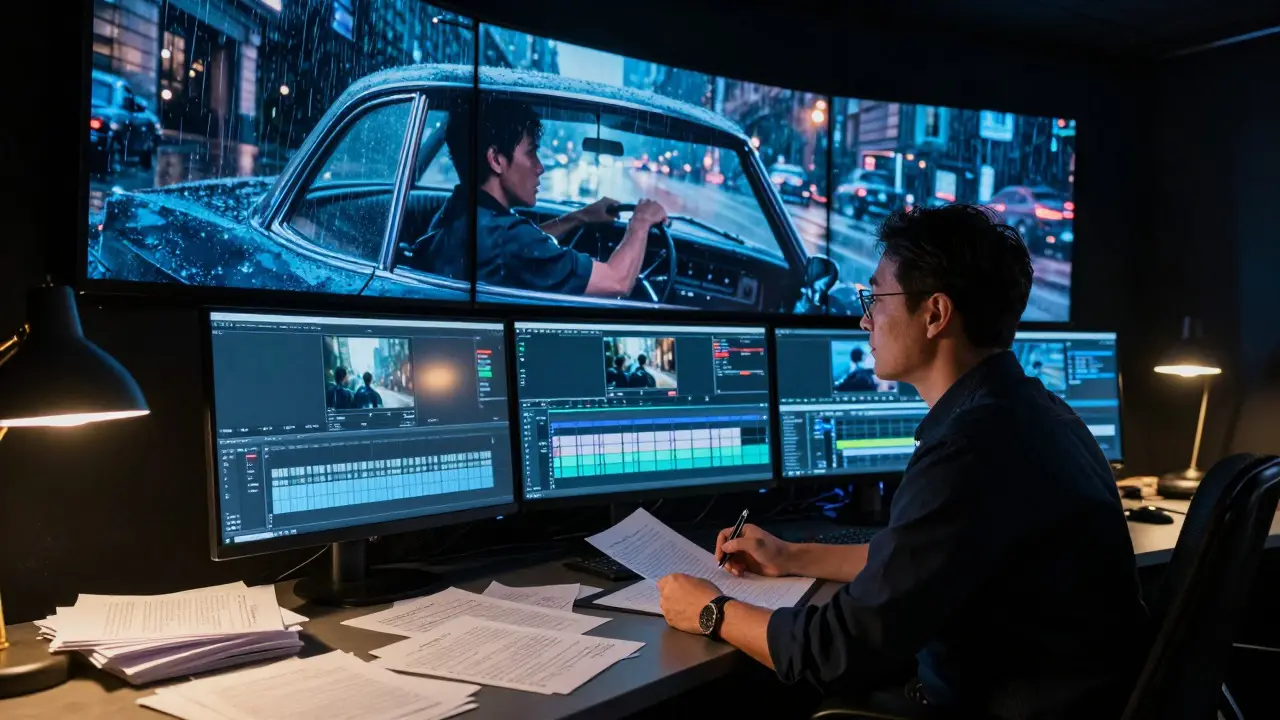
Ever watch a movie where one specific song makes the entire scene unforgettable? That isn't luck. It is the result of meticulous music supervision, a specialized role that bridges creative storytelling with complex legal negotiations. In 2026, the landscape of film scoring has shifted dramatically. Audiences crave authenticity, and directors increasingly rely on pre-existing tracks rather than original compositions to evoke immediate emotional responses. However, getting that perfect track onto the screen involves navigating a labyrinth of copyright laws, budget constraints, and stakeholder approvals. Understanding how this process works reveals why some soundtracks feel seamless while others seem out of place or legally risky.
The core function of a music supervisor is not just picking songs; it is curating an auditory identity for the narrative. They act as translators between the director's vision and the music industry's realities. This role requires deep knowledge of musical history, genre nuances, and the specific mechanics of sync licensing. When you see a 1980s hit used in a period piece, you are seeing the work of someone who identified the cultural weight of that track and secured the rights to use it without breaking the bank.
The Two Sides of Sync Licensing
To understand why licensing is so difficult, you must first grasp that a single commercial song typically holds two separate copyrights. These are distinct legal entities that must both be cleared before a track can appear in a film, TV show, or advertisement.
- The Master Recording Rights: This belongs to the record label or the artist (if self-released). It covers the specific audio file-the performance, the production, and the mix. If you want to use The Beatles' "Hey Jude" exactly as recorded in 1968, you need permission from Apple Records (or its current successor).
- The Publishing Rights: This belongs to the songwriter(s) and their publisher. It covers the underlying composition-the melody and lyrics. Even if you hire a new band to cover the song, you still need to clear the publishing rights from the original writers.
Both parties must agree to license the track. If the label wants $50,000 but the publisher wants $10,000, the deal falls apart unless the budget allows for compromise. This dual-approval system creates significant friction. A music supervisor often spends weeks negotiating with both sides simultaneously, trying to align their expectations with the film's budget. In many cases, the cost is non-negotiable because popular tracks have high perceived value. Lesser-known indie tracks might cost a fraction of that amount, which is why supervisors often dig into obscure archives to find unique sounds that fit the tone without draining the post-production budget.
Strategic Selection: More Than Just Vibe
Selecting the right track is a strategic decision, not just an aesthetic one. A supervisor looks at several factors when building a shortlist for a director:
- Narrative Fit: Does the lyrical content contradict the visual action? Using a song with happy lyrics over a tragic scene can create ironic tension, but it must be intentional.
- Cultural Context: Does the song date the scene appropriately? A 2010 pop hit in a 1990s setting will break immersion unless the character is specifically listening to modern radio.
- Budget Viability: Can we afford the top choice, or do we need a B-list alternative?
- Emotional Arc: How does the song transition into the next scene? Music supervisors plan the flow of energy across the entire runtime, ensuring that no two adjacent scenes compete for the same emotional frequency.
For example, in a thriller, a supervisor might choose a minimal, ambient track to build dread. In a romantic comedy, they might select a upbeat, retro-inspired track to signal nostalgia. The choice affects pacing. A long, slow ballad can stretch a scene, while a fast-paced rock track can accelerate cuts. This interplay between audio and editing is where the true artistry lies. The supervisor works closely with the editor to ensure the song's structure-verses, choruses, bridges-aligns with the scene's beats.

Cost Factors and Budget Realities
Licensing fees vary wildly based on usage type, duration, and territory. There is no fixed price list. Instead, fees are negotiated case by case. Here is a general breakdown of what influences cost:
| Factor | Low Cost Scenario | High Cost Scenario |
|---|---|---|
| Usage Type | Background music in a minor scene | Featured in trailer or main title sequence |
| Duration | Less than 30 seconds | Full song or multiple cues |
| Territory | Limited regional release | Worldwide distribution including streaming |
| Song Popularity | Indie or unknown artist | Chart-topping hit or classic legacy track |
| Term | One-time theatrical release | Perpetual rights including future home video |
A major factor in 2026 is the rise of streaming platforms. Unlike traditional broadcast TV, which had strict rules about background music, streaming services allow for full-length songs. This increases the demand for premium tracks, driving up prices. Additionally, the term of the license matters. Do you need the rights forever? Or just for the initial release? Perpetual licenses are more expensive but protect the film from having to re-license the track if it gets picked up for international distribution later.
The Role of Music Libraries vs. Original Scores
Not every film relies on existing hits. Many productions use music libraries, which are collections of pre-cleared tracks available for a flat fee. These libraries offer a wide range of genres, from corporate jazz to intense orchestral swells. For independent films with tight budgets, library music is often the only viable option. It eliminates the risk of negotiation failures and provides quick access to high-quality audio.
However, library music lacks uniqueness. If too many films use the same library track, audiences may recognize it, breaking the spell. This is where hybrid approaches come in. Some productions commission original scores from composers but incorporate a few licensed tracks for key moments. This blend allows for a cohesive sonic identity while using familiar songs to anchor emotional peaks. The supervisor manages both worlds, ensuring the original score complements the licensed tracks rather than clashing with them.
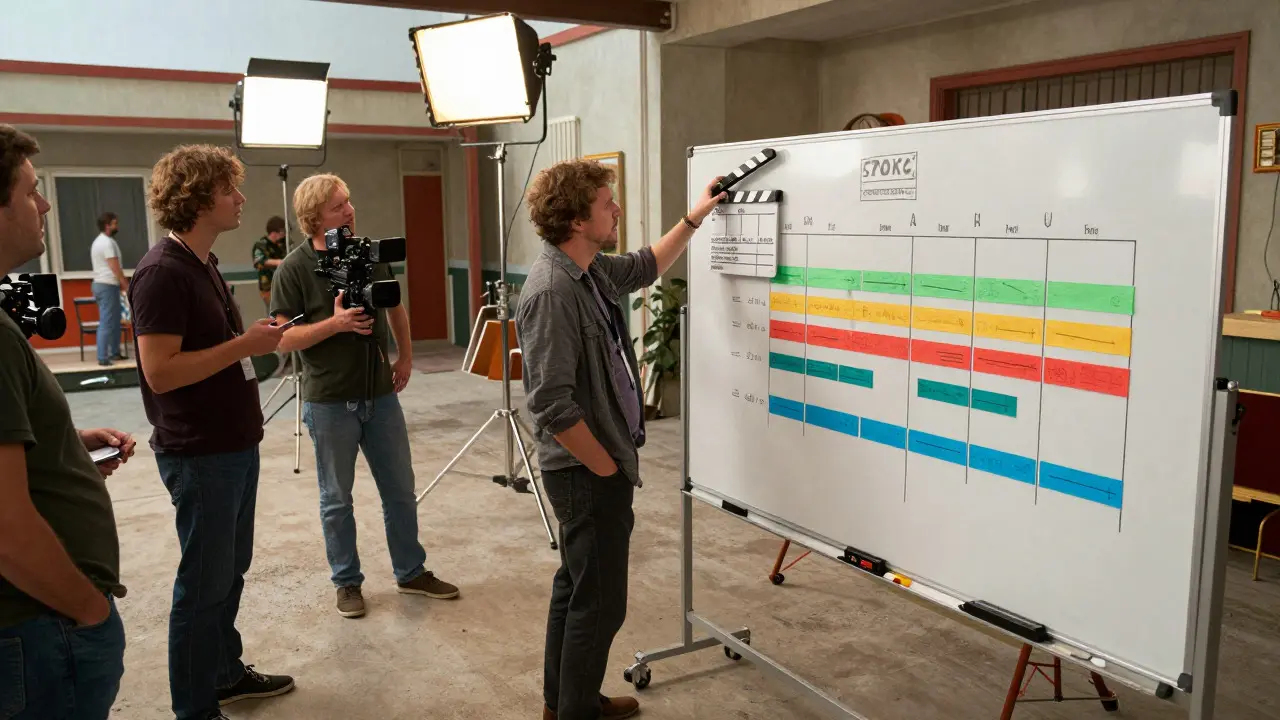
Common Pitfalls to Avoid
Even experienced supervisors make mistakes. Here are the most common errors that can derail a production:
- Ignoring Lyric Meanings: Using a song with subtle anti-hero lyrics in a protagonist's victory scene can confuse the audience. Always read the lyrics carefully.
- Overlooking Mechanical Rights: Forgetting to clear the publishing side until the last minute can cause delays. Start early.
- Assuming Fair Use Applies: Fair use is a legal defense, not a right. It rarely applies to commercial film releases. Assume you need a license for everything.
- Neglecting Stem Access: Sometimes you only need the instrumental version. Securing stems (separated audio tracks) can be easier and cheaper than clearing the full vocal master.
Timing is critical. Music supervision should begin during pre-production, not post-production. Waiting until the edit is locked limits your options because the timing of scenes dictates the length and tempo of the required music. Early involvement allows the supervisor to influence the cut, suggesting edits that better accommodate the chosen tracks.
Frequently Asked Questions
How much does it cost to license a song for a film?
There is no standard rate. Costs range from a few thousand dollars for indie tracks to hundreds of thousands for major hits. The final price depends on usage scope, duration, territory, and the popularity of the song. Background usage is cheaper than featured placement.
What is the difference between sync rights and master rights?
Sync rights refer to the synchronization of the underlying composition (lyrics and melody) with visual media. Master rights refer to the specific recording of that composition. You need both to use a commercially released song. If you record a cover, you only need sync rights from the publisher, not the label.
Can I use a song from my personal collection in my short film?
Technically, no. Owning a CD or MP3 does not grant you the right to use the song in a public exhibition or distribution. Even for student films, it is best practice to seek permission or use royalty-free tracks to avoid legal issues if the film enters festivals or online platforms.
Who usually pays for the licensing fees?
The production company or studio typically pays the licensing fees directly. These costs are part of the post-production budget. Sometimes, labels or publishers may offer discounts if they believe the film will generate significant exposure for the artist, effectively trading money for marketing value.
Is it harder to license songs for documentaries than narrative films?
It can be. Documentaries often require precise historical accuracy, limiting choices to specific eras. Narrative films have more flexibility to use anachronistic music for artistic effect. However, documentaries sometimes benefit from lower budgets, making them less attractive targets for high-cost licensing deals unless the subject matter aligns strongly with the artist's brand.