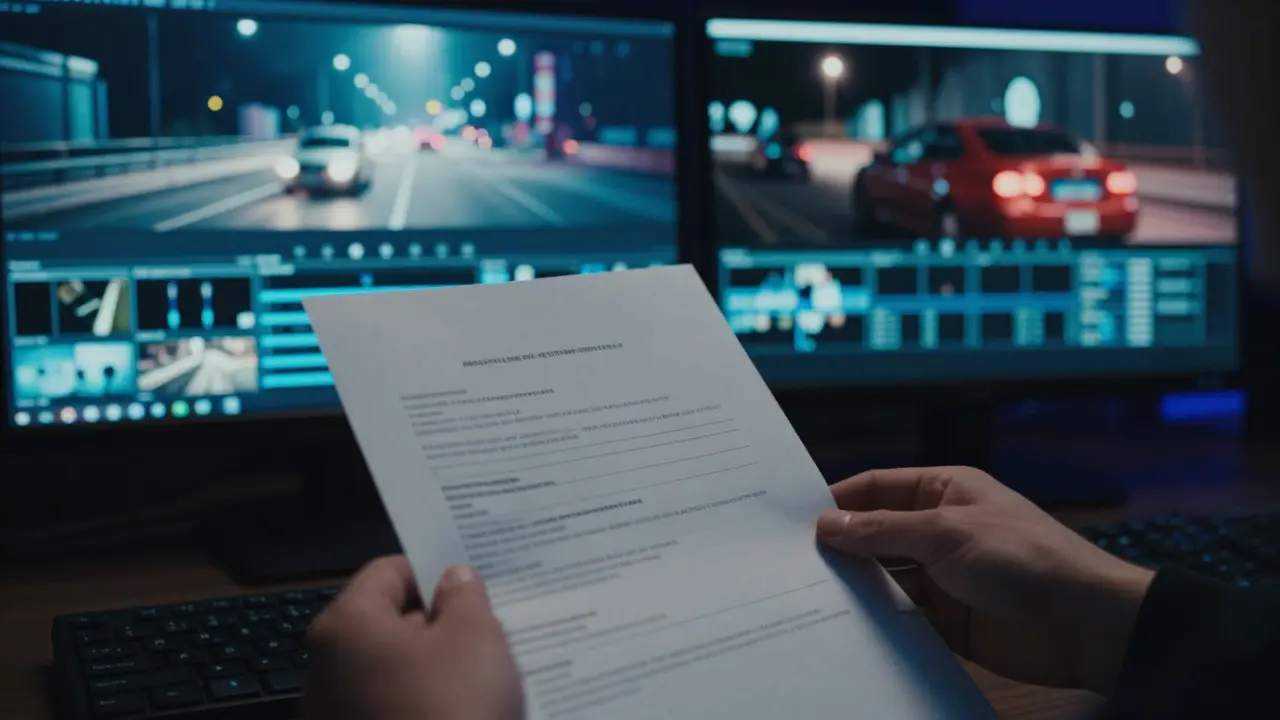
Imagine this: your song plays during the climax of a popular streaming series. It’s a great moment for your career, but six months later, you check your royalty statement and see zero income from that specific episode. Why? Because nobody filled out the music cue sheet correctly, or maybe they forgot entirely. This is a common headache for composers, artists, and producers working in visual media. A music cue sheet is a standardized form used to report the use of copyrighted music in films, TV shows, commercials, and video games. Without it, Performance Rights Organizations (PROs) cannot track where your music was played, meaning you miss out on performance royalties. This guide breaks down exactly how these documents work, who is responsible for filling them out, and how to ensure you get paid every time your music hits the screen.
What Is a Music Cue Sheet?
At its core, a cue sheet is a data entry tool. It tells the music industry where a specific piece of audio was used. Unlike a simple inventory list, it provides granular details that allow rights holders to calculate earnings accurately. When a director selects a track for a scene, the production team logs that choice. Later, when the final cut is ready for distribution, this log becomes the official cue sheet. It serves as the bridge between the creative world of filmmaking and the financial world of copyright law. Key attributes of a standard cue sheet include:- Production Title: The name of the movie, show, or commercial.
- Cue Number: A unique identifier for each piece of music in the project.
- Track Title: The name of the song or composition.
- Composer/Publisher: Who wrote the music and who owns the publishing rights.
- Writer/Songwriter: Specifically for songs with lyrics; distinct from instrumental composers.
- Usage Type: Whether the music is background, featured, or incidental.
- Duration: How long the music plays (e.g., 0:45).
The Two Types of Royalties: Sync vs. Performance
Many people confuse the money made from licensing a song with the money made from playing it. Understanding the difference is crucial because cue sheets primarily drive the second type. Synchronization fees are one-time payments negotiated directly between the music owner and the production company. This fee buys the right to 'sync' the music with the picture. Once paid, this transaction is closed. No cue sheet is needed for this specific payment, though the license agreement will detail the terms. However, once that licensed music is broadcast on television, streamed online, or played in a theater, it generates performance royalties. These are ongoing payments collected by PROs like ASCAP, BMI, SESAC, or PRS. To collect these, the PRO needs to know the music was actually performed. That is where the cue sheet comes in. It acts as the proof of performance.| Feature | Synchronization Fee | Performance Royalty |
|---|---|---|
| Payment Type | One-time upfront payment | Ongoing periodic payments |
| Negotiated By | Directly between parties | Set by PRO rate schedules |
| Requires Cue Sheet? | No | Yes |
| Recipient | Publisher/Label (usually split) | Composer/Writer via PRO |
| Duration | Term-based (e.g., 1 year, perpetual) | As long as music is publicly performed |
Who Fills Out the Cue Sheet?
The responsibility often falls into a gray area, which leads to missed payments. Generally, the party controlling the final master recording and the broadcast distribution holds the primary duty. In most cases, this is the post-production house or the music supervisor's agency. For independent filmmakers, the producer usually handles this. For major studio productions, a dedicated music clearance department manages the process. If you are an artist whose music has been placed in a project, do not assume the production team remembers you. Follow up. Here is a typical workflow for tracking usage:- Selection Phase: The music supervisor creates a preliminary list of tracks considered for the project.
- Licensing Phase: Agreements are signed, and sync fees are paid.
- Final Cut: The editor locks the picture. Only tracks that make the final cut should be on the official cue sheet.
- Submission: The completed cue sheet is sent to the PROs representing the composers and writers within 30 days of the first public performance.

Common Pitfalls That Cost You Money
Even experienced professionals make mistakes on cue sheets. Here are the most frequent errors that lead to lost royalties:Mismatched Metadata
If the title on the cue sheet says "Summer Nights" but your PRO registration says "Summer Night," the system might treat them as two different works. Always copy the exact title from your PRO profile.Missing Writer Credits
Co-writers are a common source of disputes. If three people wrote a song, all three must be listed with their correct splits (e.g., 33/33/34). If one name is missing, that person gets no share of the performance royalty, and the other two might have to redistribute it manually, causing delays.Inaccurate Duration
Some PROs calculate rates based on the length of the cue. Underestimating the duration can result in lower payouts. Overestimating can sometimes flag the report for audit. Use precise timestamps from the final mix.Wrong Usage Category
There is a difference between "featured" music (which stands out and drives the emotion) and "background" music (which fills silence). Some platforms pay higher rates for featured cues. Mislabeling a featured track as background can reduce your earnings significantly.How to Verify Your Reports
You don’t have to wait for the next royalty check to know if you’ve been reported. Most PROs offer online dashboards where you can search for recent reports. Check your dashboard monthly. Look for the specific production title. If you see the cue listed, you are good. If you don’t, contact the music supervisor immediately. Have the following ready before you call:- The exact date of the first air date or release.
- The name of the production.
- Your PRO member ID.
- A copy of the original license agreement.

Best Practices for Independent Creators
If you produce your own content or manage a small library of music, take control of the process. Don’t rely solely on third parties. 1. Create a Master Log: Keep a spreadsheet of every placement. Include the date, platform, and contact person. 2. Send Reminders: Send a polite email to the music supervisor 10 days before the expected air date asking them to confirm the cue sheet submission. 3. Register New Works Immediately: Ensure your new compositions are registered with your PRO before they are placed. Late registrations can delay the start of royalty collection. 4. Understand Platform Rules: Streaming services like Netflix or Amazon Prime Video have specific requirements for cue sheet formats. Check their guidelines, as they differ from traditional TV networks.Frequently Asked Questions
Do I need a cue sheet for my own YouTube videos?
Generally, no. YouTube uses Content ID to match your audio against your uploads automatically. However, if you license your music to another creator who posts it on their channel, they should file a cue sheet with your PRO to ensure you receive performance royalties from ad revenue.
What happens if a cue sheet is submitted late?
Most PROs accept late submissions, but there is often a window of 30 to 90 days. Beyond that, the report may be rejected. If rejected, you must file a claim, which takes longer to process. Aim for timely submission to avoid administrative hurdles.
Who pays for the cue sheet processing?
Usually, the production company or distributor covers the cost of filing with the PROs. As a composer or writer, you typically do not pay a fee to have your music reported, unless you are using a third-party clearinghouse service that charges for convenience.
Can I use a template for my cue sheet?
Yes. Many PROs provide downloadable PDF or Excel templates. Using the official template reduces the risk of formatting errors. Avoid creating your own format unless instructed by the distributor, as non-standard formats can cause data entry issues on the PRO side.
Does a cue sheet cover mechanical royalties?
No. Cue sheets track performance royalties. Mechanical royalties (from sales, downloads, or streams) are tracked separately through digital distributors and publishers. They are calculated based on consumption data, not broadcast reports.





Comments(8)