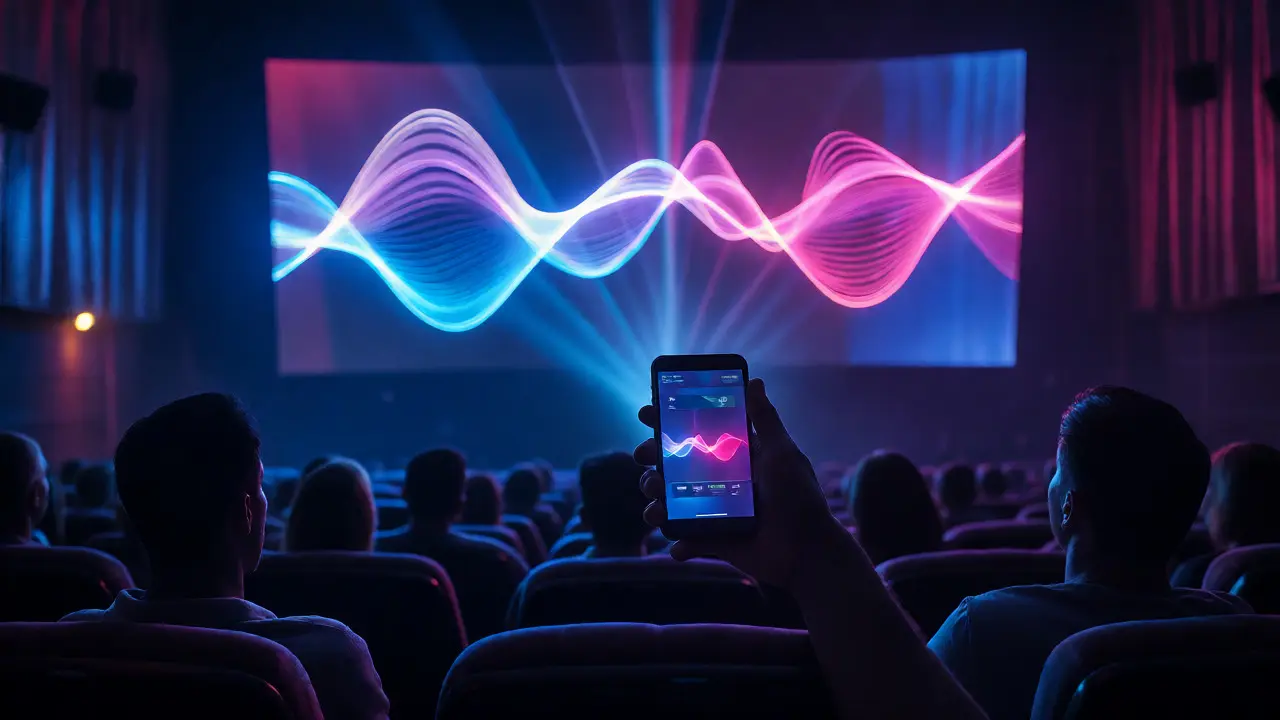
You’re sitting in a dark theater, the screen glowing with the final credits. The music swells, and you feel that specific lump in your throat. You walk out humming the tune, check Shazam on your phone, and boom-you’ve just discovered the next big thing. But here’s the twist: for many of these melodies, the movie was just the launchpad. The real product? The film score is a standalone musical work designed to evoke emotion and narrative structure within a cinematic context. In recent years, we’ve seen a massive shift where instrumental tracks don’t just support the story-they top the Billboard charts, sell out arenas, and become cultural touchstones all on their own.
The Shift from Background Noise to Foreground Fame
Think back ten or fifteen years ago. Buying a soundtrack usually meant getting a compilation of pop songs that happened to play during the montage scenes. It was often a disjointed mess. Today, the landscape has flipped. We are living in the era of the "score-first" mindset. Why? Because streaming platforms like Spotify and Apple Music have democratized access to niche genres. A user no longer needs to buy a physical CD; they can add Hans Zimmer’s Dune suite to their workout playlist or listen to Ludwig Göransson’s Black Panther beats while coding.
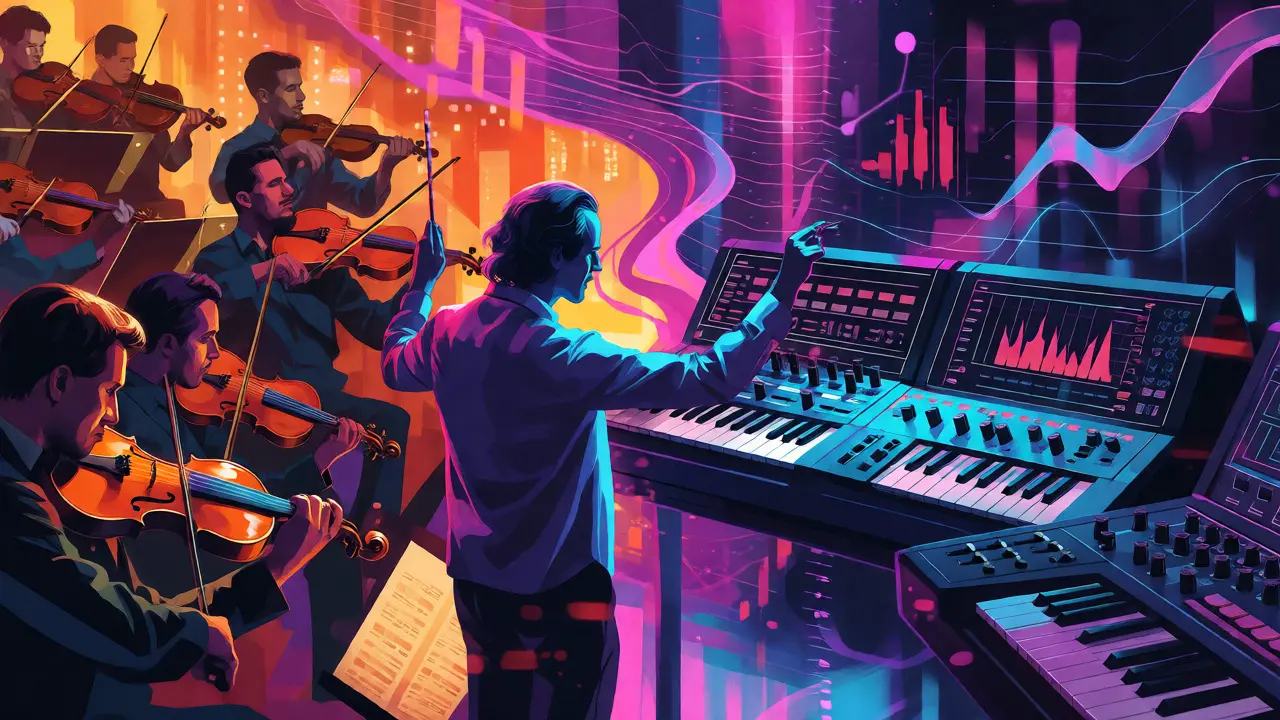
This accessibility changed how composers approach their craft. They aren’t just writing cues for a two-hour runtime anymore; they’re crafting cohesive albums. Take Hans Zimmer, who is a German film composer known for his electronic-influenced orchestral style. His work isn’t just background filler; it’s a product with distinct branding. When he releases a tracklist, fans treat it like a new album drop from a rock band. The emotional hook is identical: you connect with the artist through the audio experience, regardless of whether you saw the film.
Anatomy of a Chart-Topping Score
So, what makes a score jump from the theater speakers to the radio? It’s not luck. It’s about structural integrity and melodic memorability. Most traditional film scores are fragmented-short bursts of tension followed by silence. To become a hit album, a score needs continuity. It needs themes that develop over time, much like movements in a classical symphony.
Consider the difference between a generic action cue and a leitmotif. A generic cue tells you "something scary is happening." A leitmotif, a technique popularized by Richard Wagner and perfected in modern cinema by composers like John Williams, who is an American composer and conductor known for his iconic film scores, gives a character an identity. When you hear the first four notes of the Jaws theme, you don’t need the shark. That simplicity is key. Modern hits follow this rule but add contemporary production elements-synthesizers, heavy bass drops, or unique instrumentation-that make them stand out in a crowded digital marketplace.
| Feature | Traditional Score (Pre-2010) | Modern Commercial Score (Post-2015) |
|---|---|---|
| Primary Goal | Support dialogue and pacing | Create standalone listening experiences |
| Structure | Fragmented cues, variable length | Cohesive suites, consistent tempo changes |
| Instrumentation | Pure orchestra | Hybrid (Orchestra + Synth/Electronics) |
| Release Strategy | Physical CD at release date | Streaming singles released pre-film |
| Audience | Filmgoers only | General music consumers |
The Streaming Economy and Playlist Culture
We can’t talk about scores as products without mentioning the algorithm. Algorithms love consistency. If you listen to one epic orchestral track, the platform suggests another. This created a feedback loop. Composers realized that if they wrote tracks that fit into existing playlists like "Epic Classical" or "Cinematic Focus," they’d get millions of passive streams. These streams generate royalties, yes, but more importantly, they build brand recognition.
Ludwig Göransson understood this better than most. For Black Panther, he didn’t just write African-inspired percussion; he collaborated with rappers and producers to create hip-hop-infused tracks. The result wasn’t just a movie soundtrack; it was a cultural event. The album debuted at number one on the Billboard 200. That’s unheard of for an instrumental-heavy record. It proved that audiences are hungry for narrative-driven music that doesn’t require lyrics to tell a story.
This shift also impacts how studios market films. Now, releasing a single from the score weeks before the trailer drops is standard practice. It builds hype. It gets people talking about the vibe of the movie before they know the plot. Think of the synth-heavy teaser for Blade Runner 2049. That wasn’t just marketing; it was a product preview. People bought the vinyl box set before tickets were even widely available.
Vinyl Revival and Physical Collectibles
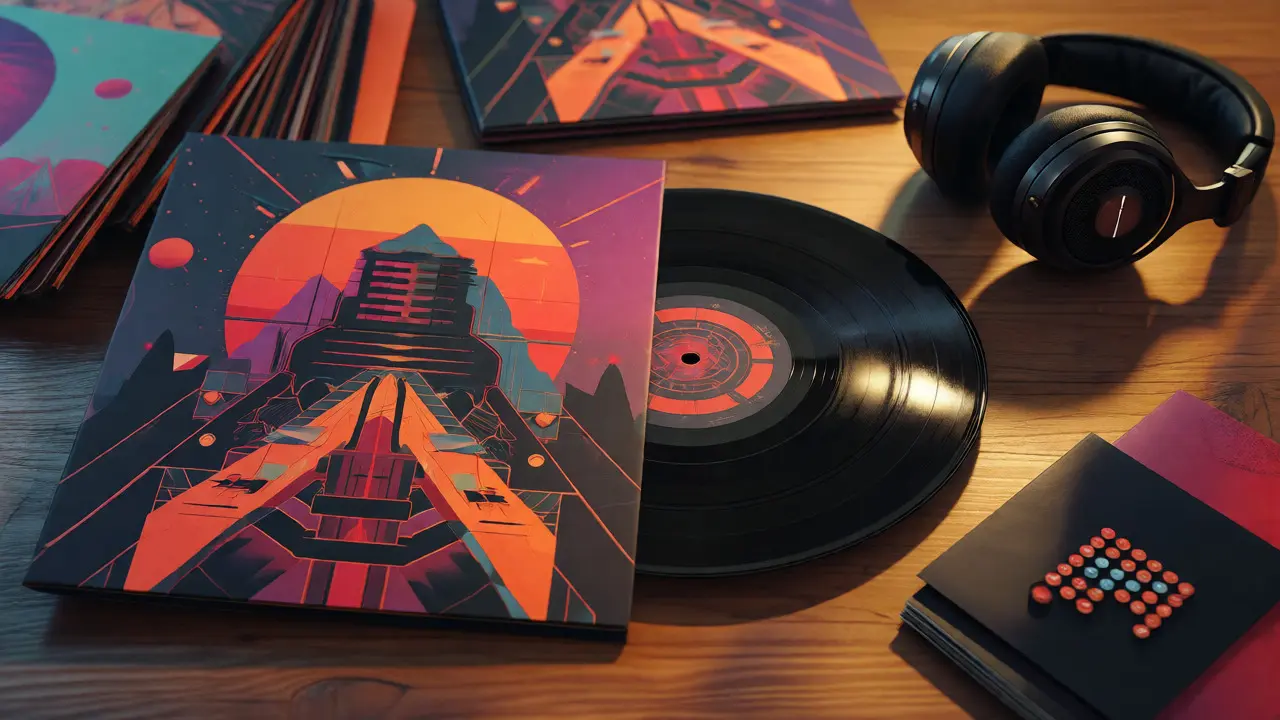
Here’s a paradox: in our digital age, the highest value of a film score often comes from its physical form. Vinyl sales have skyrocketed, and limited-edition colored pressings of film scores are flying off shelves. Why? Because owning the object feels like owning a piece of the art. A digital file is ephemeral; a 180-gram double LP with gatefold artwork is tangible.
Labels like Mondo and Waxwork Records have capitalized on this by treating scores as luxury goods. They commission new artwork, use high-quality mastering, and include liner notes from the composers. Fans pay $50 or more for these records, not because they need the audio quality (which is similar to streaming), but for the ritual of ownership. It turns the listener into a collector. This trend has forced major studios to rethink their distribution strategies. They’re no longer just selling music rights; they’re selling merchandise.
When the Score Outshines the Movie
Sometimes, the music becomes so popular that it eclipses the film itself. Remember Interstellar? The movie had mixed critical reception, but the organ-heavy score by Hans Zimmer became a staple in classrooms, gyms, and meditation apps worldwide. Or look at La La Land. The jazz-inspired compositions by Justin Hurwitz won Oscars and sold millions of copies, introducing jazz standards to a generation that might never have sought them out otherwise.
This phenomenon creates a unique challenge for filmmakers. Do you prioritize the visual storytelling, or do you craft moments specifically for the audio experience? Many directors now shoot scenes with the music already playing on set. This ensures the editing rhythm matches the musical phrasing. It blurs the line between video editor and music producer. The score isn’t added in post-production; it’s baked into the DNA of the film.
Key Takeaways
- Streaming drives discovery: Algorithms help niche instrumental music reach mainstream audiences.
- Hybrid sounds win: Mixing traditional orchestras with electronic elements appeals to broader demographics.
- Physical media matters: Vinyl collectibles provide significant revenue and fan engagement beyond digital streams.
- Marketing synergy: Releasing score singles early builds anticipation and defines the film's tone.
Frequently Asked Questions
Why do some movie scores fail to chart?
Scores often fail when they lack a strong central melody or rely too heavily on ambient noise rather than musical composition. If the music feels purely functional-just filling silence without offering a memorable hook-it rarely translates well to standalone listening. Additionally, poor mixing for stereo playback versus surround sound can make a score feel flat on headphones.
Do composers earn more from streaming or sync licenses?
Sync licenses (using music in ads, games, or other media) typically offer larger upfront payments than streaming royalties. However, successful streaming catalogs provide long-term residual income. For a hit album, the combination of both is ideal, but initial earnings usually come from the sync deals secured during the film's production phase.
How does a soundtrack differ from a score?
A soundtrack generally refers to the collection of all music used in a film, including licensed pop songs and diegetic music (music heard by characters). A score specifically refers to the original instrumental composition written by the composer to underscore the narrative. While the terms are often used interchangeably, the score is the custom-made artistic product, whereas the soundtrack is the comprehensive audio package.
Is it worth buying vinyl editions of film scores?
If you are a fan of the film or appreciate high-fidelity audio, yes. Limited edition vinyls often feature exclusive artwork and superior mastering compared to digital files. They serve as collectible art pieces. However, for casual listeners, streaming offers sufficient quality and convenience without the high cost and storage requirements.
Can AI compose hit film scores?
AI can generate competent background music, but it currently struggles with the emotional nuance and thematic development required for a hit album. Human composers inject personal intent and cultural context into their work, creating connections that resonate deeply with listeners. While AI may assist in drafting ideas, the human element remains crucial for creating emotionally resonant, chart-topping scores.