You’ve probably seen the news headlines from the Middle East. You know the politics, the conflicts, the oil prices. But have you actually watched a movie from Tehran, Beirut, or Cairo? If not, you’re missing out on some of the most emotionally raw, visually stunning, and intellectually challenging storytelling happening right now. Middle Eastern cinema is a diverse body of film production originating from the countries of Western Asia and North Africa, known for its poetic realism, social critique, and unique narrative structures. It’s not just "foreign" art-house fluff for people who like subtitles; it’s a mirror held up to societies in rapid transition, capturing the tension between tradition and modernity with a honesty that Hollywood often sanitizes.
Why does this matter to you? Because these films don’t just entertain; they humanize. They take complex geopolitical realities and ground them in the kitchen table conversations of a family in Isfahan or the street corners of Amman. Whether you’re a cinephile looking for your next obsession or someone curious about the region beyond the evening news, this guide breaks down who to watch, what to look for, and why these stories hit different.
The Iranian New Wave: Poetry in Everyday Life
If you want to understand where to start, look at Iran. Since the 1979 Revolution, Iranian filmmakers have developed a distinct style born out of necessity. Censorship rules meant no close-ups of men and women touching, no overt political dissent, and strict modesty codes. Instead of complaining, directors like Abbas Kiarostami turned limitations into aesthetics. They used long takes, non-professional actors, and ambiguous endings to create a sense of reality that feels almost documentary-like but deeply philosophical.
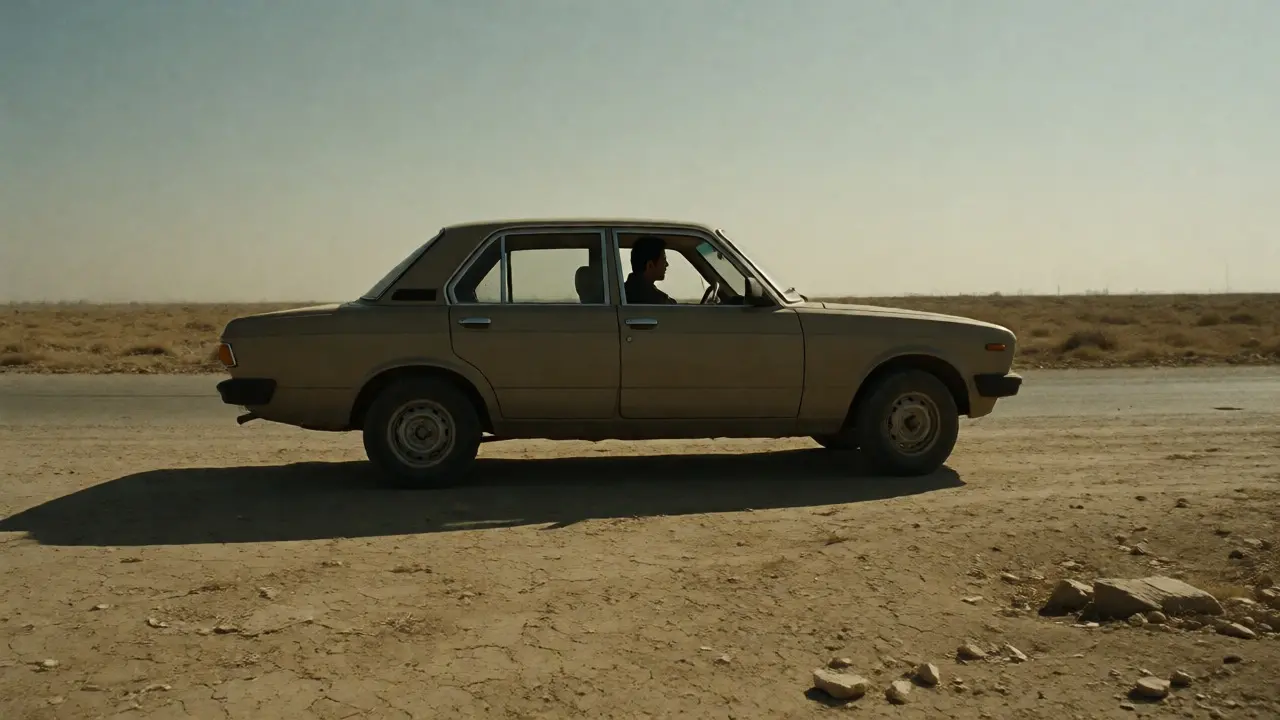
Abbas Kiarostami is an Iranian filmmaker considered one of the most influential figures in world cinema, known for his minimalist style and focus on the boundary between fiction and reality. His film Cloverfield... wait, no, Taste of Cherry won the Palme d’Or at Cannes in 1997. It’s a simple story: a man drives around Tehran trying to find someone willing to bury him if he commits suicide. There’s no melodrama, no swelling orchestra. Just a man, a car, and the dusty landscape. It forces you to sit with the character’s existential crisis. Another giant is Jafar Panahi, who has been banned from making films by the Iranian government yet continues to smuggle movies out of the country. His work, like The Circle, exposes the systemic oppression of women in Iran through fragmented narratives that piece together a larger societal truth.
What makes Iranian cinema so accessible despite the cultural gap? The universality of its themes. Family pressure, economic struggle, the desire for freedom-these are things everyone understands. When Asghar Farhadi made A Separation, which won the Academy Award for Best Foreign Language Film in 2012, it wasn’t because it was "exotic." It was because the moral dilemma of a couple divorcing over whether to leave the country resonated with parents everywhere.
Arab Cinema: From Egyptian Classics to Modern Grit
While Iran gets a lot of festival love, the Arab world has a massive, historic film industry. Egypt, specifically Cairo, was the Hollywood of the Middle East for decades. During the mid-20th century, Egyptian cinema dominated the region, producing stars like Omar Sharif and directing legends like Youssef Chahine. These films were musicals, dramas, and comedies that shaped the cultural identity of the entire Arabic-speaking world.
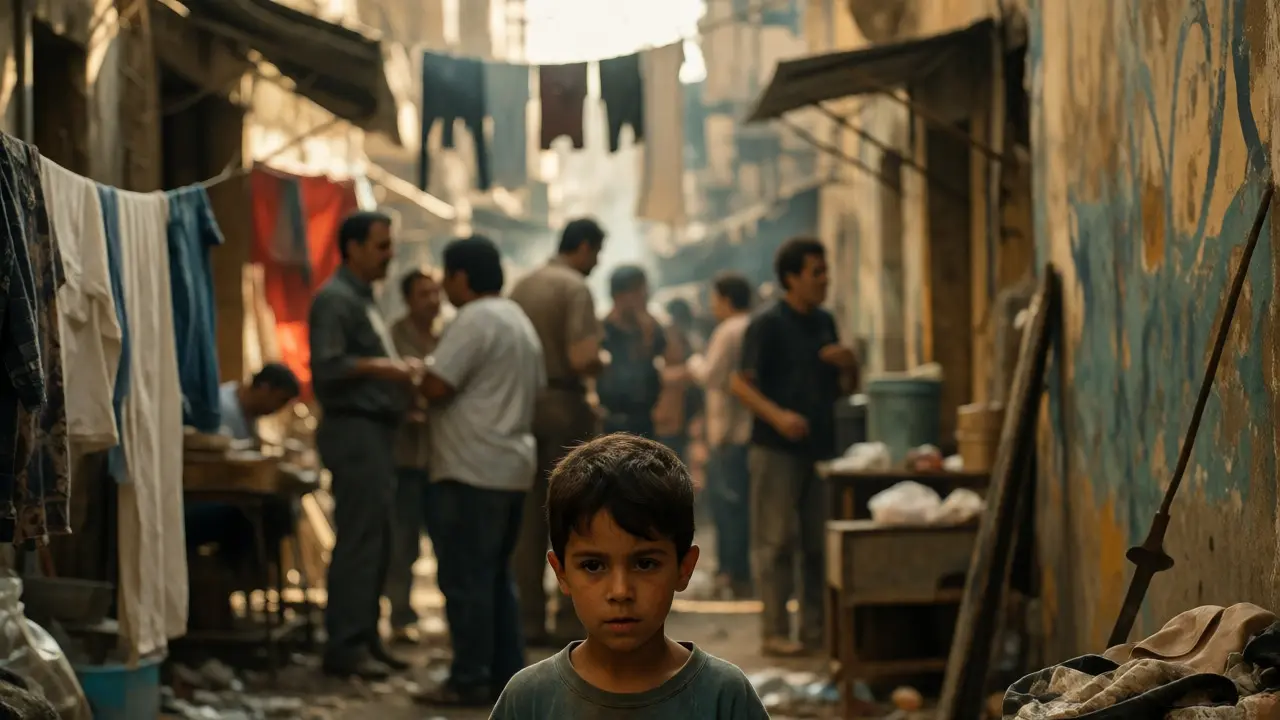
But the landscape shifted after the 1967 war and the rise of television. Today, Arab cinema is more fragmented but arguably more innovative. Look at Lebanon. Nadine Labaki is a Lebanese actress and director whose films blend comedy and drama to address social issues in post-war Beirut. Her film Capernaum (2018) follows a 12-year-old boy suing his parents for giving birth to him. It’s heartbreaking, chaotic, and brilliantly acted by non-professionals found in the streets of Beirut. It shows how cinema can give a voice to the invisible poor.
Then there’s the Gulf region. Saudi Arabia recently lifted its ban on cinemas in 2018, creating a new market overnight. Directors like Haifaa al-Mansour broke barriers early on with Wadjda (2012), the first feature film shot entirely in Saudi Arabia. It tells the story of a girl who wants to buy a bicycle, a small act of rebellion in a society with strict gender norms. The film doesn’t preach; it just shows the quiet determination of a child navigating a rigid world. That subtlety is key. Middle Eastern cinema often trusts the audience to read between the lines rather than spelling everything out.
Israeli Cinema: Tension and Identity
You can’t talk about the region without mentioning Israel. Israeli cinema often grapples with the same tensions as its neighbors but from a different perspective. Films here frequently explore the psychological toll of military service, the complexities of living in a conflict zone, and the clash between secular and religious life.
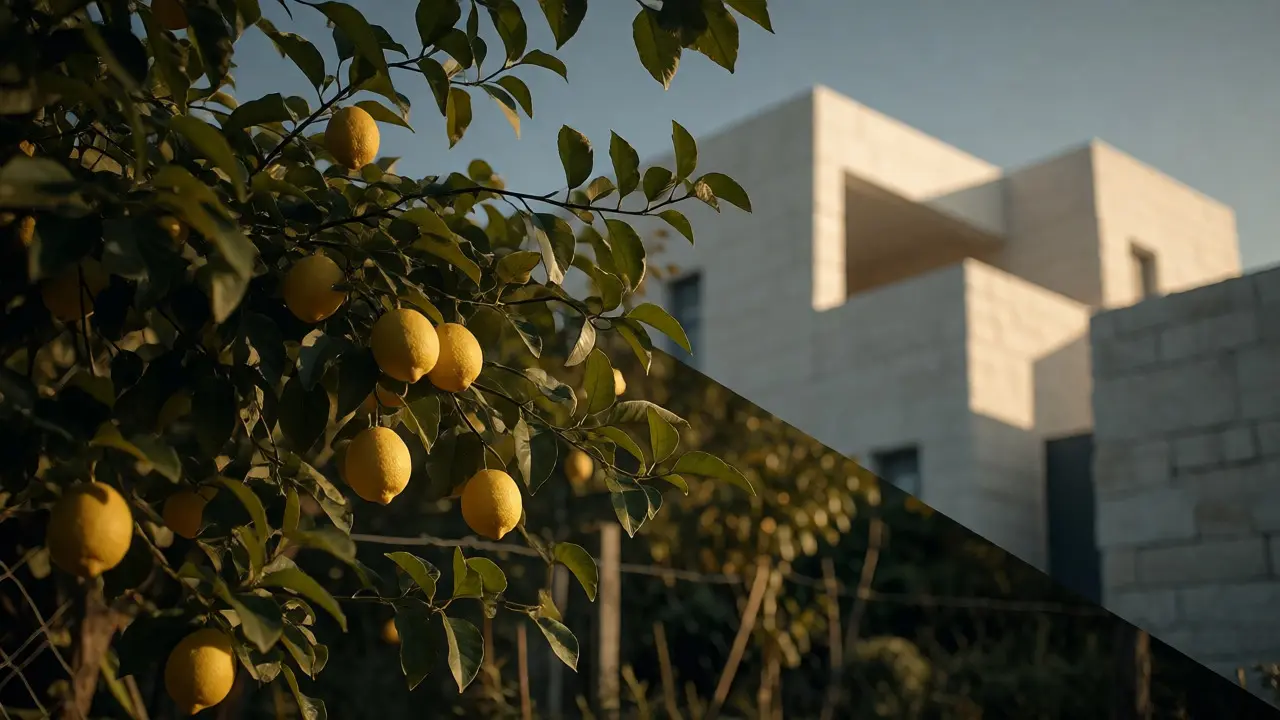
Eran Riklis is an Israeli director known for films that examine the intersection of Jewish and Arab cultures within Israel. His film Lemon Tree (2008) uses a lemon grove as a metaphor for land rights and personal boundaries. It’s a tense, quiet thriller about a Palestinian widow fighting to keep her trees when a new Israeli defense minister moves in next door. The film doesn’t offer easy answers. It shows two people stuck in a system neither created, both suffering under it. This nuance is rare in mainstream media coverage of the region, which tends to pick sides. Cinema allows for empathy on both ends of the fence.
Where to Start: A Beginner’s Cheat Sheet
Jumping into a new cinematic tradition can be intimidating. Where do you even begin? Here’s a quick breakdown based on what kind of viewer you are. Do you want heartbreak? Go with Iran. Do you want vibrant culture and music? Try Egypt or Morocco. Do you want political thrillers? Look at Israel or Turkey.
| Film Title | Director/Country | Vibe | Why Watch? |
|---|---|---|---|
| A Separation | Asghar Farhadi / Iran | Drama, Legal Thriller | Masterclass in writing; every character is morally gray. |
| Capernaum | Nadine Labaki / Lebanon | Social Realism | Visceral, emotional, and highlights refugee crises. |
| Divines | Houda Benyamina / France-Algeria | Comedy, Crime | High energy, stylish, focuses on immigrant experience in Paris. |
| Mustang | Deniz Gamze Ergüven / Turkey-France | Coming-of-age, Drama | Visually striking, focuses on female agency and patriarchy. |
| The Salesman | Asghar Farhadi / Iran | Psychological Drama | Intense, claustrophobic, explores honor and shame. |
Common Pitfalls and How to Avoid Them
One big mistake viewers make is expecting Middle Eastern films to explain their own culture. They aren’t documentaries. They aren’t tourist brochures. If you watch Once Upon a Time in Anatolia (Turkey) and get frustrated because nothing "happens" in the traditional plot sense, you’re missing the point. Director Nuri Bilge Ceylan is interested in the mood, the landscape, and the internal states of his characters. The pacing is slow because real life is slow. Give it time.
Another trap is assuming all films from the region are about war or religion. Yes, those are common themes, but plenty of films deal with romance, comedy, sci-fi, and mundane daily struggles. Don’t let stereotypes limit your viewing list. For instance, Paradise Now is about suicide bombers, but Wadjda is about a bike. Both are valid representations of the region.
How to Find These Films
Streaming services have improved, but they’re still spotty for international content. Netflix has started investing more in Middle Eastern originals, especially from Turkey and Egypt. Amazon Prime Video often carries festival winners. But the best source? MUBI. This streaming platform curates arthouse cinema globally and has a robust selection of Iranian, Turkish, and Arab films. If you’re serious about exploring this genre, MUBI is worth the subscription.
Also, check out local film festivals. Cities like Los Angeles, New York, and London host dedicated Middle Eastern film festivals annually. Even if you’re in Asheville, NC, you might find screenings at community centers or university campuses. Supporting these events helps keep independent distribution alive.
Final Thoughts: Why It Matters
Watching Middle Eastern cinema isn’t just about ticking boxes on a "world cinema" bingo card. It’s an exercise in empathy. These films ask you to step outside your own worldview and inhabit someone else’s reality. They challenge the monolithic portrayal of the Middle East in Western media. They show us that beneath the headlines, there are people laughing, crying, arguing, and dreaming just like we do.
So, turn off the news tonight. Pick up a remote. Search for A Separation or Capernaum. Press play. You might just find that the distance between your living room and a kitchen in Tehran isn’t as far as you thought.
Is Middle Eastern cinema hard to understand?
Not necessarily. While some films use poetic or abstract narratives, many, like those by Asghar Farhadi, follow clear dramatic structures. The main adjustment is often pacing; these films tend to move slower than Hollywood blockbusters, focusing on dialogue and atmosphere rather than action. Subtitles help bridge the language gap, and the visual storytelling is often universal.
Which country has the biggest film industry in the Middle East?
Historically, Egypt has had the largest and most influential film industry in the Arab world, often referred to as the "Hollywood of the Middle East." However, in terms of critical acclaim and international festival presence in recent decades, Iran has produced a disproportionately high number of award-winning films relative to its output. Turkey also has a very strong contemporary scene.
Are these films mostly about politics and war?
While politics and conflict are frequent backdrops, they are rarely the sole subject. Many films focus on intimate personal stories, family dynamics, romance, and social issues like gender roles or economic hardship. Directors often use personal struggles to reflect broader societal changes, making the political personal rather than the personal political.
Where can I stream Middle Eastern movies?
MUBI is the best dedicated platform for curated international cinema. Netflix and Amazon Prime Video have growing libraries, particularly for Turkish and Egyptian content. Kanopy is another great option if you have a library card, offering a wide range of classic and contemporary foreign films. Physical media from distributors like Criterion Collection also holds many essential titles.
Who are the most famous Middle Eastern directors?
Key names include Abbas Kiarostami and Asghar Farhadi from Iran, Nadine Labaki from Lebanon, Youssef Chahine from Egypt, and Eran Riklis from Israel. In Turkey, Nuri Bilge Ceylan is highly regarded. These directors have won major awards at Cannes, Venice, and the Oscars, establishing a strong reputation for artistic excellence.