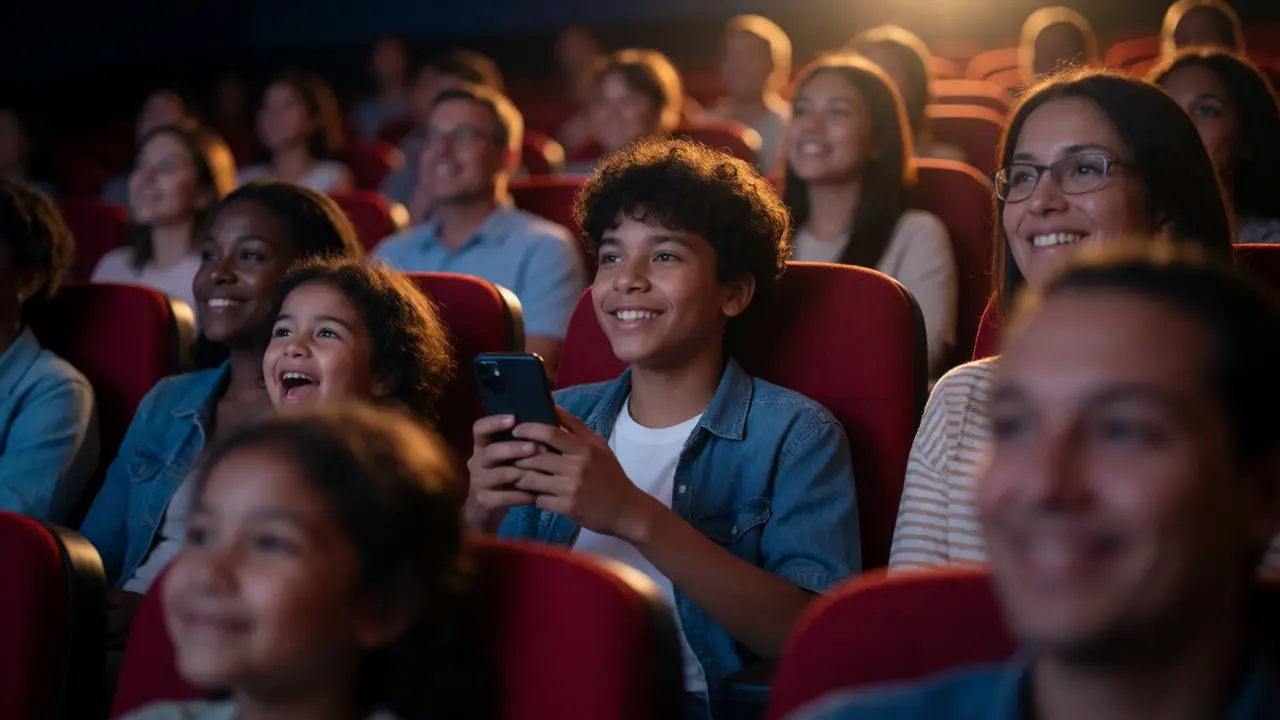
Think about the last time you went to a movie theater on a Saturday afternoon. Who was in the seats? Likely, it wasn't just kids glued to their phones or parents checking watches. It was a mix: teenagers laughing at jokes they understood, grandparents enjoying the music, and adults analyzing the plot twists. This specific demographic cocktail is what Hollywood executives call multi-quadrant appeal, and it’s the secret sauce behind every billion-dollar family animation franchise.
You might wonder why studios keep churning out the fifth installment of a cartoon dog’s adventures instead of taking risks on original adult dramas. The answer isn’t just nostalgia; it’s cold, hard math. Animated films are unique because they don’t alienate any age group. A horror movie scares away children. A romance might bore teenage boys. But a well-crafted animated film? It speaks to everyone simultaneously. That universality reduces financial risk, which is exactly what major studios like Disney, Illumination, and DreamWorks care about most.
The Definition of Multi-Quadrant Success
To understand why this strategy works, we need to define the "quadrants." In industry terms, these are four distinct audience segments: men under 25, women under 25, men over 25, and women over 25. Most movies target one or two of these groups. Action films skew heavily toward young men. Rom-coms target young women. Historical dramas often appeal to older demographics.
Family animation is the only genre that consistently hits all four quadrants. Why? Because the content layers itself. Kids enjoy the slapstick humor and bright colors. Teens appreciate the pop culture references and faster pacing. Adults connect with the emotional depth, voice acting from stars they admire, and themes about parenting or midlife crises. When a film like Inside Out 2 releases, it doesn’t just sell tickets to families; it sells tickets to college students who grew up with the first film and parents who relate to the anxiety themes.
| Genre | Primary Quadrant | Secondary Quadrant | Risk Level |
|---|---|---|---|
| Superhero | Men Under 25 | Men Over 25 | Medium |
| Romantic Comedy | Women Under 25 | Women Over 25 | High |
| Horror | Teens (Mixed) | N/A | Low Budget / High Variance |
| Family Animation | All Four | Global Markets | Low |
Why Sequels Are Safer Than Originals
If you’re a studio executive, your job isn’t to make art; it’s to minimize loss. Developing an original animated feature costs between $150 million and $200 million before marketing. If it flops, that money is gone. But a sequel? You already have brand recognition. Parents know what Despicable Me is. They trust the quality. They trust that their kids will laugh for 90 minutes without throwing popcorn at the screen.
This trust translates directly into pre-sales and opening weekend numbers. Marketing costs drop significantly because you aren’t explaining the premise-you’re reminding people of a feeling. Think about Frozen II. The first film became a cultural phenomenon. The sequel didn’t need to convince anyone that Elsa and Anna were worth watching. It just needed to show them new songs and a slightly darker adventure. The result? Over $1.4 billion worldwide. Compare that to an original hit like Soul or Encanto, which performed well but rarely reach those stratospheric heights immediately upon release.
There’s also the merchandise multiplier. Sequels allow for deeper toy lines, video games, and theme park integrations. A single movie ticket might cost $15, but the ecosystem around a franchise generates billions more. Studios bet on sequels because the infrastructure for monetization is already built.
The Role of Global Markets
Hollywood used to be obsessed with domestic box office numbers. Today, international revenue often accounts for 60% to 70% of a film’s total gross. Here’s where family animation shines brighter than live-action comedies or dramas. Humor based on wordplay or local cultural nuances doesn’t travel well. A joke about American politics falls flat in Japan or Brazil.
But visual comedy? Universal. Physical humor, expressive character animation, and musical numbers translate across borders effortlessly. Look at Paw Patrol: The Movie. It wasn’t critically acclaimed, but it made massive money globally because toddlers everywhere understand a puppy saving the day. For studios, this global consistency makes animated franchises incredibly predictable investments. You can forecast revenue with much higher accuracy when your product appeals to a five-year-old in Ohio and a five-year-old in Shanghai equally.
Case Study: The Minions Phenomenon
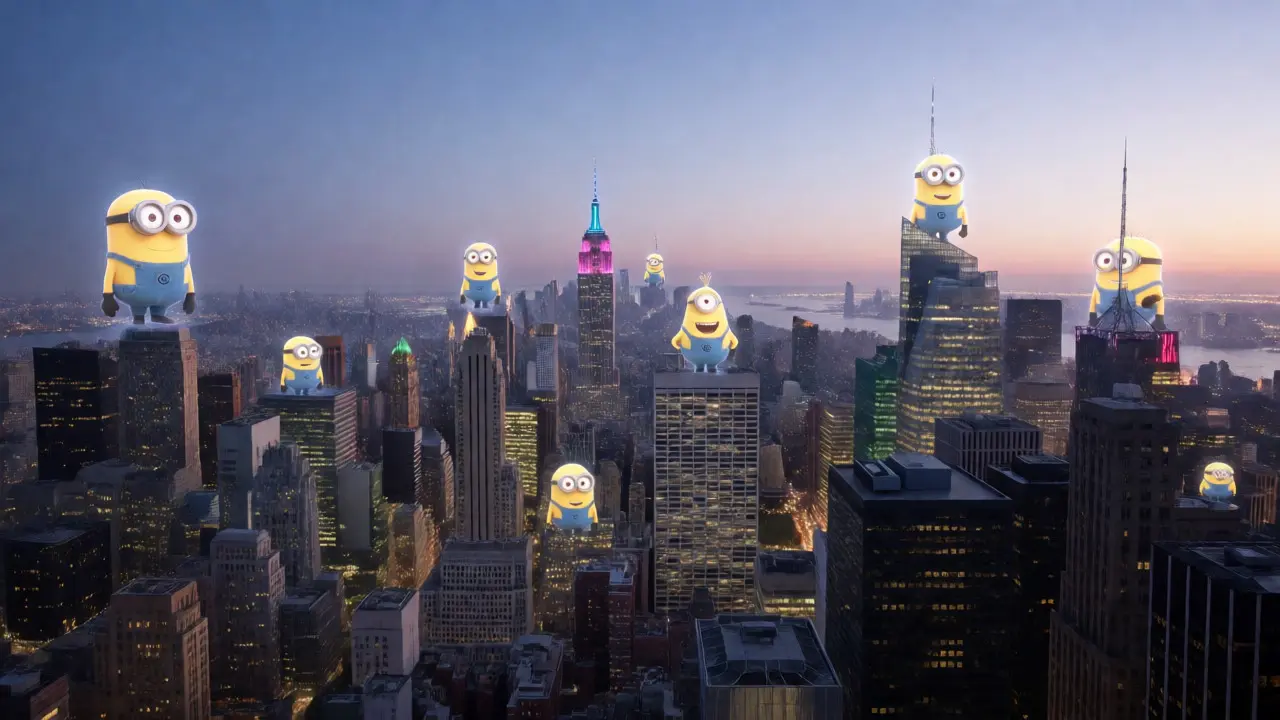
No example illustrates multi-quadrant economics better than the Minions franchise. Originally minor characters in Despicable Me, they spun off into their own series. Critics panned them as shallow. Audiences loved them. Why?
- Kids: Loved the gibberish language and physical comedy.
- Teens: Enjoyed the meme-worthy moments and social media virality.
- Adults: Appreciated the low-stakes, stress-free viewing experience after a long work week.
The result was a combined box office gross exceeding $3.7 billion for the trilogy. That’s not just success; that’s dominance. And notice how few competitors there are in this space. Live-action adaptations of cartoons rarely achieve the same polish or charm. Video game movies are improving, but they still struggle to capture the pure, unadulterated joy that animation provides. This lack of direct competition keeps the profit margins healthy for studios investing in animated IP.
The Risk of Franchise Fatigue
So, if sequels are so safe, why do some fail? Remember Cars 3? Or Trolls World Tour? While profitable, they didn’t match the initial hype. This brings us to the concept of diminishing returns. Audiences get bored if the formula doesn’t evolve.
Studios mitigate this by changing the tone or introducing new characters. Spider-Man: Across the Spider-Verse succeeded because it expanded the universe visually and narratively, appealing to comic book fans and casual viewers alike. It wasn’t just another superhero movie; it was an artistic statement wrapped in a blockbuster shell. When a sequel feels fresh, even within a known framework, it re-engages the multi-quadrant audience. When it feels like a cash grab with recycled jokes, the adults stop showing up, and the box office dips.
Another pitfall is oversaturation. Releasing too many spin-offs too quickly dilutes the brand. Imagine if Disney released three Frozen shorts and a full-length movie every year. People would tune out. Timing matters. Gaps between releases build anticipation. Five years between Incredibles 1 and 2 allowed the audience to grow up, making the sequel feel like a reunion rather than a chore.
What This Means for Future Announcements
As we look at upcoming slate announcements for 2026 and beyond, expect more of the same. Studios aren’t gambling on wild originals unless they have a proven director attached (like Hayao Miyazaki or Pete Docter). Instead, you’ll see titles like Shrek 5, Toy Story 5, and various Illumination spin-offs dominating the headlines.
For investors and fans, this means stability. The market won’t crash because one animated flop takes down a studio. The portfolio approach-mixing big tentpole sequels with smaller, niche animated films-keeps the lights on. But for creatives, it’s a double-edged sword. Getting an original idea greenlit is harder than ever. You need a hook that promises multi-quadrant potential. Can your story entertain a toddler and challenge a philosopher? If yes, you’ve got a shot.
Ultimately, the persistence of family animation franchises isn’t about laziness. It’s about understanding human psychology. We all want to escape reality for two hours. We all want to laugh. And we all want to share that experience with our families. As long as studios deliver that shared joy, the sequels will keep coming.
What does multi-quadrant appeal actually mean?
It refers to a movie's ability to attract audiences from all four key demographic quadrants: men and women both under and over the age of 25. Family animation achieves this by layering humor and themes that resonate with different ages simultaneously.
Why are animated sequels less risky than live-action ones?
Animated films have broader global appeal because visual storytelling transcends language barriers. Additionally, the established brand loyalty of a franchise ensures strong opening weekends, reducing the uncertainty associated with marketing new concepts.
Do critics hate animated sequels?
Not necessarily. While some critics complain about franchise fatigue, many animated sequels receive high ratings if they innovate visually or deepen character arcs. Films like Spider-Man: Into the Spider-Verse prove that sequels can be critical darlings.
How much do marketing costs differ between originals and sequels?
Marketing a sequel is generally cheaper because the audience already knows the characters. Studios spend less on awareness campaigns and more on highlighting new elements, whereas originals require extensive education on the premise and world-building.
Is there a limit to how many sequels a franchise can support?
Yes, franchise fatigue sets in when releases become too frequent or creatively stagnant. Successful franchises manage this by spacing out releases and ensuring each entry offers significant narrative or visual evolution.





Comments(6)