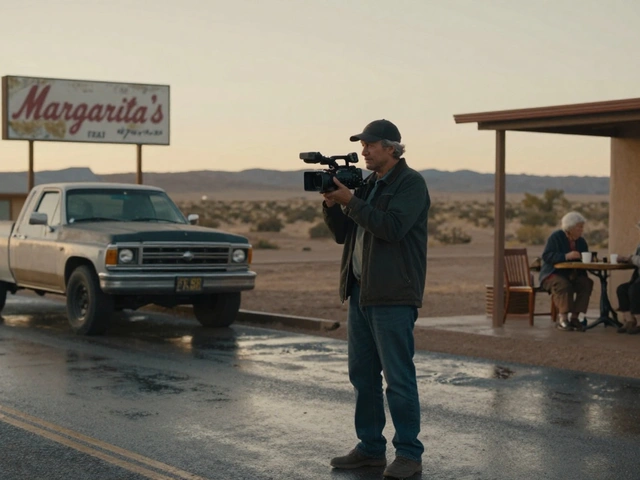
There is a persistent myth in Hollywood that you need millions of dollars to make a movie worth watching. The reality? Some of the most critically acclaimed and commercially successful films of the last decade were made for less than the cost of a single luxury car. We are talking about micro-budget filmmaking, where the ceiling is often set at $250,000 or even lower. It is not about cutting corners until the product feels cheap; it is about strategic resource allocation where every dollar has a specific job to do.
If you are an aspiring director, producer, or cinematographer looking to break into the industry, understanding how these lean productions work is essential. You don't need studio backing to tell a compelling story. You need a tight script, a motivated crew, and a clear vision. Here is how independent filmmakers squeeze maximum quality out of minimal funds without sacrificing the soul of their project.
The Economics of Lean Production
To understand micro-budget filmmaking, you first have to unlearn the habits of traditional studio production. In a big-budget film, money is used to hide problems. If the lighting is bad, they add more lights. If the location is noisy, they shoot more takes. In a micro-budget production, there is no margin for error. Every decision must serve the narrative or the visual style.
A typical $250,000 budget breaks down differently than a $20 million one. Instead of spending 40% on cast and 30% on post-production, a lean film might allocate 15-20% to talent (often union scale or deferred pay), 30-40% to camera and sound equipment, and the rest to logistics like food, transport, and insurance. The key metric here is efficiency. A micro-budget film usually shoots in 10 to 15 days. That means you are averaging $16,000 to $25,000 per shooting day. This forces the pre-production phase to be incredibly rigorous. You aren't just planning shots; you are planning every second of those 15 days because overtime kills budgets faster than anything else.
Scripting for Efficiency
The script is your most expensive asset if written poorly. For micro-budget filmmaking, the rule of thumb is simple: fewer locations, fewer characters, and contained timeframes. Think of films like Whiplash is a psychological drama that primarily takes place in a jazz practice room and a school hallway. Or Sicario which, while higher budget, relies heavily on atmospheric tension rather than large-scale action sequences.
Why does this matter? Location changes eat up half a day. Moving a crew from a house to a street to a warehouse involves loading trucks, setting up lights, and resetting sound. If you can shoot 80% of your film in two locations, you save thousands in logistics and setup time. Similarly, limit your principal cast to four or five people. More actors mean more scheduling conflicts, more wardrobe changes, and more lines to memorize. A tight ensemble allows for deeper character development without logistical nightmares.
Casting and Crew Strategy
Talent is often the biggest line item, but it doesn't have to be. Many micro-budget films rely on "deferred deals" where actors agree to take a smaller upfront fee in exchange for a percentage of backend profits. This aligns incentives: everyone wants the film to succeed. However, trust is currency here. Actors will only defer if they believe in the director's vision and the project's marketability.
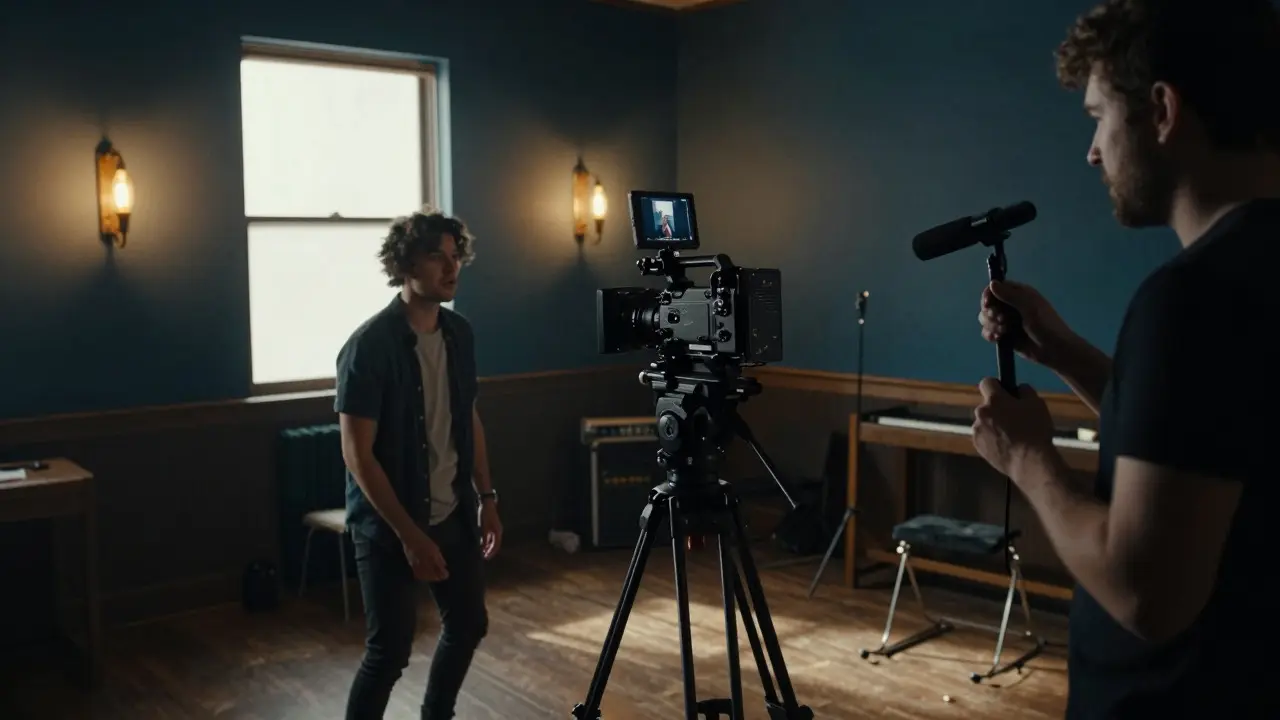
Your crew should be small but highly skilled. A standard feature film crew can have 50+ people. A micro-budget crew might have 12 to 15. This requires versatility. Your Director of Photography (DP) might also handle lighting design. Your production designer might help with props. Look for generalists who love collaboration over specialists who require strict roles. This flexibility reduces headcount costs and fosters a tighter creative bond. When the crew is small, communication is direct. There are no layers of management slowing down decisions. If the light isn't working, the DP talks directly to the gaffer, not through a chain of command.
Technical Choices: Gear vs. Skill
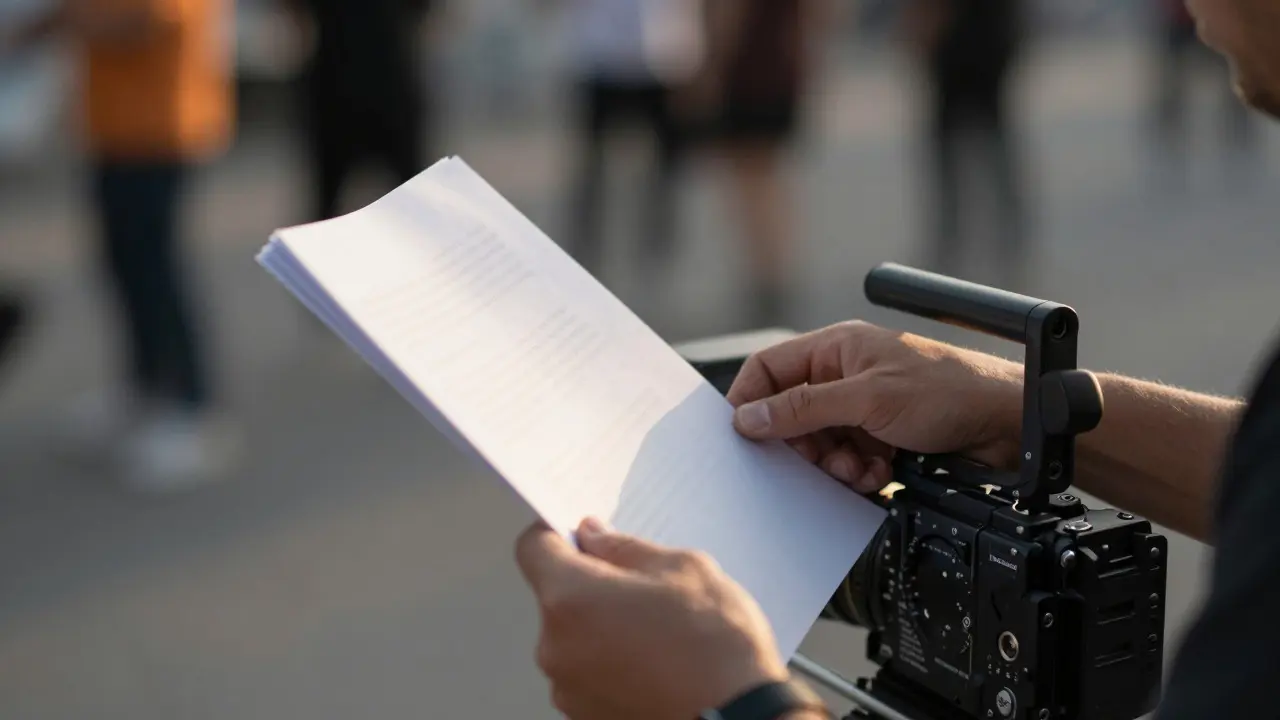
You do not need ARRI Alexa cameras to make a beautiful film. In fact, some of the best micro-budget films use digital cinema cameras like the Sony FX series or Blackmagic Design Pocket Cinema Camera because they are affordable, compact, and produce high-quality images. The key is knowing what you are doing with the gear you have.
Lighting is where many beginners fail. They think they need expensive HMI lights. Instead, focus on practicals-lamps, candles, neon signs, and natural light. Practical sources are free (or already paid for as part of the set design) and they look organic. Mastering natural light allows you to shoot during golden hour or blue hour, creating cinematic looks without renting expensive generators. Sound is equally critical. Bad audio is harder to fix in post than bad video. Invest in a good shotgun microphone and a wireless lav system. These are relatively inexpensive compared to cameras but make a massive difference in perceived quality.
| Category | Standard Studio Approach | Micro-Budget Approach |
|---|---|---|
| Casting | High upfront fees, star power | Deferred pay, passion projects, local talent |
| Locations | Multiple sets, built environments | 2-3 real-world locations, minimal dressing |
| Camera | Top-tier cinema cameras, heavy rigs | Digital cinema cameras, lightweight setups |
| Post-Production | Large team, extensive VFX | Small team, practical effects, minimal VFX |
Post-Production on a Shoestring
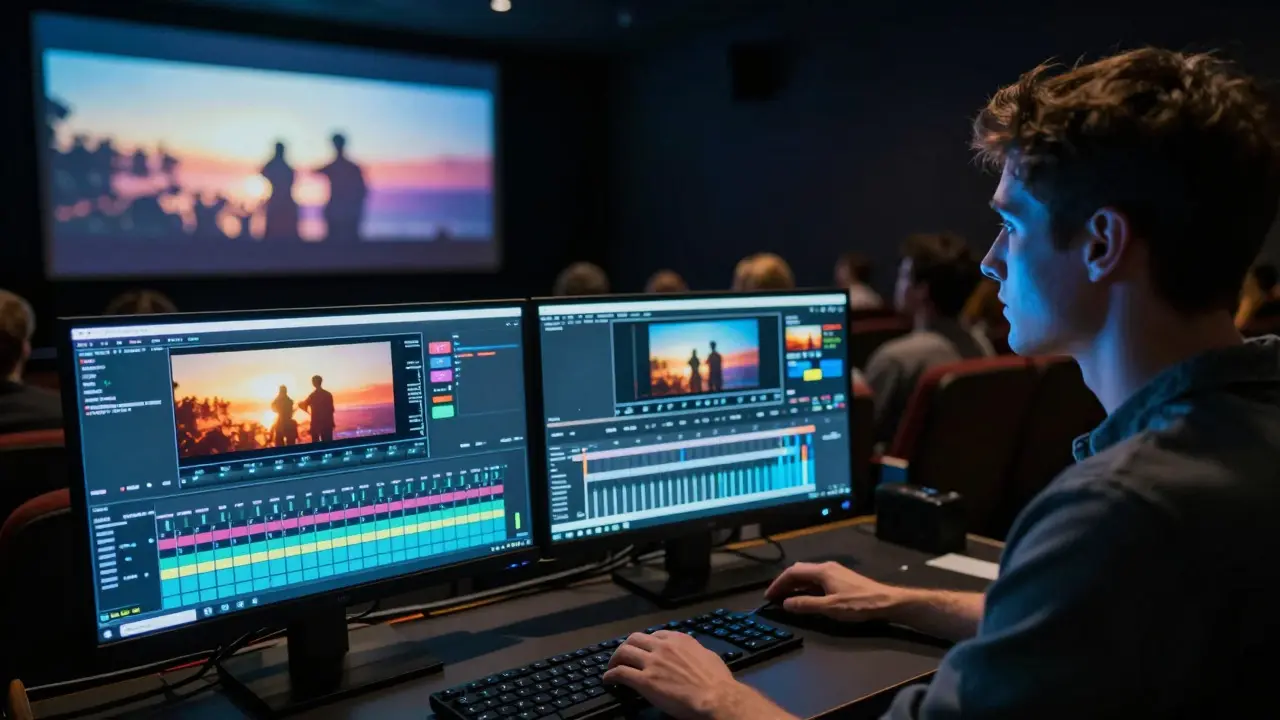
Post-production is where micro-budget films can either shine or sink. With limited funds, you cannot afford weeks of re-shoots or complex visual effects. The solution is editing. A great editor can cut a film together so tightly that flaws in performance or coverage become invisible. Focus on pacing. Fast, rhythmic editing can mask technical limitations. Use music strategically. A strong score can elevate emotional beats that might otherwise feel flat due to lack of polish.
Color grading is another area where skill beats money. Modern software like DaVinci Resolve offers professional-grade color correction for free or a one-time license fee. You don't need a $50,000 grading suite. You need an eye for contrast, saturation, and mood. Many micro-budget films adopt a distinct visual palette early in pre-production, making the grading process faster and more consistent. This consistency creates a cohesive look that feels intentional rather than accidental.
Finding Distribution and Funding
Making the film is only half the battle. You need to get it seen. Micro-budget films thrive on festivals. Target niche festivals that specialize in independent cinema, horror, or documentary styles relevant to your project. Festivals provide exposure, potential buyers, and credibility. Build relationships with programmers and distributors before you finish filming. Send sizzle reels and scripts early.
Funding options include grants, tax incentives, and crowdfunding. Tax incentives are huge. States like Georgia, New Mexico, and Louisiana offer rebates that can return 20-30% of your spend. Crowdfunding platforms like Kickstarter work well if you have an existing audience. Offer unique perks, such as behind-the-scenes access or name credits. But remember, distribution is a marathon. Have a plan for marketing from day one. Create social media content during production. Engage with potential audiences. Build hype while you still have the momentum of creation.
Common Pitfalls to Avoid
Even experienced filmmakers fall into traps when working with limited resources. The most common mistake is scope creep. Starting with a simple idea but adding scenes, characters, or locations because they seem "cool." Every addition costs time and money. Stick to the core concept. Another pitfall is underestimating post-production time. Editing a feature film takes months. Plan for this. Do not promise release dates based on shooting completion. Finally, ignore the legal side. Work-for-hire agreements, usage rights for music, and location permits are non-negotiable. One lawsuit can wipe out your entire budget. Protect your assets legally from the start.
Frequently Asked Questions
What is the average budget for a micro-budget film?
A micro-budget film typically ranges from $50,000 to $250,000. Some ultra-low-budget films are made for under $10,000, but $250,000 is often considered the upper limit for this category, allowing for basic professional standards in camera, sound, and post-production.
How long does it take to shoot a micro-budget film?
Most micro-budget features are shot in 10 to 15 days. This short timeline requires meticulous pre-production and efficient on-set workflows. Overtime is a major risk, so scheduling buffer days is crucial to avoid budget overruns.
Do I need expensive cameras to make a good film?
No. While high-end cinema cameras offer certain advantages, modern digital cinema cameras like the Sony FX series or Blackmagic Design models produce high-quality images suitable for theatrical release. Lighting, composition, and storytelling are far more important than the camera brand.
How can I finance a micro-budget film?
Financing options include personal savings, private investors, tax incentive rebates, grants, and crowdfunding. Deferred deals with actors and crew can also reduce upfront cash flow needs. Combining multiple funding sources is common for independent productions.
What is the biggest mistake new directors make?
Scope creep is the most common error. Adding unnecessary scenes, locations, or characters inflates costs and delays production. Sticking to a tight, focused script and limiting location changes helps maintain budget control and production efficiency.