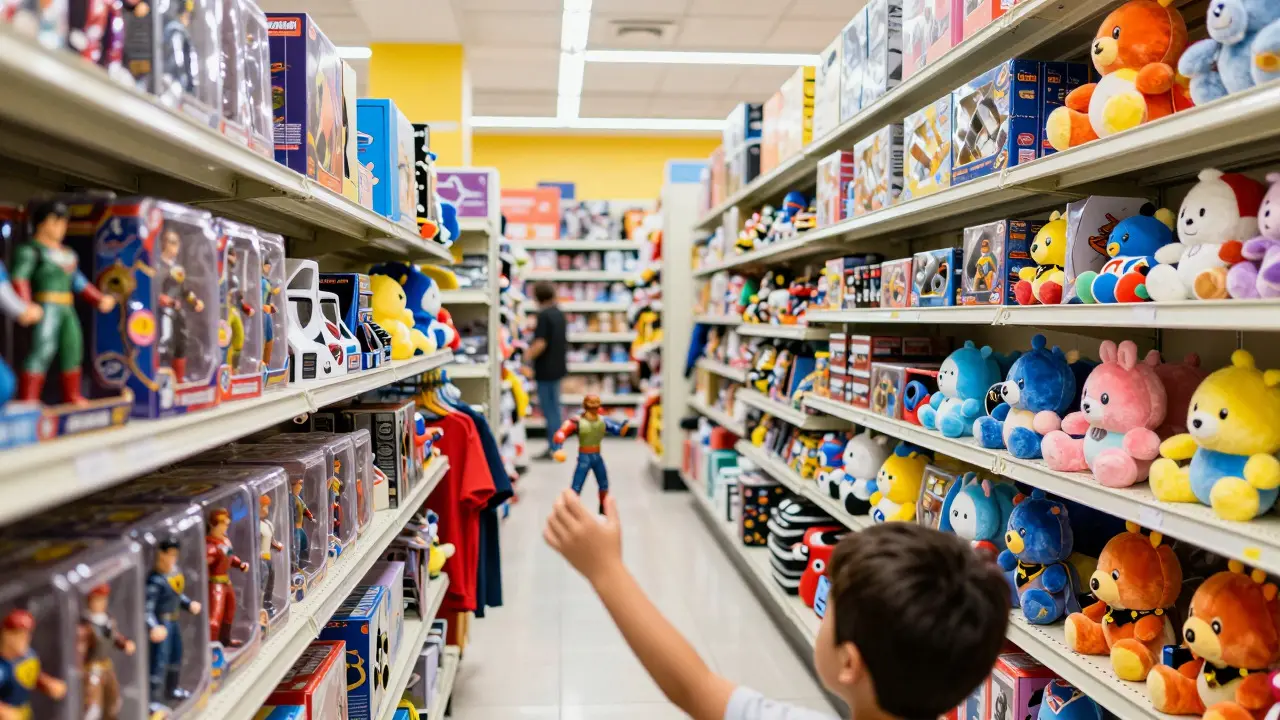
Ever noticed how a movie trailer ends with a toy commercial? That’s not an accident. It’s a calculated move to turn screen time into shelf space. For major studios, merchandising revenue is no longer just extra pocket change; it’s often the engine that keeps blockbusters profitable long after ticket sales dip. We’re talking about billions of dollars flowing from action figures, video game tie-ins, and even breakfast cereals.
But how does this actually work? And why do some movies generate massive licensing fees while others sit on shelves gathering dust? Let’s break down the economics behind turning characters into consumer goods.
The Real Money Maker: Beyond Box Office
Many people think a film’s success is measured solely by its opening weekend numbers. But in the modern entertainment industry, the box office is just the tip of the iceberg. The real financial muscle comes from ancillary revenues, and merchandising is a huge chunk of that pie. When a studio greenlights a project, they look at the potential for "IP extension." This means asking: Can we sell this character as a plushie? Can we make a mobile game? Can we partner with a sneaker brand?
Consider the difference between a standard drama and a superhero franchise. A dramatic film might earn $100 million at the box office and stop there. A superhero film might earn $500 million at the box office, but then another $300 million from home video, streaming rights, and merchandise. In fact, for top-tier franchises, non-theatrical revenue can exceed theatrical revenue by 20-40%. This shift has changed how stories are told. Writers now know that if a character isn't visually distinct or doesn't have a clear silhouette, they might not get a toy line. Design influences narrative.
| Revenue Source | Average Share of Total IP Value | Key Drivers |
|---|---|---|
| Box Office | 40-60% | Opening weekend, word-of-mouth, marketing spend |
| Home Video/Streaming | 20-30% | Digital rental, physical media (declining), subscription libraries |
| Merchandising/Licensing | 15-25% | Toys, apparel, games, food brands, theme parks |
| Theme Parks/Experiences | 5-10% | Rides, meet-and-greets, exclusive retail |
How Licensing Deals Actually Work
So, how does a studio get paid for putting their logo on a lunchbox? It’s called a licensing deal. The studio (the licensor) grants permission to a company (the licensee) to use the intellectual property on a product. In exchange, the licensee pays two main things:
- Minimum Guarantees (MG): This is a fee paid upfront or over time, regardless of how many units sell. It protects the studio against poor sales.
- Royalties: A percentage of the wholesale price of each unit sold. This usually ranges from 5% to 15%, depending on the category and the strength of the IP.
For example, if a toy company sells a $20 action figure, and the royalty rate is 10%, the studio gets $2 per figure. If they sell one million figures, that’s $2 million in royalties. Add in the minimum guarantee, say $500,000, and the studio walks away with $2.5 million without lifting a finger. Multiply that across toys, clothes, books, and games, and you see why these deals are lucrative.
But here’s the catch: the studio has to vet the products. They don’t want cheap, poorly made items ruining their brand reputation. So, they send out "art approvals" where the licensee must submit designs for sign-off. This process can take months, which is why you often see merchandise hit stores weeks before the movie releases. It’s a logistical dance.
Toys: The Primary Merchandise Driver
When we talk about film merchandising, toys are king. Why? Because children drive purchase decisions, and parents are willing to spend significantly on items that connect to what their kids watch. The toy industry is highly competitive, and having a strong film IP is like having a golden ticket.
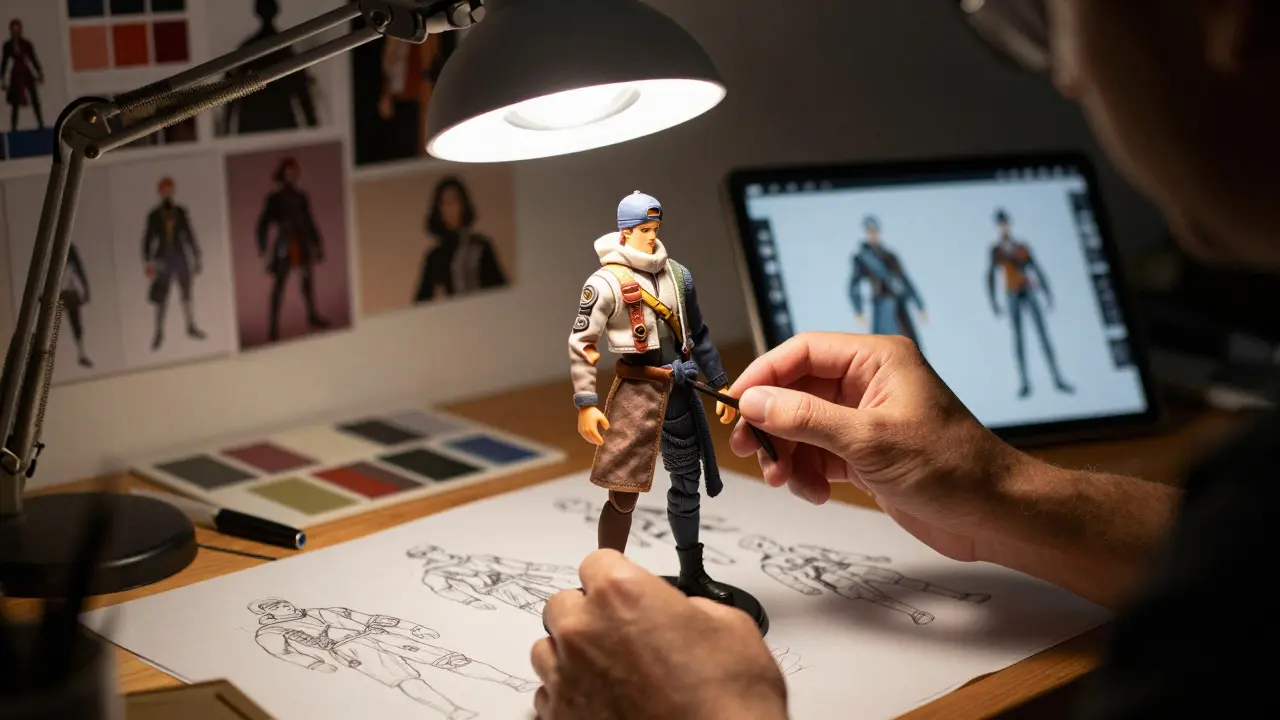
Take a recent blockbuster. The toy division of a major manufacturer will start designing figures six to eight months before release. They test focus groups with kids. If a side character resonates more than the hero, they might pivot production. This agility is crucial. A single misstep-like producing too many units of a unpopular villain-can wipe out profits for that specific SKU (Stock Keeping Unit).
Furthermore, exclusivity matters. You’ll often see certain toys only available at specific retailers, like Target or Walmart. This creates urgency and drives foot traffic. The studio earns a cut, the retailer gets exclusive content, and the consumer feels like they found a secret treasure. It’s a win-win-win scenario, provided the product quality holds up.
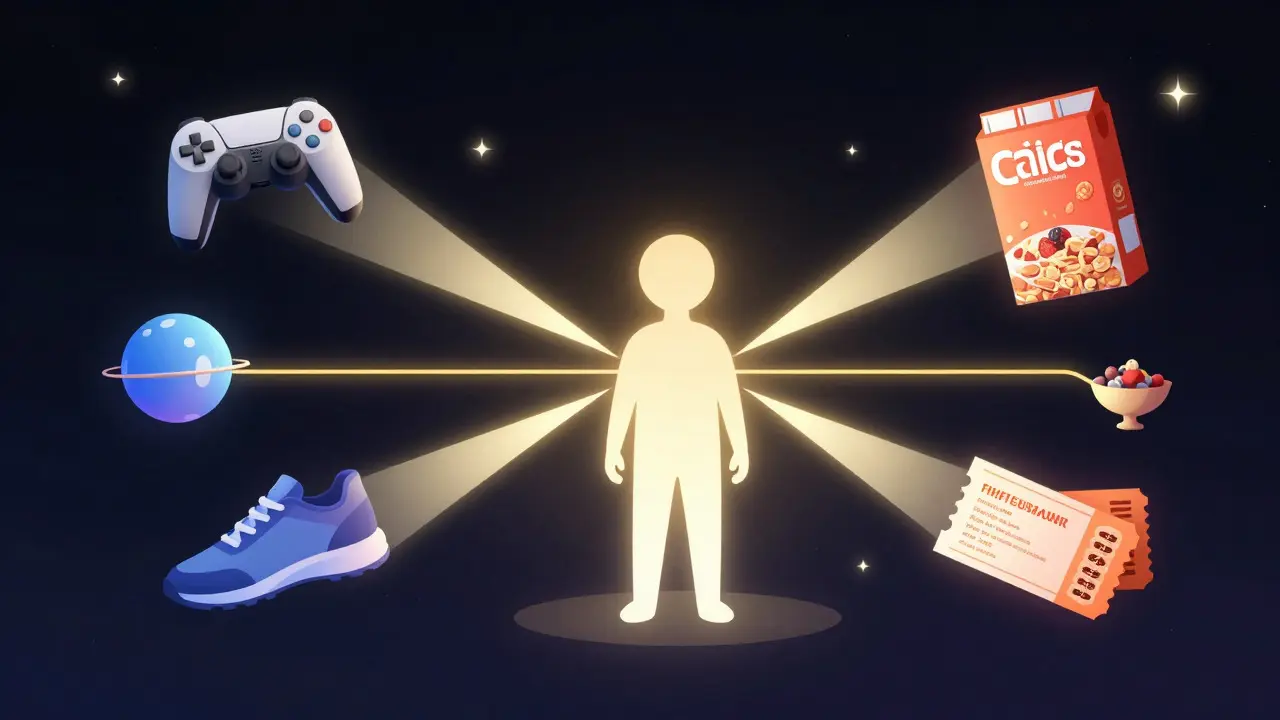
Gaming and Digital Extensions
It’s not just plastic figures anymore. Video games have become a massive part of the film IP ecosystem. Unlike traditional toys, digital games have lower marginal costs once developed. However, they require significant upfront investment. A mid-range console game tied to a movie might cost $30-$50 million to develop. If it flops, the losses are steep. If it hits, the revenue streams are immediate and global.
Mobile games are another beast entirely. These are cheaper to produce but rely on aggressive user acquisition and microtransactions. Studios often license their IP to mobile developers who specialize in hyper-casual or gacha-style games. The revenue share here can be higher for the developer, but the volume is enormous. Think of the endless stream of puzzle games featuring popular animated characters. They may not be critically acclaimed, but they print money.
Then there’s the emerging world of NFTs and blockchain gaming. While still niche, some studios are experimenting with digital collectibles. The idea is to create scarcity and ownership in a digital space. Whether this becomes a mainstream revenue driver remains to be seen, but it’s certainly a conversation happening in boardrooms right now.
Beyond Toys: Apparel, Food, and Experiences
Merchandising extends far beyond the toy aisle. Apparel is a huge sector, especially for adult fans. T-shirts, hoodies, and sneakers featuring iconic logos or character art can sell for premium prices. Collaborations between fashion houses and film studios are increasingly common. A limited-edition sneaker drop can sell out in minutes, generating buzz and secondary market hype.
Food and beverage licensing is also surprisingly profitable. Cereals, snacks, and drinks often feature film characters to appeal to families. The margins on food products are lower than toys, but the volume is high. Plus, it keeps the brand visible in daily life, not just during movie nights.
Finally, theme park experiences represent the highest-end form of merchandising. Building a ride or attraction costs hundreds of millions, but the lifetime value of a guest visiting a themed land is immense. These experiences extend the IP’s lifespan for decades. Long after the sequel is forgotten, the ride remains a cash cow.
Why Some Movies Fail at Merchandising
Not every film is a merchandising goldmine. Success depends on several factors:
- Visual Clarity: Can you recognize the character in a silhouette? Simple, bold designs translate better to products.
- Emotional Connection: Do audiences care enough to buy something? Fan passion drives repeat purchases.
- Timing: Products must be ready when the hype peaks. Late releases miss the window.
- Quality Control: Poorly made items lead to bad reviews, which hurt future sales.
Independent films rarely have merchandising deals because the budget for development and marketing is too low. The return on investment simply isn’t there unless the film becomes a cult classic overnight. Even then, the licensing deals are smaller and less structured.
The Future of Film IP Monetization
Where is this heading? Personalization is growing. Fans want unique items, not mass-produced copies. Limited editions, custom options, and interactive experiences are becoming standard. Technology is also playing a role. Augmented reality (AR) apps that let you "place" a toy in your room before buying are boosting conversion rates. Virtual try-ons for apparel are reducing return rates.
As streaming continues to grow, the definition of a "blockbuster" is changing. A show that trends on social media for a week can generate more immediate merchandise sales than a film that fades quickly. Studios are adapting by creating content specifically designed for short-term viral moments, ensuring that the merchandising pipeline stays full.
In short, merchandising isn’t just selling stuff. It’s extending the story, deepening the fan connection, and securing the financial future of the IP. For anyone in the film industry, understanding these dynamics isn’t optional-it’s essential.
What is a typical royalty rate for film merchandise?
Royalty rates typically range from 5% to 15% of the wholesale price, depending on the product category and the strength of the intellectual property. High-profile franchises command higher rates.
How long before a movie releases should merchandise be ready?
Ideally, merchandise should be in stores 2-4 weeks before the film’s release. This allows for initial hype and ensures products are available when consumer interest peaks.
Do independent films ever get merchandising deals?
Rarely. Independent films usually lack the budget and guaranteed audience reach to justify the cost of developing and marketing merchandise lines, unless they achieve unexpected viral success.
Which product category generates the most revenue for film IPs?
Toys and collectibles generally generate the highest revenue per unit due to higher price points and strong demand from collectors and children. However, apparel and digital games contribute significantly to total volume.
How do studios control the quality of licensed products?
Studios use art approval processes where licensees must submit designs for sign-off. They may also conduct factory inspections and require samples before mass production begins to ensure brand consistency.



Comments(6)