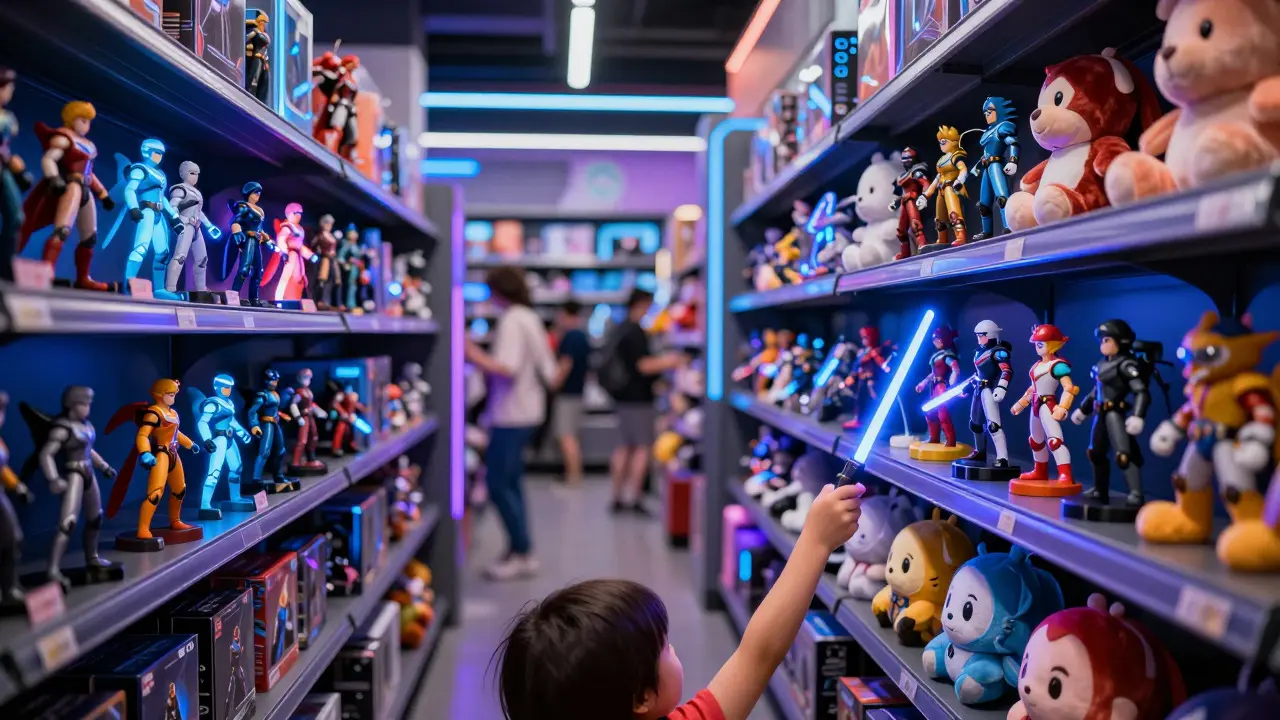
Think about the last time you bought a coffee mug with a cartoon character on it. You didn't buy it because you needed another cup. You bought it because you liked that character. That simple transaction is the engine driving billions of dollars in global revenue every year. For major entertainment franchises, the movie or TV show is often just the launchpad. The real money is made long after the credits roll, through merchandising and licensing deals that put their characters on everything from action figures to toothpaste.
The Economics of Character IP
To understand why studios care so much about toys and t-shirts, you have to look at how they value Intellectual Property (IP). A single film might gross $1 billion at the box office, but that money has to cover production costs, marketing, and theater cuts. What remains is profit. Now, imagine that same character generating an additional $500 million over the next three years without needing to shoot a single new scene. That is the power of licensing.
Licensing allows rights holders to grant permission to third-party companies to use their characters, logos, or storylines on products. In exchange, the licensee pays a royalty-usually a percentage of the wholesale price. This creates a low-risk, high-reward stream of income for the studio. Unlike producing a sequel, which requires actors, sets, and months of post-production, licensing relies on existing assets. It is essentially selling the right to print your logo on a product.
How Licensing Deals Work
The process of turning a character into a commercial empire involves several key players. First, there is the licensor, typically the studio or production company that owns the rights. Next, there are licensees, which are manufacturers who produce the physical goods. Finally, there are retailers, who sell the items to consumers.
These deals are complex legal agreements. They specify exactly where the product can be sold, what quality standards must be met, and how long the rights last. For example, a toy company might get exclusive rights to make plush versions of a character for two years. If they miss sales targets, the rights could be revoked. This competitive pressure ensures that licensees actively market the products rather than letting them sit on shelves.
| Revenue Source | Risk Level | Profit Margin | Time to Market |
|---|---|---|---|
| Box Office | High | Variable (often negative initially) | Immediate |
| Streaming Rights | Medium | High | 6-12 Months |
| Merchandising & Licensing | Low | Very High (70%+) | 3-18 Months |
The Role of Consumer Psychology
Why do people actually buy these things? It isn't just nostalgia. Merchandising taps into identity and community. When a fan wears a shirt featuring their favorite superhero, they are signaling their belonging to a specific group. This social currency drives repeat purchases. Children want the same backpack as their friend; adults collect limited-edition vinyl records or apparel to display their taste.
Studios leverage this by creating "drop culture." Instead of flooding the market, they release limited quantities of merchandise. This creates urgency and scarcity. If you don't buy the jacket now, it might never come back. This strategy transforms casual buyers into dedicated collectors, increasing the lifetime value of each customer.

Case Studies: From Toys to Tech
Look at the success of major franchises like Star Wars is a media franchise created by George Lucas that spans films, television, books, and extensive merchandise lines. Since its inception, the franchise has generated more revenue from merchandise than from theatrical releases. The lightsaber became a cultural icon not just because of the movies, but because it was one of the first mass-produced electronic toys that felt like a prop from the screen.
Another example is Pokémon, which started as a video game franchise and expanded into trading cards, anime, and global merchandise. The trading card game alone generates hundreds of millions annually. The synergy between the digital experience and physical collectibles keeps fans engaged across multiple platforms. You play the game, watch the show, and then trade the cards. Each element feeds the other.
Challenges in the Modern Market
It is not all smooth sailing. The rise of e-commerce has changed the landscape. Consumers now compare prices globally, which squeezes margins for retailers. Additionally, oversaturation can lead to brand fatigue. If every surface is covered in a character's face, the novelty wears off quickly. Studios must balance visibility with exclusivity to keep the brand desirable.
Quality control is another hurdle. A poorly made toy can damage a brand's reputation faster than a bad review of a movie. Fans are vocal, and social media amplifies complaints instantly. Therefore, licensors spend significant resources inspecting factories and ensuring that the final product meets high standards. A cracked plastic figure is not just a defective item; it is a broken promise to the fan.
The Future of Franchise Commerce
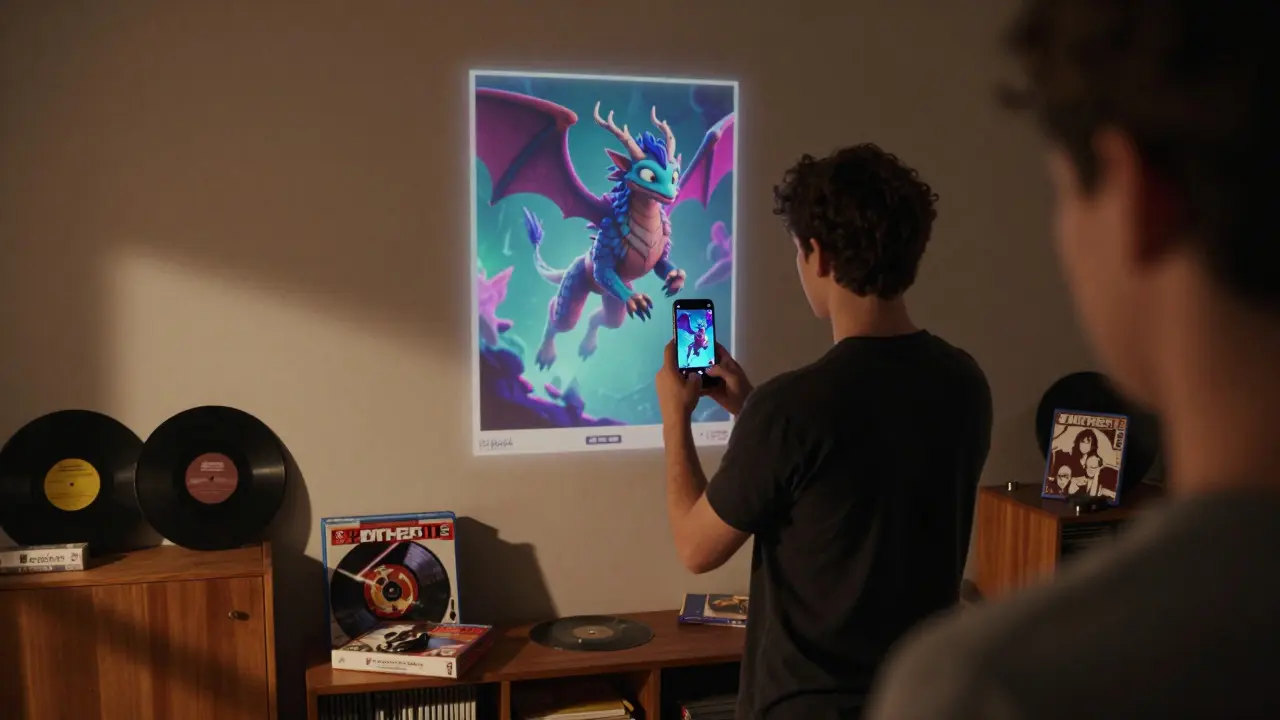
Where does this go from here? Technology is introducing new dimensions. Augmented Reality (AR) apps allow users to point their phones at a poster and see the character move. Digital collectibles, such as NFTs, offer a way to own unique pieces of franchise history without physical shipping. While the hype around digital assets fluctuates, the underlying principle remains: fans want to own a piece of the world they love.
As franchises expand into interactive experiences, theme parks, and video games, the lines between content and commerce blur further. The boundary between watching a movie and buying a ticket to a ride is disappearing. The most successful franchises will be those that create seamless ecosystems where the story continues whether you are on the couch, in the store, or in the park.
Frequently Asked Questions
What is the difference between merchandising and licensing?
Licensing is the legal agreement that grants permission to use IP on a product. Merchandising is the broader business activity of promoting and selling those products. You can think of licensing as the contract and merchandising as the execution and sales strategy.
How much do studios earn from licensing royalties?
Royalties typically range from 5% to 15% of the wholesale price of the product. However, for highly popular franchises, rates can be higher due to demand. These percentages apply to the price paid by the retailer, not the final retail price to the consumer.
Why do some franchises fail at merchandise despite successful movies?
Failure usually stems from poor character design for mass production, lack of emotional connection, or timing issues. If the product launches too late after the movie, audience interest may have waned. Conversely, launching too early means fans haven't yet formed an attachment to the characters.
Is merchandise more profitable than box office revenue?
For many major franchises, yes. While box office revenue is immediate, it is shared with theaters and distributors. Merchandise profits are retained almost entirely by the rights holder and licensees, leading to higher net margins over the long term.
How do brands protect their merchandise from counterfeits?
Brands use legal enforcement, secure supply chains, and authentication technologies like holographic stickers or QR codes. They also monitor online marketplaces regularly to remove unauthorized sellers. Consistent branding helps consumers spot fakes easily.




Comments(9)