There is a common myth that the Director is the sole author of a film. In reality, you are often managing two very different bosses: the studio executives in the boardroom and the lead actors on set. Understanding the political dynamics between creative vision and financial reality is just as critical as mastering camera angles or lighting.
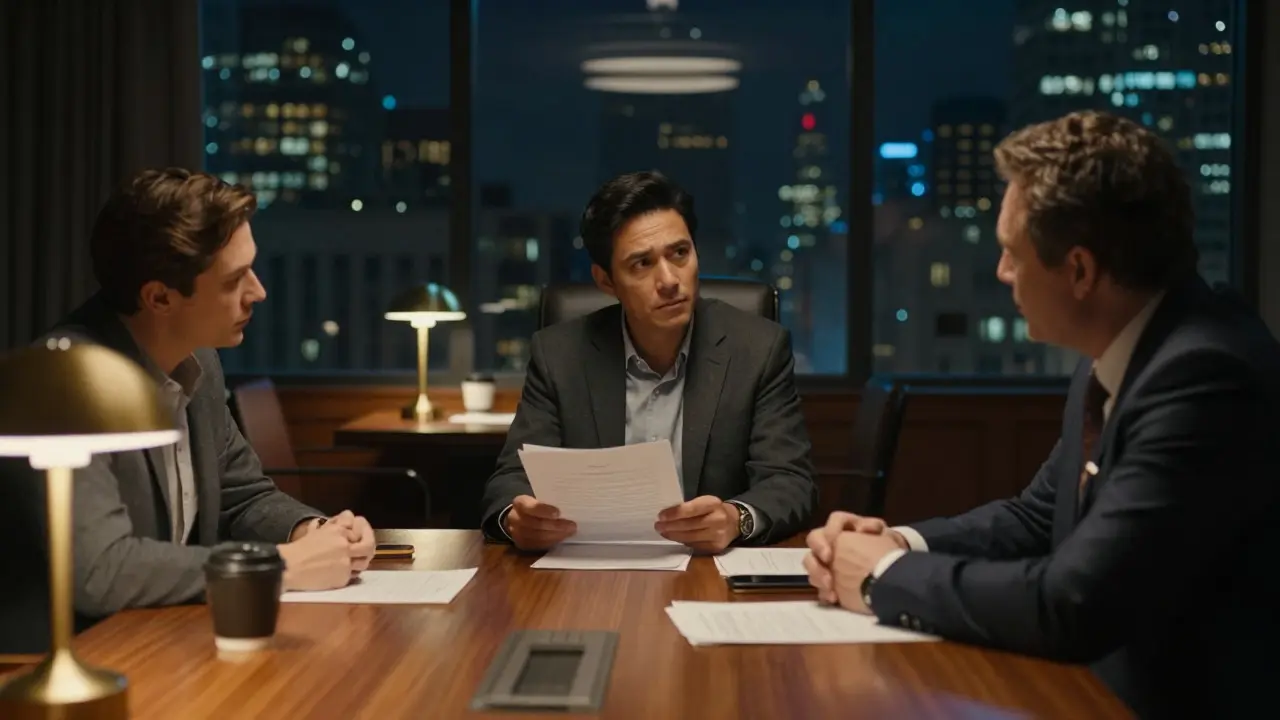
If you think your job ends when the cameras stop rolling, think again. The real work begins in the meeting rooms where budgets are slashed and scripts are rewritten at 2 AM. This isn't about ego; it's about survival. A film that looks beautiful but goes over budget by 20% will likely never see the light of day. Here is how to navigate the minefield of producer relationships and performance notes without losing your sanity or your movie.
The Producer-Director Dynamic: More Than Just Money
First, let’s define the roles clearly. A Producer is responsible for the business side of filmmaking. They secure financing, hire key staff, manage the schedule, and ensure the project stays within its financial constraints. While the Director focuses on artistic expression, the Producer focuses on risk mitigation. These two roles are inherently in tension because one prioritizes creativity while the other prioritizes efficiency.
This tension is not always negative. In fact, the best films often come from a healthy friction between these two forces. When a Producer asks, "Why do we need three days of rain effects?" they aren't trying to kill your art; they are trying to keep the company solvent. Your job is to translate your artistic intent into business language. Instead of saying, "The rain represents the protagonist's internal turmoil," try explaining, "The rain sequence is the emotional climax of Act Two, and cutting it weakens the audience's connection to the main character."
You must also understand the different types of producers you might encounter:
- Line Producers: They handle the day-to-day logistics and budget tracking. They are your daily partners on set.
- Executive Producers: They often have a financial stake or industry clout. They care more about the final product's marketability than the specific shots.
- Creative Producers: They are involved in the script and casting. They may offer more direct input on the story, which can be helpful or intrusive depending on their experience.
Decoding Production Notes: Friend or Foe?
No aspect of directing generates more anxiety than receiving notes from above. Whether it comes from the Studio Head, the Lead Actor, or the Focus Group, notes feel like an attack on your vision. But here is the secret: most notes are not about what you did wrong; they are about what the recipient is afraid of missing.
When a Producer says, "The second act feels slow," they are rarely commenting on your pacing technique. They are expressing fear that audiences will leave the theater before the third act. When an Actor says, "My motivation here is unclear," they are asking for permission to make the scene more interesting for themselves. Your task is to separate the emotion from the instruction.
Here is a practical framework for handling notes:
- Listen actively: Let them finish speaking without interrupting. Often, the real issue is buried under three layers of complaint.
- Ask clarifying questions: "What specifically felt slow? Was it the dialogue or the visual repetition?" This forces them to be concrete.
- Translate the note: Convert their subjective feeling into an objective problem. "They feel bored" becomes "We need to increase the stakes in this scene."
- Offer options, not ultimatums: Present two solutions. One should be their suggestion, and the other should be your preferred approach. People support what they help create.
Negotiating Creative Control Without Burning Bridges
Creative control is a spectrum, not a binary switch. You don't get total freedom, nor are you a puppet. You operate in the middle ground where compromises happen. To maintain influence, you need to build trust early. Producers back directors who communicate proactively. If you wait until the last minute to reveal a costly change, you lose leverage. If you present a problem with three potential solutions and cost estimates, you look like a partner, not a liability.
One powerful tool is the "look book" or reference reel. Before pre-production, create a visual document that shows exactly what you intend to shoot. Share this with the Producer and key stakeholders. When everyone has seen and approved the visual direction, it becomes much harder for them to object later. It shifts the conversation from "Do I like this?" to "Is this what we agreed upon?"
Also, remember that silence is golden. Not every decision needs to be discussed. If a shot works and no one has complained, leave it alone. Over-explaining your choices can signal insecurity. Confidence is contagious. When you speak with certainty about why a certain lens choice serves the story, people are less likely to challenge it.
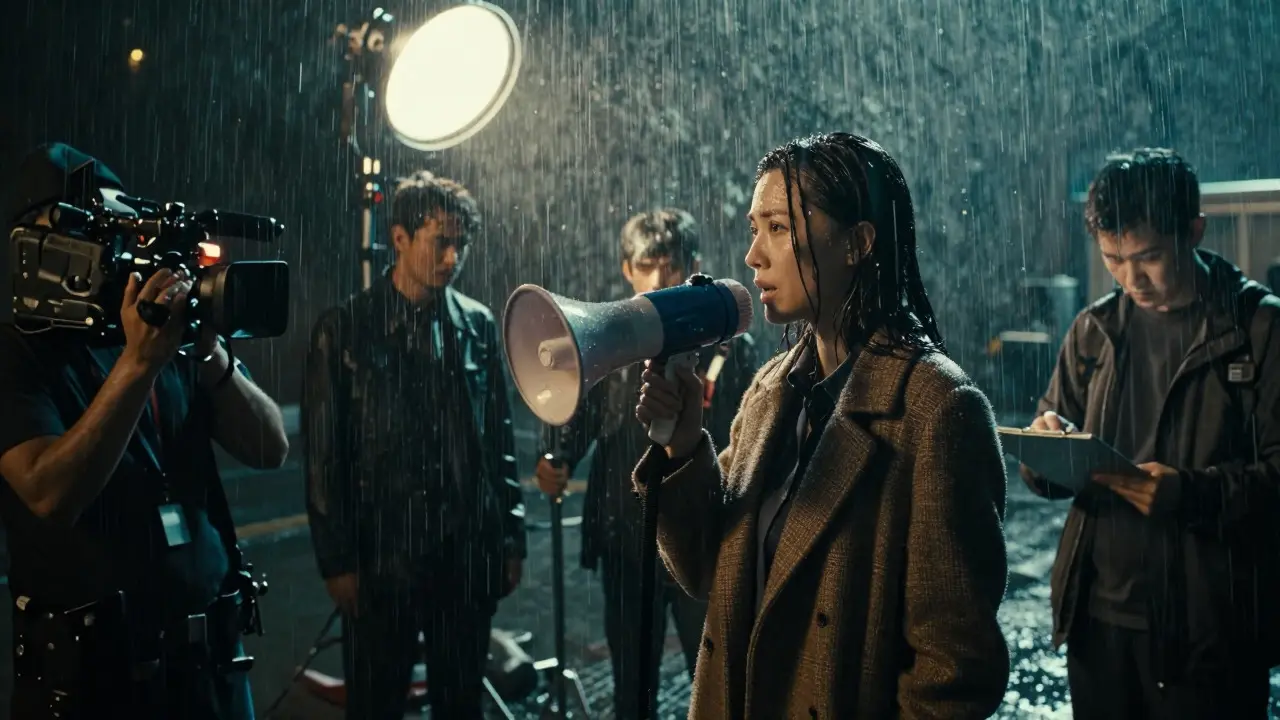
Building Alliances On Set
Your relationship with the Line Producer is arguably the most important professional relationship you will have during production. They know where the bodies are buried. They know which vendors are reliable, which crew members are difficult, and where the budget leaks are. Treat them with respect. Invite them to lunch. Ask for their opinion on scheduling conflicts. When the Line Producer believes in your vision, they will fight for you against the higher-ups.
Similarly, your relationship with the Cinematographer (DP) defines the visual language of the film. The DP is your technical partner. If you and your DP are out of sync, the whole unit suffers. Spend time together before shooting starts. Walk through the locations. Discuss the lighting philosophy. Make sure you both agree on what "good" looks like. Disagreements between the Director and DP are visible to the entire crew and can derail momentum quickly.
Common Pitfalls to Avoid
Even experienced directors fall into traps that damage their political standing. Here are the most common mistakes:
- Hoarding information: Keeping secrets about casting or script changes creates distrust. Transparency builds loyalty.
- Ignoring the data: If test screenings show confusion, listen. Data doesn't lie, even if it hurts.
- Micro-managing: Trust your crew. If you hover over the Gaffer, they will resent you. Give clear goals, then step back.
- Bad-mouthing the budget: Never complain about money in front of the crew. It signals instability. Handle financial issues privately with the Producer.

Case Study: The Compromise That Saved the Film
Consider a recent indie thriller where the Director wanted to shoot the climax in a single continuous take. The Producer argued it was too risky and expensive, suggesting a traditional multi-camera setup. The Director insisted the single take was essential for the tension. After weeks of debate, they found a middle ground: they shot the climax in three long takes rather than one, using hidden cuts. This reduced the technical risk significantly while preserving the immersive feel. The result was a film that critics praised for its intensity, and the Producer saved enough money to fund the marketing campaign. This example illustrates that compromise is not failure; it is strategic adaptation.
Tools for Managing Relationships
You don't need expensive software to manage politics, but organization helps. Use shared digital documents for schedules and call sheets so everyone has access to the same information. Hold daily briefings that are short and focused. End each day by acknowledging wins, no matter how small. Positive reinforcement keeps morale high and reduces friction.
Finally, keep a journal. Write down interactions with key players. Note what worked and what didn't. After several projects, you will develop a pattern recognition for human behavior that no textbook can teach you. You will learn which Producers respond to data, which Actors need praise, and which Executives just want reassurance.
Who has more power: the Director or the Producer?
It depends on the contract and the scale of the film. In big-budget studio films, the Producer (or Studio) usually holds more power regarding budget and final cut. In independent films, the Director often has more creative control, but the Producer controls the funding. Ideally, they share power equally, with the Director leading creative decisions and the Producer leading logistical ones.
How do I handle a Producer who micromanages my shots?
Establish boundaries early. During pre-production, agree on a process for reviewing dailies. Limit feedback sessions to specific times. If they comment on a shot, ask them to explain the narrative reason for their concern. Often, once you address the underlying worry, they stop nitpicking the technical details.
What is the best way to give notes to actors?
Be specific and positive. Avoid vague terms like "make it bigger" or "more intense." Instead, use action verbs and references to previous takes. For example, "I loved the energy in take two, let's keep that pace but focus more on the eyes." Always end with a compliment to boost confidence.
Should I accept all notes from test screenings?
No. Test screenings are diagnostic, not prescriptive. Look for patterns. If 80% of the audience is confused by a plot point, fix it. If only 10% dislikes a character's fashion choice, ignore it. Use your judgment to distinguish between genuine structural problems and personal preferences.
How important is the relationship with the Line Producer?
Extremely important. The Line Producer manages the budget and schedule. If they trust you, they will find ways to make your ideas work within the constraints. If they don't trust you, they will constantly block your requests. Treat them as a partner, not a boss or a subordinate.