Ever watched a movie where you couldn't pick just one favorite actor? That's the magic of an ensemble cast is a group of actors given equal billing and narrative weight, sharing the spotlight rather than orbiting a single protagonist. Unlike traditional star-driven films, these productions rely on chemistry between multiple leads to drive the story. When done right, it creates a rich tapestry of perspectives; when done wrong, it feels like a chaotic mess with no clear direction.
The challenge isn't just hiring good actors. It's about structuring a script so that five or six main characters don't step on each other's toes. Producers often worry that audiences will only follow one hero. But modern viewers are savvy. They want complexity. They want to see how different people react to the same crisis. The key lies in balancing screen time is the total duration a character appears on camera, which must be distributed fairly to maintain audience investment and ensuring every lead has a distinct arc.
Historically, Hollywood favored the "lone wolf" protagonist. Think of classic action movies where one guy saves the day while the rest of the team waits in the car. But today's landscape is different. Streaming platforms and prestige television have trained audiences to appreciate layered storytelling. Shows like The Wire or films like Whiplash prove that we can track complex dynamics without holding our hands.
An ensemble allows for thematic depth. If you're exploring grief, having three different characters process it in unique ways gives the audience a fuller picture than one character could. It also hedges your bets commercially. If one actor becomes a box office draw, the others support them. If the dynamic shifts, the story remains robust. This structural resilience is why studios increasingly greenlight projects with large casts, even if the budget per head is lower.
However, this comes with a cost. Production schedules get tighter. You need more locations, more dialogue, and more editing work. The director's job becomes less about directing one performance and more about conducting an orchestra. Every instrument needs to play its part at the right volume. If the violin drowns out the cello, the music falls apart.
Let's talk numbers. In a standard two-hour feature film, you have roughly 100-120 minutes of usable runtime after credits and exposition. If you have five main leads, you might aim for 20-25 minutes of significant focus per character. But "focus" doesn't mean they're always on screen. It means their decisions drive the plot.
Consider the difference between active and passive presence. A character who sits in a room listening to others talk has low narrative weight, even if they are physically present. A character who makes a choice that changes the trajectory of the story has high weight, even if they appear for only ten minutes. Editors use this distinction to cut scenes. If a scene doesn't advance the plot for any of the leads, it gets trimmed.
Here is a simple heuristic for writers:
When casting an ensemble, you aren't just buying talent. You're buying compatibility. Two brilliant actors can clash on set, ruining the vibe. Conversely, two moderately talented actors with great chemistry can create sparks that elevate the material. Casting directors look for "friction" and "flow." Friction creates drama; flow creates trust.
For example, in a crime thriller ensemble, you might pair a cynical detective with an idealistic rookie. The contrast highlights both characters' flaws. If you paired two cynical detectives, the tone might become monotonous. Variety in personality keeps the audience engaged. It’s similar to a jazz band; you need a bassist who lays down a steady groove and a saxophonist who takes wild solos. Both are essential, but they do different jobs.
Producers also consider marketability. Do these actors have overlapping fan bases? Will their joint appearance attract new demographics? Sometimes, you sacrifice a slightly less famous actor for someone who brings a specific regional appeal or genre credibility. It’s a strategic calculation, not just an artistic one.
Writing for an ensemble requires a different mindset than writing for a solo protagonist. You can't rely on internal monologue. You need external conflict. The best ensemble scripts use a central event that forces all characters into proximity. A plane crash, a shared workplace, a family dinner-these are containers that hold the chaos together.
Think about Splash or The Big Lebowski. The plot moves because the characters collide. In The Big Lebowski, the Dude, Walter, Donny, and Maude all orbit the same mystery. None of them solve it alone. Their interactions create the comedy and the tension. If you remove one, the web unravels.
A common mistake is trying to give everyone a subplot that stands alone. Instead, weave the subplots together. Character A's problem causes Character B's crisis. Character C's solution triggers Character D's reaction. This interlocking structure ensures that cutting one scene doesn't leave a hole in the narrative. It creates a domino effect that keeps the pacing tight.
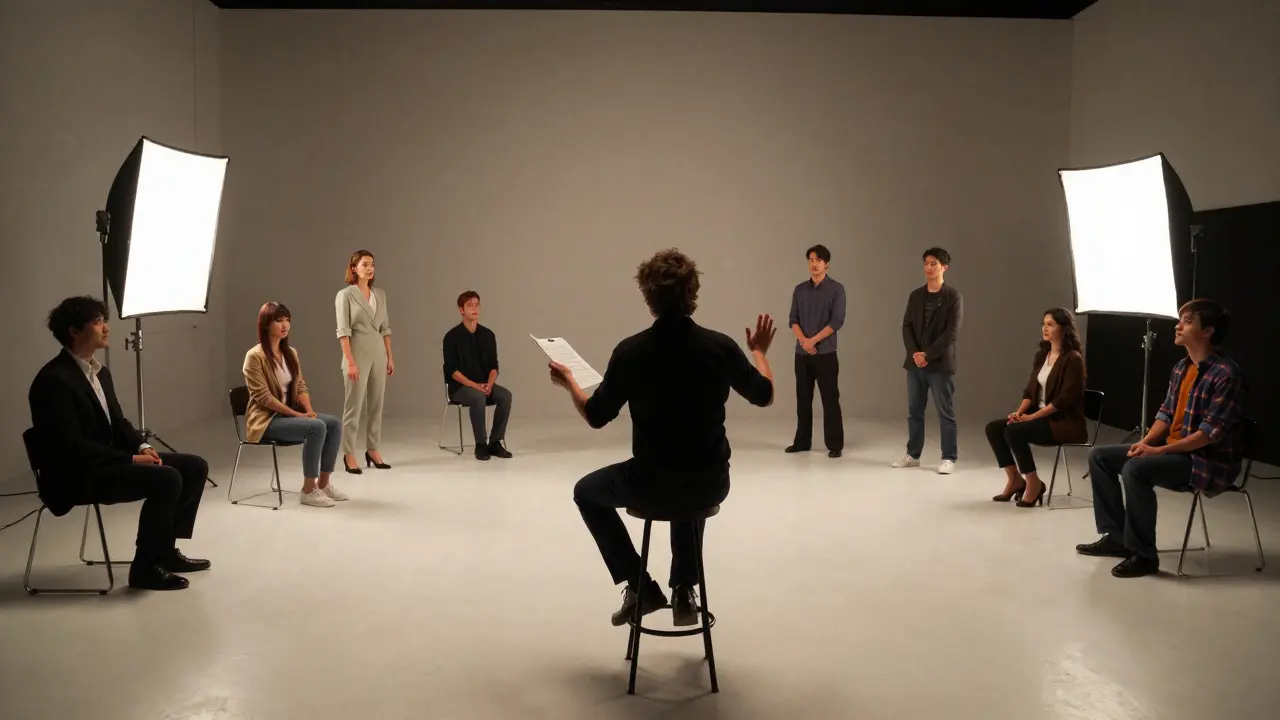
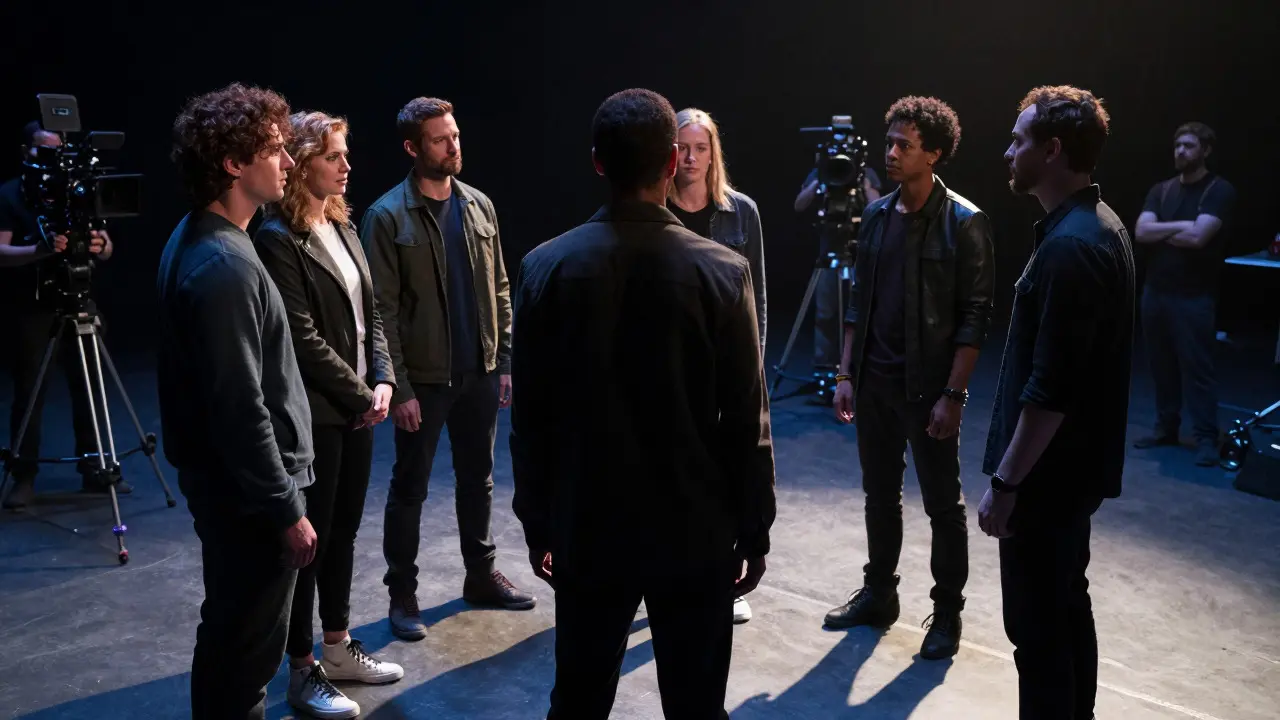
On set, the director is the conductor. With an ensemble, you can't just say "action" and hope for the best. You need to manage energy levels. Some actors are high-energy; others are subtle. If the high-energy actor dominates a scene, the subtle actor disappears. The director must call for adjustments in real-time.
Blocking is crucial. Where characters stand in the frame dictates who has power. In a two-shot, the person closer to the camera usually holds the emotional weight. In a group shot, positioning determines hierarchy. Directors often storyboard these moments carefully to ensure no one is accidentally marginalized visually.
Also, consider the lighting. Lighting one character brightly while leaving others in shadow can unintentionally signal importance. In an ensemble, you want balanced illumination unless the story demands otherwise. Consistency helps the audience feel that all characters are equally valued.
Even experienced teams stumble. Here are the most common issues I see in ensemble projects:
There is no hard limit, but five to seven is the sweet spot for feature films. Beyond seven, it becomes difficult for audiences to track individual arcs without clear visual or narrative cues. For TV series, you can expand this number over multiple seasons. Not necessarily. While you pay more actors, you may save on marketing costs if the collective brand value is strong. However, production costs rise due to longer shooting schedules and more complex logistics. The key is balancing top-tier stars with emerging talent to keep fees manageable. This is a common concern. To mitigate it, ensure the script gives the lesser-known actors memorable moments. Use editing to balance screen time. Also, leverage the famous actor's name for marketing, but let the ensemble's chemistry sell the ticket in reviews. Word-of-mouth often favors well-balanced performances over star power alone. Give each character a distinct vocabulary, rhythm, and verbal tic. Avoid having them speak in the same cadence. During the draft stage, read the dialogue aloud. If you can't tell who is speaking based on tone alone, rewrite those lines. Clarity in voice prevents audience fatigue. Yes, significantly. You have to constantly check that no character is left hanging. If you cut a scene, does it affect another character's motivation? Editors often create separate timelines for each lead to ensure continuity. This process adds weeks to post-production but results in a tighter final cut.Why Ensembles Work in Modern Cinema
The Math of Screen Time and Narrative Weight
If you fail the voice test, your ensemble will feel flat. Audiences won't know who to root for. They'll just feel confused. This is why table reads are critical in pre-production. Hearing the lines aloud reveals clashing tones immediately.
Casting Chemistry Over Individual Stardom

Structuring the Script for Multiple Leads
Feature
Solo Protagonist
Ensemble Cast
Narrative Focus
Internal journey of one hero
Collective response to external events
Screen Time Distribution
70-80% on lead
15-25% per lead (balanced)
Risk Factor
High dependence on one actor's performance
Dilution of focus if chemistry fails
Audience Engagement
Emotional intimacy with one character
Breadth of perspective and social dynamics
Editing Complexity
Lower (clear through-line)
Higher (managing multiple arcs)
Directing the Dance: Managing On-Set Dynamics
Common Pitfalls and How to Avoid Them
Avoiding these pitfalls requires constant feedback loops. Show cuts to trusted friends early. Ask them: "Who did you care about most?" If the answer is only one person, you've failed the ensemble test. You need to spread the empathy across the board.
Frequently Asked Questions
How many characters can an ensemble realistically handle?
Does an ensemble cast require a higher budget?
What if one actor is much more famous than the others?
How do I write dialogue for multiple characters without confusion?
Are ensembles harder to edit than solo stories?


Write a comment
popular post


Comments(9)