
Ever watched a movie that looked incredible but felt like it was made on a shoestring? That magic usually comes down to one person: the line producer. While directors get the glory for the creative vision, the line producer is the engine room of the production. They don't just count money; they manage the physical reality of making a film. From negotiating rates with camera crews to deciding if you shoot in a warehouse or an office park, this role dictates whether your project stays on schedule or spirals into chaos.
If you are stepping into this role, or working closely with one, understanding the specific mechanics of their job is critical. It’s not about being the "boss" of everyone, but rather being the bridge between the director's artistic desires and the studio's financial limits. Let’s break down exactly how this role functions, what it takes to master it, and why it is arguably the most important logistical position on set.
What Exactly Is a Line Producer?
Line Producer is a key member of the production team responsible for managing the day-to-day operations of a film, including budgeting, scheduling, and resource allocation. Think of them as the chief operating officer of the production. Unlike the executive producer who focuses on financing and high-level strategy, the line producer deals with the tangible elements: people, equipment, locations, and time.
The term "line" refers to the "line items" in the budget-costs directly associated with making the picture, such as cast fees, crew wages, and equipment rentals. These are distinct from "overhead" or "above-the-line" costs like script rights and star salaries, which are often negotiated separately. The line producer owns the bottom line. If the budget is $5 million, the line producer ensures every dollar is accounted for in the actual creation of the content.
The Core Responsibilities: Budgeting and Scheduling
At its heart, the job revolves around two massive tasks: building the budget and creating the shooting schedule. These two documents are inseparable. You cannot have one without the other because time equals money in filmmaking.
- Budget Construction: This isn't just guessing numbers. It involves detailed breakdowns of the script. Every scene requires specific resources. Does Scene 4 need a crane? Does Scene 10 require night exteriors with heavy lighting rigs? The line producer calculates the cost for each element based on current market rates.
- Schedule Creation: Once the budget is set, the schedule must fit within it. Shooting a complex action sequence might take three days, while a dialogue-heavy scene might only take half a day. The line producer works with the production manager to arrange scenes in the most efficient order, minimizing travel time and setup complexity.
- Daily Cost Control: On set, the line producer monitors daily expenditures. If the weather delays a shoot by two days, they immediately calculate the impact on the budget and propose solutions to save costs elsewhere.
This process requires constant adjustment. A static budget is useless in film production because variables change hourly. The line producer must be agile, ready to pivot when a location falls through or a piece of gear breaks.
Resource Management: People, Gear, and Locations
Budgets are abstract until they meet reality. Resource management is where the rubber meets the road. The line producer oversees three main categories of resources: human capital, technical equipment, and physical spaces.
Human Capital involves hiring the right crew at the right price. This means knowing who the best gaffer is in town and what their day rate is. It also means managing labor laws, union agreements (like IATSE or SAG-AFTRA), and overtime rules. Mismanaging crew hours can lead to costly penalties and morale issues.
Technical Equipment includes cameras, lenses, lighting, sound gear, and vehicles. The line producer decides whether to rent or buy, and from which vendor. For example, renting a high-end cinema camera package might cost $2,000 per day, but buying used might save money over a long production. However, buying introduces maintenance risks. The line producer weighs these trade-offs.
Physical Spaces refer to locations. Securing a location involves permits, insurance, and logistics. A free public park might seem ideal, but if it requires a large crew to set up power generators and fencing, it could end up costing more than a private studio backlot. The line producer analyzes the total cost of ownership for each location, not just the rental fee.
| Role | Primary Focus | Budget Authority | Key Deliverables |
|---|---|---|---|
| Line Producer | Operations & Logistics | Full control over below-the-line costs | Budget, Schedule, Crew Contracts |
| Production Manager | Day-to-Day Execution | Monitors spending under LP supervision | Daily Call Sheets, Expense Reports |
| Executive Producer | Financing & Strategy | High-level greenlight decisions | Funding Deals, Greenlight Memo |
| Director | Creative Vision | Requests resources via LP | Shot List, Creative Direction |
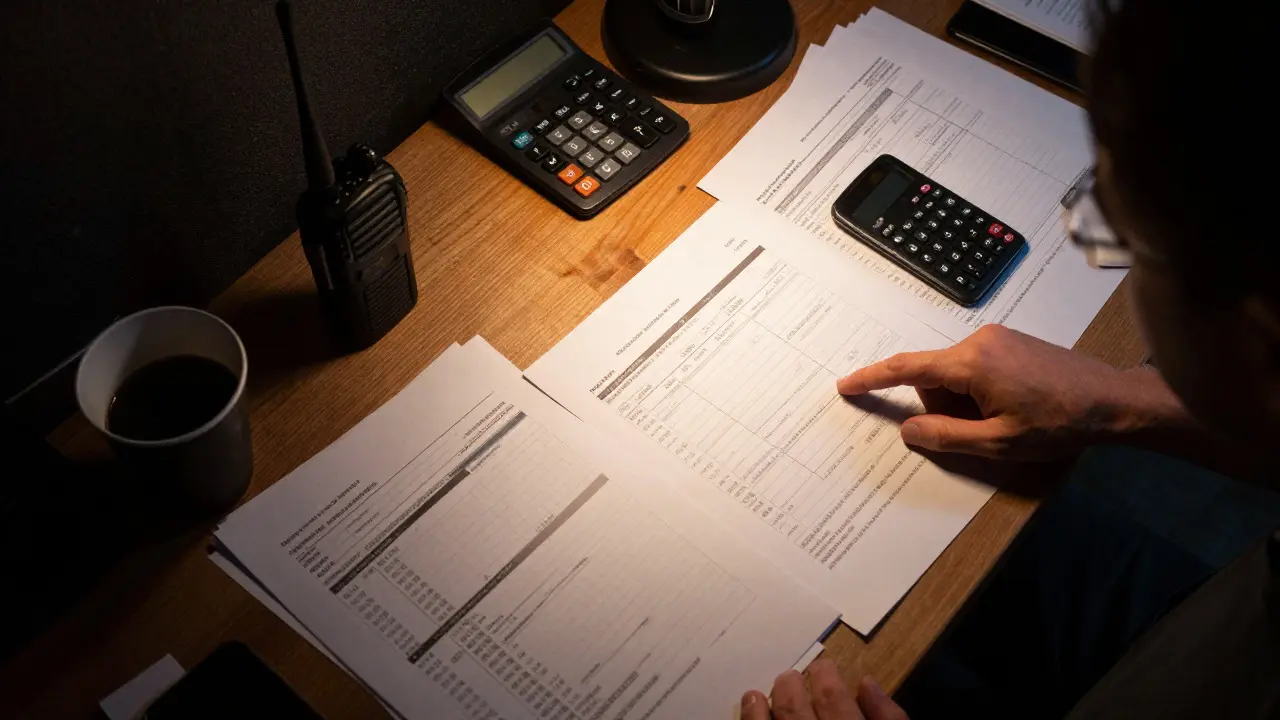
Negotiation Skills: The Art of Saving Money
You can’t just accept the first price quote you see. Negotiation is a daily task for the line producer. Whether it’s haggling with a catering company or discussing exclusivity clauses with a lens manufacturer, the goal is always the same: get the best value for the project’s needs.
Effective negotiation isn't about being aggressive; it’s about being informed. Knowing the standard industry rates gives you leverage. For instance, if a local grip company quotes a rate 20% higher than the regional average, you know you have room to push back. Sometimes, saving money means finding alternatives. If a specific brand of light is out of stock, does a different model provide the same quality? The line producer must understand the technical specifications well enough to make these substitutions without compromising the director's vision.
Building relationships is also part of the game. Vendors and crew members prefer working with producers who pay on time and communicate clearly. A good reputation can lead to priority access during peak seasons or favorable terms for future projects.
Collaboration with Other Departments
The line producer doesn't work in a vacuum. They act as the central hub connecting all departments. Here’s how they interact with key players:
- Director: The director wants the shot. The line producer asks, "How much will it cost and how long will it take?" This conversation happens constantly. The line producer helps the director prioritize shots that deliver the most visual impact for the least resource drain.
- Unit Production Manager (UPM): The UPM handles the immediate day-to-day logistics on set. The line producer sets the broader constraints, while the UPM executes them. They share data on daily spending and schedule adherence.
- Accountant: The accountant tracks the cash flow. The line producer provides forecasts so the accountant knows when money needs to be wired to vendors. Accurate forecasting prevents cash crunches that can halt production.
- Post-Production Supervisor: Even after principal photography ends, the line producer’s influence continues. Post-production costs (editing, color grading, sound mixing) are significant. The line producer ensures the post-production budget is realistic and aligned with the delivery deadlines.

Common Pitfalls and How to Avoid Them
Even experienced line producers face challenges. Recognizing common traps early can save a project from disaster.
Underestimating Contingency: Most budgets include a contingency fund (usually 5-10%) for unexpected expenses. Many new producers try to spend this entire amount on upgrades. Instead, keep it truly reserved for emergencies. If you use it all, you have no safety net when something goes wrong.
Scope Creep: Directors love adding scenes. Each added scene has a cost. The line producer must rigorously evaluate every addition. Ask: "Does this scene serve the story? Can we achieve the same effect with existing footage?" Saying "no" is sometimes the most valuable service a line producer provides.
Ignoring Local Regulations: Filming in different cities or states brings different tax incentives, union rules, and permit requirements. Failing to research these upfront can result in fines or lost incentives. Always consult with local experts before locking in a location.
Tools of the Trade
Modern line producers rely on specialized software to manage the complexity of their role. While spreadsheets were once the standard, dedicated production management tools offer real-time collaboration and reporting.
Popular platforms include Movie Magic Budgeting and Scheduling, which allow for dynamic updates. When a cost changes, the schedule and budget adjust automatically. Cloud-based solutions enable remote teams to view the same data simultaneously, reducing errors and miscommunication. Additionally, expense tracking apps help crew members submit receipts digitally, speeding up the accounting process.
Mastering these tools is essential. A line producer who spends too much time manually updating spreadsheets has less time to solve problems. Automation frees up mental bandwidth for strategic decision-making.
FAQ
What is the difference between a line producer and a production manager?
The line producer has overall responsibility for the budget and schedule, acting as the financial guardian of the production. The production manager (or UPM) handles the daily execution of those plans on set. The line producer sets the strategy; the production manager implements it day-to-day.
How much does a line producer earn?
Salaries vary widely based on the scale of the production and the region. In major hubs like Los Angeles or New York, a line producer for a mid-budget feature film might earn between $60,000 and $120,000 annually. For larger productions, compensation can be significantly higher, often including bonuses tied to staying under budget.
Do line producers work on television shows too?
Yes, the role exists in television as well, though the structure can differ. In TV, there may be multiple line producers or a single one overseeing several episodes. The core responsibilities remain the same: managing budgets, schedules, and resources for the series.
What skills are most important for a line producer?
Key skills include strong financial literacy, excellent negotiation abilities, attention to detail, and calm problem-solving under pressure. You must be comfortable with numbers but also able to communicate effectively with creative professionals who may not care about spreadsheets.
Can a line producer become a director?
It is possible, though rare. Many directors start in production roles to understand the practical constraints of filmmaking. Understanding how budgets work can actually help a director make more realistic creative choices. However, the skill sets are quite different, requiring a shift from logistical thinking to artistic vision.






Comments(7)