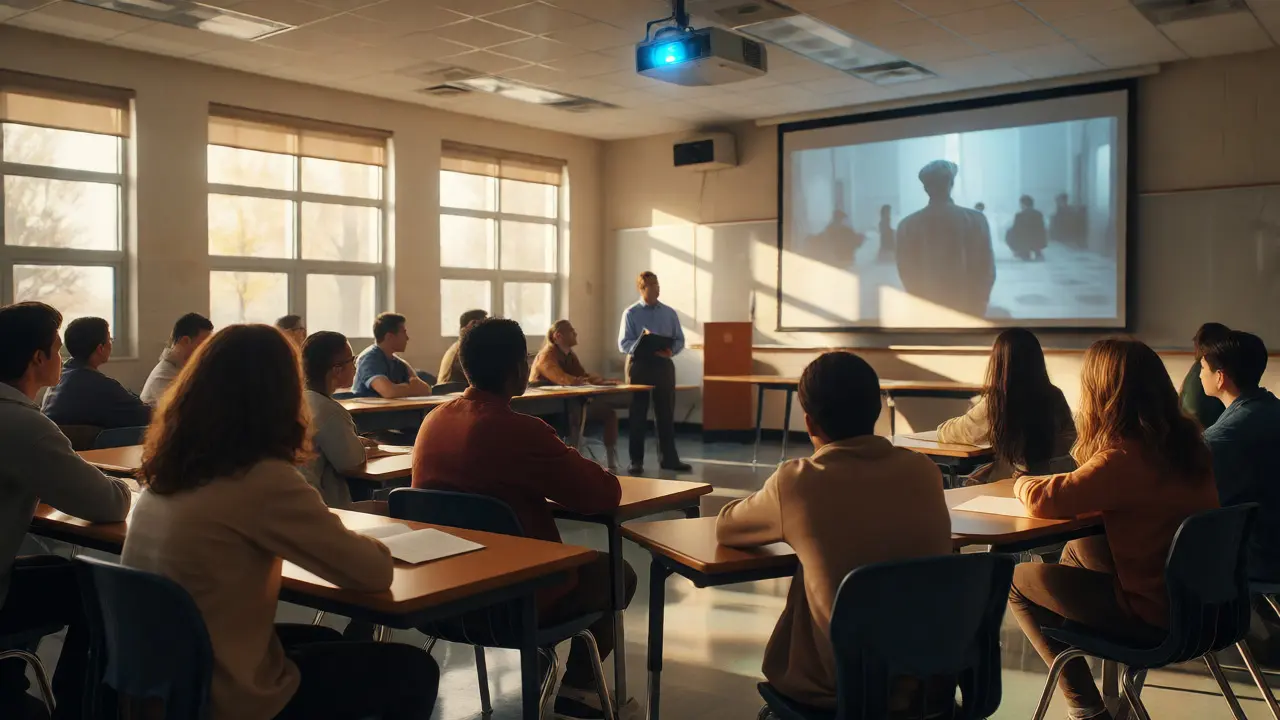
Walk into a high school history class today, and you might see students analyzing LGBTQ+ films alongside traditional textbooks. This isn't just about adding diversity to the syllabus; it's about using cinema as a bridge to empathy and historical understanding. For many educators, the challenge isn't finding films-it's integrating them effectively without disrupting the core learning objectives or triggering unnecessary administrative pushback.
The landscape of school curriculums has shifted dramatically since the early 2010s. What was once considered niche or controversial is now often viewed as essential for comprehensive social studies and literature programs. But how do you move beyond tokenism? How do you ensure that watching a movie like "Moonlight" or "The Imitation Game" actually translates into deeper student engagement rather than just passive consumption?
Why Cinema Works Better Than Textbooks for Empathy
Cinema operates on a different cognitive level than reading. When students read about discrimination, they process information intellectually. When they watch a character navigate prejudice on screen, they experience it vicariously through visual cues, tone, and pacing. This emotional resonance is hard to replicate with static text.
Consider the film Milk. It’s not just a biography of Harvey Milk; it’s a visceral depiction of political organizing and personal risk. Students who struggle with dense historical texts often light up when discussing the scene where Milk confronts Dan White. The tension is palpable. This creates a hook that allows teachers to pivot back to primary sources, like actual speeches or newspaper clippings from 1970s San Francisco, with much higher retention rates.
| Method | Student Engagement Level | Emotional Impact | Preparation Time |
|---|---|---|---|
| Textbook Reading | Moderate (varies by reader) | Low to Moderate | Low |
| Guest Speaker | High (if speaker is engaging) | High | High (logistics) |
| LGBTQ+ Film Screening | High (visual storytelling) | Very High | Moderate (needs discussion guide) |
| Primary Source Analysis | Variable (requires scaffolding) | Low | High |
Selecting the Right Films for Your Classroom
Not every acclaimed queer film belongs in a K-12 setting. Age-appropriateness is the first filter, but narrative complexity is the second. You want stories that reflect universal human experiences-friendship, betrayal, ambition-while authentically portraying LGBTQ+ identities. Avoid films that rely solely on trauma porn, where the only plot point is suffering. While those stories are important, balancing them with narratives of joy and resilience prevents burnout among students.
For middle schoolers, animated features or lighter dramas work best. Films like Love, Simon offer a familiar teen rom-com structure with a queer twist, making the subject matter accessible without overwhelming younger viewers. For high schoolers, more complex narratives like Portrait of a Lady on Fire can introduce discussions about art, gaze, and historical constraints on women.
- Check Content Ratings: Always verify MPAA ratings and parental guidance notes before scheduling screenings.
- Diversify Identities: Ensure your selection includes trans, non-binary, and BIPOC LGBTQ+ characters, not just white cisgender gay men.
- Align with Standards: Map the film’s themes to specific Common Core or state standards for English Language Arts or Social Studies.
Navigating Administrative and Parental Concerns
You’ve picked the perfect film, but what happens when a parent emails the principal complaining about "agenda-driven" teaching? Preparation is key. Have a clear rationale ready that ties the film to academic goals, not just ideological ones. Frame it as media literacy training. Students need to learn how to deconstruct narratives, identify bias, and understand representation.
Proactive communication helps. Send a brief note home before the screening week, outlining the educational value. Mention that the film serves as a case study for historical analysis or literary critique. If possible, offer an alternative assignment for students whose families prefer they opt out, ensuring no one feels excluded while maintaining participation requirements.
Facilitating Post-Film Discussions That Stick
Watching the credits roll is easy; getting teenagers to talk about what they saw is harder. Avoid yes/no questions. Instead of asking, "Did you like the movie?", try "What moment made you feel uncomfortable, and why?" This invites critical thinking rather than simple preference.
Use structured discussion techniques like Socratic seminars or fishbowl conversations. Assign roles: one group tracks dialogue, another analyzes body language, and a third connects the plot to historical events. This turns passive viewing into active investigation. For example, after watching The Danish Girl, ask students to compare the cinematic portrayal of Lili Elbe with actual medical records from the 1930s. Where did the filmmakers take liberties, and why does it matter?
Integrating Films Across Subjects
Don’t limit these films to English class. In Biology, discuss the science behind gender identity and sexual orientation using documentaries like Disclosure. In Art class, analyze the cinematography and color palettes used to convey mood and identity. In Music, explore how queer artists have influenced pop culture soundtracks.
This interdisciplinary approach reinforces the idea that LGBTQ+ history isn't a separate silo but woven into the fabric of all subjects. It also gives teachers who may be less comfortable leading sensitive conversations a chance to contribute through their subject expertise, such as analyzing the technical aspects of filmmaking.

Common Pitfalls to Avoid
One major mistake is assuming students already understand the terminology. Don't skip definitions. Briefly explain terms like "cisgender," "non-binary," or "intersectionality" before diving into complex plots. Another pitfall is treating the film as the end of the lesson. The movie should be the starting point for research, writing, or debate, not the conclusion.
Also, avoid speaking for the community. Invite guest speakers if possible, or use director interviews to provide authentic voices. Let the characters speak for themselves during the screening, then let students interpret. Your role is facilitator, not lecturer.
Frequently Asked Questions
Are LGBTQ+ films appropriate for elementary school students?
Yes, but with careful selection. Many recent children's books and short films feature same-sex parents or diverse family structures without focusing on romance or sexuality. Titles like "And Tango Makes Three" adaptations or shorts from Pixar's SparkShorts series can introduce inclusivity gently, focusing on love and family rather than adult themes.
How do I handle a classroom where students react negatively to LGBTQ+ content?
Establish ground rules for respect before the screening. Acknowledge that discomfort is normal when encountering new perspectives. Use anonymous question boxes so shy or hesitant students can ask questions without fear of judgment. Focus discussions on shared human experiences like friendship and fairness, which can help bridge gaps in understanding.
Do I need special permission to show these films?
Policies vary by district. Some require parental consent forms for any R-rated or PG-13 content, regardless of subject. Check your school board’s media policy. Often, showing a film for educational purposes falls under fair use, but administrative approval is wise if the topic is known to be sensitive in your area.
Which films are best for teaching historical context?
Films like "Milk" (1970s activism), "Philadelphia" (AIDS crisis of the 80s/90s), and "The Imitation Game" (WWII era persecution) provide strong historical anchors. Documentaries like "The Times of Harvey Milk" offer even more direct archival footage. Pair these with primary source documents for a robust historical inquiry unit.
How can I assess student learning after a film screening?
Move beyond simple comprehension quizzes. Ask students to write a letter from the perspective of a minor character, create a timeline of historical events depicted in the film versus real life, or lead a debate on a moral dilemma presented in the story. These tasks demonstrate deeper engagement and critical analysis skills.


Comments(9)