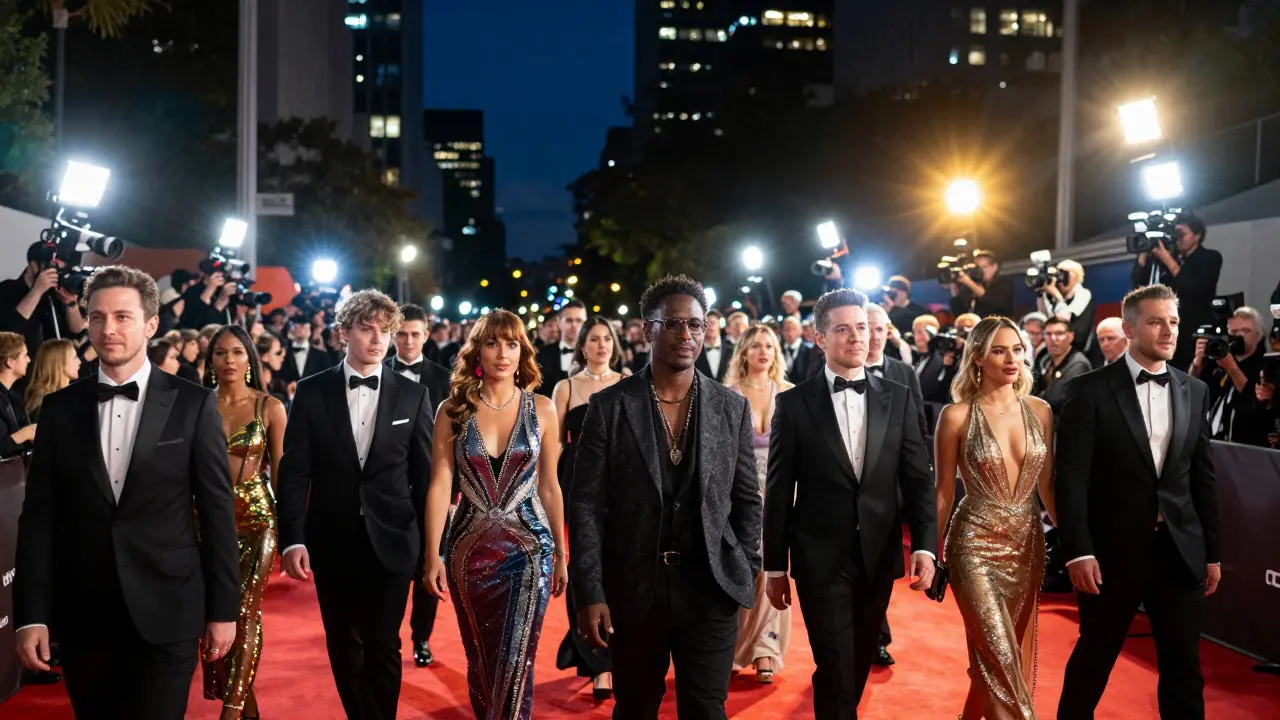
Getting an LGBTQ+ film seen is rarely about just making it. It’s about navigating a complex web of gatekeepers, algorithms, and cultural moments that determine whether your story reaches a packed theater in New York or gets buried in the "New Releases" row on a streaming service. For many queer filmmakers, the path from script to screen isn't a straight line; it’s a strategic puzzle involving LGBTQ+ film distribution, audience building, and timing.
The landscape has shifted dramatically over the last decade. While the golden age of indie cinema promised wide theatrical runs for niche audiences, today's reality is fragmented. You have to decide where your film lives: the prestige world of festivals, the commercial grind of limited theatricals, or the digital convenience of streaming. Each path offers different rewards, risks, and levels of control. Let’s break down how you actually get your film out there and who ends up watching it.
Understanding the Three Main Distribution Channels
Before you pick a path, you need to understand what each channel actually does for your project. They aren’t just different places to put a video file; they are different business models with distinct expectations.
- Festival Circuits: This is often the starting point for independent and art-house films. Festivals like Sundance, SXSW, Tribeca, and specialized events like Outfest or GLAAD Media Awards serve as both marketing engines and sales venues. A strong festival run can generate buzz, critical acclaim, and-crucially-distribution deals. However, festivals are competitive, and visibility doesn't always translate directly into revenue without a follow-up strategy.
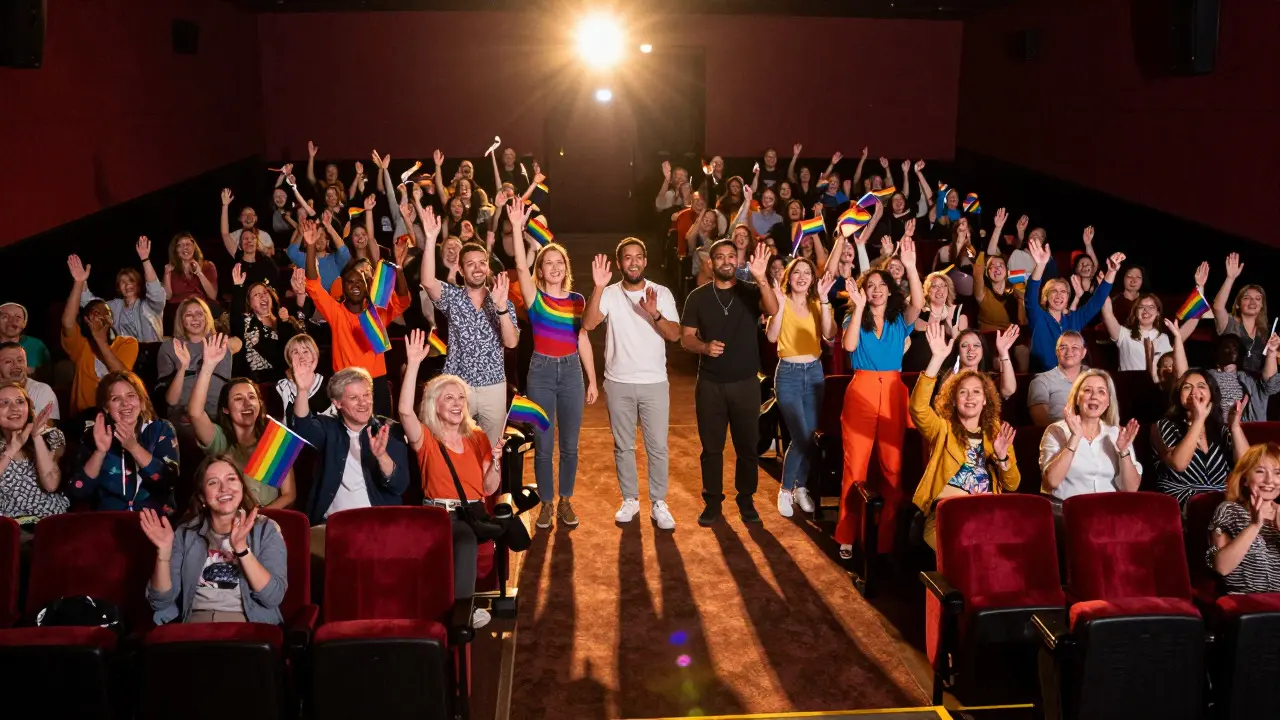
- Theatrical Release: This includes wide releases (many screens at once) and limited releases (a few key cities). For LGBTQ+ films, limited theatricals are common. They provide a cultural moment, allow for press coverage, and satisfy award eligibility requirements. But they are expensive. Marketing costs alone can eat up half your budget if you’re not careful. Theatrical runs also create a sense of event and community, which is vital for niche audiences who might not seek out content passively online.
- Streaming Platforms: Services like Netflix, Hulu, Amazon Prime Video, and smaller niche players like MUBI or Shudder offer global reach instantly. The barrier to entry is lower, and the risk is on the platform, not the distributor. However, discoverability is the biggest challenge. Without a massive marketing push, even a great film can disappear into the algorithmic noise. That said, streaming allows for long-tail viewing, meaning people can find your film years after release.
Why Festivals Still Matter for Queer Cinema
You might wonder why anyone would spend months traveling to film festivals when streaming is so easy. The answer lies in validation and networking. In the world of independent film, a festival premiere is a signal. It tells critics, distributors, and audiences that this film is worth paying attention to.
For LGBTQ+ specifically, festivals play a dual role. Major generalist festivals like Sundance and Cannes have become increasingly inclusive, but specialized LGBTQ+ festivals like Outfest in Los Angeles, Frameline in San Francisco, and BFI Flare in London remain essential. These events attract dedicated communities of viewers who actively seek out queer stories. A screening at Outfest can sell out multiple times, creating a grassroots momentum that a quiet streaming debut might never achieve.
Furthermore, festivals are where deals happen. Sales agents hang out in the lobby. If your film resonates with buyers, you can secure a distribution deal right there. This is particularly true for mid-budget films that might not attract major studio attention but fit perfectly into a boutique distributor’s slate. The festival circuit acts as a marketplace where the intangible value of a story is translated into a contract.
The Economics of Theatrical vs. Digital
Let’s talk money, because that’s usually the deciding factor. Theatrical distribution requires upfront investment. You pay for prints (or DCPs), marketing materials, and box office participation fees. In exchange, you keep a larger percentage of the gross receipts compared to some streaming deals, but only if the film performs well. If your film plays in ten theaters and makes $50,000 total, your net profit might be negligible after expenses.
Streaming deals, on the other hand, are often structured as flat fees or minimum guarantees. You hand over the rights for a set period (usually 3-5 years) and receive a lump sum. This provides financial stability and allows you to move on to the next project quickly. However, you lose control over how the film is marketed and presented. There’s no opening night, no red carpet, and limited ability to influence the thumbnail or description.
| Feature | Festival Circuit | Limited Theatrical | Streaming Platform |
|---|---|---|---|
| Primary Goal | Buzz & Deals | Cultural Moment & Awards | Global Reach & Revenue |
| Cost to Distributor | Medium (Travel/Entry Fees) | High (Marketing/Prints) | Low (Digital Delivery) |
| Audience Engagement | High (Community) | High (Event-based) | Moderate (Passive) |
| Discoverability | Niche/Critical | Local/Press | Algorithmic |
| Longevity | Short-term Spike | Short-term Spike | Long-tail Potential |
Hybrid Strategies: The Modern Approach
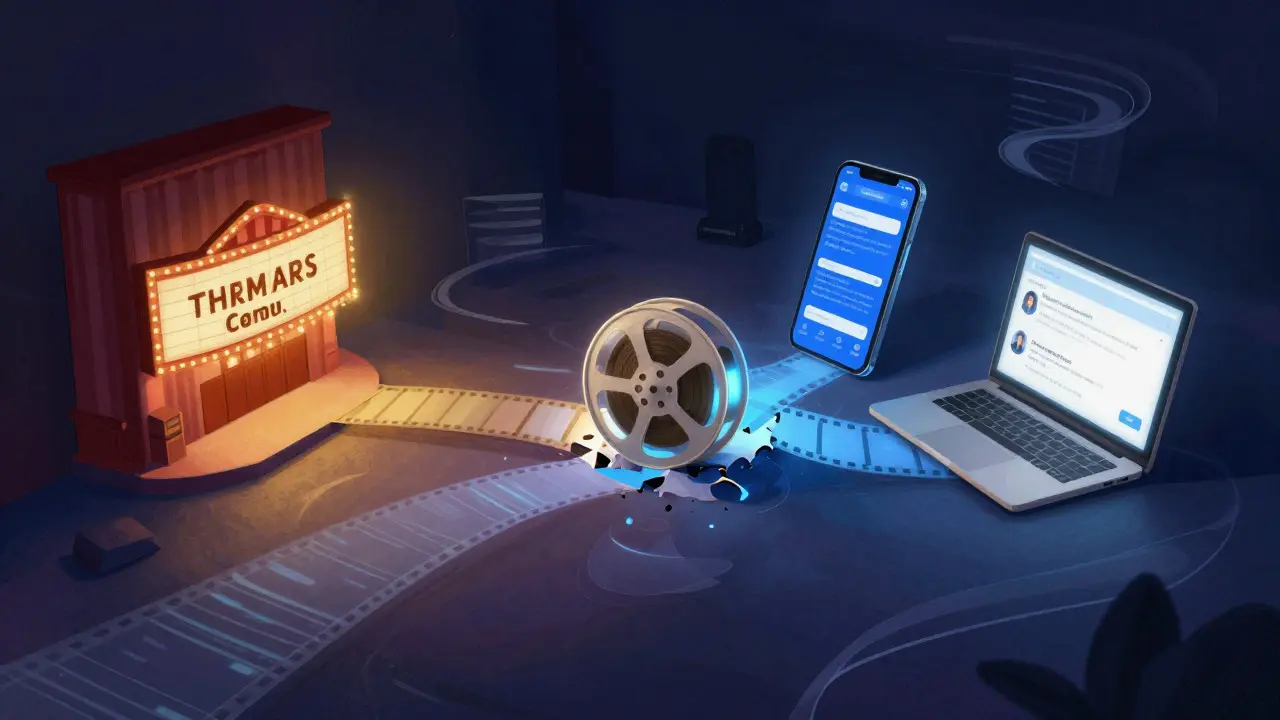
Most successful LGBTQ+ films today don’t choose just one path. They use a hybrid strategy. A common model looks like this: Premiere at a major festival to build hype, followed by a limited theatrical release in key cities (like New York, LA, Chicago, and Austin) to create a cultural event and qualify for awards, then rolling out to streaming a few months later to capture the broader audience.
This approach maximizes exposure at every stage. The festival premiere generates reviews and social media chatter. The theatrical run gives fans a reason to go out and watch together, reinforcing community bonds. The streaming release ensures that anyone who missed the window can still see the film, extending its life for years. For example, films like *Moonlight* and *Everything Everywhere All At Once* utilized similar multi-platform strategies to sustain their relevance beyond their initial release windows.
Timing is critical here. Releasing too soon after a festival can dilute the buzz. Waiting too long means the news cycle moves on. Typically, a gap of 4-8 weeks between a festival premiere and a wider release works well. This allows time for press articles to circulate, awards nominations to drop, and word-of-mouth to spread organically.
Building Your Audience Before Release
Distribution isn’t just about where the film goes; it’s about who is already waiting for it. In the age of social media, you need to build a community before the film is even finished. Engage with LGBTQ+ organizations, influencers, and fan groups. Use social media to share behind-the-scenes content, cast interviews, and thematic discussions. This creates a base of superfans who will buy tickets, share the film, and defend it in comment sections.
Partnerships are also key. Collaborating with advocacy groups like GLAAD, Human Rights Campaign, or local Pride centers can amplify your reach. These organizations have established networks and mailing lists that can help promote your film to targeted audiences. When a respected organization backs your film, it signals quality and importance to potential viewers.
Don’t underestimate the power of direct-to-consumer options either. Some filmmakers release their films through their own websites or platforms like Vimeo On Demand. This allows them to keep a higher percentage of revenue and maintain full creative control. It’s a harder path in terms of marketing, but it can be very rewarding if you have a strong personal brand or existing following.
Pitfalls to Avoid
One common mistake is assuming that a good film will market itself. It won’t. You need a plan. Another pitfall is ignoring the technical aspects of delivery. Different platforms have specific requirements for file formats, subtitles, and metadata. Failing to meet these specs can delay your release by weeks. Always check the technical guidelines early in the post-production process.
Also, be wary of exclusive deals that lock you up for too long. If you sign a five-year exclusive deal with a small streaming service that doesn’t invest in marketing, your film could be stuck in obscurity for half a decade. Negotiate for shorter terms or non-exclusive rights if possible. Retaining some control over your IP is crucial for long-term career growth.
Future Trends in Queer Distribution
Where is this all heading? We’re seeing more vertical integration, with studios owning their own streaming services. This means fewer middlemen, but also less diversity in curation. Niche platforms are becoming more important as safe havens for specific genres and communities. Virtual reality and interactive storytelling are also emerging as new frontiers, though they’re still in the experimental phase for most independent filmmakers.
Ultimately, the best distribution path depends on your goals. Are you looking for maximum profit? Critical acclaim? Cultural impact? Or simply getting your story told? There’s no single right answer. But by understanding the mechanics of each channel and combining them strategically, you can give your LGBTQ+ film the best chance to find its audience and make an impact.
What is the best first step for distributing an LGBTQ+ short film?
Submit to specialized LGBTQ+ festivals like Outfest or Frameline. These events are designed for shorter formats and attract buyers looking for talent. A strong short film can lead to feature film opportunities or distribution deals for future projects.
How much does it cost to distribute a film theatrically?
It varies widely, but expect to spend between $10,000 and $50,000 for a limited release in major cities. This covers marketing materials, DCP creation, and box office fees. Wider releases can cost significantly more due to increased print/digital copy needs and national advertising.
Can I release my film on multiple streaming platforms at once?
Yes, this is called non-exclusive distribution. You can license your film to several services simultaneously. This maximizes reach but may result in lower individual payouts compared to exclusive deals. It’s a good strategy for maximizing visibility if you have a large audience base.
Do LGBTQ+ films need to be certified by any specific body for distribution?
No official certification is required for distribution, but ratings from the MPAA (in the US) or BBFC (in the UK) are necessary for theatrical release. Content ratings can affect marketing and audience perception, so consider how your film’s themes might be rated during the editing process.
How long should I wait between a festival premiere and a streaming release?
Typically, 6 to 12 weeks is recommended. This allows time for press coverage to settle, awards seasons to begin, and a potential limited theatrical window to occur. Waiting longer than 6 months can cause the film to lose momentum in the public eye.






Comments(9)