For decades, the conversation around gender on screen has largely been a binary one. We’ve seen incredible strides in lesbian, gay, bisexual, and transgender representation, but there is a group that remains stubbornly invisible or, worse, reduced to a punchline. That group is the intersex community. Intersex people are born with sex characteristics-such as chromosomes, gonads, or genitals-that do not fit typical binary notions of male or female bodies. Despite making up an estimated 1.7% of the population (roughly the same percentage as redheads), their stories are rarely told by them, and even rarer still are they told with dignity.
If you are looking to expand your understanding of gender diversity through cinema, you have come to the right place. This guide isn't just a list; it’s a curated journey through films and documentaries that challenge the status quo. Whether you are a film student, an ally, or simply someone who wants to watch better media, these titles offer a window into lives that Hollywood has long ignored. We will explore everything from hard-hitting documentaries to narrative features that center intersex experiences without reducing them to medical curiosities.
The Power of Documentary Truth
Documentaries often serve as the first line of defense for marginalized communities. They provide facts, personal testimonies, and historical context that fictional narratives sometimes struggle to convey accurately. When it comes to intersex issues, documentaries are crucial because they dismantle the myth that intersex variations are "rare" or "abnormal." Instead, they show us that this is a natural part of human biological diversity.
One cannot start this conversation without mentioning Intersexion (2013). Directed by Kate Gilmore, this film is a landmark in the genre. It follows four individuals across different countries as they navigate life with intersex traits. What makes Intersexion so powerful is its global perspective. It doesn’t just focus on the United States; it highlights how cultural attitudes toward gender and body modification vary wildly from India to Brazil. The film argues convincingly that non-consensual surgeries on intersex infants are a violation of human rights, a stance supported by organizations like Amnesty International and the UN. Watching this film changes your perspective on what constitutes "medical necessity" versus social conformity.
Another essential viewing is Scream Queens (2016). While the title might sound like a horror movie, this documentary focuses on the world of drag ball culture, specifically highlighting intersex participants. It sheds light on how the ballroom scene has historically been a sanctuary for those rejected by mainstream society. The film captures the vibrancy and resilience of these communities, showing that identity is not just about biology but also about performance, community, and survival. It connects the dots between the broader LGBTQ+ movement and the specific struggles of intersex individuals, proving that these identities are deeply intertwined.
For a more recent take, look at The World According to Lila (2021). Though primarily focused on trans women, it touches on the complexities of gender assignment at birth and the lifelong impact of being forced into a binary box. It serves as a bridge between trans and intersex narratives, reminding viewers that the fight against rigid gender norms is a shared battle. These documentaries do more than inform; they empower viewers to question the systems that dictate how our bodies should look and behave.
Narrative Cinema: Beyond the Stereotype
Fictional films have a harder job. They must create compelling characters while avoiding the trap of turning intersex people into plot devices or monsters. Historically, intersex characters were often depicted as freaks or villains, a trope known as the "hermaphrodite monster." Fortunately, modern cinema is slowly moving away from these harmful stereotypes, though progress is uneven.
A standout example is Orlando (1992). Directed by Sally Potter and based on Virginia Woolf’s novel, this film is a whimsical yet profound exploration of gender fluidity. Tilda Swinton plays Orlando, a character who lives for centuries and changes sex midway through the story. While not explicitly labeled "intersex" in the modern activist sense, the film challenges the very idea that gender and sex are fixed states. It suggests that identity is fluid and multifaceted, resonating deeply with many intersex viewers who feel trapped by binary definitions. The visual poetry of the film makes it accessible, allowing audiences to engage with complex gender theory without feeling lectured.
Then there is Boy Erased (2018). While primarily a story about conversion therapy and homosexuality, it touches on the broader theme of institutional control over bodies and identities. For intersex viewers, the depiction of state-sanctioned attempts to "correct" deviation from the norm feels painfully familiar. It highlights the psychological toll of living in a society that demands conformity. Watching Lucas Hedges’ performance, you can see the universal pain of being told your authentic self is wrong-a sentiment that bridges the gap between gay, trans, and intersex experiences.
More recently, independent films have begun to center intersex protagonists directly. Look for short films and indie features like Intersex (2019), which offers a raw, unfiltered look at the daily realities of living with ambiguous genitalia. These smaller productions often have the advantage of authenticity, frequently directed by or featuring actual intersex actors. They avoid the glossy, sanitized approach of mainstream studios, opting instead for gritty realism that honors the complexity of the experience.
Television Series: Slow Burn Representation
Television allows for deeper character development over time, making it a potent medium for nuanced representation. While standalone films give us snapshots, series can show us the long-term impacts of growing up intersex in a binary world.
Sense8 (2015-2018). Created by The Wachowskis and J. Michael Straczynski, this sci-fi drama was groundbreaking for its inclusive casting. One of the eight main characters, Nomi Marks, is played by Jamie Clayton, who is intersex. The show doesn’t make her intersex status the sole defining trait of her character, but it acknowledges it naturally. In one episode, she discusses her history with medical interventions, providing a rare moment of education for the audience. The show’s core theme-that we are all connected despite our differences-resonates strongly with the intersex experience of existing outside traditional categories. It normalizes intersex existence by placing it alongside other diverse identities in a ensemble cast.
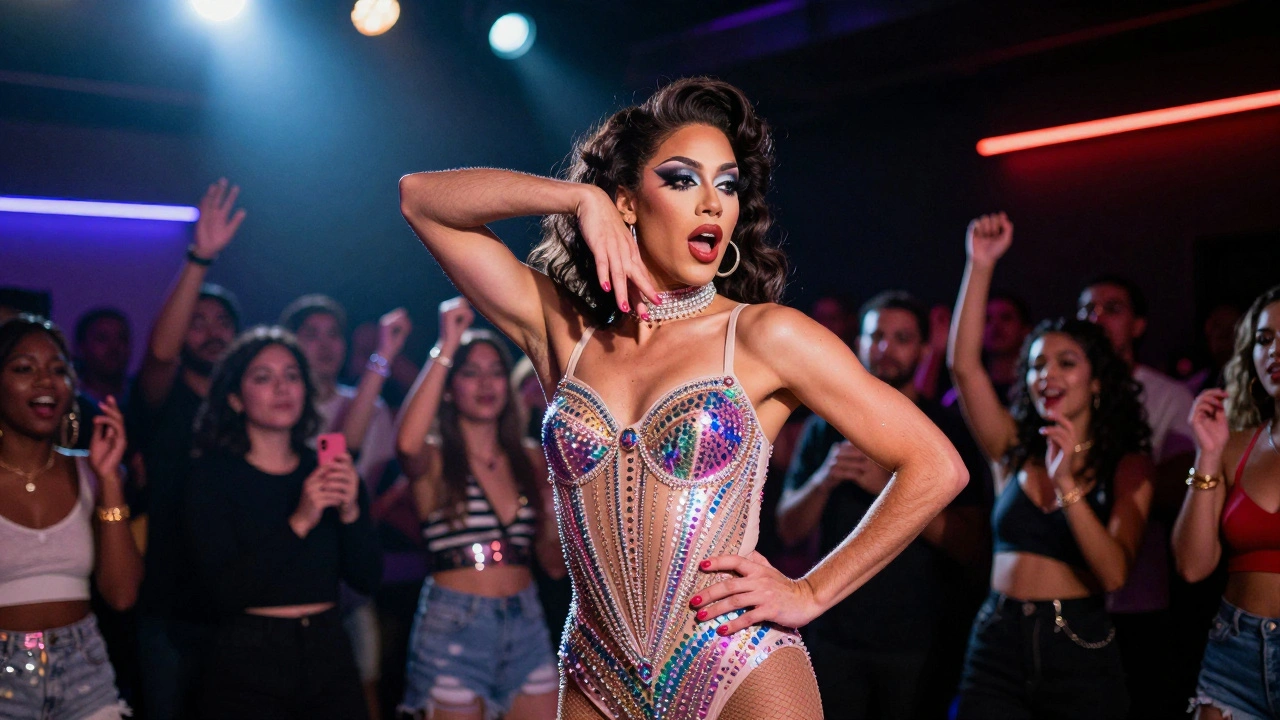
Another notable mention is Pose (2018-2021). Like Scream Queens, this series dives into the ballroom culture of New York City in the late 80s and early 90s. It features several intersex performers and explores the intersection of race, class, and gender. The show demonstrates how chosen families provide support when biological families fail. It’s a tear-jerker, but it’s also a celebration of resilience. The attention to detail in depicting the ballroom scene ensures that intersex participants are not sidelined but are integral to the community’s fabric.
Why Representation Matters Now More Than Ever
You might wonder why this matters. Why spend hours watching films about a small percentage of the population? The answer lies in empathy and policy. Visibility drives change. When intersex people are portrayed with humanity, it becomes harder for society to justify non-consensual surgeries on infants. It challenges the medical establishment to prioritize patient autonomy over aesthetic normalization.
Furthermore, accurate representation helps intersex youth feel less alone. Many grow up believing they are mistakes or monsters. Seeing themselves reflected on screen, even in small roles, can be a lifeline. It validates their existence and tells them that their bodies are not broken, just different. This shift in narrative is critical for mental health outcomes within the community.
As we move further into the 2020s, the demand for authentic storytelling is higher than ever. Audiences are savvy; they can spot tokenism from a mile away. They want depth, nuance, and truth. The films and shows listed here represent the best of current efforts, but there is still much work to be done. We need more intersex writers, directors, and producers behind the camera to ensure that future representations are not just accurate, but empowered.
How to Watch Responsibly
Watching these films is not a passive act. To get the most out of them, consider the following:
- Contextualize the History: Understand the medical history of intersex suppression. Read up on the work of activists like Morgan Holmes and Cheryl Chase to deepen your appreciation of the films.
- Support Independent Creators: Many of the best intersex stories are found in short films and indie docs. Seek them out on platforms like Vimeo or at LGBTQ+ film festivals.
- Listen to Intersex Voices: Use social media to follow intersex activists. Their commentary on new releases provides invaluable context that critics might miss.
- Challenge Your Own Biases: Ask yourself why certain depictions make you uncomfortable. Is it discomfort with ambiguity? With medical intervention? Reflecting on these reactions is part of the learning process.
By engaging with these stories, you become part of the solution. You help normalize diversity and push back against a world that insists on fitting everyone into two boxes. Cinema has the power to reshape reality, one frame at a time. Let’s use that power wisely.
What is the difference between intersex and transgender?
Intersex refers to physical sex characteristics (chromosomes, hormones, anatomy) that do not fit typical binary definitions of male or female. Transgender refers to a person whose gender identity differs from the sex they were assigned at birth. While some people may identify as both, they are distinct concepts. Intersex is about biology; transgender is about identity.
Are there any mainstream Hollywood movies with intersex leads?
True mainstream Hollywood blockbusters with intersex leads are extremely rare. Most representation is found in independent films, documentaries, or television series. When intersex characters appear in major studio films, they are often side characters or depicted through outdated stereotypes. This is why seeking out indie and international cinema is crucial for finding authentic narratives.
Why are documentaries important for intersex representation?
Documentaries provide factual information and personal testimonies that counter misinformation. They highlight the human rights issues surrounding non-consensual surgeries and medical neglect. By sharing real-life stories, documentaries foster empathy and raise awareness among policymakers and the general public, driving social and legal change.
Is 'Orlando' considered an intersex film?
While 'Orlando' does not use the term 'intersex,' it is widely celebrated in LGBTQ+ circles for its exploration of gender fluidity and the rejection of binary sex norms. Its protagonist’s ability to exist across genders resonates with many intersex individuals who feel constrained by rigid categorizations. It is viewed as a foundational text in queer cinema that paves the way for more explicit intersex narratives.
Where can I find more intersex content online?
Beyond streaming services, check out platforms like Vimeo for independent short films. Follow organizations like Intersex Human Rights Australia or GLAAD for recommendations. LGBTQ+ film festivals, such as Frameline or Outfest, often feature dedicated sections for intersex cinema. Social media hashtags like #IntersexVisibility can also lead you to creators and activists sharing their work.