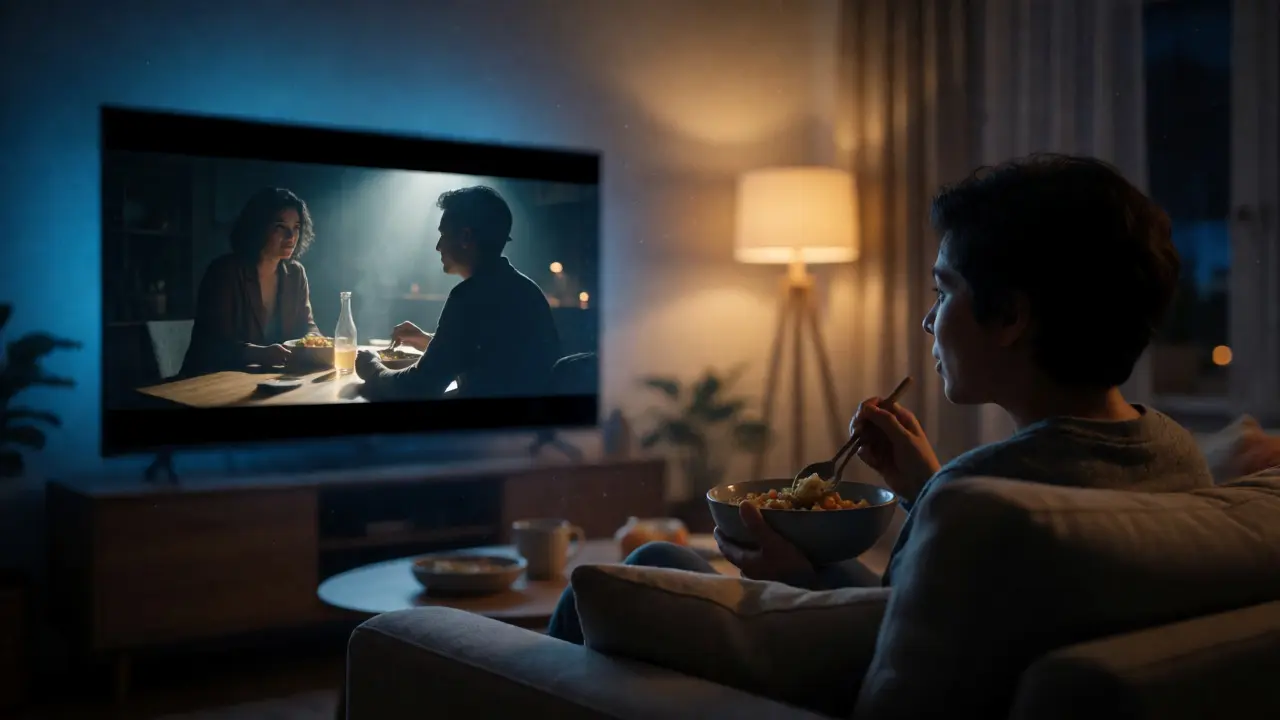
You know that feeling when you finish a movie and immediately need to talk about it? Maybe the plot twist didn't land, or the cinematography was so good you wanted to rewind scene three. For years, this conversation happened in blogs, podcasts, or messy comment sections. Now, it happens in 40-minute videos on YouTube where someone dissects every frame while you eat dinner.
A YouTube film essay is a long-form video critique that blends academic analysis with personal narrative and entertainment value. It’s not just a review saying "thumbs up" or "thumbs down." It’s an argument. It’s a deep dive into themes, history, and craft. And for millions of viewers, it has replaced traditional film criticism entirely.
Why Traditional Reviews Feel Outdated
Think about the last time you read a newspaper movie review. It was probably short, maybe 500 words, and written by one person with a specific bias. It told you if a movie was worth your $15 ticket price. But did it explain why the lighting in *Blade Runner 2049* felt oppressive? Did it connect the color palette of *Parasite* to class struggle? Probably not.
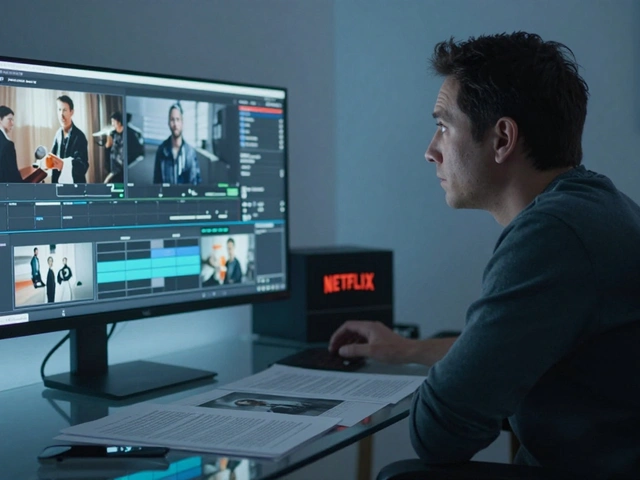
The internet changed who gets to be a critic. You don’t need a press pass anymore. You need a camera, a microphone, and something interesting to say. This shift created space for video essays. These aren't quick takes. They are structured arguments that often run between 20 and 60 minutes. They use clips, music, voiceover, and editing techniques to make their point. The medium itself becomes part of the message.
This format works because it respects the viewer's intelligence. It assumes you’ve seen the movie. It doesn’t waste time summarizing the plot unless necessary. Instead, it asks questions. Why does this scene work? What historical context explains this directorial choice? How does this film reflect our current cultural moment?
The Anatomy of a Successful Essay
Not every long video is a good essay. There’s a craft to making people watch for 30 minutes straight. If you’re trying to understand what makes these videos stick-or if you want to make one yourself-look at the structure. Most successful essays follow a loose but effective pattern.
- The Hook: Start with a contradiction or a mystery. Don’t begin with "Today we're talking about Star Wars." Begin with "Why do we love movies that fail us?" Then reveal the topic.
- The Thesis: State your argument clearly early on. Are you arguing that *The Matrix* is actually a conservative film? Say it. Let the viewer know what they’re evaluating.
- Evidence Through Editing: This is crucial. In text, you quote scenes. In video, you show them. Good editors juxtapose clips to prove points visually. Show two similar shots from different decades to highlight evolution in style.
- Contextual Layering: Bring in history, biography, or theory. Mention how David Lynch’s surrealism influenced modern horror, but keep it accessible. Avoid jargon unless you define it quickly.
- The Turn: About halfway through, introduce a counter-argument or a new angle. Keep the viewer engaged by complicating the simple answer.
- Resolution: Tie it back to the hook. Answer the initial question, but leave room for interpretation.
Notice how this isn't just listing facts. It’s storytelling. The best critics, like Lindsay Ellis or Nerdwriter1, treat their audience as collaborators. They invite you to think alongside them.
Fair Use: The Legal Tightrope
You can’t make a film essay without using other people’s films. That’s the whole point. But copyright law is tricky. If you use too many clips, you risk getting taken down or demonetized. So how do creators get away with showing five minutes of *Inception*?
They rely on Fair Use, a legal doctrine in the United States that allows limited use of copyrighted material without permission for purposes such as criticism, comment, news reporting, teaching, and research.
| Factor | What Courts Look For | Creator Best Practice |
|---|---|---|
| Purpose & Character | Is the use transformative? Does it add new expression or meaning? | Ensure the clip serves your argument. Don't just replay the movie. |
| Nature of Copyrighted Work | Is the original creative or factual? | Use less of highly creative works (like Disney animations) than factual ones. |
| Amount & Substantiality | How much did you take? Was it the 'heart' of the work? | Keep clips short. Avoid showing entire key scenes if possible. Zoom in, crop, or speed up footage. |
| Effect on Market | Does your video replace the need to buy the original? | Make it clear your video is analysis, not a substitute for watching the film. |
Creators mitigate risk by adding significant commentary. If you pause a clip to analyze the lighting, you’re being critical. If you play ten minutes of dialogue uninterrupted, you’re acting like a pirate. Platforms like YouTube have automated systems (Content ID) that flag matches, but human review often overturns flags if the usage seems fair. Still, it’s a gray area. Many creators lose revenue even when they’re legally safe.
The Business Model Behind the Passion
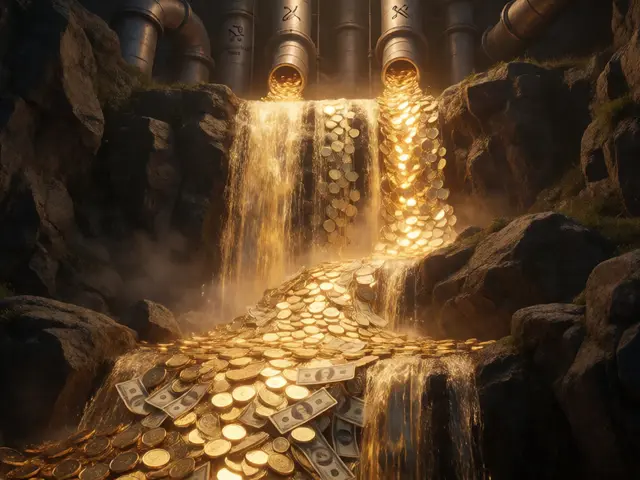
Making a 45-minute video essay takes weeks. Research, scriptwriting, filming, editing-it’s a lot of work. So why do people do it? Money, partly. But also influence.
Traditional critics worked for newspapers. Their reach was limited to subscribers. A popular YouTuber can reach millions instantly. This power attracts brands. Sponsors pay top dollar to appear in these videos because the audience is engaged and trusts the host. When a channel like Every Frame a Painting (now inactive but legendary) recommends a product, it sells out.
Here’s how the economics break down for mid-tier creators:
- Ad Revenue: Depends on CPM (Cost Per Mille). Niche topics might earn $5-$10 per 1,000 views. General entertainment might earn $2-$5.
- Sponsorships: Often the biggest earner. A dedicated segment can pay thousands of dollars depending on subscriber count and engagement rates.
- Patreon/Memberships: Fans pay monthly for early access, behind-the-scenes, or voting rights on future topics. This provides stable income independent of algorithm changes.
But there’s a catch. Algorithms reward consistency and click-through rates. This pressures creators to cover trending topics rather than obscure gems. Some resist this, sticking to niche interests, but growth slows. Others chase trends, risking burnout. Finding balance is the hardest part of the job.
How Video Essays Change How We Watch Movies
This isn’t just about content creation. It’s about consumption. Because of YouTube essays, people watch movies differently now.
Viewers look for visual motifs before the credits roll. They notice sound design. They care about director intent. This raises the bar for filmmakers. Directors know their work will be dissected online. Some embrace this, planting Easter eggs for fans to find. Others feel constrained, worried that subtle moments won’t survive the cut when edited into a fast-paced essay.
Also, these essays create communities. Comment sections become mini-seminars. People debate interpretations. Sometimes, a single video can revive interest in an old film. Remember when *Scott Pilgrim vs. the World* became a cult classic? Much of that resurgence came from online discourse, fueled by video analyses of its editing style.
It democratizes taste. You don’t need a degree in film studies to participate. You just need curiosity. This shifts power away from gatekeepers. A teenager in Asheville can have the same analytical impact as a professor in New York, provided their argument is compelling and well-produced.
Getting Started: Your First Steps
If you’re inspired to join the fray, don’t start with your favorite masterpiece. Start small. Pick a genre you know well. Or pick a controversial opinion you can defend. Here’s a practical checklist to launch your first serious attempt:
- Choose a Narrow Topic: Don’t try to explain all of cinema. Explain why jump cuts were revolutionary in French New Wave. Specificity wins.
- Gather Sources: Read interviews with the director. Watch behind-the-scenes features. Find primary sources, not just other YouTubers.
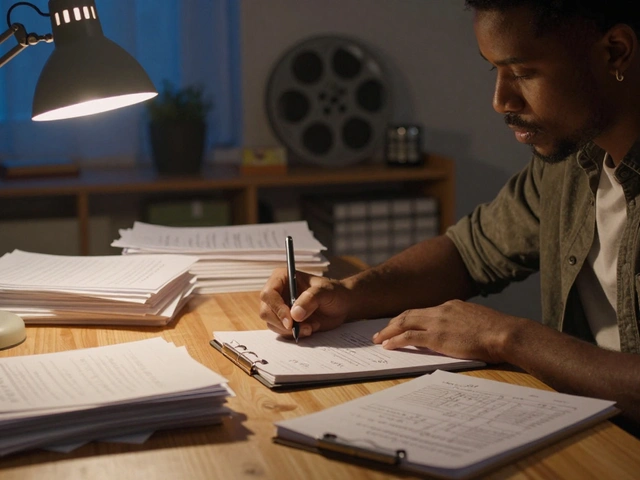
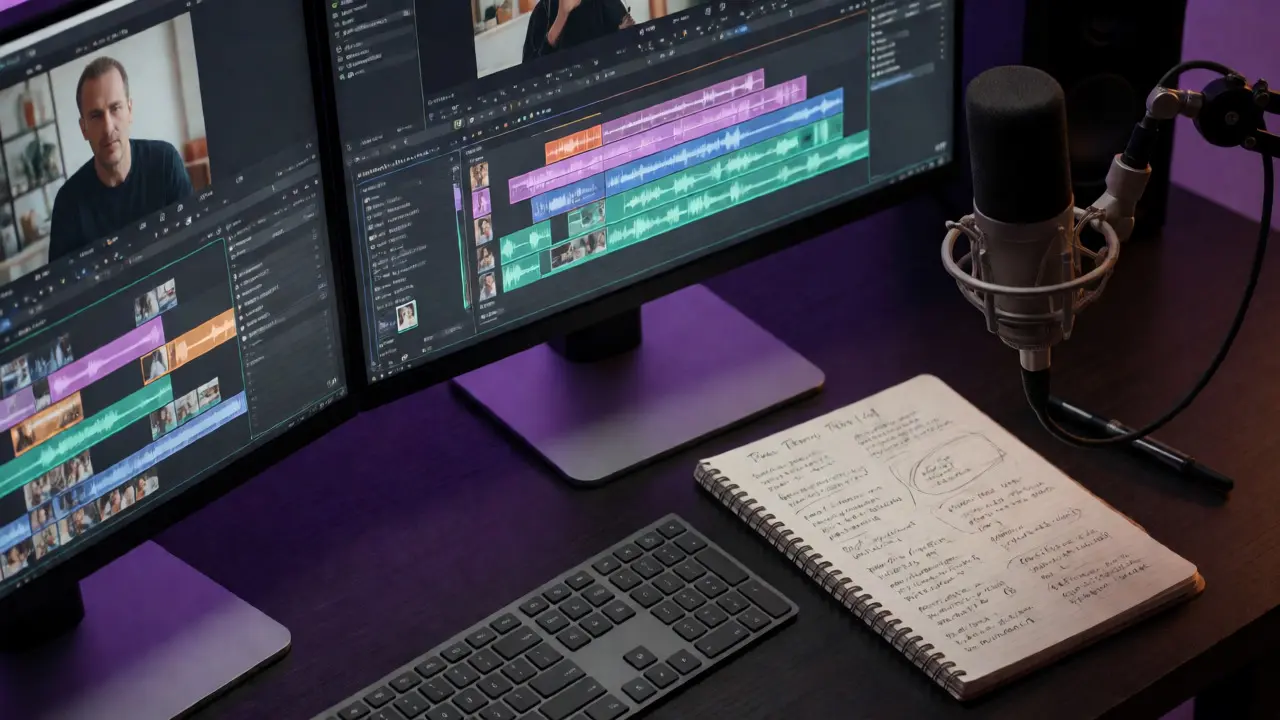
- Write Before You Edit: Draft a script. Voiceovers need rhythm. Read it aloud. Cut fluff.
- Source High-Quality Clips: Low-res rips look amateurish. Use official trailers or high-bitrate sources if possible. Check resolution requirements for your platform.
- Edit for Pace: Cut dead air. Use music to signal transitions. Keep the energy moving.
- Engage Early: Share drafts with friends. Ask hard questions. "Where did you get bored?" is better feedback than "Good job."
Remember, perfection is the enemy of done. Your first video will be rough. That’s fine. The community values authenticity over polish sometimes. Just ensure your audio is clean. Bad audio kills retention faster than bad visuals.
The Future of Critical Discourse
Will AI write these essays next year? Maybe. Tools can already summarize plots and identify themes. But can they capture the nuance of why a particular shot made you cry? Can they weave personal experience with technical analysis seamlessly? Not yet.
The human element remains vital. We trust faces and voices. We connect with personalities. As long as people crave connection and deeper understanding, video essays will thrive. They fill the gap between casual viewing and academic study. They make art accessible without dumbing it down.
So next time you finish a film, don’t just scroll past the credits. Search for an essay. See what others saw. Challenge their view. Add yours. The conversation is open, and the floor is yours.
How long should a YouTube film essay be?
Most successful essays range from 15 to 45 minutes. Shorter videos (under 10 minutes) are often reviews or listicles. Longer videos (over 60 minutes) require exceptional pacing to hold attention. Aim for the length needed to fully develop your argument without dragging.
Do I need expensive equipment to start?
No. A decent smartphone camera and a quiet room are enough to start. Audio quality matters more than video quality. Invest in a basic USB microphone before upgrading your camera. Viewers forgive grainy video but tune out bad audio.
Can I get sued for using movie clips?
You can receive takedown notices or copyright strikes, which affect monetization. Actual lawsuits against individual creators are rare due to cost. Most issues are resolved via YouTube's Content ID system. Using clips for commentary and criticism generally falls under Fair Use, but it is not a guaranteed shield.
How do I find unique angles for famous movies?
Look beyond the plot. Analyze production constraints, casting choices, marketing campaigns, or reception history. Compare the film to contemporary social issues. Read obscure interviews or biographies of the crew. Unique angles often come from connecting disparate pieces of information.
Is it hard to grow a channel in this niche?
Yes, it is competitive. Success relies on distinct personality and consistent upload schedules. Collaborating with other creators helps. Also, optimizing thumbnails and titles for curiosity gaps is essential. Growth is slow initially but can spike if a video hits the algorithm's recommendation feed.