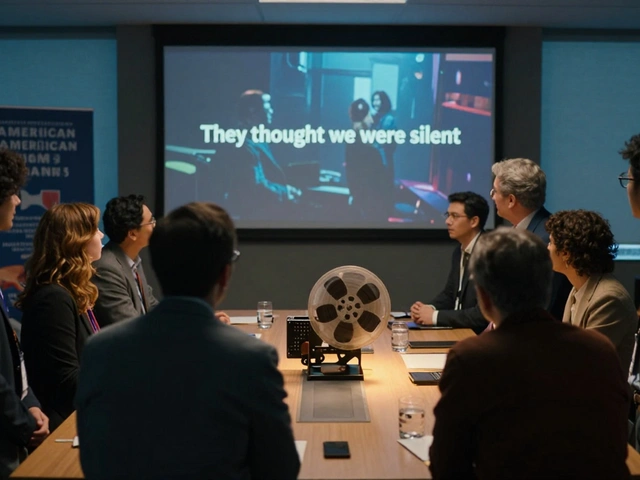
Most indie films don’t die in the theater; they die in the inbox. You have a solid script, great performances, and a polished cut, but if your trailer doesn’t hook a distributor or a festival curator in the first ten seconds, they scroll past. The challenge is specific: you need to sell the vibe without giving away the plot twist that makes the ending work. It’s a tightrope walk between mystery and clarity.
Indie Film Trailer is a short promotional video, typically under two minutes, designed to generate interest in an independent film by showcasing its tone, key characters, and central conflict without revealing the resolution. Unlike big-budget studio trailers that rely on star power and visual spectacle, indie trailers must lean heavily on narrative intrigue and emotional resonance. The goal isn't just to show what happens; it's to make the viewer feel *why* it matters.
Defining the Core Hook: Tone Over Plot
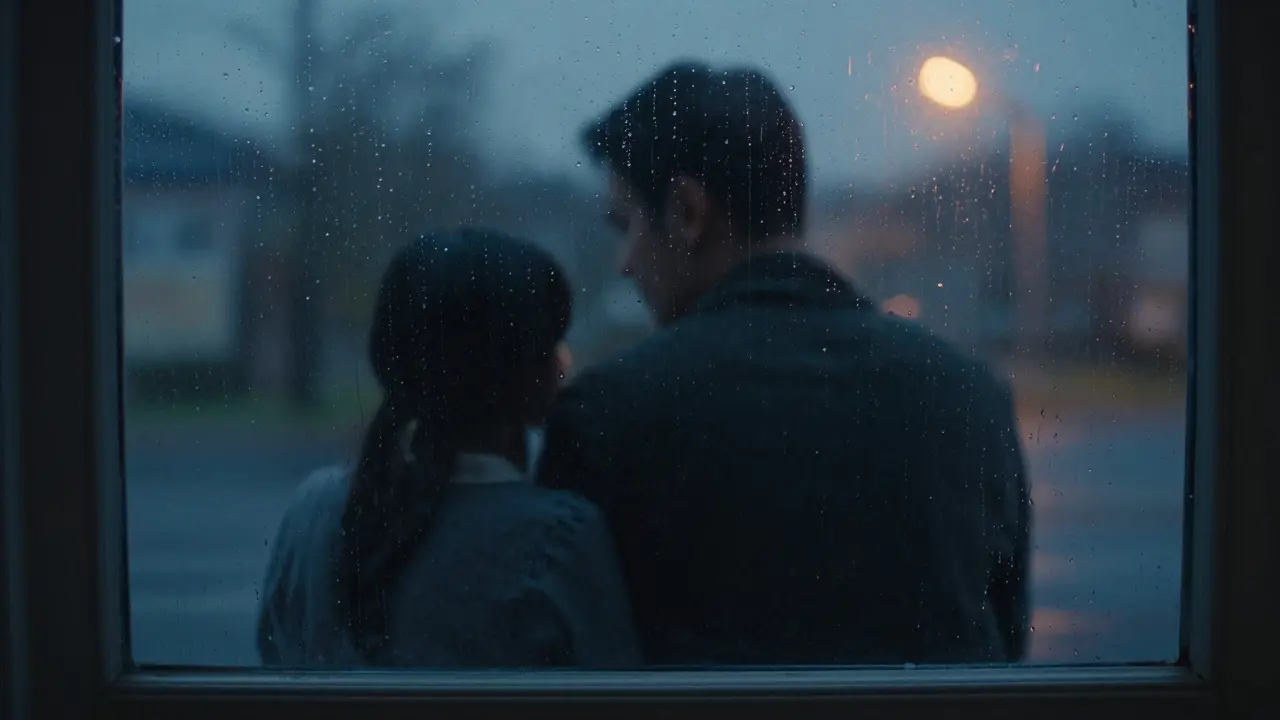
The biggest mistake new editors make is treating the trailer like a summary. They think, "I need to show the beginning, middle, and end." Wrong. A trailer is a mood piece. If your film is a quiet, character-driven drama about a father and daughter reconnecting after a loss, don't show every scene of them talking. Show the silence. Show the look in their eyes. Show the rain hitting the window. Let the audience infer the relationship dynamics.
Consider the concept of Narrative Pacing is the rhythm at which story beats are revealed to the audience, crucial for maintaining tension and engagement in short-form media. In a 90-second spot, you have roughly three acts. Act one establishes the world and the protagonist. Act two introduces the complication or threat. Act three raises the stakes to a peak, then cuts to black before the resolution. This structure mirrors the film itself but compresses the timeline. You want the viewer to ask, "What happens next?" not "Oh, I know how this ends."
The Art of Selective Revelation
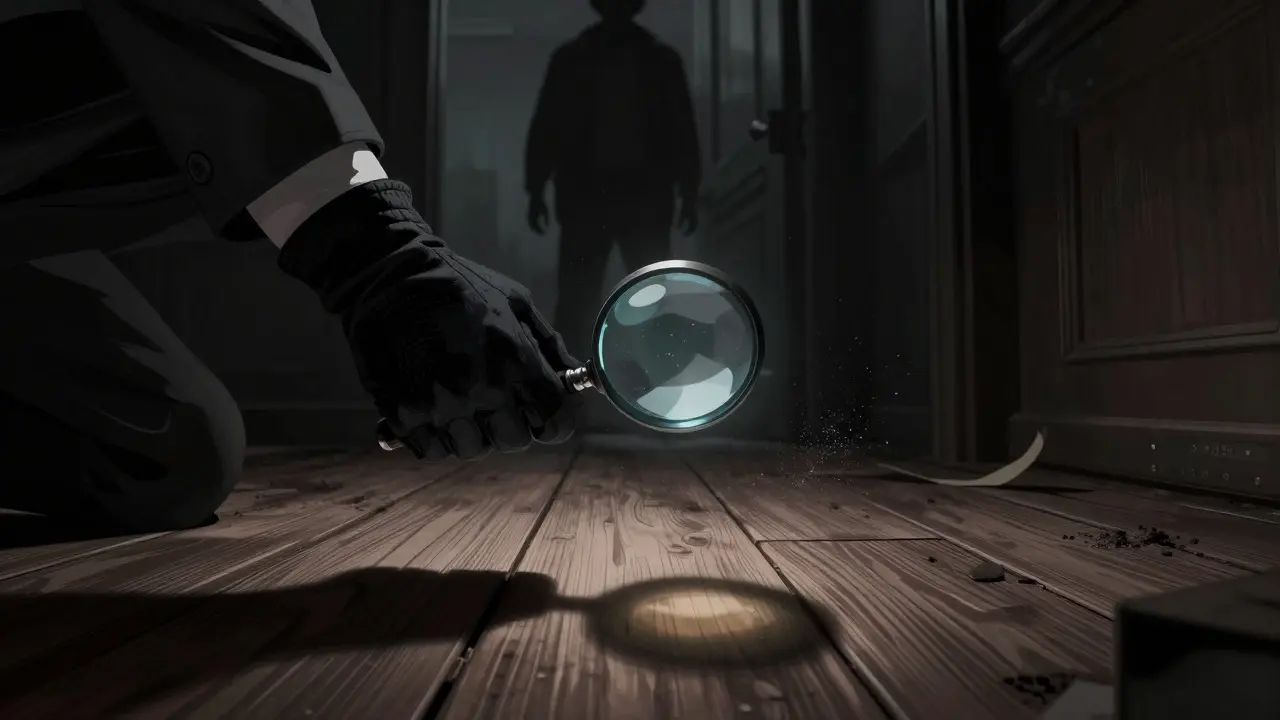
How do you hide the ending? You focus on the journey, not the destination. If your thriller involves a murder mystery, show the detective finding clues, the suspect getting nervous, and the atmosphere growing tense. Do not show the killer's face until the very last second, and even then, keep it ambiguous. Use close-ups of hands, shadows, and reactions rather than wide shots that explain the geography of the crime scene.
This technique relies on Visual Storytelling is the use of images, composition, and movement to convey meaning without relying solely on dialogue or exposition. A shaky camera can imply chaos. A static, locked-off shot can imply dread or stagnation. By manipulating these visual cues, you control what the audience perceives as important. For example, if a character is lying, show them looking away from the camera, not necessarily showing them saying the lie. The audience trusts the image more than the audio in a fast-paced edit.
Sound Design: The Invisible Editor
Audio is half the experience. In indie films, where budgets for VFX are low, sound design carries the weight of immersion. A well-timed bass drop or a sudden silence can be more effective than any special effect. When editing your trailer, pay attention to the Soundtrack Selection is the process of choosing music that aligns with the emotional arc and genre conventions of the film to enhance viewer engagement. Avoid generic stock music that sounds like a commercial for car insurance. Instead, choose tracks that match the specific texture of your film. If it’s a gritty noir, use sparse jazz or ambient noise. If it’s a sci-fi horror, use dissonant electronic textures.
Also, consider the role of Dialogue Snippets are short, impactful lines of dialogue selected from the film to provide context, character insight, or thematic emphasis in a trailer. Pick lines that raise questions rather than answer them. Instead of using a line that explains the backstory, use a line that hints at a secret. "You never told me he was dead" is stronger than "My brother died ten years ago." The former invites curiosity; the latter provides information.
Structuring the Edit: A Step-by-Step Approach
Here is a practical workflow for editing an indie trailer that balances selling the film without spoiling it:
- Identify the Core Emotion: What is the single most powerful feeling your film evokes? Is it fear, joy, sadness, or anger? Every clip you choose must serve this emotion.
- Select the "A-Moments": Pull the top 15-20 most visually striking or emotionally resonant clips from the full cut. Ignore chronology for now.
- Group by Function: Sort these clips into three buckets: Introduction (Who/Where), Conflict (What’s Wrong), and Stakes (Why It Matters).
- Sequence for Rhythm: Arrange the clips so the energy builds. Start slow, accelerate in the middle, and peak near the end. Cut against the beat of the music, not with it, to create subtle tension.
- Add Text and Titles: Keep text minimal. Only include the title, tagline, and release date. Too much text distracts from the visuals.
- The Final Cut Test: Show the trailer to someone who hasn’t seen the film. Ask them: "What kind of movie is this?" and "Do you want to see it?" If they say "It looks like a drama," you’ve succeeded. If they say "The guy dies at the end," you’ve spoiled it.
Common Pitfalls to Avoid
Many indie trailers fail because they try to do too much. Here are the traps to watch out for:
- Over-explaining the Plot: If the viewer needs a voiceover to understand what’s happening, the visuals aren’t doing their job. Trust the audience to connect the dots.
- Mismatched Music: Using upbeat pop music for a dark psychological thriller creates cognitive dissonance that confuses rather than intrigues.
- Too Many Characters: Introduce only the main protagonist and perhaps one antagonist or love interest. Extra characters dilute the emotional focus.
- Ignoring Aspect Ratio: Ensure your trailer looks good in both 16:9 (for web/festivals) and 9:16 (for social media stories). Reframe key shots vertically if necessary.
Comparing Approaches: Studio vs. Indie
Understanding the difference between mainstream and independent trailer strategies helps refine your approach. While studios have massive resources, indies have agility and authenticity.
| Feature | Studio Blockbuster | Indie Film |
|---|---|---|
| Primary Goal | Maximize box office opening weekend | Generate critical buzz and festival selection |
| Key Asset | Star power and VFX | Narrative uniqueness and performance |
| Pacing | Fast, high-energy, frequent cuts | Varied, often slower, atmospheric |
| Risk of Spoiler | Low (plot is less important than spectacle) | High (plot twists are core value proposition) |
| Target Audience | Mass market, broad demographics | Niche audiences, cinephiles, critics |
Notice the risk column. For a studio action movie, if you spoil that the hero survives, it doesn’t matter much because the fun is in the explosions. For an indie drama, if you spoil that the marriage fails, you might kill the curiosity needed to watch the journey. This distinction dictates your editing choices.
Optimizing for Distribution Platforms
Where you release the trailer matters as much as what’s in it. Festivals like Sundance or TIFF prefer trailers that highlight artistic merit and directorial vision. They often respond well to longer, more contemplative edits that allow the cinematography to breathe. On the other hand, digital platforms like Vimeo or YouTube favor shorter, punchier versions that grab attention quickly. Consider creating two versions: a 90-second theatrical cut for festivals and a 30-second teaser for social media. The teaser should focus on one strong image and one compelling line, leaving almost everything else hidden.
Remember, Audience Retention is a metric measuring how long viewers stay engaged with a video, critical for algorithmic promotion on streaming platforms. On digital platforms, if people stop watching in the first five seconds, the algorithm buries the video. Start with your strongest visual hook immediately. Don’t waste time on logos or fade-ins. Hit them with the most intriguing image right away.
Frequently Asked Questions
How long should an indie film trailer be?
The standard length for an indie film trailer is between 90 seconds and 2 minutes. For social media teasers, aim for 15 to 30 seconds. Anything longer than 2 minutes risks losing the audience’s attention unless it’s specifically tailored for a festival submission that allows extended previews.
Should I use the film’s actual score in the trailer?
Yes, if the score is strong. Using the original score helps establish the film’s unique identity. However, ensure you have cleared the rights for promotional use. If the score is still being composed, you can use temp music during the editing phase, but replace it with the final track before distribution.
What if my film has no major plot twists, just character development?
Focus on the relationships and the emotional stakes. Show the tension between characters, the moments of vulnerability, and the turning points in their interactions. The "mystery" in a character drama is not "what will happen" but "how will they change?" Highlight the contrast between the beginning and end states of the characters without showing the full transformation.
How do I avoid making the trailer look cheap?
Invest in clean color grading and professional sound mixing. Even if the footage is raw, a consistent color palette and balanced audio levels make the production look intentional and polished. Avoid overusing flashy transitions or effects. Simple cuts and fades often look more sophisticated than complex animations.
Is it better to release the trailer before or after the film premieres at a festival?
Typically, release the official trailer after the premiere to capitalize on the buzz and reviews. However, you can release a short teaser beforehand to build anticipation. The post-premiere trailer can include positive quotes from critics or festival awards, adding credibility and urgency to the viewing decision.