You’ve spent months, maybe years, crafting a script that you believe is the next big thing. You finally get that coveted general meeting with a producer or studio exec. Your heart is pounding. You walk in, sit down, and open your mouth to say, "So, this movie is about..." and then you freeze. Or worse, you launch into a twenty-minute monologue about the backstory of your protagonist’s childhood trauma, and by minute three, you can see the light leave their eyes.
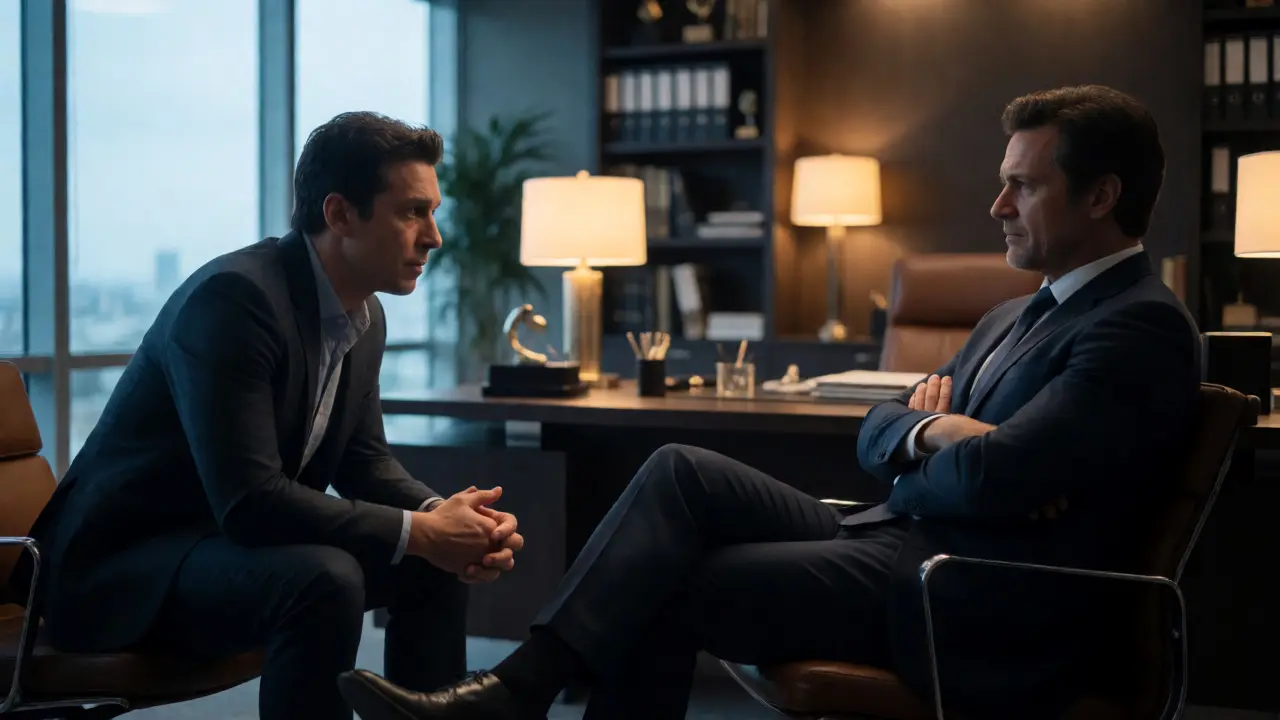
Here is the brutal truth about pitching in Hollywood: nobody cares about your process. They care about the story, the marketability, and whether you are someone they want to work with for the next two years. A general meeting isn’t an interrogation; it’s a vibe check. It’s less about selling one specific script and more about proving you have a voice, a vision, and the social skills to survive a development hell cycle without losing your mind.
| Phase | Time Allocation | Primary Goal | Common Pitfall |
|---|---|---|---|
| The Icebreaker | 5-10 mins | Establish rapport and likability | Talking too much about yourself before listening |
| The Hook | 2-3 mins | Grab attention with high-concept premise | Burying the lead in exposition |
| The Meat | 10-15 mins | Show character arc and stakes | Getting lost in plot mechanics |
| The Ask | 5 mins | Clarify next steps or other ideas | Leaving without a clear action item |
Why the Vibe Matters More Than the Plot
Let’s be real. Executives are bored. They read hundreds of loglines a week. When they agree to a general meeting, they aren’t just looking for a good script; they are hiring a partner. Development is messy. Notes come from everywhere-studio heads, producers, stars, directors. Can you take feedback? Do you get defensive? Are you fun to grab lunch with when the project hits a wall?
I remember a writer friend who had a brilliant thriller but was so intense and rigid during his first GM that the executive passed on him, not because the writing was bad, but because he seemed impossible to collaborate with. The exec told me later, "I liked the script, but I didn't like the guy." That’s the game. You need to show up as a low-drama, high-value collaborator. Smile. Listen more than you talk. Ask questions about what they are looking for. If they mention they’re trying to break into horror-comedy, don’t pitch them a gritty crime drama unless you can bridge the gap brilliantly.
Crafting the Hook: The First Three Minutes
You have roughly ninety seconds to convince someone to keep sitting there. This is where most writers fail. They start with "Well, it’s set in 1980s Chicago, and the main character is a detective named Jack..." Stop. Nobody cares about Jack yet. Start with the hook.
A strong hook answers three questions immediately:
- Who is the protagonist? (Give them a defining trait or role)
- What is the inciting incident? (The problem that disrupts their life)
- What is at stake? (What happens if they fail?)
Compare these two openings:
Weak: "It’s a story about a lawyer who finds out his wife is cheating on him, and then he gets fired, and then he decides to become a hitman."
Strong: "Imagine a mild-mannered public defender who discovers his wife is having an affair with his boss. The day he files for divorce, he’s fired. Broke and humiliated, he takes one last job defending a notorious mob enforcer-and realizes the only way to pay off his debts is to kill his ex-wife's lover himself."
See the difference? The second version has irony, stakes, and a clear genre signal. It makes the listener lean in. Practice this hook until you can deliver it naturally, without sounding rehearsed. It should feel like gossip you’re sharing over beers, not a recitation from a textbook.

Structuring the Pitch Without Reading the Script
Do not bring a printed copy of your script to a general meeting unless they ask for it. You are telling a story, not reading a document. Use your hands. Make eye contact. If you look down at pages, you disconnect.
Think of your pitch in three acts, but keep it loose:
- Act One: The Setup. Quickly establish the world and the character’s status quo. Then, blow it up. What breaks their normal life? Keep this brief. We know the setup; we want to know what goes wrong.
- Act Two: The Struggle. This is the meat. But don’t list every scene. Pick the three most compelling turning points. Show how the character changes. Do they go from cowardly to brave? From selfish to selfless? Highlight the emotional journey, not just the physical actions. If your hero fights a dragon, tell me why fighting the dragon matters to their soul.
- Act Three: The Climax and Resolution. Don’t give away every twist if you’re worried about spoilers, but generally, executives want to know how it ends. They need to trust that you know where you’re going. Describe the final confrontation and the new normal. Leave them feeling satisfied.
If you get stuck, use the "But/Therefore" rule. Instead of saying "And then this happened," say "This happened, BUT therefore, this consequence occurred." It creates momentum. "Jack finds the letter, BUT therefore, he loses his alibi. Therefore, he becomes the prime suspect." It keeps the energy moving forward.

Reading the Room: Interactive vs. Monologue
A general meeting is a conversation. Watch the executive. Are they nodding? Asking questions? Interrupting? If they interrupt, stop talking. Answer their question directly, then circle back. If they seem distracted, pause. Ask, "Does this resonate with what you're looking for right now?"
Sometimes, the best move is to shut up. Let them process. Silence is powerful. If they ask a question you don’t know the answer to, don’t lie. Say, "That’s a great question. I haven’t fully cracked that part yet, but here’s my initial thought..." Honesty builds trust. Pretending you have all the answers when you don’t looks amateurish.
Also, be ready for the "Other Stuff" phase. Often, after hearing your pitch, they’ll say, "Okay, that’s cool. What else do you have?" Have two or three other loglines ready. Not full pitches, just one-sentence hooks. This shows you’re a prolific writer with range. If you only have one idea, you look like a one-trick pony.
Handling Notes and Rejection Gracefully
They might love the concept but hate the execution. Or they might say no entirely. How you handle the "no" defines your career. Never argue. Never say, "You just don't get it." Say, "I appreciate the time. Was it the tone, the structure, or the subject matter that didn't land?"
This question does two things: it gives you actionable feedback for your next pitch, and it shows you’re coachable. Even if they pass on this project, they might keep you in mind for the next one. I’ve seen writers get hired on spec scripts six months after a failed pitch simply because they handled the rejection with grace and professionalism.
Remember, a general meeting is rarely about buying your script on the spot. It’s about building a relationship. You are planting seeds. Some will grow immediately; others will take years. Stay persistent. Stay friendly. And always, always follow up with a thank-you email within 24 hours, referencing a specific point from the conversation to jog their memory.
How long should a pitch be in a general meeting?
Aim for 5 to 7 minutes maximum for the core pitch. Executives have short attention spans. If you go longer, you risk losing them. Leave room for questions and discussion, which are often more valuable than the pitch itself.
Should I bring my script to a general meeting?
Generally, no. Bring a business card and perhaps a one-page treatment if requested. Bringing a full script can feel presumptuous. Let them ask for it. If they do, offer to send a PDF rather than handing over a paper copy, as it’s easier for them to share internally.
What if I forget my pitch mid-meeting?
Don’t panic. Pause, take a breath, and smile. Say, "Sorry, let me reset for a second." Then jump to the next key beat. Most people won’t notice the stumble if you recover confidently. Preparation helps, but resilience matters more.
Is it okay to pitch multiple projects in one meeting?
Yes, but prioritize. Lead with your strongest, most marketable idea. If the conversation flows well, you can briefly mention one or two others. Don’t overwhelm them with five different genres. Stick to what fits their slate or interests.
How do I know if the meeting went well?
Look for engagement signals: did they ask detailed questions? Did they laugh? Did they share personal anecdotes related to your topic? Did they discuss next steps or introduce you to someone else? Silence or vague "we'll be in touch" responses usually indicate a polite decline.