When you think of the Chinese film industry, your mind probably jumps to massive sci-fi spectacles like The Wandering Earth or historical epics with budgets that dwarf Hollywood’s biggest hits. And sure, those blockbusters dominate the headlines. But if you only look at the top-grossing films, you’re missing half the picture. The real story isn’t just about spending billions on CGI; it’s about a structural shift happening beneath the surface.
In 2025 and heading into 2026, the market is maturing. Audiences are getting smarter, more discerning, and less willing to buy tickets for mediocre content just because it has a famous director attached. This pressure is forcing studios, streamers, and independent creators to innovate in ways that have nothing to do with explosions. Let’s look at what’s actually driving this growth beyond the marquee titles.
The Streaming Revolution: iQiyi, Tencent, and Youku
You can’t talk about modern Chinese cinema without talking about the big three tech giants: iQiyi, a leading online video platform owned by Baidu, Tencent Video, and Youku. These aren’t just Netflix clones. They are active producers, co-producers, and data analysts shaping what gets made.
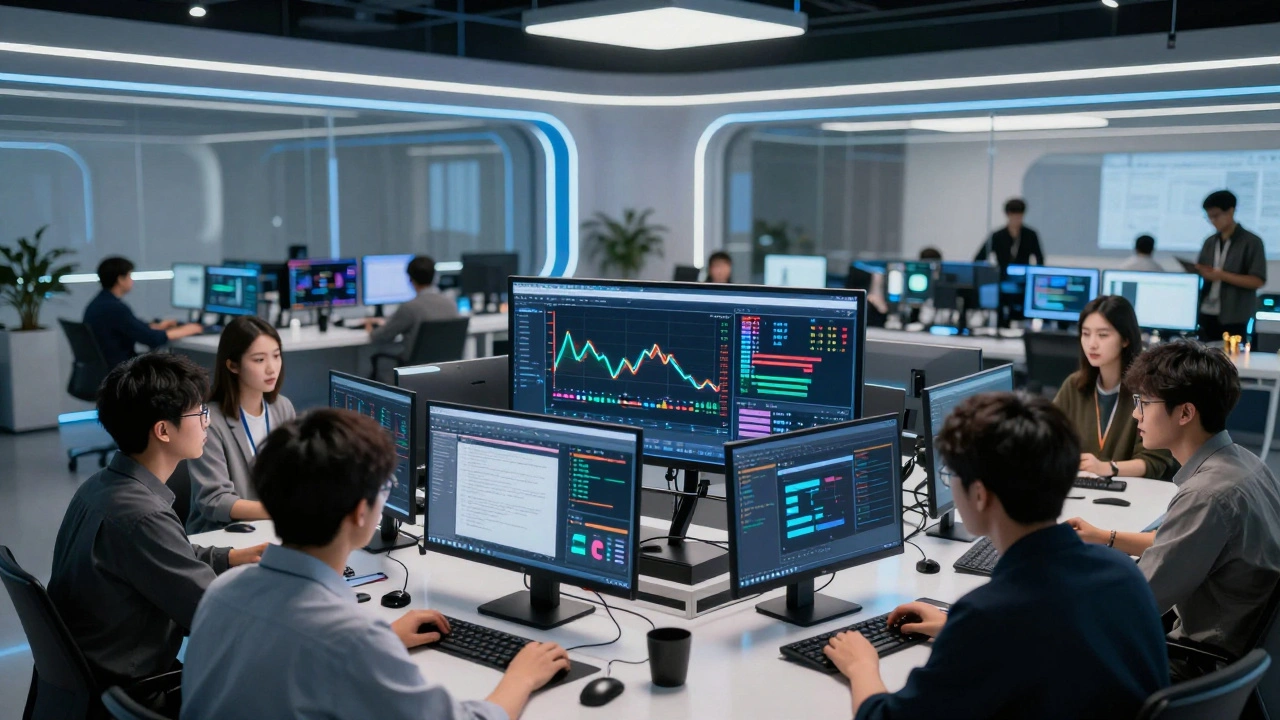
For years, theatrical releases were the only game in town. Now, premium web series and direct-to-streaming films are stealing significant market share. Platforms like iQiyi use algorithmic data to test scripts before they’re even shot. They analyze viewer drop-off rates from similar genres to predict success. This data-driven approach reduces risk for investors and allows for more experimental storytelling that might never survive in a multiplex.
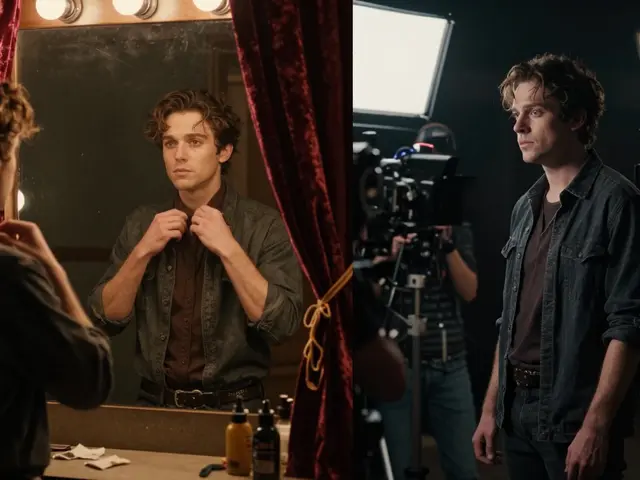
We’ve seen a surge in high-quality ‘micro-dramas’ and vertical-screen content optimized for mobile viewing. While critics dismiss these as low-brow, their production values have skyrocketed. Directors who started in short-form content are now moving into feature-length projects, bringing fresh pacing and visual styles that appeal to Gen Z viewers who spend hours on their phones daily.
Independent Cinema Finding New Voices
If blockbusters represent the state-approved face of Chinese cinema, independent films are the pulse. Filmmakers like Dong Yonghui, director known for realistic dramas such as 'A Touch of Sin' and Jia Zhangke have long operated in the shadows, often facing distribution hurdles due to strict censorship regulations. However, the landscape is shifting slightly.
Festivals play a crucial role here. The Shanghai International Film Festival and local indie screenings provide vital windows for these voices. More importantly, niche audiences are forming around specific themes-social realism, rural life, and urban alienation. Films that tackle sensitive social issues with subtlety rather than overt confrontation are finding dedicated fanbases. These movies don’t make hundreds of millions at the box office, but they build cultural capital and critical acclaim that sustains careers.
The challenge remains funding. Without government subsidies tied to patriotic themes or commercial viability, indie filmmakers rely on international co-productions or private equity. Yet, this scarcity breeds creativity. Limited budgets force directors to focus on strong performances and tight narratives rather than relying on spectacle.
Censorship: Navigating the Red Lines
Let’s be clear: censorship is not going away. The National Radio and Television Administration (NRTA), the regulatory body overseeing media content in China maintains tight control over narrative boundaries. Topics involving politics, religion, and certain historical events remain off-limits. For many years, this stifled innovation, leading to safe, formulaic productions.
However, savvy creators have learned to dance within the lines. Instead of avoiding difficult subjects, they frame them through personal stories, historical allegories, or genre conventions like horror or comedy. A film about family reconciliation can subtly critique societal pressures without triggering red flags. This ‘subtextual storytelling’ has become an art form in itself.
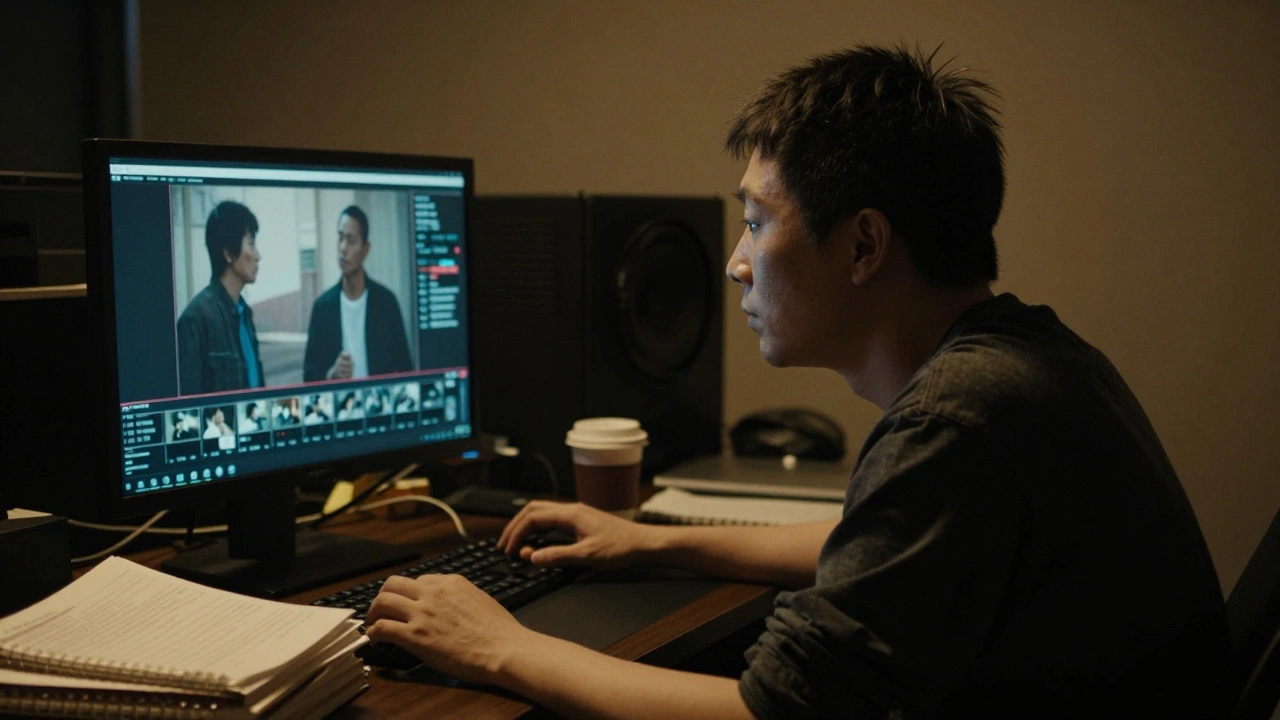
Moreover, self-censorship is evolving. Producers now conduct internal reviews early in development to avoid costly rejections later. This proactive approach means fewer surprises during the final approval stage. While frustrating for some artists, it creates a predictable environment where calculated risks can still yield rewards.
Co-Productions and Global Ambitions
China isn’t trying to isolate its film industry; it’s trying to integrate globally on its own terms. Co-productions with Hollywood, Europe, and Southeast Asia are increasing. Partnerships allow Chinese studios to access global talent, technology, and distribution networks while foreign partners gain access to the lucrative domestic market.
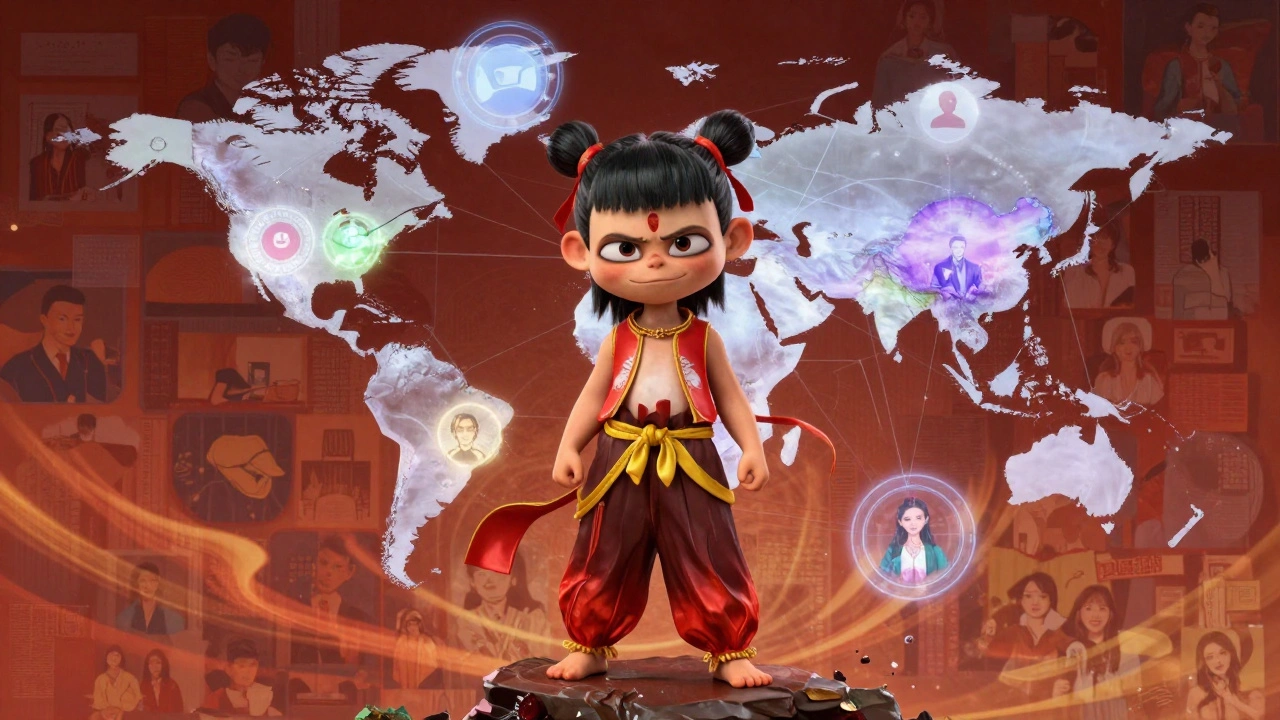
Take the recent trend of animated features. Studios like Light Chaser Animation, known for visually stunning films like 'Ne Zha' and 'White Snake' are collaborating with international VFX houses. These collaborations elevate technical standards and introduce Chinese mythological stories to worldwide audiences. Animation serves as a soft power tool, bypassing some of the political sensitivities associated with live-action drama.
Additionally, Chinese investors are buying stakes in foreign production companies. This isn’t just about profit; it’s about learning best practices in IP management, franchise building, and audience engagement. As these lessons filter back home, we see more serialized content and character-driven universes emerging from Chinese studios.
Audience Demographics: Who Is Watching?
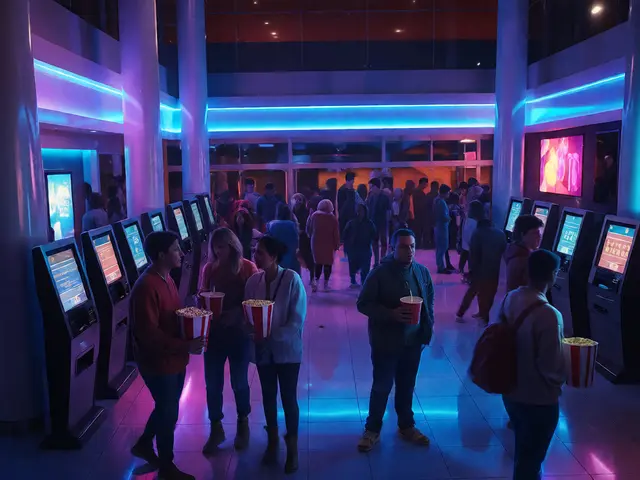
The biggest driver of change is the audience itself. In 2010, the average moviegoer was older, male, and interested in action. Today, women account for nearly 60% of ticket sales. Young professionals in tier-one cities like Beijing, Shanghai, and Shenzhen drive consumption. They value emotional resonance, aesthetic quality, and social relevance.
This demographic shift forces studios to rethink marketing strategies. Social media platforms like Weibo and Xiaohongshu (Little Red Book) are essential for buzz generation. Influencers review films, share behind-the-scenes clips, and create memes that go viral. Word-of-mouth spreads faster than ever, meaning a bad opening weekend can kill a film instantly.
Furthermore, regional preferences matter. Tier-two and tier-three cities are growing rapidly. Audiences there prefer different genres-often more grounded, relatable stories compared to the fantastical fare popular in megacities. Distributors must tailor release schedules and promotional materials accordingly. One size no longer fits all.
| Driver | Impact | Example |
|---|---|---|
| Streaming Platforms | Shifts revenue models, enables data-driven creation | iQiyi’s algorithmic script testing |
| Female Audience Growth | Demands emotional depth, diverse protagonists | Rise of romance/drama hybrids |
| Co-Production Trends | Improves technical quality, expands global reach | Light Chaser Animation partnerships |
| Censorship Adaptation | Encourages subtextual storytelling, allegory | Historical dramas reflecting current issues |
Challenges Ahead: Saturation and Competition
Growth brings problems. The market is becoming saturated with mid-tier productions that struggle to find an audience. With so much content available on streaming services, attention is fragmented. Standing out requires exceptional quality or unique branding.
Competition from other forms of entertainment is fierce. Gaming, live-streaming, and short-video apps compete for the same leisure time. Movies must offer an experience that cannot be replicated on a phone screen. Immersive formats like IMAX and Dolby Cinema help, but they require higher ticket prices that may deter casual viewers.
Additionally, economic fluctuations affect discretionary spending. If consumer confidence dips, people cut back on non-essential expenses like cinema visits. Studios must balance ambitious projects with financially sustainable ones to weather downturns.
Is the Chinese film industry dependent on blockbusters?
Not anymore. While blockbusters generate significant revenue, the industry is diversifying. Streaming platforms support mid-budget dramas, comedies, and thrillers that cater to specific niches. Independent films also contribute to cultural diversity, even if their financial impact is smaller.
How does censorship affect creative freedom?
Censorship sets clear boundaries, limiting direct criticism of government or sensitive topics. However, many filmmakers adapt by using allegory, historical settings, or personal narratives to explore broader themes. This constraint often leads to innovative storytelling techniques.
What role do streaming platforms play in film production?
Platforms like iQiyi and Tencent Video act as both distributors and producers. They fund original content, use data analytics to guide creative decisions, and provide alternative revenue streams outside traditional theatrical windows. Their influence shapes trends in pacing, genre, and format.
Are international co-productions common in China?
Yes, increasingly so. Co-productions help Chinese studios access global markets and technologies while allowing foreign partners to enter the Chinese market. These collaborations are especially prevalent in animation and high-concept sci-fi genres.
Who is the primary audience for Chinese films today?
Women make up approximately 60% of moviegoers, particularly young professionals in urban areas. This demographic prefers emotionally engaging stories, strong character development, and aesthetically pleasing visuals over pure action spectacle.