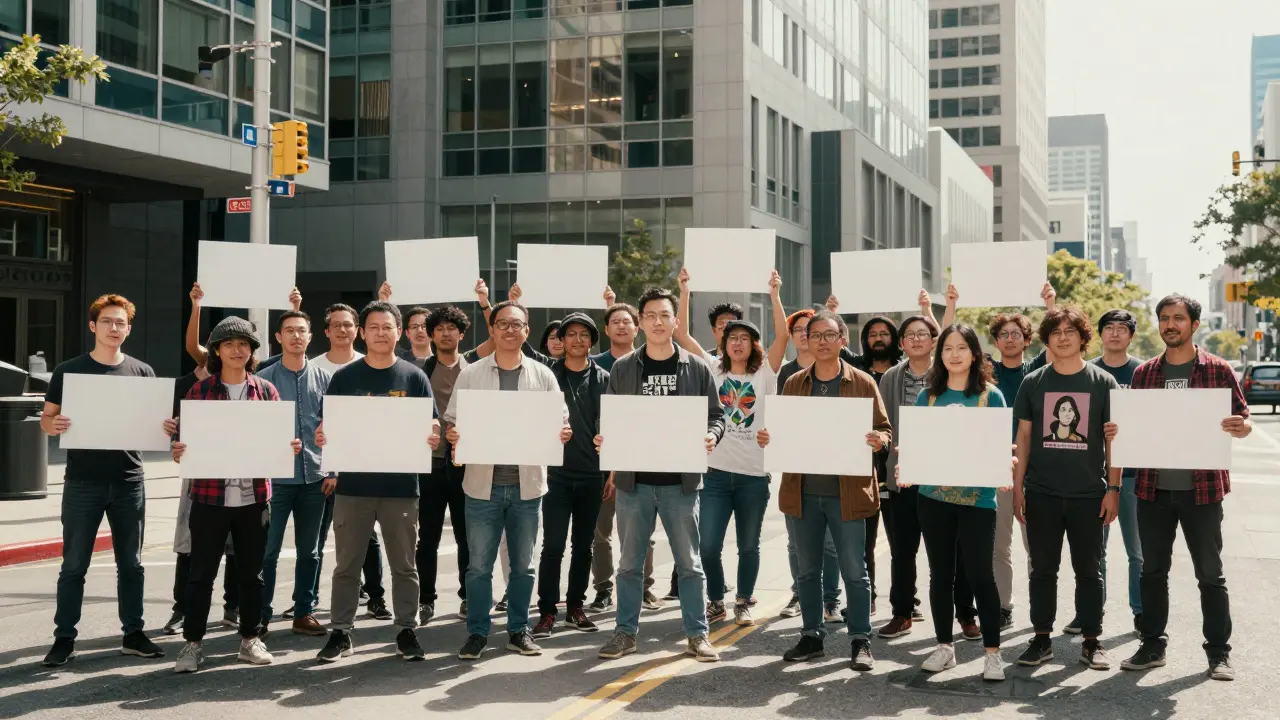
For decades, the animation industry was a black box. Outsourcing to overseas studios, low wages, and non-union contracts kept workers silent while executives celebrated record-breaking box office returns. But that silence broke. In 2023, animators went on strike for the first time in over two decades, demanding better pay, healthcare, and respect for their craft. As we move through 2026, the landscape has shifted dramatically. Understanding how labor unions operate within this creative sector is no longer just for HR departments-it’s essential for any artist, producer, or fan who wants to understand the true cost of their favorite films.
The Current State of Unionization in Animation
Unlike live-action filmmaking, where unionization has been standard since the 1930s, animation took a different path. For years, major studios like Disney, Pixar, and DreamWorks relied heavily on contract labor and offshore outsourcing. This model allowed them to keep costs down but often left artists without benefits or job security. Today, the tide has turned. The two primary organizations governing animation labor are SAG-AFTRA (Screen Actors Guild-American Federation of Television Radio and Motion Picture Artists) and IATSE (International Alliance of Theatrical Stage Employees).
SAG-AFTRA primarily represents voice actors and some character animators, while IATSE covers the technical crew, including background artists, layout artists, and digital technicians. In 2024, a landmark agreement was reached between SAG-AFTRA and major animation studios, establishing minimum wage floors and residual payments for streaming content. This deal set a precedent that ripples through the entire entertainment sector. If you’re an aspiring animator, knowing which guild you fall under is your first step toward protecting your career.
Why Animators Went on Strike
To understand the current labor climate, you have to look back at the 2023 strike. It wasn’t just about money; it was about survival. The rise of high-definition streaming meant animators were producing more work than ever before, but their pay hadn’t kept up with inflation. Many senior animators found themselves earning less than junior staff due to outdated salary scales from the early 2000s.
The core demands of the strike included:
- Minimum Wage Increases: Ensuring base salaries reflect the cost of living in major production hubs like Los Angeles and New York.
- Residuals for Streaming: Creating a fair formula for paying artists when shows are rebroadcast on platforms like Netflix or Hulu.
- Healthcare Guarantees: Securing pension and health plans for part-time and freelance workers who previously fell through the cracks.
- AI Transparency: Establishing rules around the use of artificial intelligence in pre-production and asset creation.
By mid-2024, these negotiations resulted in a new three-year contract. The outcome gave animators a significant raise and clearer guidelines on how AI could be used without replacing human jobs entirely. This victory proved that collective bargaining works even in highly fragmented creative industries.
The Role of AI in Labor Negotiations
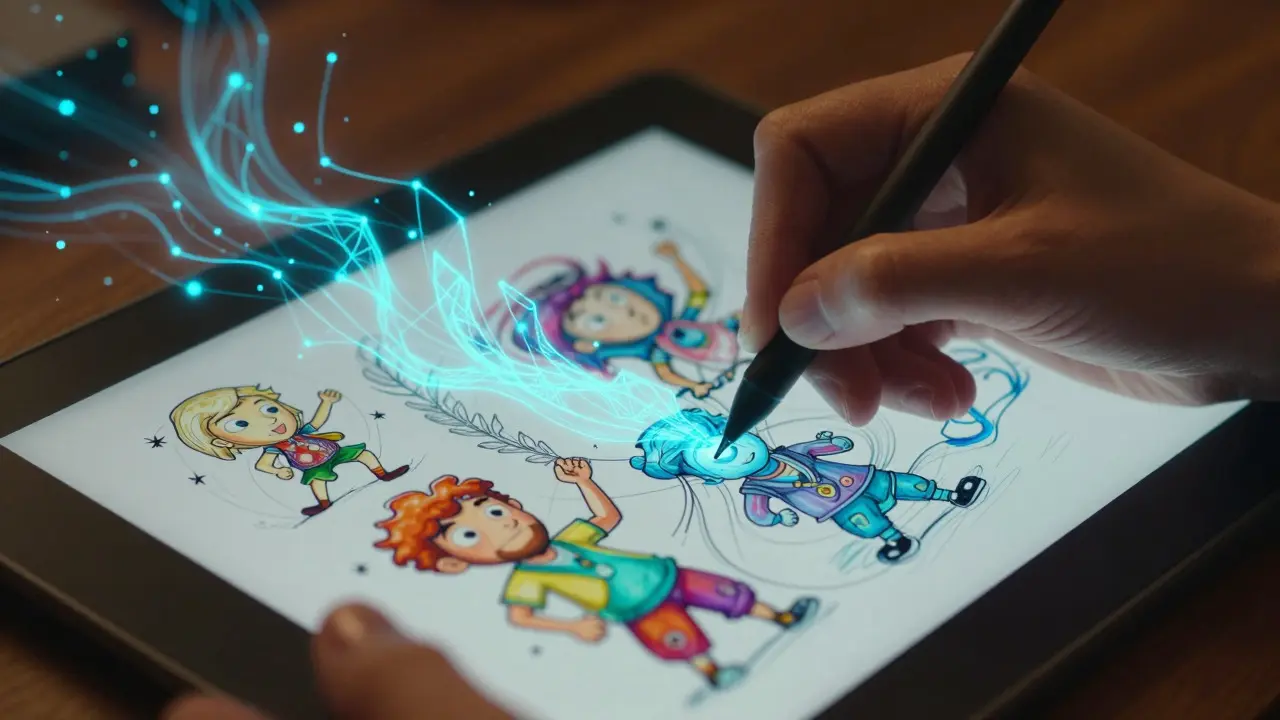
No discussion of modern animation labor is complete without addressing artificial intelligence. By 2026, AI tools are ubiquitous in concept art, motion capture cleanup, and even final rendering. For unions, AI represents both a threat and an opportunity. The fear is simple: if software can generate a consistent character design in seconds, do we need hundreds of draftsmen?
However, the 2024 agreements introduced specific clauses regarding AI usage. Studios must now disclose when AI is used for preliminary sketches versus final frames. Furthermore, a portion of revenue from AI-assisted projects goes into a fund for retraining workers in new digital skills. This approach acknowledges that technology will change the job description, but it shouldn’t erase the worker’s value. It’s a pragmatic stance that balances innovation with job security.
| Union | Primary Members | Key Benefits | Typical Salary Floor (2026) |
|---|---|---|---|
| SAG-AFTRA | Voice Actors, Lead Animators | Residuals, Health/Pension, AI Protection | $28/hour |
| IATSE | Background Artists, Tech Crew | Job Security, Overtime Pay, Training Funds | $25/hour |
| DGA | Directors, Producers | High Residuals, Creative Control Clauses | Project-based ($50k+) |
Challenges Facing Independent Studios
While big-name studios have solidified their union contracts, independent and mid-sized studios face different pressures. Smaller operations often rely on flexible hiring practices to survive. Joining a union can mean higher upfront costs for payroll and benefits, which might seem prohibitive for a studio with a budget of $5 million per film.
Yet, many indie producers are finding that union status actually helps them attract top talent. High-profile animators increasingly refuse to work on non-union projects because they want the safety net of standardized pay and benefits. So, there’s a paradox: going union costs more upfront, but it prevents the costly churn of hiring and firing freelancers for every single project. For independent creators, the key is negotiating local deals that fit their scale while still offering core protections.

How to Join a Union as an Animator
If you’re working in the field, joining a union isn’t always automatic. It depends on your role and the studio you work for. Here is the general process for most professionals:
- Verify Eligibility: Check if your current employer is signatory to a SAG-AFTRA or IATSE agreement. Most major studios are, but smaller ones may not be.
- Accumulate Credits: You typically need a certain number of qualifying credits (e.g., three episodes or one feature film) to become a full member.
- Pay Initiation Fees: Once eligible, you’ll pay a one-time initiation fee, which varies by union and local chapter.
- Attend Orientation: New members usually attend a workshop to learn about their rights, grievance procedures, and benefit enrollment.
It’s worth noting that some roles, like storyboard artists, may fall under different local chapters depending on whether the work is considered “live-action adjacent” or purely animated. Always check with your studio’s HR department to confirm which guild covers your specific title.
The Future of Labor Relations in Animation
Looking ahead to the late 2020s, the focus will likely shift toward global standards. With so much animation work still being outsourced to studios in South Korea, Canada, and India, US unions are pushing for international parity. The goal is to ensure that an animator in Seoul earns a comparable living wage to one in San Francisco, reducing the incentive for companies to offshore solely for cost savings.
Additionally, the definition of “work” is expanding. With remote work becoming the norm, unions are drafting new clauses to protect against “always-on” expectations. Digital burnout is real, and labor laws are starting to catch up. Expect to see more discussions around right-to-disconnect policies and caps on weekly hours in future contracts.
Ultimately, the relationship between unions and animation studios is evolving from adversarial to collaborative. Both sides recognize that high-quality animation requires stable, well-paid artists. The next decade will likely see fewer strikes and more proactive negotiations, ensuring that the magic on screen doesn’t come at the expense of the people creating it.
Do all animators belong to a union?
No, not all animators are unionized. While major studios like Disney and Pixar require union membership for core roles, many independent studios and freelance positions remain non-union. However, the trend is moving strongly toward unionization as artists seek better protections and standardized pay.
What is the difference between SAG-AFTRA and IATSE in animation?
SAG-AFTRA primarily represents performers, such as voice actors and lead character animators, focusing on residuals and performance rights. IATSE represents the technical and support crew, including background artists, layout specialists, and digital technicians, focusing on job security and hourly wages.
Does AI replace animators according to union contracts?
Current contracts do not ban AI, but they regulate its use. Studios must disclose when AI is used for preliminary work and contribute to training funds. The goal is to use AI as a tool to enhance efficiency, not to eliminate human artistic input entirely.
Can independent studios afford to join unions?
Yes, though it requires careful budgeting. While upfront costs for benefits are higher, union status helps attract top talent and reduces turnover. Many mid-sized studios find that the long-term stability outweighs the initial financial investment.
How much does a union animator make in 2026?
As of 2026, the minimum hourly rate for SAG-AFTRA animators is approximately $28/hour, while IATSE crew members start around $25/hour. Senior roles and those with special skills often earn significantly more, with annual salaries ranging from $60,000 to over $120,000 depending on experience and project scope.



Comments(6)