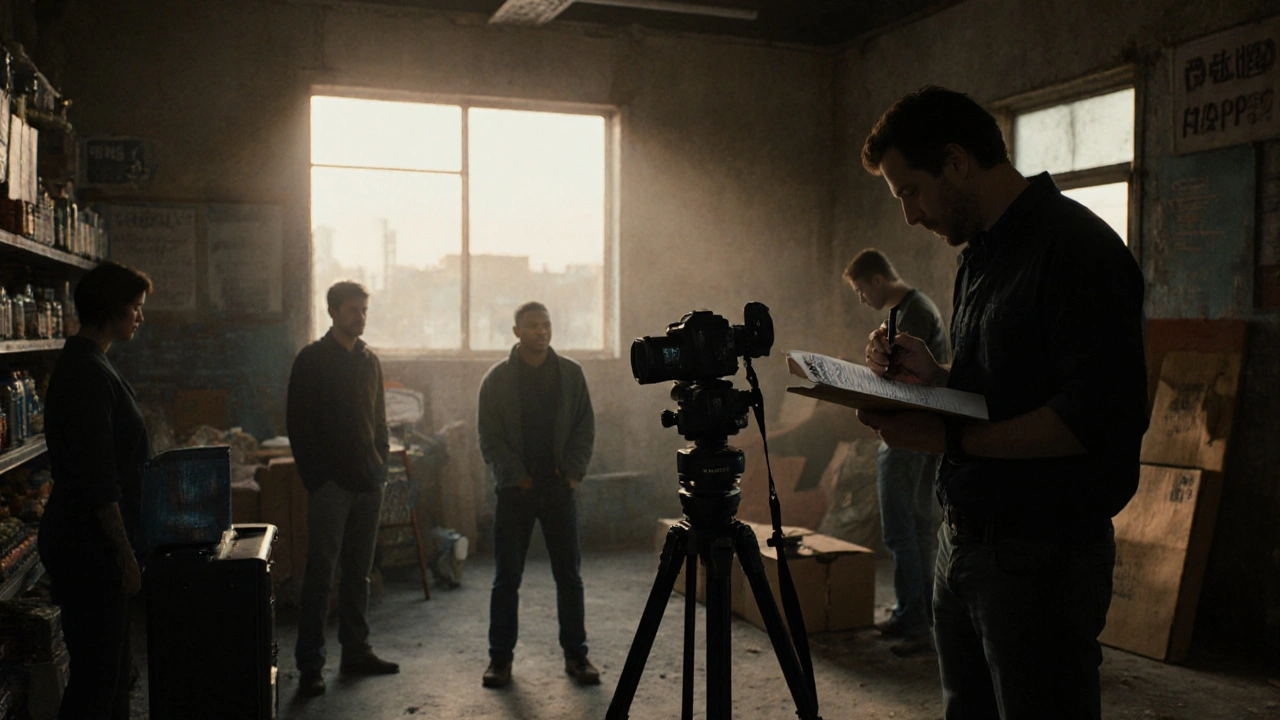
You’re three weeks into shooting your first feature film. The cast is locked in. The locations are booked. The script is tight. And then-the bank account hits zero.
This isn’t a rare horror story. It’s the reality for over 60% of independent films that start with crowdfunding or personal savings, according to the Independent Filmmaker Project’s 2024 survey. You didn’t plan for this. No one ever does. But the camera is still rolling. The crew is still showing up. And your lead actor just asked if they’ll get paid next week.
Running out of money mid-shoot doesn’t mean the film is dead. It means you need to shift from producer to problem-solver. Here’s how real indie filmmakers have pulled films back from the edge-without selling their soul or their gear.
Pause. Don’t Quit.
The first mistake? Panicking and shutting everything down. Stopping production doesn’t save money-it kills momentum. Crew members scatter. Locations become unavailable. Talent moves on. And restarting later often costs more than continuing.
Instead, hit pause. Not because you have to, but because you need to think. Take 48 hours. No calls. No emails. Just sit with your script, your shot list, and your budget spreadsheet. Ask yourself: What scenes can we cut? What shots can we reshoot later? What can we do without?
One filmmaker in Austin, Texas, paused production for 11 days after their credit card got declined. They used that time to rewrite two major scenes into single-location dialogue pieces. They cut a chase sequence. They moved a night shoot to daylight. The film lost 12 minutes of runtime-but gained a tighter story. It later won Best Narrative Feature at Slamdance.
Revisit Your Shot List Like a Thief
Every shot you planned that costs more than $200 needs to be questioned. That drone shot? Can you get the same angle from a fire escape? That 10-person crowd scene? Can you shoot it with five people and clever editing? That expensive lighting rig? Can you use natural light and bounce boards?
Look at your shot list with ruthless pragmatism. Cross out every scene that requires:
- Special effects (VFX, green screen, pyrotechnics)
- Multiple locations (travel time = labor cost)
- Stunt performers or animal handlers
- Permits for public spaces (city fees add up fast)
- High-end gear rentals (camera packages, cranes, sliders)
Replace them with what you already have: a tripod, a smartphone with a good mic, a friend with a car, and daylight. One producer in New Orleans finished their film using only two cameras-one a Canon EOS R5, the other an iPhone 14 Pro. They shot 80% of the film in natural light. The final product looked professional. Audiences never knew the difference.
Barter, Don’t Borrow
You don’t need to pay people. You need to give them something they value.
Post-production is where most indie films die-not because of lack of money, but because editors, colorists, and sound designers walk away when they’re not paid. But here’s the trick: offer them something better than cash.
- Offer editing credits in the film’s end titles
- Promise them a free screening with Q&A at a local theater
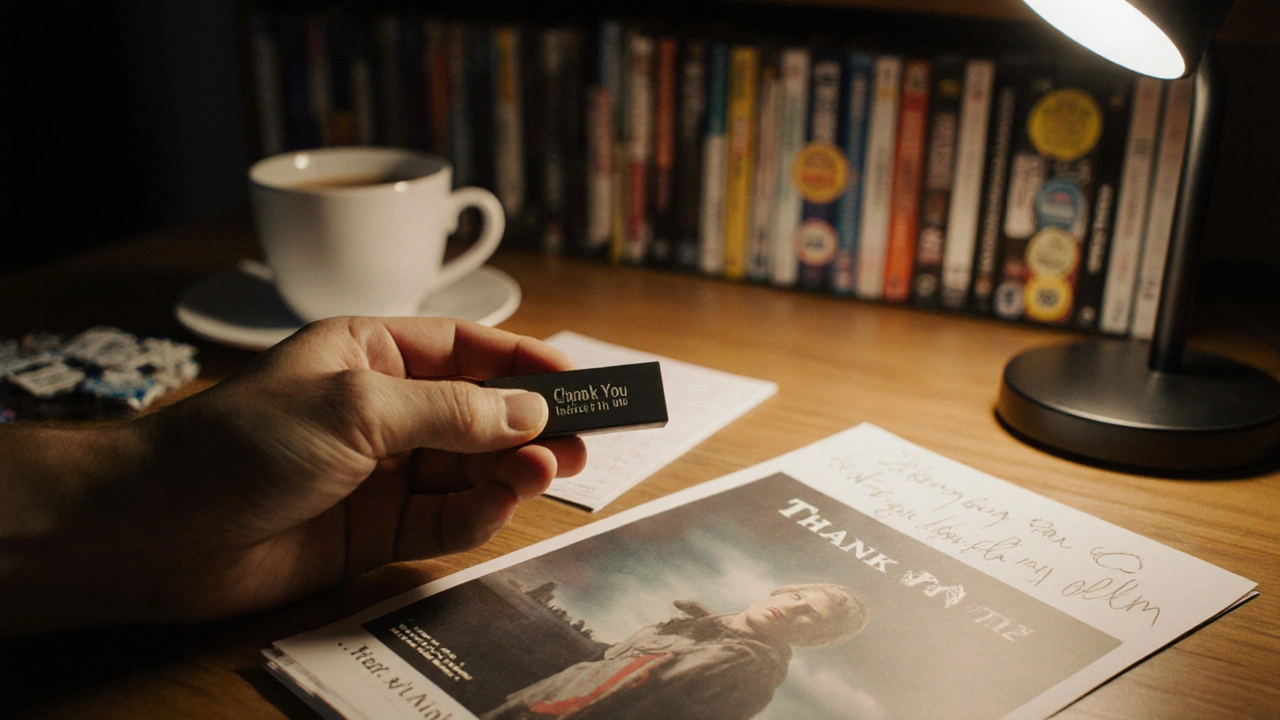
- Give them a copy of the final cut on a custom USB drive with your logo
- Offer to help them with their next project
A filmmaker in Asheville swapped three days of location scouting for a free color grade from a local post house. The colorist got exposure and a portfolio piece. The filmmaker got a film that looked like it cost $50,000-not $5,000.
Don’t ask for favors. Offer value. People help when they feel like they’re investing in something worth their time.
Use What’s Already Around You
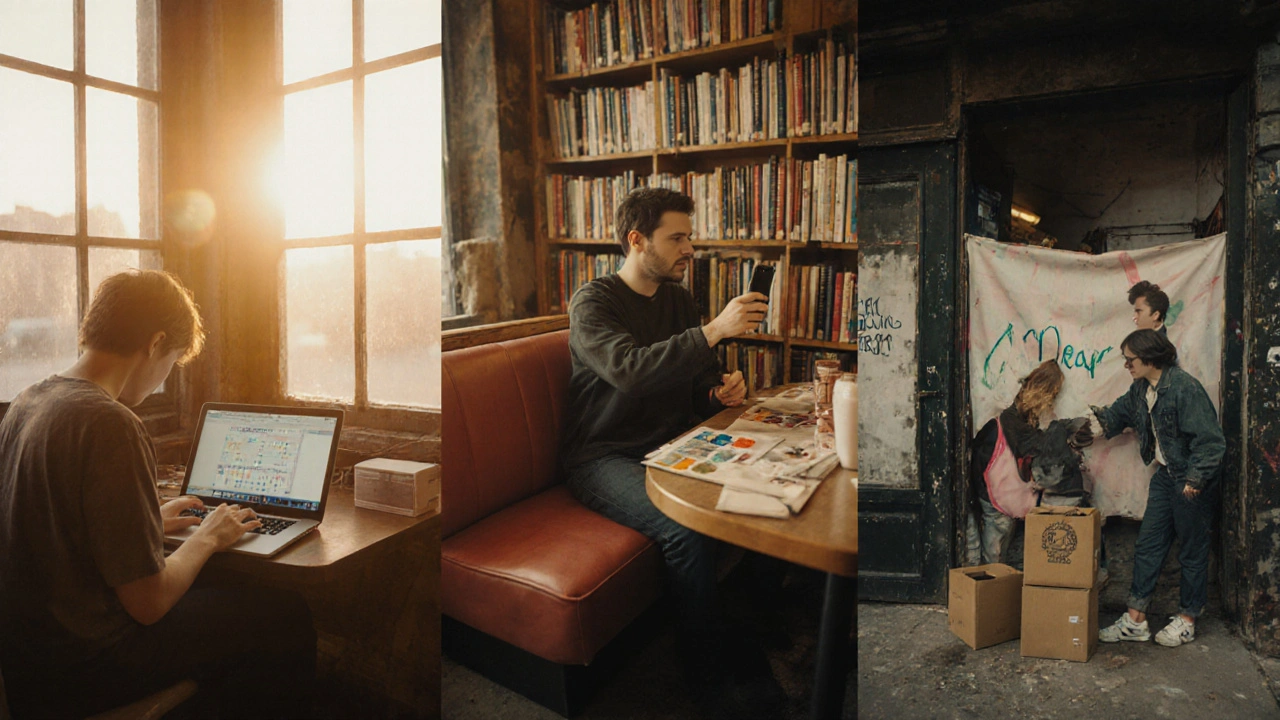
Think of your neighborhood like a studio lot. Your cousin’s apartment? That’s your living room. The local diner? That’s your coffee shop scene. The community center? That’s your rally scene.
One film shot in rural Ohio finished its entire third act inside a closed-down grocery store. The owner let them use it for free because they promised to show the film at the town’s annual fair. The crew brought in their own lights. They used cardboard boxes as props. They shot it in three days. The scene became the emotional climax of the film.
Look at your surroundings with fresh eyes. What places can you access without permits? What people have skills you need? What objects can become props? Your budget isn’t dead-it’s just hiding in plain sight.
Ask for Help-But Make It Easy
Don’t send out a generic Facebook post asking for donations. People ignore those. Instead, make a clear, specific ask.
Instead of: “We need money to finish our film.”
Say: “We need $800 to pay for two days of sound editing. If 40 people give $20, we get the film done. You’ll get a digital copy, your name in the credits, and a thank-you video from the cast.”
Use platforms like Seed&Spark or Kickstarter, but only if you have a real plan. People don’t fund vague dreams. They fund specific outcomes.
One filmmaker raised $12,000 in 17 days by offering tiered rewards:
- $10: Digital download + thank-you note
- $25: Digital download + behind-the-scenes PDF
- $50: Digital download + physical DVD + signed poster
- $100: Premiere ticket + name in credits + invite to private screening
They didn’t ask for $100,000. They asked for $12,000-and got it.
Reframe the Story
Some of the most powerful indie films were made because they had no money. The limitations forced creativity.
“Tangerine” (2015) was shot entirely on iPhone 5s. “Primer” (2004) was made for $7,000 with friends and a digital camera. “The Blair Witch Project” used a single handheld camera and no script.
Your film doesn’t need to look like a Netflix series. It needs to feel real. If your lighting is flat, make it part of the tone. If your sound has background noise, use it to build atmosphere. If your actors are nervous, lean into it-it’s human.
One director in Portland shot their entire film with a borrowed DSLR and no boom mic. The audio was messy. But they used ambient city sounds in post to create a gritty, immersive feel. Critics called it “raw and authentic.” The film played at 14 festivals.
Your budget isn’t your enemy. It’s your creative partner.
Finish It-Then Fix It
Perfection is the enemy of completion. You will never have enough money to make your film flawless. But you can make it whole.
Get the footage locked. Even if the sound is rough. Even if the color is off. Even if one scene looks like it was shot in a parking lot at dusk. Finish the edit. Send it to a few trusted friends. Watch it with them. See what works. See what doesn’t.
Then, if you can raise a few hundred dollars later, fix the worst parts. A $300 sound cleanup on a single scene can make the whole film feel professional. A $150 color grade from a freelancer on Fiverr can lift the visuals from amateur to compelling.
Don’t wait for perfect. Wait for done.
What Happens After You Finish?
Once you’ve finished, you’re not done. You’ve just entered the real indie film game: distribution.
Submit to festivals. Not just Sundance. Look at smaller ones: Slamdance, South by Southwest (SXSW) shorts section, Nashville Film Festival, or even regional fests like the Asheville Film Festival. Many of them don’t charge submission fees for first-time filmmakers.
Upload to Vimeo On Demand. Set a low price-$4.99. Offer a free screening for your local community. Build an email list. Talk to your cast and crew. They have networks. Use them.
One film made for $3,200 sold 8,000 digital copies over two years. The filmmaker didn’t become rich-but they paid off their camera rental, funded their next project, and got invited to speak at film schools.
Finishing your film isn’t the end. It’s the beginning of something bigger than money.
What’s the fastest way to raise money when shooting an indie film?
The fastest way is to make a hyper-specific ask with clear rewards. Instead of asking for "donations," say: "We need $2,000 to pay for sound editing. If 50 people give $40, we finish the film. You get a digital copy, your name in credits, and a thank-you video." Use platforms like Seed&Spark or Kickstarter, but only if you’ve already shot most of the film. People fund progress, not ideas.
Can I still finish my film if I lost my main cast?
Yes-but you’ll need to rewrite. If your lead actor leaves, consider recasting with someone local who has similar energy. Or change the character’s role-turn a two-person drama into a solo monologue. Some of the best indie films were reshaped after cast changes. The key is to preserve the emotional core, not the original script.
Is it worth continuing if I only have 30% of the footage?
It depends on your story. If you have the emotional beats-key scenes that define your film-you can often restructure around them. Many indie films use flashbacks, voiceovers, or montages to fill gaps. One filmmaker completed their film with just 22 minutes of usable footage and turned it into a 70-minute experimental piece. It won Best Experimental Film at Tribeca.
How do I avoid running out of money next time?
Build a buffer. Always budget 20% extra for emergencies-even if you don’t have it. Use free or low-cost tools: DaVinci Resolve for editing, Audacity for sound, and Canva for graphics. Shoot in locations you already have access to. Pay people in credits, meals, or future favors. And never shoot more than you can afford to edit.
Should I sell my gear to finish the film?
Only if you’re sure you won’t need it again. Selling your camera or mic might solve one problem-but it kills your ability to make the next film. Instead, rent gear from local shops or borrow from film schools. Many universities let alumni borrow equipment for free. Your gear is an investment in your future, not a liability.
If you’ve made it this far, you’re not just a filmmaker-you’re a survivor. The film industry doesn’t reward the richest. It rewards the stubborn. The ones who keep shooting when the lights go out. The ones who turn a parking lot into a palace because they have no other choice.
Finish your film. Not because it’s perfect. But because it’s yours.


Comments(5)