Quick Takeaways
- Premium Large Format (PLF) screens generate significantly higher per-screen averages than standard theaters.
- Exclusivity creates a "fear of missing out" (FOMO) that pushes audiences to theaters earlier.
- The "IMAX Premium" allows studios to capture more revenue per ticket through higher pricing tiers.
- Technical requirements like aspect ratio and sound mixing make these releases a distinct product from the standard version.
The Math Behind the Premium Ticket
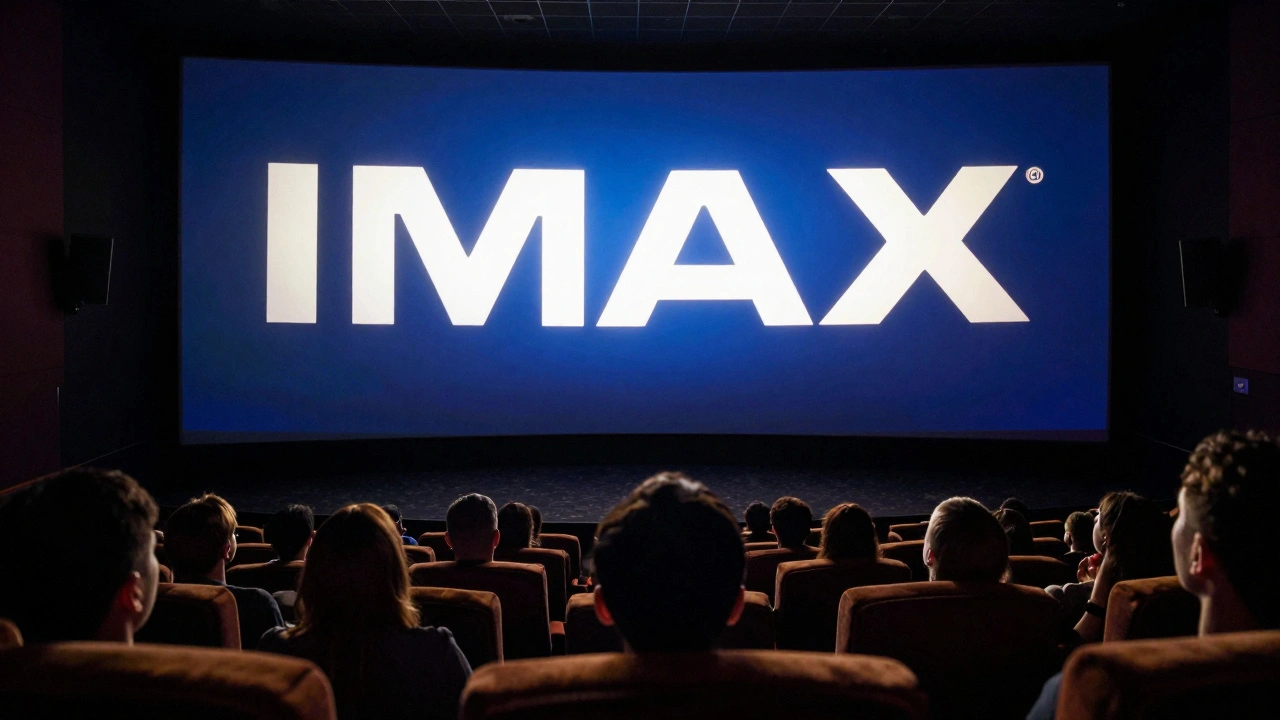
Why do studios push for IMAX exclusivity? It comes down to the yield per seat. In a standard auditorium, a theater might make a modest profit per ticket after splitting the revenue with the distributor. But with Premium Large Format (PLF), the pricing structure changes. Because IMAX screens often charge a surcharge ranging from $4 to $10 over the base price, the revenue per attendee spikes. If a blockbuster fills a 400-seat IMAX theater for 10 shows a day at a $7 premium, that's an extra $28,000 in daily revenue from a single screen. When you scale this across hundreds of global locations, the "box office premium" becomes a critical pillar of a film's profitability. It effectively turns a movie from a piece of content into a luxury service. This is why you'll see directors like Christopher Nolan insist on these formats; they aren't just chasing art, they are maximizing the commercial footprint of the film.Creating Artificial Scarcity with Exclusivity
There is a psychological game played with IMAX releases. By limiting the number of screens that can show a movie in the "true" IMAX format, studios create artificial scarcity. If there are only 100 true IMAX screens in a country but 5,000 standard screens, the IMAX ticket becomes a scarce commodity. This scarcity drives a behavior called "eventization." People who might have waited for the movie to hit streaming services now feel pressured to see it on the biggest screen possible while it's still available. This front-loads the box office earnings. A movie that starts as an IMAX exclusive often sees a higher percentage of its total gross in the first two weekends compared to films with a uniform release. It's the difference between buying a generic product and buying a limited-edition collectible; the perceived value increases because the access is restricted.| Attribute | Standard Cinema | IMAX Experience |
|---|---|---|
| Aspect Ratio | Typically 2.39:1 (Widescreen) | Up to 1.43:1 (Full Frame) |
| Resolution | 2K or 4K Digital | Dual 4K Laser Projection |
| Audio System | Standard Surround Sound | Proprietary 12-Channel Array |
| Ticket Pricing | Base Price | Base + PLF Surcharge |
| Screen Geometry | Flat | Slightly Curved |
The Technical Edge: More Than Just a Big Screen
To understand why people pay the premium, you have to look at the tech. An Aspect Ratio is the proportional relationship between a movie's width and height. Standard movies are wide and thin. IMAX, specifically the 1.43:1 format, fills more of the vertical space, giving the viewer more image. When a film switches from the standard wide view to the full IMAX frame, the audience literally sees more of the world. Then there is the Digital Cinema side of things. IMAX uses a proprietary laser projection system that offers higher contrast and brightness. This makes the blacks deeper and the colors more vivid. If you've ever seen a movie in a dimly lit theater where the dark scenes look grey, you've experienced the limitation of standard projection. IMAX removes that ceiling. By offering a technically superior product, the studio can justify the "Premium" label, moving the conversation from "why is this ticket so expensive?" to "this is the only way to truly see this movie."
Strategic Partnerships with Theater Chains
The relationship between IMAX Corporation and theater chains like AMC Theatres is a symbiotic financial loop. IMAX provides the hardware and the branding, while the theaters provide the real estate. Because IMAX screens generally have higher occupancy rates for big hits, theaters are willing to invest millions in converting a standard screen into a PLF screen. This creates a virtuous cycle for the studios. The more IMAX screens available, the more "exclusive" windows they can sell. When a studio signs a deal for an IMAX-exclusive window (where the movie *only* plays in IMAX for the first few days), they are essentially buying a monopoly on the high-end viewing experience. This forces the hardcore fanbase to pay the premium price immediately, ensuring a massive spike in the "per-screen average," a metric that investors and industry analysts use to judge a movie's health.Risks of the Exclusive Model
It isn't all profit and prestige. There is a significant risk in over-relying on the IMAX premium. If a movie is an IMAX exclusive but fails to capture the public's imagination, the high ticket price can actually become a deterrent. Audiences are more forgiving of a mediocre movie if they paid $12; they are furious if they paid $28 and felt cheated. Furthermore, there is the issue of "diluted exclusivity." As more theaters install Premium Large Format screens (like Dolby Cinema or Regal Cinema4D), the IMAX brand faces competition. If a viewer has three different "premium" options, the urgency to see it specifically in IMAX decreases. The "premium" becomes the new standard, and the price surcharge becomes harder to justify. To combat this, IMAX has had to push further into specialized technology, such as 12K cameras and expanded sound arrays, to keep the gap between them and their competitors wide.
The Future of the Box Office Premium
As we move deeper into the 2020s, the line between "cinema" and "attraction" is blurring. We are seeing a move toward "boutique' experiences where the ticket price isn't just for the screen, but for the environment-reclining seats, in-theater dining, and curated atmospheres. The IMAX premium is the vanguard of this movement. Studios are now filming *specifically* for these formats rather than just converting a standard film. When a movie is shot on IMAX Cameras, the image quality is fundamentally different. This creates a tiered product system: the "Home Version," the "Standard Theater Version," and the "Ultimate IMAX Version." By treating the movie as a tiered product, the industry has found a way to grow revenue even as the total number of theater visits fluctuates. They aren't just selling more tickets; they are selling *more expensive* tickets.What exactly is the "box office premium"?
The box office premium refers to the additional revenue generated by charging higher ticket prices for Premium Large Format (PLF) screens, such as IMAX, compared to standard digital screens. This extra cost is a surcharge that the consumer pays for a superior technical experience, including larger screens, better sound, and higher resolution.
Does every IMAX theater provide the same experience?
No. There is a big difference between "True IMAX" (which uses a massive screen and the full 1.43:1 aspect ratio) and "IMAX with Laser" or "Digital IMAX." Many theaters use the IMAX brand but have smaller screens and a modified aspect ratio (1.90:1), which is still better than standard but not as immersive as the original large-format screens.
Why do some movies have an IMAX-exclusive window?
Exclusive windows create a sense of urgency and scarcity. By making a film available only in IMAX for a limited time, studios drive a massive influx of viewers on opening weekend. This maximizes the per-screen average and encourages fans to pay the premium price before the movie becomes available in standard theaters.
How does IMAX impact the total gross of a movie?
While IMAX screens make up a small percentage of total screens globally, they often contribute a disproportionately large amount to the total gross. Because of the higher ticket prices and high occupancy rates for blockbusters, IMAX can significantly inflate the total revenue, especially for visually driven films.
Will streaming services ever replace the IMAX experience?
It is unlikely. While home theaters are improving, the sheer scale of an IMAX screen and the calibrated 12-channel sound system cannot be replicated in a living room. The "premium" is tied to the physical environment and the social experience of a crowd, which streaming cannot provide.






Comments(7)