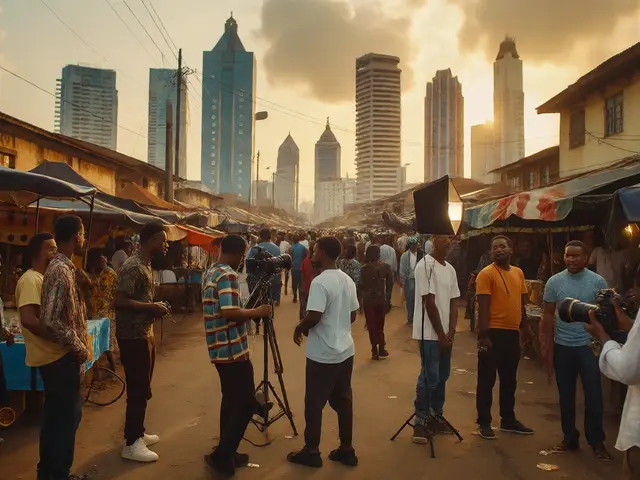
Most indie filmmakers make a critical mistake after the festival circuit ends. They assume that if they get a distributor, their job is done. Or worse, they try to force a nationwide theatrical release on a shoestring budget, burning through cash before anyone in Ohio even knows their movie exists. The truth? You don't need to conquer America. You just need to conquer your zip code.
Regional Distribution is a strategic approach where independent films are released in specific geographic markets rather than simultaneously across the entire country. This method allows creators to focus resources on areas with higher audience density, cultural relevance, or existing community ties. Instead of spraying and praying, you target specific cities, regions, or states where your story resonates most deeply.
Why Going National Often Fails for Indies
Think about the last time you saw an indie film in theaters. Was it everywhere? Probably not. It was likely at one art-house cinema in your city, maybe playing for two weeks. That’s because wide releases cost millions in prints and advertising (P&A). For an indie with a $50,000 total budget, trying to compete with Marvel on 2,000 screens is financial suicide.
When you attempt a national rollout without deep pockets, you end up with "ghost screenings." These are showings where only three people buy tickets. The theater owner sees low revenue, pulls the film immediately, and your reputation with exhibitors suffers. Regional distribution flips this script. By concentrating your efforts, you ensure full houses, which keeps the film running longer and generates word-of-mouth buzz that actually travels.
The Hyper-Localized Strategy Explained
Hyper-localization isn't just about geography; it's about psychology. It means tailoring your marketing message to fit the local culture. If your documentary is about urban gardening, you don't market it in rural Texas the same way you do in Brooklyn. In Brooklyn, you lean into the sustainability angle. In Texas, you might highlight the self-sufficiency aspect.
This approach relies on Audience Segmentation, the process of dividing a broad consumer or business market into sub-groups based on shared characteristics such as location, interests, or behaviors. For indie films, this often means identifying communities already engaged with your subject matter. Are there active Facebook groups for vintage car enthusiasts in Detroit? Target them directly. Is there a strong LGBTQ+ arts scene in Portland? Host a Q&A there first.
You’re not guessing anymore. You’re using data. Tools like social media insights can tell you exactly where your followers live. If 40% of your Instagram engagement comes from Austin, Texas, why would you spend money advertising in Seattle? Start where the love already exists.
Step-by-Step Execution Plan
So, how do you actually pull this off? Here is a practical workflow for launching a regional campaign.
- Analyze Your Data: Before booking a single screen, look at your email list, social media demographics, and festival attendance records. Identify the top five cities where you have organic interest.
- Partner with Local Influencers: Forget big-name celebrities. Find the local food bloggers, podcasters, or community leaders who care about your topic. Offer them free tickets and ask for honest reviews.
- Negotiate Event-Based Screenings: Don’t just book a standard showing. Pitch the theater on a special event. Maybe it’s a post-film discussion with a local expert, or a charity tie-in. Theaters love events because they drive concession sales.
- Run Geo-Targeted Ads: Use Meta Ads Manager or TikTok ads to target users within a 10-mile radius of the screening venue. Keep the copy specific: "Finally, a movie about [Local Issue] made right here in [City Name]."
- Leverage Press Coverage: Local newspapers and radio stations are hungry for content. A story about a filmmaker returning to their hometown gets more traction than a generic press release about a new thriller.

Comparing Release Models
To understand why regional works, compare it against other common strategies. Each has its place, but few offer the ROI potential of a well-executed regional plan for mid-budget indies.
| Strategy | Cost Efficiency | Audience Engagement | Best For |
|---|---|---|---|
| Wide Theatrical | Low (High P&A costs) | Broad but shallow | Studio-backed films with mass appeal |
| Digital/VOD Only | High (Low upfront cost) | Passive viewing | Niche genres or older catalog titles |
| Festival Run | Medium (Travel fees) | Industry-focused | Building prestige and acquiring deals |
| Regional/Hyper-Local | Medium-High (Focused spend) | Deep and loyal | Stories with local relevance or strong fanbases |
Case Study: The Power of Community Ties
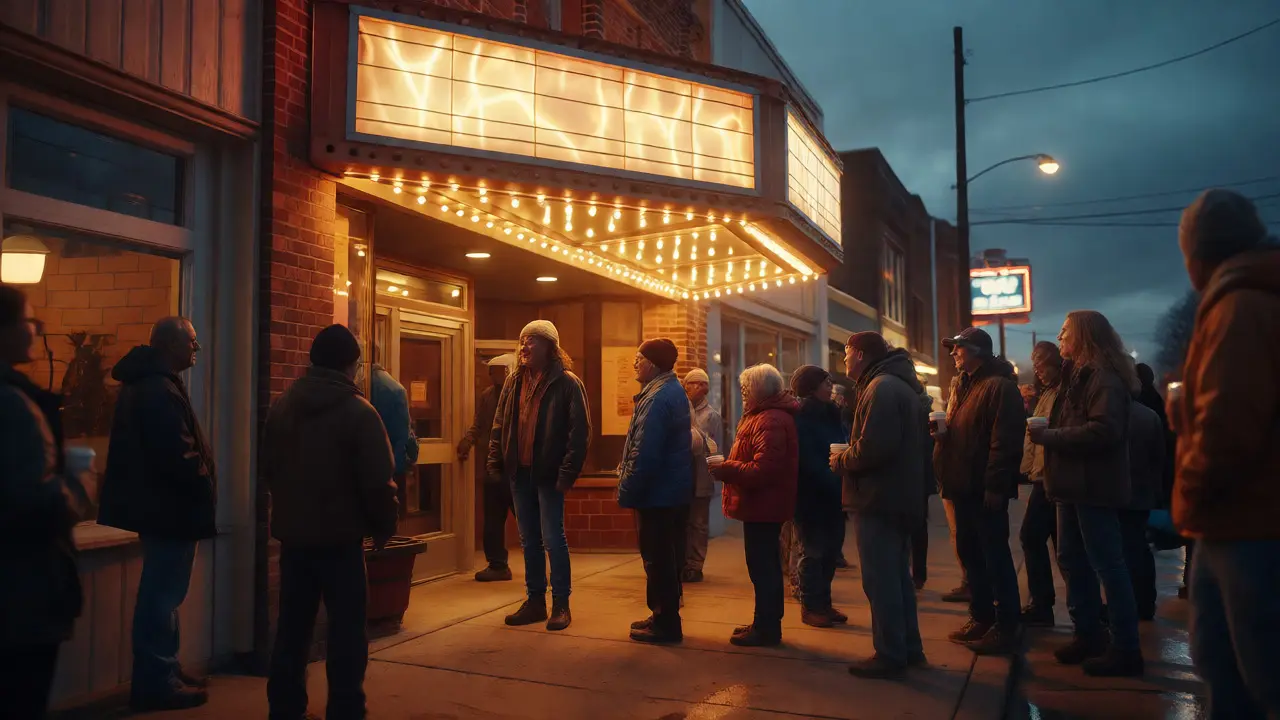
Consider a fictional but realistic scenario. Imagine a director from Asheville, North Carolina, makes a drama about small-town music scenes. Instead of hiring a New York-based publicist, she spends six months building relationships with local venues. She premieres the film at a historic theater downtown. She invites every musician featured in the doc to attend. She partners with a local coffee shop to sell branded merch during the run.
The result? Sold-out shows for three weekends. The local newspaper writes a feature piece. That coverage gets picked up by a regional magazine. Eventually, a streaming service notices the buzz and buys the rights. The director didn't chase distributors; she created demand. This is the essence of Community-Led Marketing, a strategy that leverages existing social networks and local institutions to promote products or services organically.

Pitfalls to Avoid
It’s not all sunshine and sold-out tickets. There are traps.
- Overestimating Interest: Just because you live in Denver doesn't mean everyone in Denver cares about your ski documentary. Validate your hypothesis with pre-sales or waitlists before committing to expensive print runs.
- Ignoring Digital Integration: Regional doesn't mean offline-only. Use QR codes on posters to drive viewers to your website or newsletter. Capture those emails so you can market your next project.
- Underpricing Tickets: If you’re offering a premium experience (Q&A, snacks), charge for it. Don’t undercut yourself just to fill seats. Value perception matters.
Tools and Resources for Regional Success
You don't need a massive team. You need the right tools. Platforms like Eventbrite help manage ticketing for smaller venues. Social listening tools like Brandwatch (or even manual hashtag tracking) can identify hotspots. And don't underestimate the power of direct outreach. Calling theater programmers personally beats sending cold emails every time.
Remember, the goal isn't just to show the movie once. It's to build a base of fans who will follow you to your next project. When you treat each region as a separate market with unique needs, you create lasting value.
How many cities should I target for a regional release?
Start with 3 to 5 cities where you have the strongest existing audience data. Trying to cover too many regions at once dilutes your marketing budget and impact. Once you prove success in these initial markets, you can expand to adjacent regions.
Do I need a distributor for regional distribution?
Not necessarily. Many filmmakers handle regional bookings themselves using self-distribution platforms like Tugg or Gathr. Alternatively, you can negotiate directly with local theater owners. A distributor helps with logistics and wider reach, but for true hyper-local campaigns, DIY is often more effective and cost-efficient.
What is the biggest benefit of hyper-local marketing?
The primary benefit is high conversion rates. Because you are targeting people who already have an affinity for your topic or location, your ad spend goes further. You also generate stronger word-of-mouth, as attendees feel a personal connection to the film and are more likely to recommend it to friends.
Can regional distribution lead to a national deal?
Yes. Strong performance in key regional markets serves as proof of concept. Distributors and streamers look for evidence of audience demand. If you demonstrate that your film sells out in targeted cities, you have leverage to negotiate better terms for a broader release or streaming acquisition.
How do I find local influencers for my film?
Look beyond lifestyle bloggers. Search for micro-influencers in niche communities related to your film's subject matter. Check local news comments sections, university club pages, and specialized forums. Reach out personally and explain why their specific voice matters to your story.