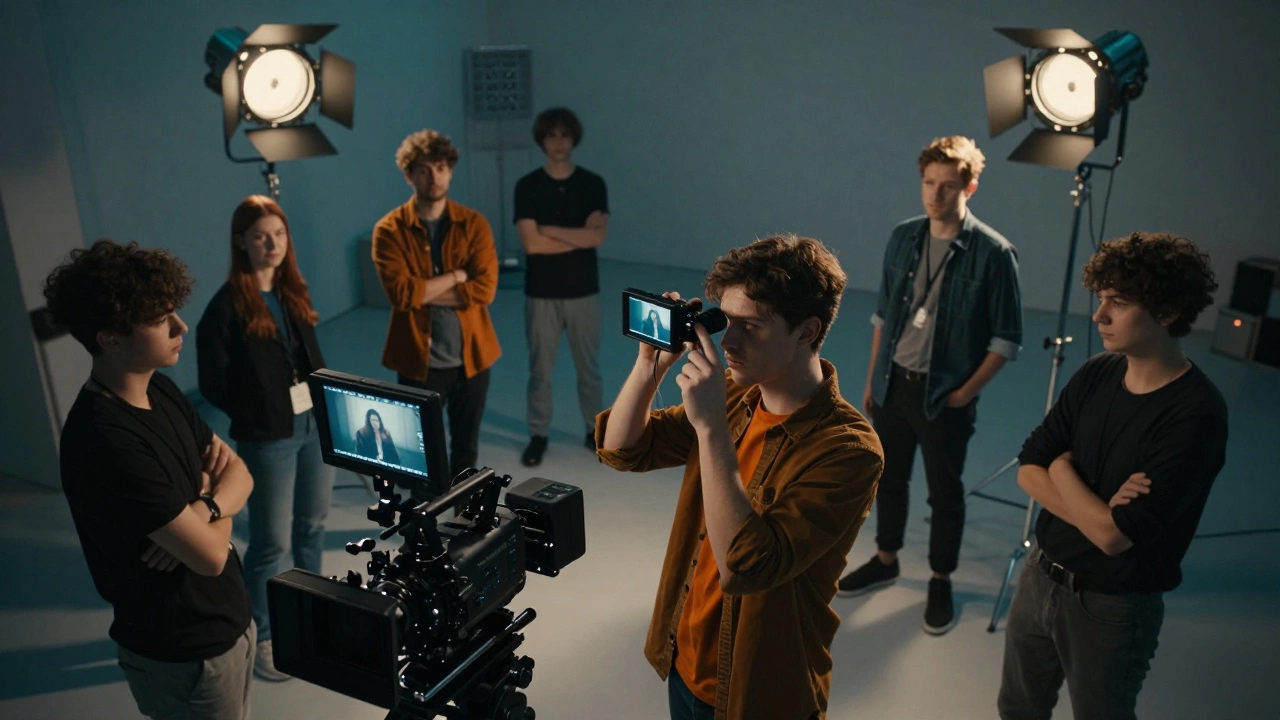
Most people see a 15-minute short on a streaming app as a "palette cleanser" between big-budget series. But if you look closer, these aren't just artistic experiments. They are high-stakes auditions. For streaming giants, short film programs is a strategic recruitment tool used to identify and vet emerging directors, writers, and producers before signing them to multi-million dollar feature deals. It's a low-risk way to find the next big visionary without betting the entire studio budget on an unproven voice.
Quick Takeaways
- Short films act as "proof of concept" for streaming platforms to test a director's visual style and storytelling pace.
- Platforms use these programs to diversify their content libraries and reach niche demographics.
- The "pipeline' process often leads to "first-look" deals or series development for the most successful short creators.
- Budgetary constraints in shorts force creators to be innovative, which streamers value over polished, formulaic work.
The Shift from Festivals to Algorithms
For decades, the path to a professional career was simple: make a short, win at Sundance or Cannes, and get scooped up by a talent agent. Today, that pipeline has shifted. While festivals still matter, Streaming Services have built their own internal scouting systems. Instead of waiting for a film to be "discovered," platforms are actively funding anthologies and short-form collections to curate their own talent pools.
Why do this? Because data. A platform can track exactly where a viewer drops off in a 12-minute short. If a director can keep 80% of an audience engaged until the final frame, that's a data point that proves the director knows how to hold attention. This is a far more concrete metric than a judge's score at a festival. It turns the short film into a live market test.
Building the Talent Pipeline: How It Actually Works
The pipeline isn't just about picking a winner; it's about a tiered progression of trust. Usually, it starts with a small grant or a production budget for a standalone short. If the project performs well, the creator is moved into a "developmental phase." This might involve writing a pilot based on the short's world or directing a few episodes of a low-budget anthology series.
Consider the trajectory of many Streaming Originals. Many of the most distinct visual styles we see in 2026-the hyper-stylized, surrealist dramas or the gritty, one-room thrillers-started as 10-minute shorts. The platforms aren't looking for a polished Hollywood look; they're looking for a "signature." They want to see if a director can create a mood that feels fresh and an identity that isn't just a copy of something else.
| Feature | Traditional Studio Path | Streaming Pipeline Path |
|---|---|---|
| Primary Discovery | Film Festivals / Agents | Internal Grants / Data Metrics |
| Risk Level | High (Big budget jumps) | Low (Incremental scaling) |
| Creative Control | Heavy Studio Interference | More Freedom in Initial Phase |
| Success Metric | Critical Acclaim/Awards | Viewer Retention/Completion Rate |
The Strategic Value of the "Short' Format
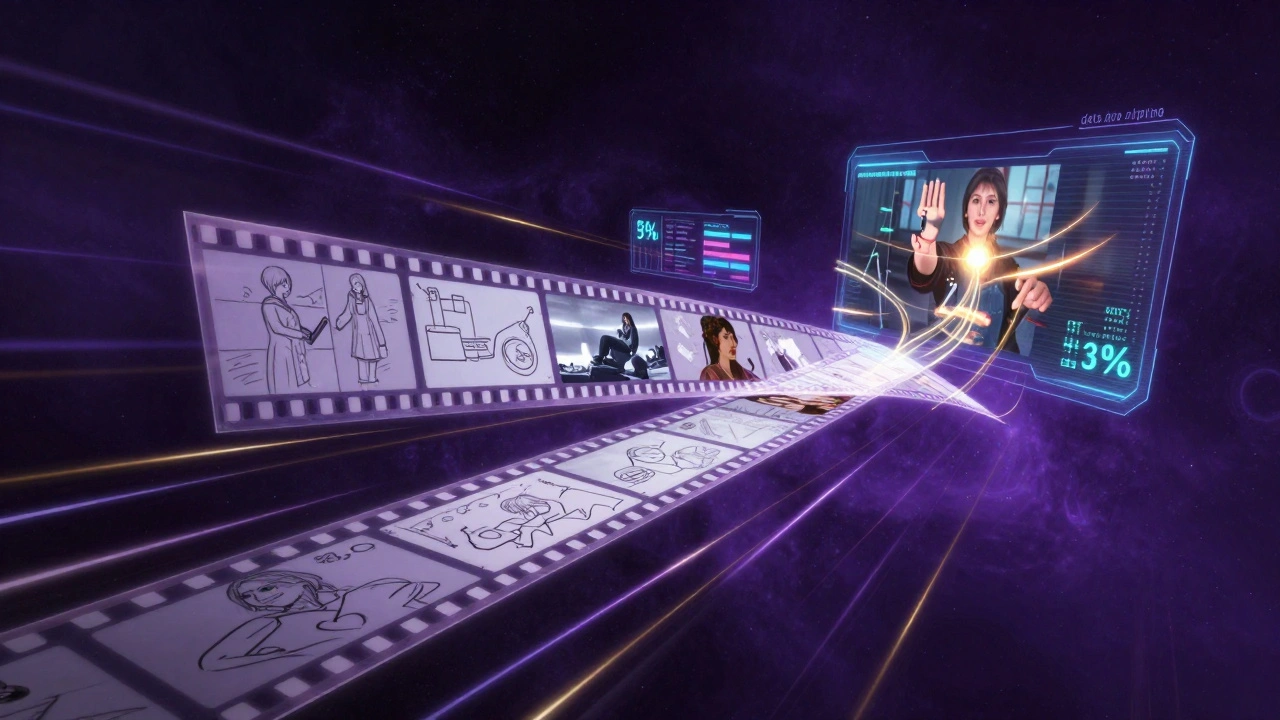
You might wonder why a platform doesn't just hire a director based on a portfolio. The answer is that short film programs test specific skills that a reel cannot. Directing a short requires a mastery of the "economy of storytelling." You have to establish a character, a conflict, and a resolution in minutes. This skill is incredibly transferable to the pacing of modern episodic television.
Moreover, these programs allow streamers to experiment with Genre Hybridization. They can test if a "Horror-Comedy-Western" short works with their audience without spending $50 million on a feature. If the short becomes a viral hit within the app, they have a proven IP and a director who already knows the tone. This drastically reduces the failure rate of new originals.
Pitfalls for the Filmmaker
It sounds like a dream, but the pipeline has its traps. The biggest is the "development hell" of the streaming era. A creator might be kept in a state of "perpetual development," where the platform gives them small projects to keep them under contract but never greenlights the feature film they actually want to make. This is the corporate version of the "waiting room."
Another issue is the loss of ownership. Traditional indie shorts often allow the filmmaker to retain the copyright, which they can then use to leverage a deal. In many streamer-funded programs, the platform owns the IP from day one. The filmmaker gets a paycheck and a credit, but they don't own the world they created. It's a trade-off: immediate professional visibility for long-term equity.
Future Trends: AI and Interactive Shorts
Looking ahead, the pipeline is evolving. We're seeing a rise in "interactive shorts" where the viewer chooses the path. This is a new kind of test for writers. Can they handle non-linear storytelling? Streamers are using these to find talent who can bridge the gap between gaming and cinema.
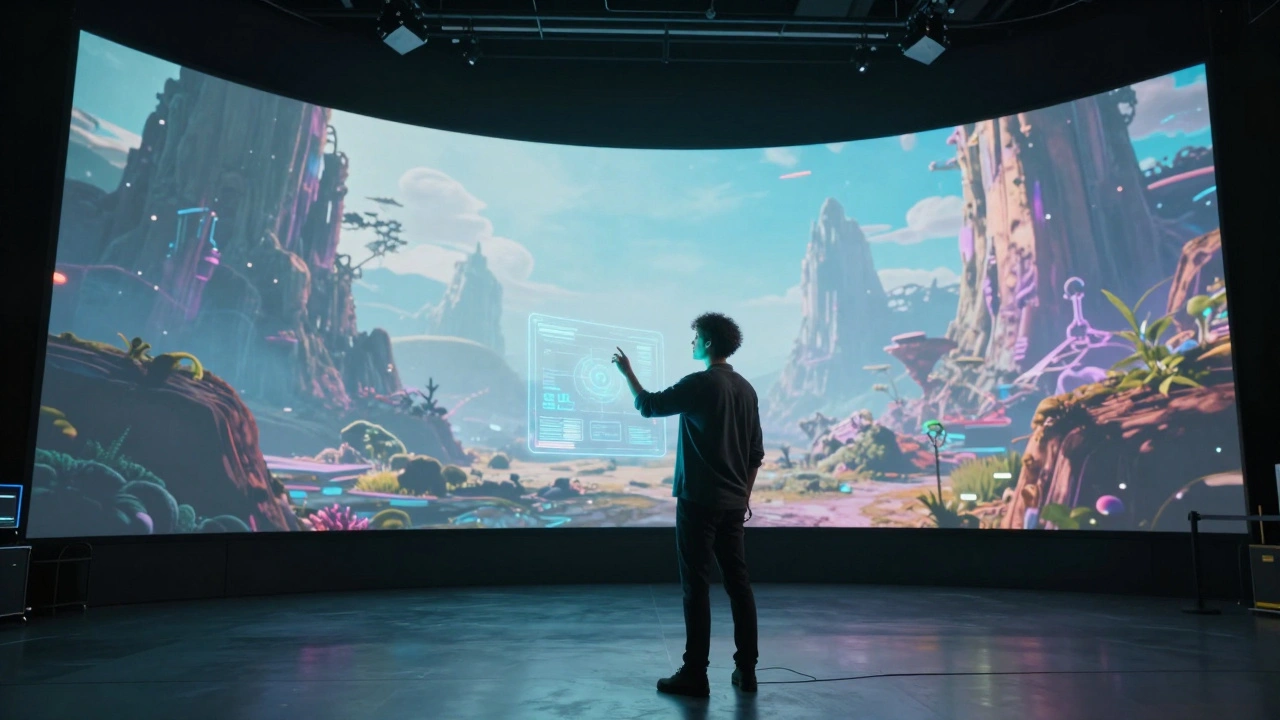
Additionally, AI tools are changing how these shorts are produced. Platforms are now more interested in "lean" productions. They want to see if a director can use Virtual Production or AI-driven VFX to achieve a high-end look on a shoestring budget. The ability to be technically efficient is now just as important as having a creative vision.
Do I need an agent to get into streaming short programs?
Not necessarily. Many platforms now have open-call grants or scout directly through social media and digital portfolios. While an agent helps with the final contract, the initial "discovery" often happens through the quality of the work and its performance on digital platforms.
How long does it usually take to move from a short to a feature?
It varies wildly. Some directors move to a feature in a year if their short goes viral. Others spend three to five years directing smaller episodic content or "shorts-to-series' transitions. The key is the data; if the numbers are undeniable, the promotion happens much faster.
What are streamers actually looking for in these shorts?
They look for three things: a distinct visual voice, a high viewer completion rate, and the ability to tell a complete story in a restricted timeframe. They aren't looking for "safe" films; they want something that makes the viewer feel something new.
Is it better to self-fund a short or wait for a streaming grant?
Self-funding gives you 100% ownership and creative control. A streaming grant gives you a professional budget and immediate distribution to millions. If your goal is to build a brand as an independent auteur, self-fund. If your goal is to enter the industry pipeline quickly, the grant is the better path.
Do these programs focus on specific genres?
While they cover everything, there is a heavy lean toward Sci-Fi, Horror, and Speculative Fiction. These genres allow for the kind of visual experimentation that stands out in a crowded interface, making them perfect for scouting new talent.
Next Steps for Aspiring Filmmakers
If you're trying to get noticed by these pipelines, don't just make a "mini-movie." Make a proof of concept. Focus on a high-concept hook that can be explained in one sentence. Whether you are using a high-end cinema camera or a high-end smartphone, the focus should be on the pacing and the unique angle of the story.
Start by analyzing the current short-form anthologies on your favorite platform. Look for the patterns: How do they start? How do they end? Most importantly, identify the gaps. What is the platform *not* doing? If you can provide a vision that fills a content gap, you aren't just another applicant-you're a solution to a business problem.


Comments(4)