
Remember when a movie’s life cycle was as predictable as the tides? It hit theaters for three months, maybe stretched to four if it had legs, then landed on home video. That rigid timeline is dead. Today, Streaming Platforms have rewritten the rulebook, turning distribution from a linear pipeline into a chaotic, high-stakes game of chess. If you’re wondering why your favorite indie flick vanished after two weeks in theaters or why a blockbuster dropped on Netflix with zero warning, this shift is why.
Quick Summary: The New Reality of Movie Releases
- The Death of the 90-Day Window: Traditional theatrical exclusivity has collapsed, replaced by flexible windows ranging from day-and-date releases to short 17-day runs.
- Data Over Gut Feeling: Algorithms now dictate marketing spend and release timing, often overriding traditional studio instincts.
- The Hybrid Model Dominates: Most major films now use a mix of theatrical, premium VOD (PVOD), and subscription VOD (SVOD) to maximize revenue.
- Tiered Revenue Streams: Studios are balancing box office prestige with subscriber retention metrics, creating complex financial incentives.
The Collapse of the Traditional Release Window
For decades, the Theatrical Window was sacred. Studios agreed not to release a film on home media until roughly 90 days after its cinema debut. This protected theater owners’ profits and gave movies time to build word-of-mouth. Then came NFL Sunday Ticket style disruptions, but for movies. In 2020, Universal Pictures tested the waters by releasing Trolls World Tour simultaneously in theaters and on digital platforms. It made more money in three weeks than their previous animated hits did in three months.
This wasn’t just an experiment; it was a signal. By 2026, the average theatrical window for wide-release films has shrunk to under 30 days for many mid-budget titles. Why wait? When Netflix or Amazon Prime Video can reach 200 million households instantly, delaying access feels like leaving money on the table.
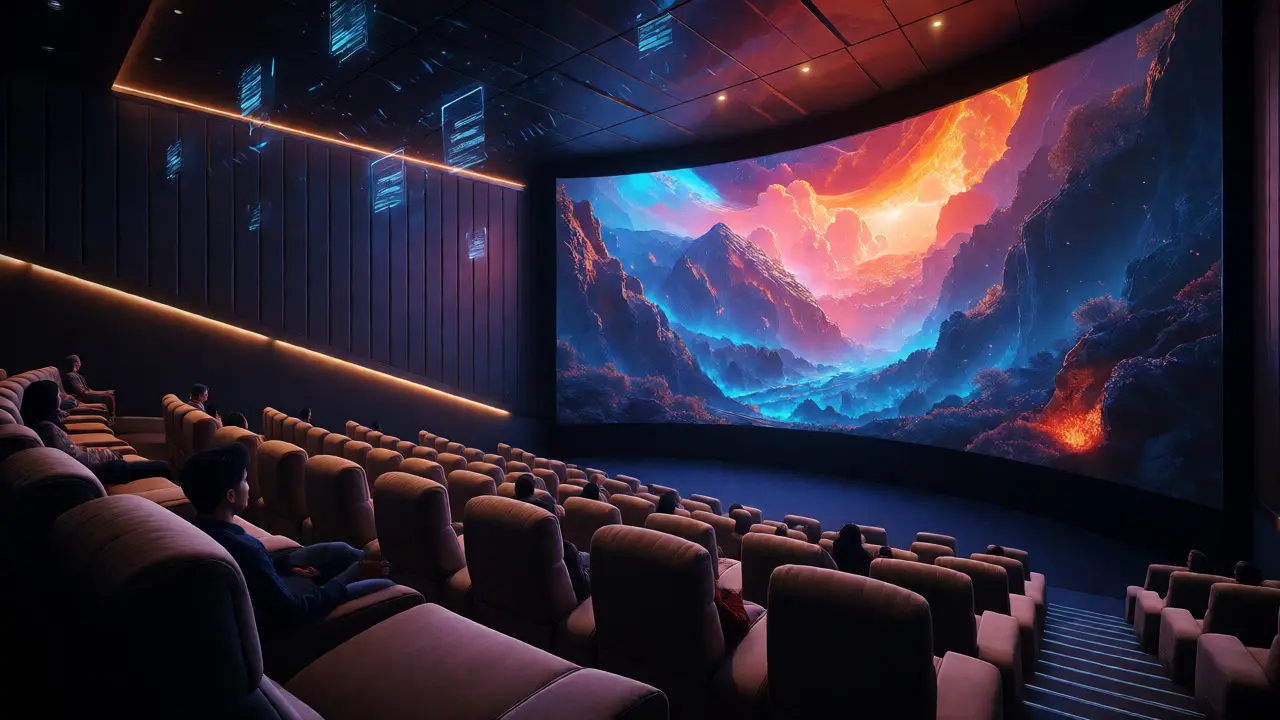
But here’s the catch: theaters aren’t dead. They’ve just become premium experiences. IMAX and Dolby Cinema screens are thriving because people still want to see Dune or Avatar on a massive screen. The change isn’t that we stopped going to cinemas; it’s that we no longer feel obligated to go for every new release.
Day-and-Date vs. Shortened Windows: What’s the Strategy?
If you’re a studio executive today, you’re facing a brutal choice. Do you go Day-and-Date (theater and streaming same day)? Or do you try a shortened exclusive run? There is no one-size-fits-all answer, but there are clear patterns emerging in 2026.
Day-and-date works best for genre films-horror, action, and thrillers-where opening weekend buzz drives initial sales, but long-term tail is less critical. Horror fans, for instance, often prefer staying home. A $5 ticket plus $10 for snacks adds up fast. For these titles, studios prioritize volume over exclusivity.
Conversely, prestige dramas and Oscar-bait contenders usually keep a 45-to-60-day window. Why? Because awards bodies like the Academy of Motion Picture Arts and Sciences still heavily weigh theatrical performance. If A24 drops their next critical darling straight to Hulu, they lose cultural cachet. The goal here isn’t just cash; it’s brand equity.
| Strategy | Ideal Genre | Theatrical Window Length | Primary Goal | Risk Factor |
|---|---|---|---|---|
| Traditional Exclusive | Oscar Bait, Event Films | 60-90 Days | Prestige & Box Office Max | High Marketing Cost |
| Shortened Window | Mid-Budget Drama, Comedy | 17-30 Days | Balance Cash & Reach | Theater Owner Pushback |
| Day-and-Date | Horror, Action, Sequels | 0 Days (Simultaneous) | Immediate Volume | Cannibalizing Ticket Sales |
| PVOD First | Star-Driven Indie | N/A (Digital Only) | Profit Margin | Lack of Cultural Buzz |
The Rise of Premium Video On Demand (PVOD)
You might have noticed some new releases cost $19.99 or $29.99 to rent at home while they’re still in theaters. That’s Premium Video On Demand (PVOD). It’s a middle ground designed to capture viewers who refuse to go out but will pay extra for early access.
This model changes the math completely. Instead of splitting revenue with theater chains (who take about 50% of ticket sales), the studio keeps nearly all PVOD revenue. For a family of four, a $30 PVOD rental is cheaper than four tickets plus concessions. It’s a smart hedge against declining attendance.
However, PVOD faces a backlash problem. Consumers feel nickel-and-dimed. You already pay for Netflix, Disney+, and HBO Max. Now you have to pay extra for specific movies? Many subscribers ignore PVOD entirely, waiting for the title to eventually drop onto their existing subscription service. This creates a "wait-and-see" culture that hurts immediate revenue spikes.
Algorithms Are Now Your Distributor
In the old days, a release manager looked at calendar gaps and competitor schedules. Today, data science teams analyze millions of user interactions. They know exactly when you’re likely to watch a rom-com versus a thriller. Netflix famously uses algorithms to determine thumbnail images, trailer cuts, and even which scenes to highlight in marketing.
This impacts distribution because platforms optimize for retention, not just acquisition. If a movie gets watched quickly but doesn’t keep users subscribed, it’s considered a failure. This leads to "churn-proofing," where platforms buy rights to libraries of older content to give subscribers something to binge if they don’t like the new original.
Consider how Max (formerly HBO Max) handles Warner Bros. releases. They leverage the theatrical success of big franchises to drive subscriptions to their platform. The movie isn’t just a product; it’s a loss leader for the ecosystem.
The Impact on Independent Filmmakers
If you’re an indie director, this landscape is both a blessing and a curse. On one hand, barriers to entry are lower. You don’t need a distributor with deep pockets to get your film seen globally. A deal with MUBI or Criterion Channel can put your work in front of cinephiles worldwide overnight.
On the other hand, discovery is harder than ever. With thousands of titles added monthly, getting noticed requires aggressive social media marketing. Festivals like Sundance and TIFF still matter, but their power has shifted. Studios used to bid wars at festivals; now, they often pass, preferring to buy finished products later via algorithmic analysis. This squeezes the middle-class filmmaker who relies on festival buzz to secure a deal.
Furthermore, the "long tail" of independent cinema has changed. Previously, a niche documentary might sell DVDs for years. Now, if it doesn’t trend within the first week on a platform, it disappears into the abyss. Visibility is fleeting.

What Does This Mean for You, the Viewer?
As a consumer, you’re the ultimate winner in terms of choice, but the loser in terms of simplicity. You have more ways to watch movies than ever before, but finding them is a nightmare. You need a spreadsheet just to track which service has which license.
Here’s how to navigate the chaos:
- Check Aggregators: Use tools like JustWatch or Reelgood to find where a movie is streaming. Don’t rely on memory.
- Follow Release Calendars: Subscribe to newsletters from platforms you use. They often announce day-and-date shifts last minute.
- Consider the Experience: If it’s a visual spectacle, go to the theater during the first two weeks. If it’s a dialogue-driven drama, wait for the streaming drop.
The era of passive consumption is over. You have to be active. But the upside? You’ll never miss a hidden gem again. The gatekeepers are gone, replaced by recommendation engines that, while imperfect, are far more open than the studio system ever was.
Frequently Asked Questions
Why did streaming companies start changing release windows?
Primarily to reduce risk and increase subscriber growth. Traditional theatrical releases are expensive and unpredictable. By controlling the entire lifecycle-from production to home viewing-platforms can better predict return on investment and use exclusive content to prevent subscribers from canceling their plans.
Is the theatrical experience dying?
No, but it is becoming specialized. General-purpose multiplexes are struggling, but premium formats like IMAX, Dolby Cinema, and luxury recliner theaters are growing. Theaters are shifting from being the primary venue for all films to being event venues for blockbusters and prestige pictures.
What is the difference between SVOD and TVOD?
SVOD (Subscription Video On Demand) is what you get with Netflix or Hulu-you pay a monthly fee for unlimited access. TVOD (Transactional Video On Demand) is renting or buying a single title, like on Amazon Prime Video Store or Apple TV. PVOD is a subset of TVOD where you pay a premium price ($19.99+) to watch a new release while it is still in theaters.
How do algorithms decide which movies to promote?
Algorithms look at completion rates, re-watches, pause points, and search queries. If users consistently finish a specific type of thriller without skipping ahead, the platform will push similar titles to those users. It’s less about critical acclaim and more about engagement metrics that correlate with subscription retention.
Will theaters survive the streaming era?
Yes, but fewer of them. Expect consolidation among theater chains. Surviving locations will likely focus on high-end amenities and exclusive partnerships with studios for major franchise releases. The neighborhood dollar theater may disappear, replaced by boutique experiences.
Next Steps for Industry Watchers
If you’re tracking this space, keep an eye on the upcoming negotiations between major studios and exhibition chains. The current agreements are temporary fixes, not permanent solutions. Look for moves toward dynamic pricing-where ticket prices fluctuate based on demand-and further integration of advertising-supported tiers (AVOD) into premium services.
The line between "movie" and "TV show" is blurring. As AI generates more personalized content, the next disruption won’t just be about when you watch, but what you watch. Stay curious, check your apps, and remember: the best seat in the house is wherever you are right now.




Comments(10)