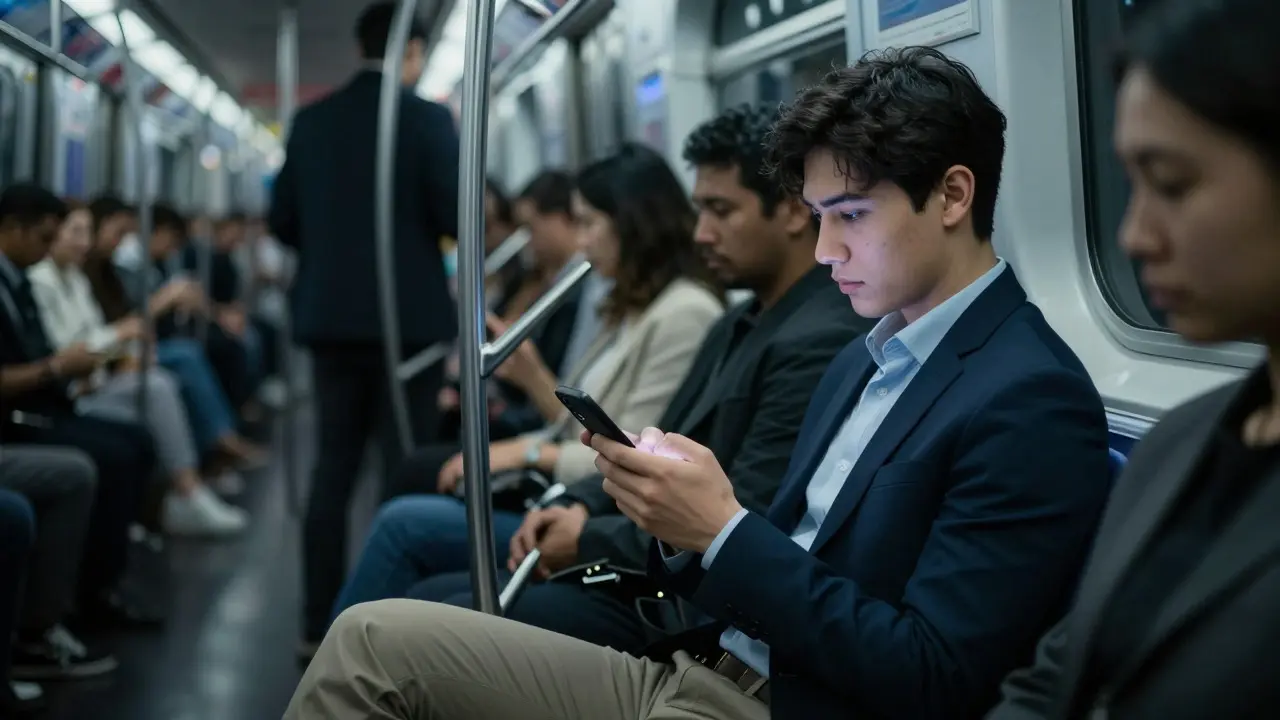
Imagine you just finished watching a blockbuster on your phone during your commute. No subscription fee was charged to your credit card, and no ticket price was paid at the box office. You simply watched for free, interrupted by a few ads. This is AVOD is ad-supported video on demand, a distribution model where viewers watch content for free in exchange for viewing advertisements. In 2026, this isn't just a niche corner of the internet; it is one of the primary engines driving how major studios release films to global audiences.
The landscape of film distribution has shifted dramatically. The old "windowing" system-where a movie hits theaters, then DVD, then cable TV-is gone. Today, the path from premiere to home screen is faster, more complex, and heavily influenced by advertising revenue. For filmmakers, distributors, and even casual viewers, understanding AVOD strategies is essential to navigating modern media consumption.
How AVOD Actually Makes Money
To understand why studios love AVOD, you have to look at the math behind the ads. Unlike traditional linear TV, where ad slots are sold months in advance to broad demographics, AVOD uses programmatic buying. This means advertisers bid in real-time for the right to show their ad to *you*, based on your browsing history, location, and device type.
For a film distributor, this creates a dynamic revenue stream. A movie with high viewer engagement might attract premium ad rates, while a lower-profile indie film might rely on volume. The key metric here is CPM (Cost Per Mille), or the cost per thousand impressions. In the current market, effective CPMs for high-quality AVOD content range between $8 and $15. That sounds small, but when multiplied by millions of views, it adds up to significant revenue that doesn't require a single subscriber to sign up.
- Direct Response Ads: These are short, punchy clips designed to get an immediate click or purchase. They pay well because they drive measurable sales.
- Brand Awareness Ads: Longer, cinematic spots that build brand loyalty. These often appear before premium theatrical trailers or hit movies.
- Dynamic Creative Optimization: Technology that swaps out the specific product shown in an ad based on local inventory. If you're in New York, you see the NYC store location; if you're in London, you see the Oxford Street branch.
The New Distribution Windows
Traditionally, a film had a strict timeline: three months in theaters, six weeks on DVD, and a year before it hit basic cable. Those days are over. In the AVOD era, the "window" is defined by audience appetite and ad inventory availability rather than rigid contractual obligations.
Most major releases now follow a hybrid path. A film might open in limited theaters for two to four weeks to generate buzz and critical reviews. Then, it moves to a Premium VOD (PVOD) window, where users can rent or buy it digitally for a fee. After 30 to 45 days, it drops onto major AVOD platforms like Tubi, Pluto TV, or the free tiers of larger services. This rapid turnover ensures the film stays relevant while capturing revenue from multiple sources simultaneously.
This speed changes how marketing works. Instead of a slow burn over six months, campaigns must be intense and concentrated. Social media teasers, influencer partnerships, and targeted digital ads all peak during the initial PVOD window to maximize the traffic that eventually flows into the free AVOD tier.

Who Wins and Who Loses?
AVOD isn't a one-size-fits-all solution. It benefits certain types of content far more than others. High-volume, broad-appeal genres like action, comedy, and reality-based documentaries thrive on these platforms. They generate massive view counts, which attracts advertisers looking for reach.
However, arthouse cinema or niche horror films can struggle. Why? Because advertisers prefer predictable demographics. A sci-fi epic appeals to everyone; a quiet character study about a lighthouse keeper in Norway appeals to a very specific group. While the latter can still find an audience on AVOD, the ad revenue per view is often lower, making it harder to justify the marketing spend required to push it to the top of the platform's homepage.
| Model | Revenue Source | Viewer Cost | Best For |
|---|---|---|---|
| Theatrical | Ticket Sales | $15-$25 per person | Event-driven blockbusters |
| PVOD (Rent/Buy) | User Transaction | $5.99 - $19.99 | Fans seeking early access |
| SVOD (Subscription) | Monthly Fee | Included in $15-$25/mo plan | Exclusive original series/films |
| AVOD | Ad Impressions | Free | Broad appeal, high volume titles |
Strategies for Maximizing AVOD Performance
If you are involved in releasing content, how do you make sure your AVOD drop actually performs? It’s not just about uploading the file and hoping for the best. You need to treat the AVOD launch as a distinct marketing event.
- Optimize Metadata: Your title, description, and thumbnail matter more than ever. On AVOD platforms, users browse visually. A compelling poster image and a clear, intriguing logline can double your click-through rate.
- Leverage Social Proof: Before the AVOD date, secure reviews from credible critics. Even if the film is free, people trust recommendations. A positive review on a major outlet signals quality to potential viewers.
- Targeted Digital Campaigns: Use data from your PVOD period to identify who rented the film. Target those exact users with retargeting ads announcing the free availability. This converts existing interest into mass viewing.
- Engage the Community: Launch social media challenges or discussion threads related to the film's themes. AVOD thrives on word-of-mouth because there is no financial barrier to entry.
Also, consider the timing. Releasing a family-friendly animated feature on a Friday afternoon captures weekend viewing habits. Dropping a tense thriller on a Tuesday evening targets adults after work. Aligning your release day with natural viewing patterns boosts initial velocity, which algorithms reward with better placement.
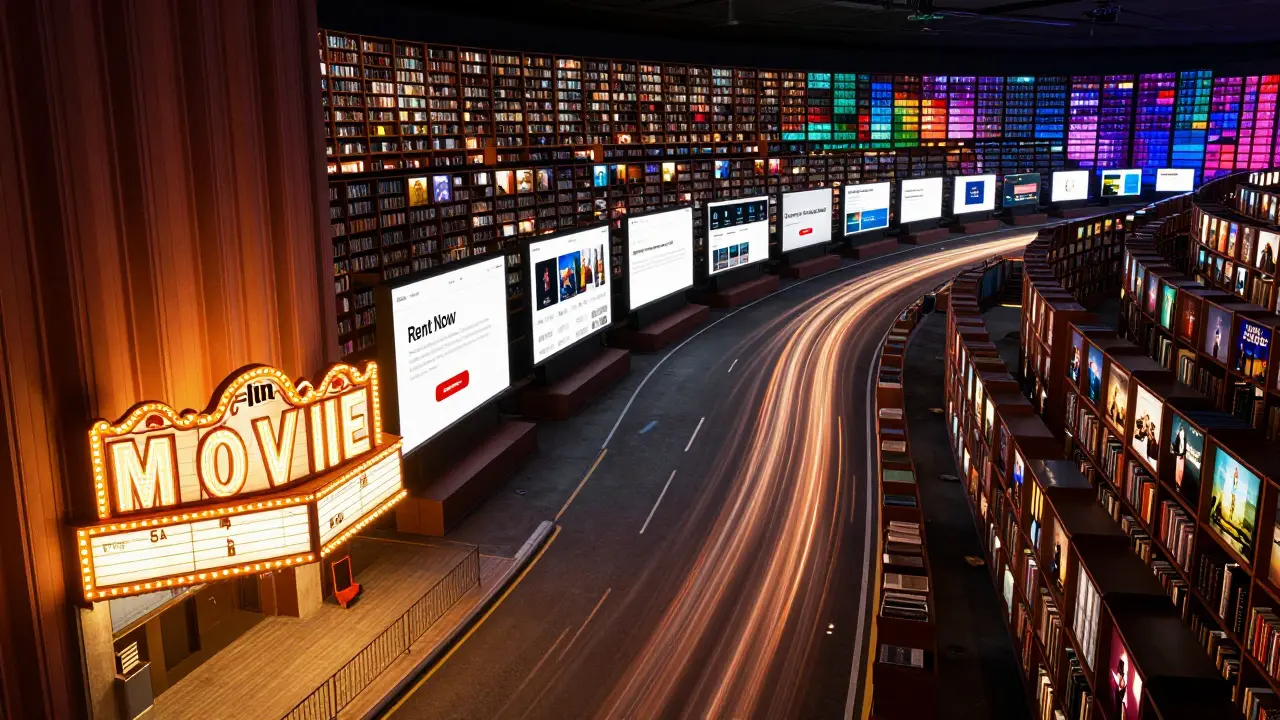
The Future of Free Streaming
Where does this go next? By 2026, we are seeing the rise of "hybrid" models. Many subscription services now offer ad-supported tiers for half the price. This blurs the lines between SVOD and AVOD. Viewers are willing to tolerate ads if it means saving money, and advertisers are happy to reach a more engaged, committed audience.
Furthermore, artificial intelligence is refining ad targeting. Soon, ads won't just be relevant to your interests; they will be contextually aware of the scene you are watching. If a character is drinking coffee in a film, the ad might feature a new coffee brand. This level of integration increases viewer tolerance for ads and boosts conversion rates for brands.
For the industry, this means that "free" is becoming a powerful currency. It lowers the friction for discovery, allowing smaller films to compete with studio giants on visibility. The barrier to entry for the viewer is zero, so the competition shifts entirely to creative merit and smart distribution tactics.
Frequently Asked Questions
Is AVOD really free?
Yes, there is no direct cost to the viewer. However, you are paying with your attention. The service is funded entirely by advertisers who pay for the opportunity to show their messages to you during the runtime of the film.
Which platforms offer the best AVOD libraries?
As of 2026, Tubi, Pluto TV, and the free tiers of Peacock and Paramount+ lead the market. Tubi is known for its vast library of recent theatrical releases, while Pluto TV offers both live linear channels and on-demand options, appealing to different viewing preferences.
Do actors earn less from AVOD deals?
Not necessarily. While the upfront guarantee might be lower than a pure SVOD deal, many contracts include backend participation in ad revenue. If a film becomes a viral hit on AVOD, the residual earnings can exceed what a flat SVOD fee would have provided.
How long do ads last on AVOD films?
Typically, expect 3 to 5 minutes of total ad time for a standard two-hour film. This usually breaks down into one pre-roll ad before the movie starts and two mid-roll ads during natural break points, such as act transitions.
Can I skip ads on AVOD?
Generally, no. Since the ads fund the free service, skipping them defeats the purpose. However, some platforms allow you to pause the film, though the ad timer may continue running depending on the specific app's implementation.