You just bought the rights to a buzzy indie film at Sundance for six figures. The critics loved it. Your subscribers are hungry for something new. But here’s the brutal truth: simply adding it to your library doesn’t mean anyone will watch it. In fact, most streaming festival acquisitions get buried under the weight of thousands of other titles within days. So how do you actually get people to click play?
It’s not about throwing money at billboards. It’s about weaving the film into the daily habits of your users before they even know they want to see it. Let’s break down exactly how modern streamers turn festival darlings into must-watch events.
The Pre-Launch Hype Machine
Long before a festival film hits your platform, the promotion starts. Think back to when A24 is an American entertainment company known for its distinctive branding and curation of independent films. They don’t wait for release day. They start seeding conversations weeks in advance.
If you’re running a service like Netflix or Hulu, you likely have data on who watched similar genres. Maybe your user binged "Past Lives" last year. You know they like slow-burn romances with international flair. When you acquire a similar title from Cannes, you don’t just list it. You send a push notification: "Because you liked Past Lives, you might love this." That’s targeted relevance, not spam.
But what if you don’t have that granular data? Then you rely on editorial curation. Create collections titled "Sundance Breakouts" or "Critics’ Choice Picks." These curated shelves act as trust signals. Users often feel overwhelmed by choice; telling them "this is good because we say so" reduces decision fatigue. It’s a psychological shortcut that works surprisingly well.
Leveraging Social Proof and Influencers
People trust their peers more than corporate ads. This is why TikTok is a social media platform focused on short-form video content has become a critical tool for promoting niche films. A single viral clip of a powerful scene can drive thousands of sign-ups overnight.
Streamers now partner with micro-influencers-film critics, podcast hosts, and movie buffs with 10k-50k followers. Why? Because their audiences are engaged. If a respected film critic tweets, "This was the best thing I saw at TIFF," their followers listen. It feels authentic, not paid.
Consider the campaign for "Everything Everywhere All At Once." Before it hit major platforms, it dominated social conversation through meme culture and fan art. Streamers replicate this by encouraging user-generated content. Run contests where users share their reaction to the trailer. Reward them with free months of subscription. It turns passive viewers into active promoters.
| Tactic | Cost | Reach | Conversion Potential |
|---|---|---|---|
| Push Notifications | Low | Existing Users | High (if personalized) |
| Influencer Partnerships | Medium | Niche Audiences | Very High |
| Homepage Banners | High (Opportunity Cost) | All Users | Medium |
| Social Ads | Variable | Broad | Low to Medium |
Integration into the User Interface
Your app design matters more than you think. If a festival acquisition sits in a generic "New Releases" folder, it dies. Successful platforms use dynamic UI elements to highlight these gems.
Take Apple TV+ is a subscription-based streaming service offered by Apple Inc.. They often place acquired prestige dramas front and center with high-quality artwork and detailed synopses. Notice how they avoid clutter. One big banner, clear call-to-action. No distractions.
Another trick is the "Continue Watching" nudge. If a user starts a festival film but pauses, send an email two days later: "Finish your journey with [Film Name]." It’s a gentle reminder that respects the user’s time while keeping the content top-of-mind. Data shows that re-engagement emails boost completion rates by up to 30%.
Also, consider cross-promotion. If a user watches a documentary about climate change, suggest a narrative film from the same festival that deals with environmental themes. It creates a thematic thread that keeps users browsing longer.
Eventizing the Release
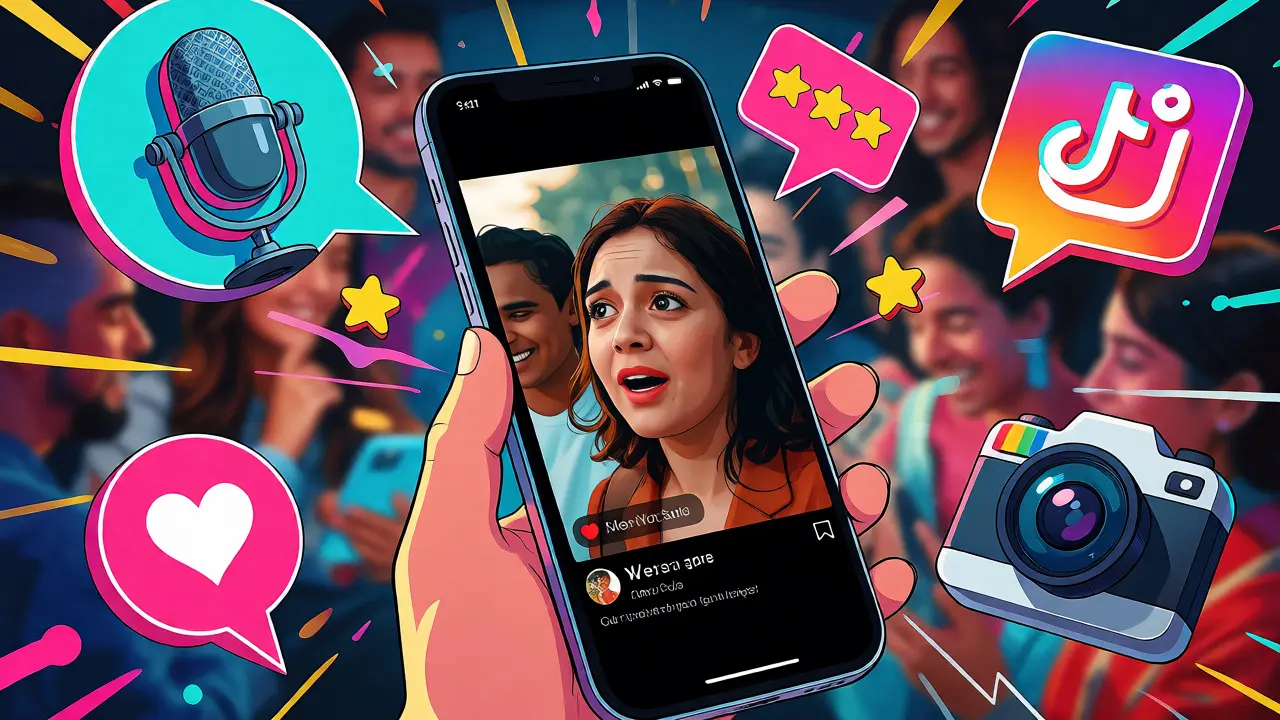
Festival films carry prestige. Use that. Don’t treat them like standard catalog items. Treat them like events.
Host virtual Q&A sessions with directors or actors. Live chats create urgency. People show up because they fear missing out (FOMO). After the chat, prompt them to watch the film immediately. This converts excitement into action.
Some platforms run "Festival Weeks." For seven days, all acquired titles from a specific event (like Berlinale or Venice) are highlighted together. Offer a badge or digital sticker for watching three films. Gamification makes consumption fun and encourages binge-watching behavior.
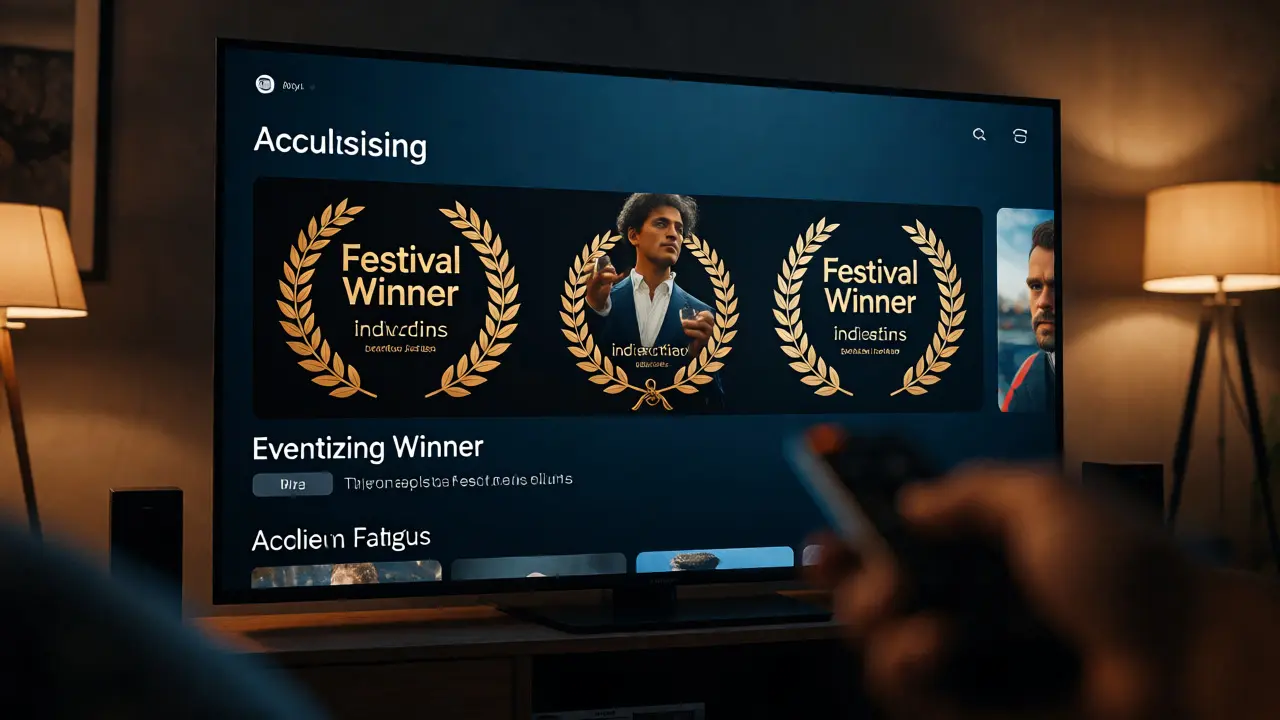
Remember the launch of "CODA" on Apple TV+? They leaned heavily into its Oscar win. Every marketing asset screamed "Academy Award Winner." That external validation did half the work for them. If your festival acquisition wins awards, shout it from the rooftops. Update thumbnails to include laurel wreaths. Users respond to visual cues of quality.
Measuring Success Beyond Views
How do you know if your promotion worked? Views are vanity metrics. Look deeper.
Track completion rate. Did people finish the film? If yes, your audience matched well. If no, maybe the marketing promised something the film didn’t deliver. Check churn impact. Did new subscribers stick around after watching the festival film? Or did they cancel immediately? That tells you if the acquisition was worth the cost.
Monitor social sentiment. Are people talking about it? Positive buzz drives organic growth. Negative reviews might hurt, but controversy can also sell tickets. Just ensure the tone aligns with your brand voice.
Finally, compare against benchmarks. How did this film perform versus other non-festival releases? If a Sundance pick outperforms a mid-budget studio film, you’ve found a winning formula. Double down on that genre or director next year.
Pitfalls to Avoid
Don’t overpromise. If you market a quiet drama as an action-packed thriller, viewers will feel cheated. Authenticity builds trust. Misalignment kills it.
Avoid burying the film in sub-categories. If it’s a priority acquisition, give it prime real estate. Hidden gems need help finding light.
Don’t ignore regional differences. A film popular at Toronto might flop in Brazil due to cultural context. Localize your marketing messages accordingly. Translate trailers properly. Adapt thumbnails to local tastes.
And please, stop using generic stock photos for promotional materials. Invest in custom key art that captures the essence of the film. Visual appeal is the first filter users apply.
The Future of Festival Marketing
We’re moving toward AI-driven personalization. Soon, algorithms won’t just recommend based on past views but predict emotional resonance. Imagine a system that knows you’re feeling melancholic tonight and suggests a poignant festival drama instead of a comedy.
Interactive marketing is also rising. Augmented reality filters that let users "enter" a scene from the film. Short-form interactive trailers where users choose which character to follow. These innovations keep engagement high.
Ultimately, promoting festival acquisitions isn’t just about selling one movie. It’s about building a brand identity. It says, "We curate quality. We care about art." That perception retains subscribers long after the credits roll.
Why do festival acquisitions matter for streaming platforms?
They provide exclusive, high-prestige content that differentiates platforms from competitors. Winning awards or critical acclaim adds credibility and attracts niche audiences willing to pay for quality.
How soon should a streamer promote a newly acquired film?
Ideally, begin teasing the acquisition immediately after securing rights, especially if there’s existing buzz. Full-scale promotion should ramp up 2-4 weeks before release to build anticipation without causing fatigue.
Do influencers really help promote niche films?
Yes, particularly micro-influencers with dedicated film communities. Their endorsements feel authentic and reach highly targeted audiences who are already interested in independent cinema, leading to higher conversion rates than broad advertising.
What is the biggest mistake in promoting festival films?
Misaligning expectations. Marketing a subtle character study as a blockbuster action movie leads to disappointment and negative word-of-mouth. Accurate, honest framing builds trust and ensures the right audience finds the film.
How do streamers measure ROI on festival acquisitions?
Beyond raw view counts, they track completion rates, subscriber retention post-viewing, social media sentiment, and comparative performance against similar titles. Long-term brand lift and award associations also factor into overall value.