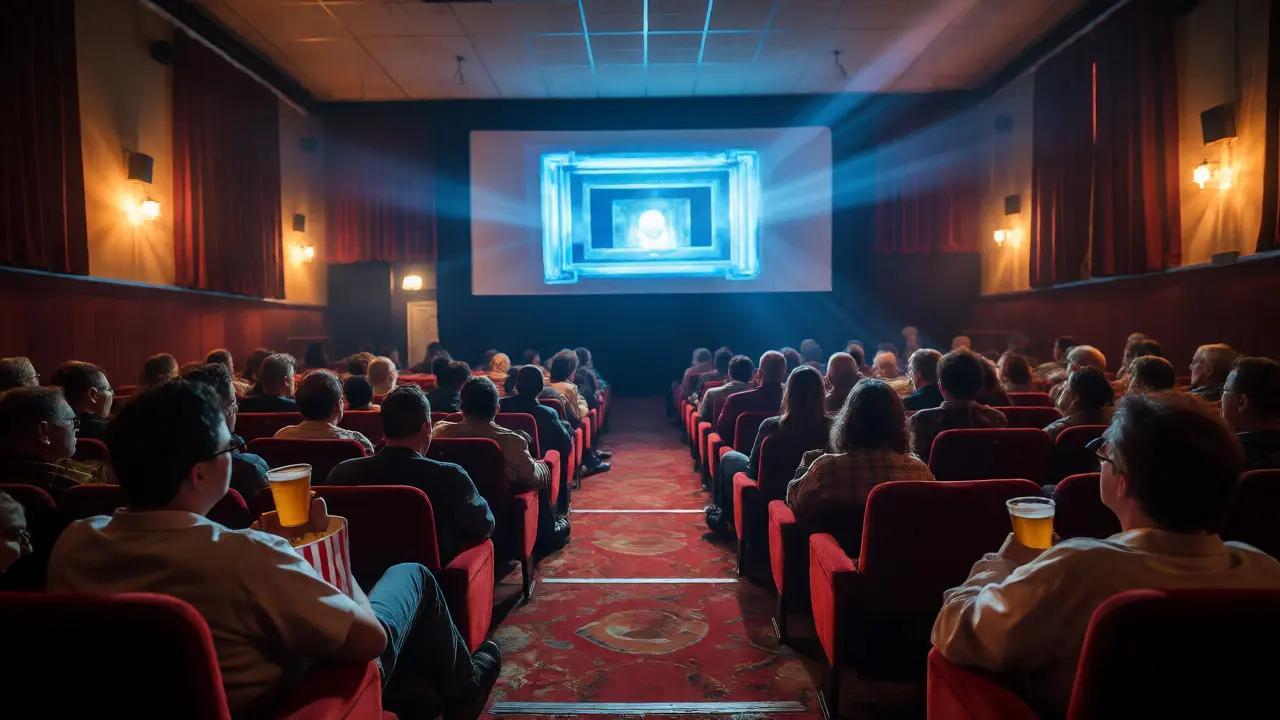
You walk into a 200-seat theater in Asheville. It’s Tuesday night. On screen is The Rocky Horror Picture Show or maybe a 4K restoration of Blade Runner. The room isn’t packed, but it’s full enough to keep the lights on for another week. This isn’t an accident. It’s a survival strategy.
For decades, people assumed small theaters were dying. Multiplexes ate their lunch. Streaming killed the habit of going out. But look around any mid-sized city right now. You’ll see them thriving. How? They stopped trying to compete with Hollywood blockbusters and started curating experiences you can’t get on Netflix. They built their business models around cult film calendars.
Why Blockbusters Don’t Pay the Rent
Let’s do the math. If you run a single-screen indie theater, you might make $5-$8 per ticket on a new Marvel movie. That sounds okay until you subtract the distributor fee. Studios take 60% to 70% of the gross on opening weekends. You’re left with crumbs. And if the movie bombs? You lose money. You also lose control. You can’t change the start time. You can’t add a Q&A. You’re just a landlord for Disney’s content.
Cult films flip this equation. When you book a classic like Pulp Fiction or a midnight oddity like Eraserhead, the licensing fees are flat rates or low percentages. Often, it’s a simple split: 50/50 after a minimum guarantee. Sometimes, for older public domain titles, it’s free. You keep the concession sales. You keep the bar revenue. You control the schedule. This financial flexibility is the first pillar of survival.
The Power of Community Rituals
People don’t come to cult screenings just to watch a movie. They come to participate. Think about the last time you saw a crowd quote lines back at the screen. That energy creates loyalty that streaming algorithms can’t replicate.
Small theaters leverage this by turning screenings into events. It’s not just "Screening: Donnie Darko." It’s "Midnight Madness: Donnie Darko with Jack Black costume contest." Or "Sunday Matinee: Studio Ghibli Marathon with ramen pop-ups." These rituals turn casual viewers into regulars. Regulars buy memberships. Memberships provide cash flow stability during slow months.
| Metric | New Blockbuster Release | Cult Event Night |
|---|---|---|
| Distributor Cut | 60-70% | 30-50% (or Flat Fee) |
| Avg. Concession Spend | $8.50 | $12.00+ (Bar/Craft Beer) |
| Audience Retention | Low (One-time visit) | High (Repeat community) |
| Marketing Cost | High (Competitive noise) | Low (Niche word-of-mouth) |
Curating the Calendar: The Art of Programming
Programming a cult calendar is harder than picking your favorite movies. It requires data and intuition. Successful programmers track local demographics. In college towns, horror and sci-fi dominate. In arts-heavy districts, foreign noir and experimental documentaries sell better.
They use thematic blocks. Instead of random one-offs, they group films. A "Month of Monsters" series draws fans who want multiple visits. A "Directors Deep Dive" attracts cinephiles. This structure encourages repeat attendance. It also simplifies marketing. One campaign covers four screenings.
Timing matters too. Weeknights are risky unless you offer something unique. Friday and Saturday nights are prime for high-energy cult classics. Sunday mornings work for family-friendly animation retrospectives. Late-night slots belong to the weird stuff. Knowing when your audience wants to be weird is half the battle.

Beyond Tickets: The Ancillary Revenue Streams
If you rely only on tickets, you’ll struggle. Smart small theaters monetize the space itself. During off-hours, they rent the auditorium for private screenings, corporate presentations, or podcast recordings. The projection booth becomes a service provider.
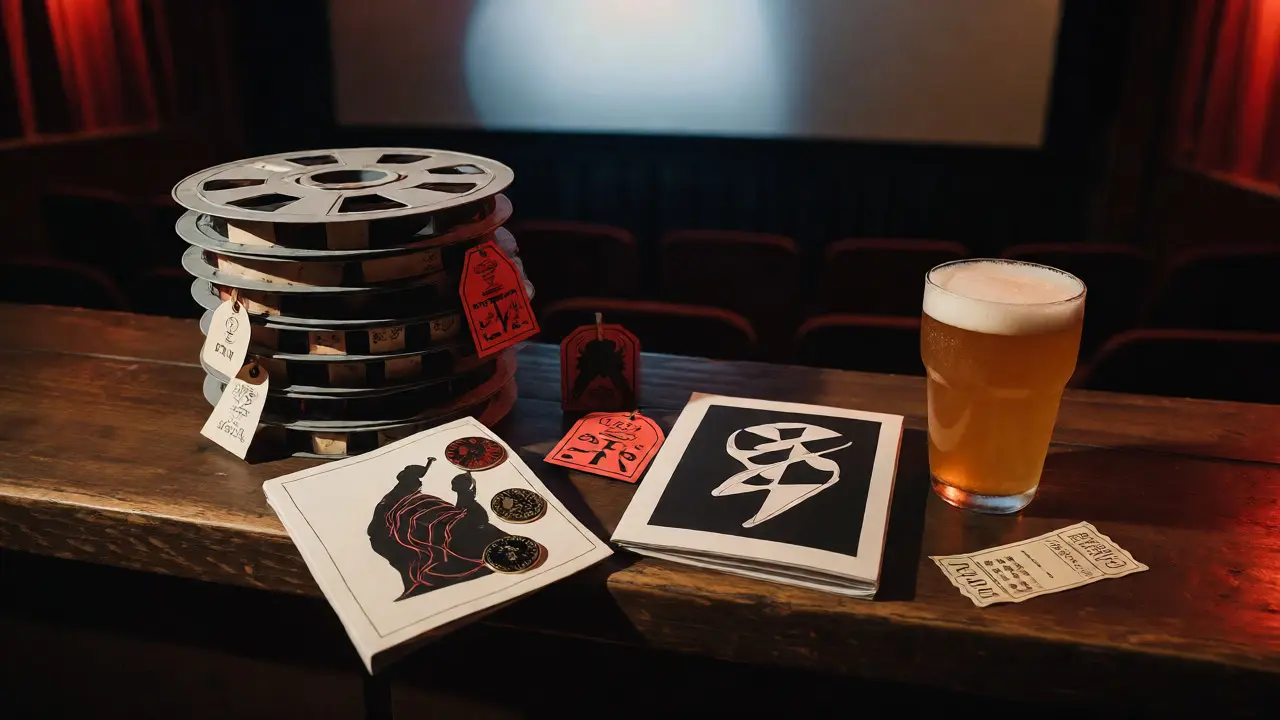
Merchandise plays a huge role too. Limited edition posters, enamel pins, or zines created specifically for the event sell well. Fans love tangible proof they were there. Some theaters partner with local breweries to create a "Movie Pairing" beer. The brewery gets exposure; the theater gets a higher-margin drink sale. Everyone wins.
Case Study: The Midnight Movie Model
Consider the rise of the "midnight movie" revival. Ten years ago, this was considered dead. Now, it’s a lifeline. Films like The Room or Holiday Inn generate recurring revenue because audiences return annually. Theaters charge premium prices ($15-$20) because the experience includes props, sing-alongs, or host commentary.
This model reduces risk. You know the film works. You know the crowd will show up. You spend less on advertising because the fanbase is self-sustaining. Online communities organize meetups before the show. Social media buzz does the heavy lifting. Your job shifts from selling tickets to managing logistics.
Pitfalls to Avoid
Not every cult film survives. Picking obscure titles with no existing fanbase is a quick way to burn cash. If nobody knows the movie, you have to educate them. That costs money. Stick to titles with proven demand or strong critical reappraisals.
Another trap is over-programming. Running five special events a week dilutes the exclusivity. Scarcity drives urgency. One major event per week keeps the hype alive. Two minor events a month maintain interest without exhausting staff resources.
The Future Is Analog
As AI generates more content, human curation becomes more valuable. People crave connection. They want to laugh with strangers. They want to argue about plot holes in person. Small theaters provide this analog antidote to digital isolation. By leaning into cult culture, they aren’t just surviving; they’re defining what cinema means for the next generation.
Do small theaters still make money on new releases?
Yes, but margins are thin. New releases help cover fixed costs like rent and utilities, while cult and repertory screenings drive profit through higher concession sales and lower licensing fees. Most healthy indie theaters use a hybrid model, balancing mainstream hits with niche programming.
What is a "repertory" screening?
A repertory screening is the re-release of an older film, often a classic or cult favorite, shown in its original format (like 35mm) or a high-quality digital restoration. Unlike standard reruns, these are curated events with specific themes or director spotlights, designed to attract cinephiles rather than general audiences.
How do theaters license cult films?
Theaters contact distribution companies like Janus Films, Criterion Collection, or specialized boutique distributors. Licensing terms vary widely. For popular cult titles, it’s often a percentage split of ticket sales. For obscure or older titles, it may be a flat rental fee per screening, which allows the theater to keep all additional revenue.
Can I start a cult film series in my town?
Absolutely. Start small. Partner with an existing venue like a library, art gallery, or coffee shop. Choose one highly recognizable cult title with a dedicated online following. Use social media groups to gauge interest before booking. Once you build a base of 50-100 regulars, approach a local theater for a dedicated slot.
Why do cult films perform better on weekends?
Cult film audiences are often younger and social. They treat movie-going as a nightlife activity. Weekends allow for pre-show drinks, post-show discussions, and flexible schedules. Weekday screenings require a compelling reason to leave work early, such as a rare director Q&A or a limited-time festival-style event.