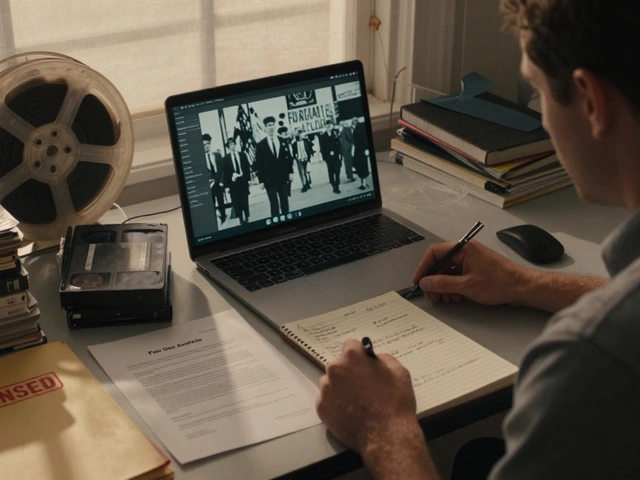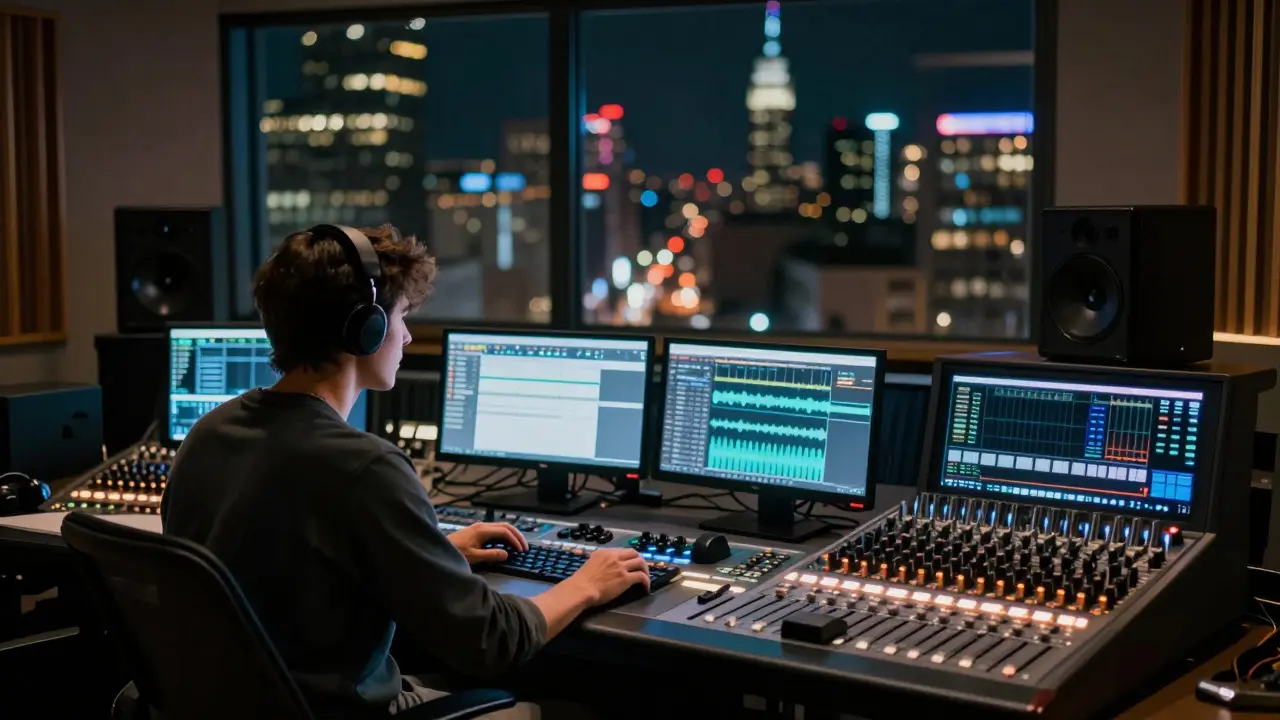
Imagine scoring a blockbuster that hits theaters in 40 countries. You wrote the theme, orchestrated the cues, and spent months in the studio. But when the credits roll, who actually collects the money for every time that song plays on TV, in a theater, or on a streaming service? That is where Performing Rights Organizations come in. For a film composer, these entities are not just bureaucratic checkboxes; they are the financial lifeline that ensures your creative work gets paid out long after the premiere.
The Core Function of PROs in the Music Industry
A Performing Rights Organization (PRO) is a non-profit collective that licenses public performance rights to music users and distributes royalties to songwriters and publishers. In the context of film, this might sound redundant because you already sold the synchronization rights (sync) to the production company. However, sync rights only cover the specific use in that movie. They do not cover the re-broadcasts, TV reruns, airline screenings, or digital streams that happen later.
When a movie airs on HBO, NBC, or even a local cable channel, the broadcaster needs a blanket license from a PRO to play any copyrighted music. The PRO then tracks which songs were played and sends a check to the songwriter/composer. This separation between sync fees (paid by the film producer) and performance royalties (paid by the broadcaster via the PRO) is the first hurdle many new composers misunderstand. If you think you are fully compensated by the upfront sync fee, you are missing out on potentially decades of residual income.
Major Players: ASCAP, BMI, and SESAC
In the United States, three major PROs dominate the market: ASCAP, BMI, and SESAC. Each has distinct characteristics that affect how a film composer operates.
| Organization | Membership Type | Key Feature for Composers | Typical Audience |
|---|---|---|---|
| ASCAP | Open membership | Largest catalog, strong in classical/crossover | Independent composers, indie films |
| BMI | Open membership | No annual dues, strong in pop/mainstream | Commercial scores, mainstream features |
| SESAC | Selective invitation | Higher per-play rates for some genres | Established artists, niche genres |
For most film composers, the choice between ASCAP and BMI comes down to personal preference and existing publisher relationships. Both are open-access, meaning anyone can join. SESAC, however, is selective. It often requires an established track record or an invitation. If you are just starting out in film scoring, joining SESAC might be difficult unless you have significant prior success in another genre like pop or rock.
How Royalties Are Calculated for Film Scores
Unlike popular music, where radio airplay drives massive royalty pools, film score performance royalties rely heavily on television and digital broadcasting. When a film with your score airs on a network like ABC or Fox, the PRO uses cue sheets to identify exactly which pieces were used. A cue sheet is a detailed document submitted by the broadcaster listing every piece of music played during a program, including start times, duration, and composer/publisher info.
The calculation isn't always transparent, but it generally follows a weighted system based on:
- Audience Size: A show watched by 10 million people generates more royalties than one watched by 500,000.
- Time Slot: Prime-time slots often carry higher weighting than late-night or daytime slots.
- Duration: Longer usage of a specific cue usually results in higher payouts.
It is crucial to note that if you co-wrote the score with another composer, the split must be registered correctly with the PRO. If you write 100% of the music, you own 100% of the writer's share. If a production company owns the publishing rights, they will collect their share separately, but your writer's share goes directly to you through your PRO.
International Considerations and Reciprocal Agreements
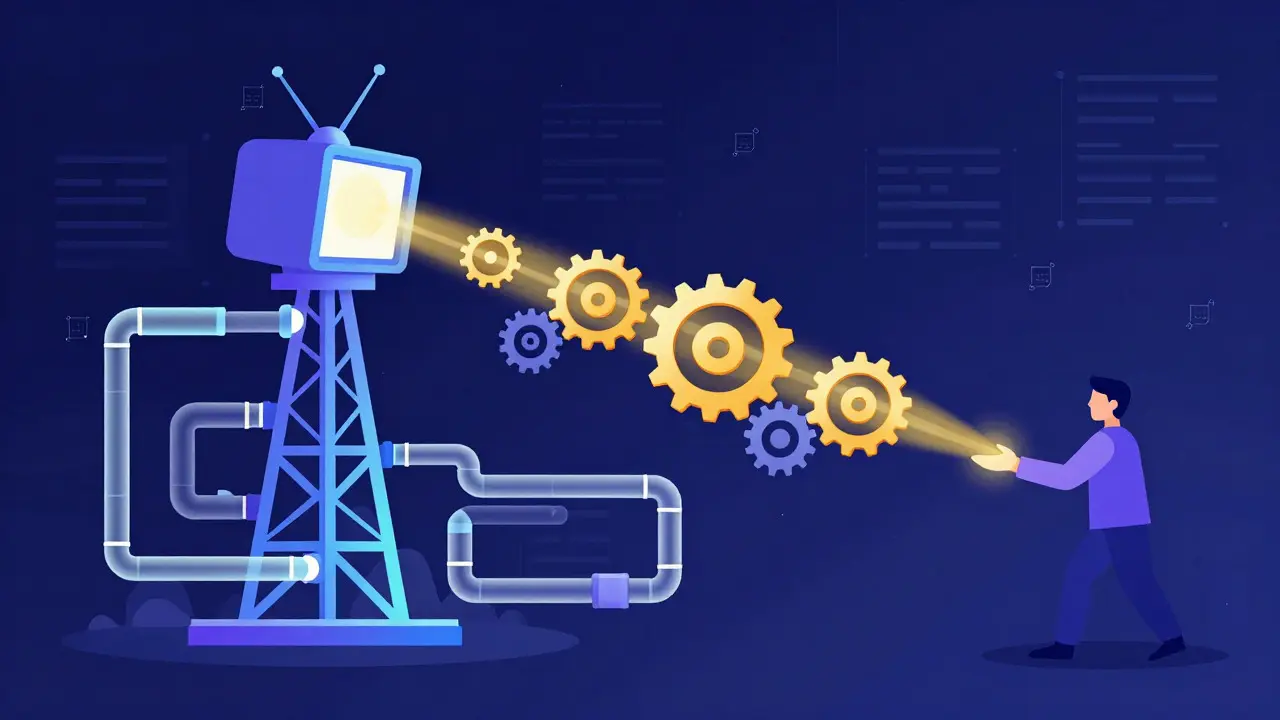
Film is a global industry. If your movie releases in France, Japan, or Germany, does your American PRO get paid there? Yes, thanks to reciprocal agreements. Most major PROs have agreements with counterparts abroad. For example, ASCAP has agreements with SACEM in France and JASRAC in Japan.
Here is how it works: When a French TV station plays your movie, SACEM collects the local royalty. Under the reciprocal agreement, SACEM shares its portion with ASCAP. ASCAP then pays you. This process can take several months, sometimes up to a year, to settle. Therefore, international distribution is a goldmine for composers, but patience is required. Always ensure your metadata is accurate across all territories to avoid lost payments.
Cue Sheets: The Lifeline of Your Payments
You cannot expect royalties if no one tells the PRO what music was played. This is where cue sheets become critical. In professional productions, the post-production supervisor or the music editor is responsible for creating and submitting these documents to broadcasters. However, in independent films or smaller projects, this responsibility often falls to the composer or the distributor.
If a cue sheet is missing or contains errors-such as a wrong ISRC code, incorrect duration, or misspelled name-the royalty may be held in "unallocated funds" or simply lost. To protect yourself:
- Keep a master list of all your compositions with unique identifiers.
- Follow up with distributors to confirm cue sheet submission for every broadcast.
- Use online tools provided by ASCAP and BMI to audit your reported performances.
Digital Streaming and the Changing Landscape
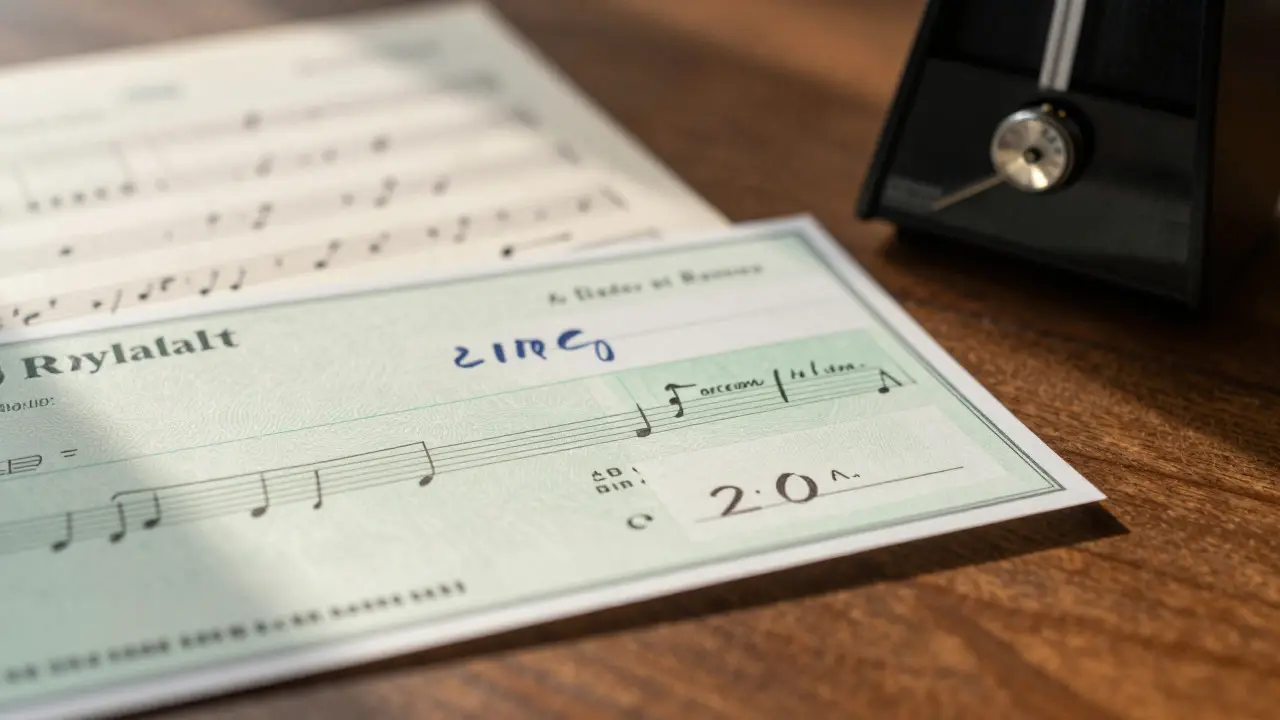
The rise of platforms like Netflix, Hulu, and Amazon Prime Video has complicated things slightly. These services often pay flat fees for content rather than per-view royalties. However, the underlying music still needs to be licensed for public performance. Many streamers now have direct deals with PROs, meaning they pay blanket fees to ASCAP/BMI/SESAC to cover all music in their library. As a composer, this means your score contributes to the pool that supports these flat-fee deals. While you won't see a specific line item for each view on Netflix, the aggregate revenue from these platforms keeps the royalty pool healthy.
Common Pitfalls for New Composers
Many composers make mistakes early in their careers that cost them thousands of dollars over time. Here are the top issues to avoid:
- Not Registering Works Promptly: Wait until a song is performed to register it? You might lose back-royalties. Register immediately upon completion.
- Ignoring Publisher Splits: If you sign with a music publisher, understand exactly what percentage they take versus what remains as your writer's share.
- Assuming Sync Equals Performance: Remember, selling the song to the movie is step one. Collecting the TV/streaming royalties is step two, and it happens automatically only if you are properly affiliated with a PRO.
Strategic Advice for Maximizing Income
To maximize your earnings from performing rights, treat your catalog as an asset. Reuse themes where contractually allowed. Ensure your metadata is flawless. Consider joining multiple PROs if you work in different regions (though dual affiliation is complex and usually discouraged in the US). Finally, stay active. PROs favor active members whose catalogs generate consistent data. The more your music is heard in public settings, the stronger your claim on the royalty pool becomes.
Do I need a PRO if my music is only in short films?
Yes. Even if a short film never makes it to a major network, it might be shown at festivals, on YouTube (which pays ad revenue but also involves performance rights in some contexts), or on local cable access channels. Joining a PRO ensures you capture these micro-royalties that add up over time.
What is the difference between a writer's share and a publisher's share?
The total performance royalty is split into two halves. The writer's share goes to the person who wrote the music and lyrics (you). The publisher's share goes to the entity that controls the copyright (often the composer themselves if self-published, or a separate music publishing company). If you are your own publisher, you receive both shares.
Can I switch PROs once I am a member?
In the US, switching is possible but administratively cumbersome. You typically need to wait until your current membership term ends or negotiate an exit. It is rarely worth the effort unless you have a compelling reason, such as moving to a region where another PRO has stronger reach.
Does a PRO handle mechanical royalties?
No. PROs only handle performance rights (radio, TV, live venues, streaming). Mechanical royalties (for physical sales, downloads, or interactive streaming like Spotify) are handled by separate entities, such as the Harry Fox Agency or direct licensing deals. Do not confuse the two.
How long does it take to receive my first royalty check?
It varies. For domestic US broadcasts, it can take 3 to 6 months after the air date. For international royalties, it can take 6 to 18 months due to the time needed for reciprocal settlements between different countries' PROs.