Imagine you’re sitting on your couch, scrolling through your phone after a long day. You want to watch something, but the choice is overwhelming. Do you trust the four-star review from a veteran critic who has written for decades, or the enthusiastic 10-minute video essay from an influencer with two million followers? This isn’t just a preference issue; it’s a battle for authority in film recommendations. The landscape of how we discover movies has shifted dramatically, moving from gatekeepers in print media to algorithmic feeds and personal brands.
The old model relied on institutional credibility. A publication like Variety or The New York Times carried weight because of its history and editorial standards. Today, that weight is contested by digital creators who offer immediacy, personality, and direct access. Understanding who holds real influence now requires looking at how both groups operate, what they value, and why audiences respond differently to each.
The Shift in Power Dynamics
For most of the 20th century, film criticism was a professionalized field. Critics were hired by major newspapers or specialized magazines. Their job was to inform the public about quality, often using complex language and deep contextual knowledge. The barrier to entry was high: you needed a degree, connections, or years of apprenticeship. This created a clear hierarchy. If a respected critic panned a film, studios worried about box office returns. If they praised it, awards season buzz followed.
Then came the internet. First, blogs allowed independent voices to bypass traditional editors. Then, social media platforms like YouTube, Instagram, and TikTok turned individuals into media companies. An influencer doesn’t need a byline; they need a camera and consistency. This democratization broke the monopoly on taste. Suddenly, a teenager in a bedroom could reach more people than a senior editor at a prestigious journal. The question changed from "Who is qualified to judge this?" to "Whom do I trust to guide me?"
Critics: Depth, Context, and Institutional Trust
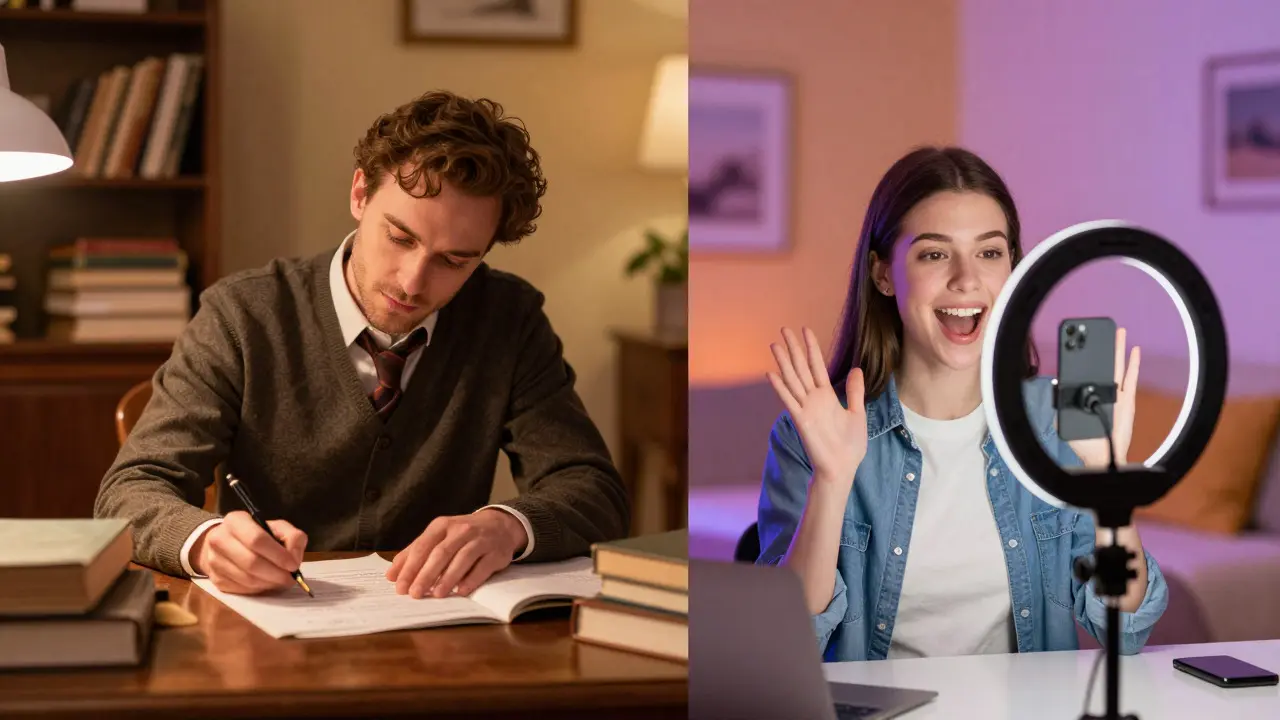
Professional Film Critics are individuals employed by established media outlets who evaluate films based on artistic merit, technical execution, and cultural significance. Their primary tool is the written word. A good review doesn’t just say if a movie is good; it explains *why*. It analyzes cinematography, pacing, script structure, and performance. It places the film within a broader context-comparing it to the director’s previous work or similar films in genre history.
This depth is their superpower. When a critic writes about a new sci-fi blockbuster, they might reference the lineage of space operas from Star Wars to Dune, helping you understand where the new film fits in the conversation. They also bring accountability. Because they represent a brand, there are editorial standards. There is less room for pure hype or unchecked bias, though these certainly exist. The downside? Accessibility. Not everyone wants to read a 800-word analysis before deciding whether to spend $15 on a ticket. Criticism can feel distant, academic, or even elitist to casual viewers.
Influencers: Personality, Immediacy, and Relatability
Film Influencers are content creators who build audiences through consistent video or social media posts, focusing on reaction, opinion, and community engagement rather than formal critique. Their medium is usually video. A 15-second clip on TikTok or a 20-minute video on YouTube captures emotion instantly. You see their face, hear their voice, and feel their excitement or disappointment. This creates a parasocial relationship-a sense of friendship or intimacy that written reviews rarely achieve.
Influencers excel at curation. They don’t just review one movie; they build a brand around a specific vibe. Maybe they specialize in horror films, indie dramas, or retro classics. Their recommendations feel personalized because they reflect their own tastes, which their audience has come to mirror. The trade-off is consistency. One day, an influencer might rave about a mediocre film because it had a funny moment; the next, they might ignore a masterpiece because it didn’t fit their current content strategy. There is no editorial board checking their facts or balancing their opinions.
How Audiences Actually Choose
So, who wins? The answer depends on the viewer’s intent. Research suggests that people use different sources for different purposes. If you’re trying to decide between three highly rated dramas, you might look for a critic’s review to understand the nuanced differences in tone and style. But if you’re bored and just want something fun, you’ll likely follow an influencer whose humor matches yours.
There’s also the factor of speed. Critics often publish reviews on opening day, but sometimes with a delay. Influencers can react in hours, creating a sense of urgency. "Watch this before everyone else does!" is a powerful hook. For younger demographics, particularly Gen Z, influencers often hold more sway because they appear more authentic and less pretentious. However, as viewers age, many return to critics for deeper insights, especially for award-season films or complex narratives.
| Feature | Professional Critics | Film Influencers |
|---|---|---|
| Primary Medium | Written articles, podcasts | Video (YouTube, TikTok), social posts |
| Focus | Artistic merit, context, analysis | Emotional reaction, entertainment, curation |
| Trust Basis | Institutional reputation, expertise | Personal connection, relatability |
| Speed of Response | Same-day to few days | Hours to same-day |
| Accountability | Editorial standards, peer review | Audience feedback, algorithmic pressure |
| Best For | Deep dives, award contenders, serious films | Quick decisions, niche genres, mood-based viewing |
The Hybrid Model: Where Both Worlds Meet
Interestingly, the line between critic and influencer is blurring. Many modern critics have embraced video formats. They post clips of their reviews, share behind-the-scenes thoughts, and engage directly with fans on social media. Conversely, some top influencers have evolved into de facto critics, offering detailed analyses that rival professional publications. This hybrid approach satisfies both needs: the desire for depth and the desire for accessibility.
Platforms like Letterboxd and Rotten Tomatoes also play a crucial role. They aggregate data from both critics and users, providing a snapshot of consensus. But even here, the source matters. A user score of 8.5 might mean something very different depending on whether the voters are hardcore cinephiles or casual streamers. Smart viewers learn to read these signals, understanding that a low critic score might indicate a flawed script, while a low audience score might indicate poor marketing or niche appeal.

Navigating Your Own Film Diet
Ultimately, the best way to find great movies is to diversify your sources. Don’t rely solely on one type of recommender. Here’s a practical approach:
- Start with Curators: Follow 2-3 influencers whose taste aligns with your interests. Use them for discovery and mood-setting.
- Verify with Critics: Before committing to a big-budget release or a complex film, check a reputable critic’s review for structural and thematic insights.
- Check Consensus: Look at aggregate scores to gauge general reception, but remember that averages hide individual preferences.
- Trust Your Gut: If a trailer excites you, watch it. No amount of external advice can replace your personal enjoyment.
FAQ
Are film influencers more reliable than critics?
Reliability depends on what you value. Influencers are often better at predicting mass appeal and providing immediate emotional reactions. Critics are better at analyzing artistic quality and placing films in historical context. Neither is universally "more reliable"; they serve different functions.
Why do critics and influencers often disagree on the same movie?
They prioritize different aspects of filmmaking. Critics may focus on pacing, dialogue, or thematic coherence, which might be less noticeable to a casual viewer. Influencers often focus on spectacle, character likability, or entertainment value. A film can be technically brilliant but emotionally flat, leading to divergent opinions.
Which group has more impact on box office success?
In recent years, influencers have gained significant traction, especially among younger demographics. A viral positive reaction can drive weekend numbers faster than a glowing review in a newspaper. However, sustained critical acclaim still helps a film win awards, which can boost long-term streaming numbers and cultural legacy.
Should I stop reading film reviews altogether?
No. Reviews provide a framework for understanding why you liked or disliked a film. Even if you don’t agree with the critic, their points can help you articulate your own thoughts. Plus, discovering a favorite filmmaker or genre often starts with a well-written article.
How do I find trustworthy film influencers?
Look for consistency and transparency. Check if they disclose sponsored content. See if their opinions change when they get paid to promote a film. Engage with their comments section to see how they interact with dissenting views. A creator who admits when they were wrong is usually more trustworthy than one who never changes their mind.