Imagine a movie with no studio backing, no million-dollar ad budget, and zero guaranteed theater screens. Yet, it somehow fills cinemas in three cities and sparks online conversations that feel like they’re happening everywhere at once. That’s the modern reality for independent films is low-budget movies produced outside the major Hollywood studios, relying on creative marketing to find their audience. In 2026, the gap between big-budget blockbusters and indie titles isn’t just about money-it’s about how well you can turn strangers into superfans before the premiere date even arrives.
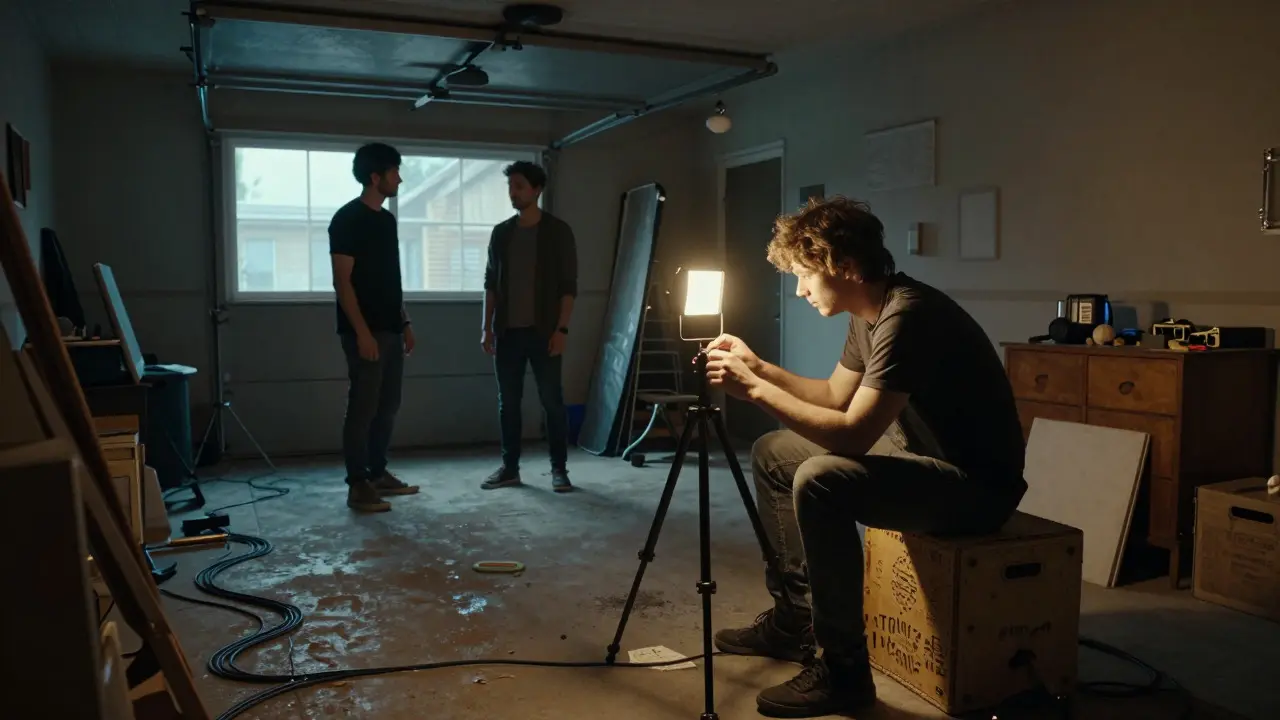
You don’t need a viral hit to succeed anymore. You need a consistent presence, a clear story, and the right platforms. The days of waiting for a critic’s review to drive ticket sales are over. Now, your audience discovers your film through a 15-second clip on TikTok, a behind-the-scenes reel on Instagram, or a detailed production diary on YouTube. This shift has leveled the playing field significantly. If you know where to look and what to say, a film made in a garage can outperform one shot in a soundstage.
Key Takeaways
- Social media is the primary discovery engine for indie films, replacing traditional print ads and TV spots.
- Consistency beats virality; posting regularly builds trust faster than one lucky viral moment.
- Platform-specific content is crucial: short-form video drives discovery, while long-form builds community.
- Micro-influencers and niche communities often yield higher engagement rates than broad celebrity endorsements.
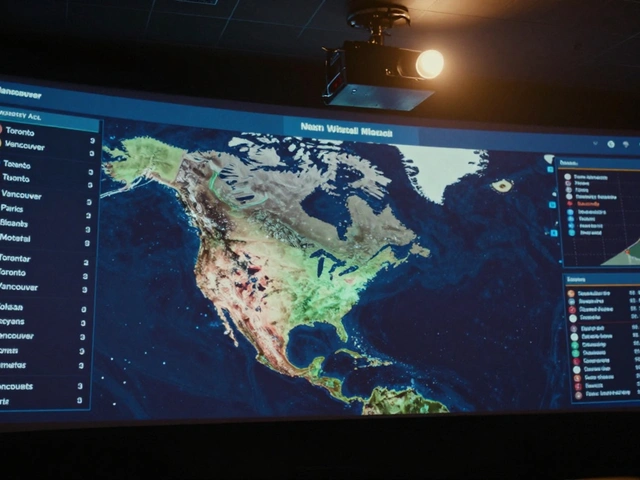
- Data from social analytics should directly inform release strategies, including city selection and screening times.
The Shift from Broadcast to Conversation
Traditional film marketing was a one-way street. Studios bought prime-time TV slots and placed billboards in high-traffic areas. The audience was passive. They saw the ad, maybe remembered the title, and decided later if they wanted to go to the theater. For independent filmmakers, this model was nearly impossible to afford. So, they had to get creative. They used word-of-mouth, local press, and festival screenings. But as digital tools matured, the dynamic changed completely.
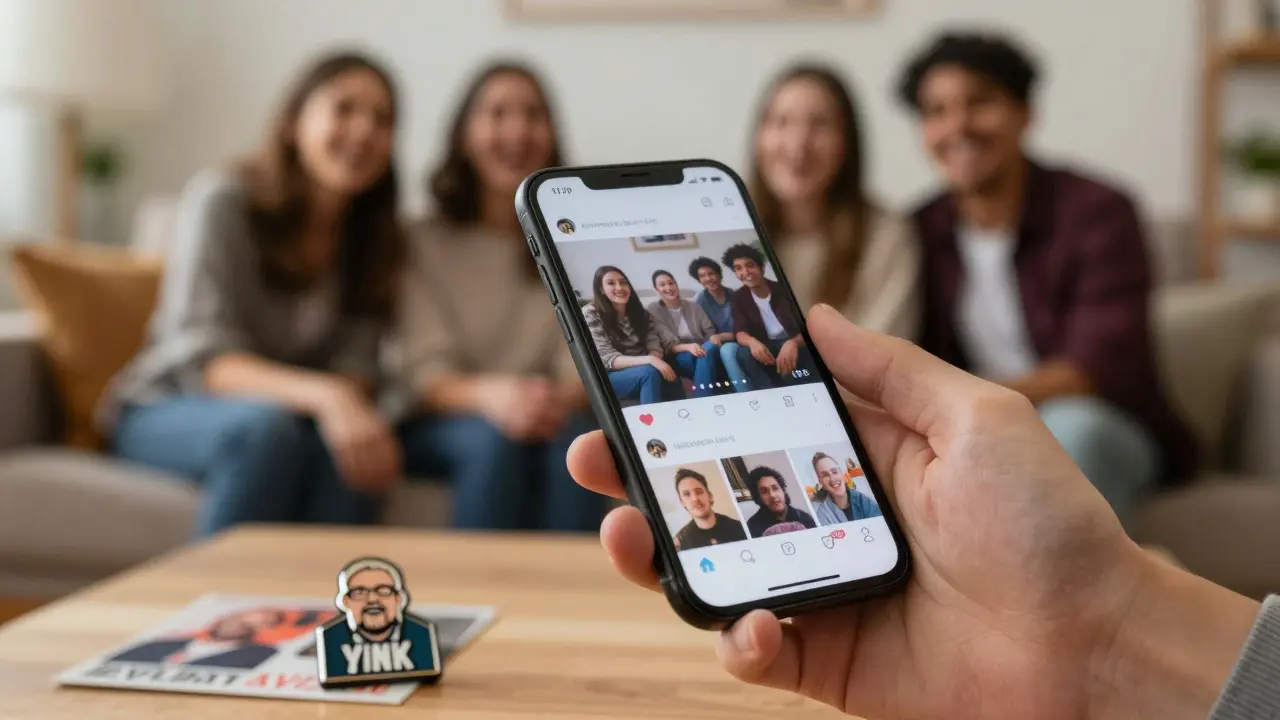
Today, social media turns marketing into a two-way conversation. When a user sees a teaser trailer on Instagram is a visual-first social platform popular for sharing photos, stories, and short videos among younger demographics., they can immediately comment, share, or tag a friend. This interaction creates social proof. If ten people in your network react positively to a clip, the eleventh person is far more likely to watch the full trailer. This network effect is powerful because it feels personal rather than promotional.
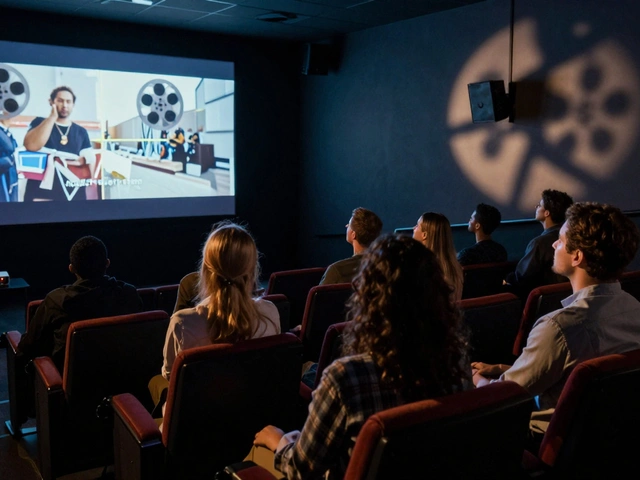
Consider the case of the 2024 indie thriller "Midnight Static." The producers had a total marketing budget of $15,000. Instead of buying radio spots, they released a series of cryptic audio clips on TikTok is a short-form video platform known for its algorithm-driven feed and high potential for viral organic reach.. Users started guessing the plot, creating duets, and using the film's hashtag. By the time the film premiered in limited release, it had already built a waitlist of 50,000 interested viewers. The result? Sold-out screenings in twelve cities without a single paid advertisement.
Choosing the Right Platforms for Your Film
Not all social networks serve the same purpose. Trying to be everywhere usually means being nowhere. You need to pick two or three platforms where your target audience actually spends their time. Each platform has a distinct culture and content format that works best for specific types of films.
| Platform | Best For | Content Format | Audience Age Range | Cost Barrier |
|---|---|---|---|---|
| TikTok | Viral discovery, Gen Z/Alpha | Short video (15s-3min) | 18-34 | Low (organic focus) |
| Visual branding, Millennials | Reels, Stories, Carousel | 25-45 | Medium (design effort) | |
| YouTube | Deep engagement, trailers | Long video, Shorts | 16-65 | High (production quality) |
| X (Twitter) | Festival buzz, industry news | Text, Threads, Video | 25-55 | Low |
If your film is a horror movie, TikTok might be your best bet. The platform thrives on jump scares, eerie aesthetics, and quick hooks. A 10-second clip of a shadow moving across a wall can stop the scroll instantly. On the other hand, if you’re making a documentary about artisanal coffee roasting, Instagram offers a more refined space. High-quality photography and curated storytelling resonate better there. The key is matching the tone of your film to the vibe of the platform. Posting a gritty, handheld crime drama on a polished lifestyle-focused account will confuse followers and reduce engagement.

Creating Content That Resonates
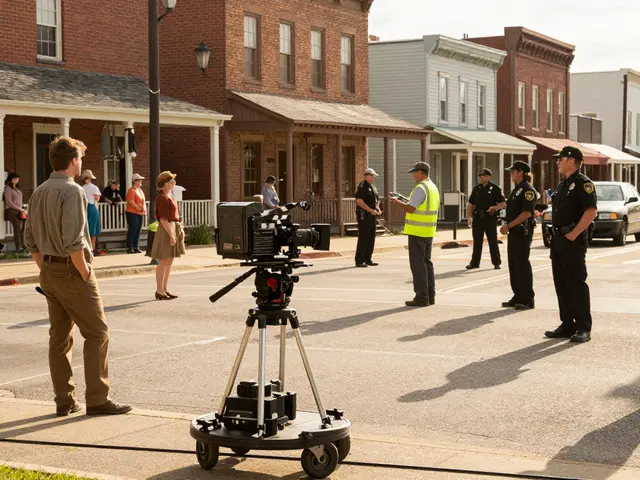
People don’t just want to see the final product; they want to feel part of the journey. This is why behind-the-scenes (BTS) content is so effective for indie films. It humanizes the process. Show the director struggling with lighting. Show the actors rehearsing lines in a cramped apartment. Show the editor working late into the night. These moments create an emotional connection that a polished trailer cannot achieve.
Here are four types of content that consistently perform well for independent projects:
- Character Diaries: Let the actors speak directly to the camera about their character’s motivations. This builds empathy before the viewer even sees the first scene.
- Production Timelapses: Speed up footage of set construction, painting, or location scouting. It satisfies curiosity and shows the scale of effort involved.
- Q&A Sessions: Host live sessions where fans can ask questions about the script, the music, or the casting process. Live interaction boosts algorithmic visibility.
- User-Generated Challenges: Create a simple challenge related to the film’s theme. For example, if the film is about finding lost objects, ask users to post photos of things they’ve lost. Tag them, and repost the best entries.
The goal is not perfection. It’s authenticity. Audiences today are savvy. They can spot overly produced corporate messaging from a mile away. A shaky phone video of the cast laughing on set often gets more likes than a professionally lit commercial spot. Keep it real, keep it raw, and keep it consistent.
Leveraging Micro-Influencers and Niche Communities
When you think of influencers, you might picture celebrities with millions of followers. But for indie films, micro-influencers-creators with 10,000 to 100,000 followers-are often more valuable. Why? Because their audiences are highly engaged and trust their recommendations. A film recommendation from a micro-influencer who specializes in horror cinema carries more weight than a generic mention by a mega-celebrity who posts about everything from food to fashion.
Start by identifying creators whose aesthetic matches your film. Look at their past posts. Do they engage with their comments? Do they use similar hashtags? Reach out with a personalized message. Don’t just ask for a promotion. Offer value. Send them a free copy of the soundtrack, exclusive access to a screening, or a unique piece of merchandise. Make them feel like partners in the project, not just billboards.
Niche communities also play a critical role. Subreddits, Discord servers, and Facebook groups dedicated to specific genres or themes are goldmines. For instance, a sci-fi indie film can find passionate supporters in r/scifi or dedicated sci-fi Discord channels. Engage with these communities genuinely. Answer questions, share insights, and participate in discussions before asking for support. This builds credibility. If you show up only to plug your movie, you’ll be ignored. If you contribute value first, you’ll earn their attention.
Measuring Success and Adapting Strategy
Marketing isn’t a set-it-and-forget-it task. You need to track what works and double down on it. Most social platforms provide basic analytics for free. Pay attention to metrics like engagement rate, share count, and click-through rate. Engagement rate is particularly important for indie films. A post with 100 likes and 20 shares is more valuable than a post with 1,000 likes and 0 shares. Shares indicate that people believe your content is worth showing to others.
Use this data to adjust your approach. If short-form videos on TikTok are driving the most traffic to your trailer page, allocate more time to creating those clips. If Instagram Stories are getting high saves, consider creating more educational or informative content there. Test different posting times. Some audiences are active during lunch breaks, while others scroll through feeds in the evening. Experiment, observe, and refine.
Don’t ignore direct feedback either. Read every comment. Reply to questions. Thank people for their support. This small act of kindness goes a long way in building loyalty. Fans who feel heard are more likely to buy tickets, purchase merch, and tell their friends about the film. Social media is not just a broadcast channel; it’s a relationship builder. Treat it that way, and your audience will reward you with their attention and support.
Frequently Asked Questions
How much does it cost to market an indie film on social media?
You can start with zero dollars by focusing on organic content creation. However, boosting top-performing posts or running targeted ads can increase reach. A modest budget of $500-$2,000 per month is sufficient for most indie projects to test paid strategies effectively.
Which social media platform is best for indie films in 2026?
TikTok remains the strongest for organic discovery due to its algorithm favoring new creators. Instagram is essential for visual branding and maintaining a consistent aesthetic. The best choice depends on your target demographic and film genre.
How early should I start social media marketing for my film?
Ideally, six to twelve months before the premiere. Starting early allows you to build a following gradually. Even during pre-production, you can share concept art, script excerpts, and casting calls to generate initial interest.
Do I need to hire a professional social media manager?
Not necessarily. Many successful indie films are marketed by the directors or producers themselves. However, if you lack time or expertise, hiring a freelancer or agency specializing in film marketing can save hours and improve content quality.
How do I measure the ROI of social media marketing for a film?
Track ticket sales attributed to specific campaigns using unique discount codes or UTM links. Also, monitor engagement metrics like shares and saves, which correlate strongly with word-of-mouth spread and eventual box office performance.