You’ve probably heard horror stories about film production schedules going off the rails. Maybe it was a blockbuster that ran three weeks over budget because of bad weather, or an indie flick where the lead actor got sick and everything fell apart. But here’s the thing: those disasters aren’t just bad luck. They’re usually symptoms of a broken plan before cameras even rolled.
A production schedule isn’t just a calendar with dates scribbled on it. It’s the blueprint for how money, time, and human energy interact in one of the most chaotic industries on earth. If you’re trying to make a movie-whether it’s a student short or a studio tentpole-you need to understand how these schedules are built, why they break, and what happens when they do.
The Anatomy of a Shooting Schedule
Most people think scheduling starts when the script is done. Wrong. It starts way earlier, during development. But the real heavy lifting happens in pre-production, specifically after the script is locked and locations are scouted.
The core unit of any schedule is the "day." Not a calendar day, but a working day. A standard union day (like under SAG-AFTRA rules in the US) is typically eight hours, plus travel time. If you go over, you pay overtime. If you push past certain thresholds, you might have to turn around the next day later than usual. These rules dictate the rhythm of the entire shoot.
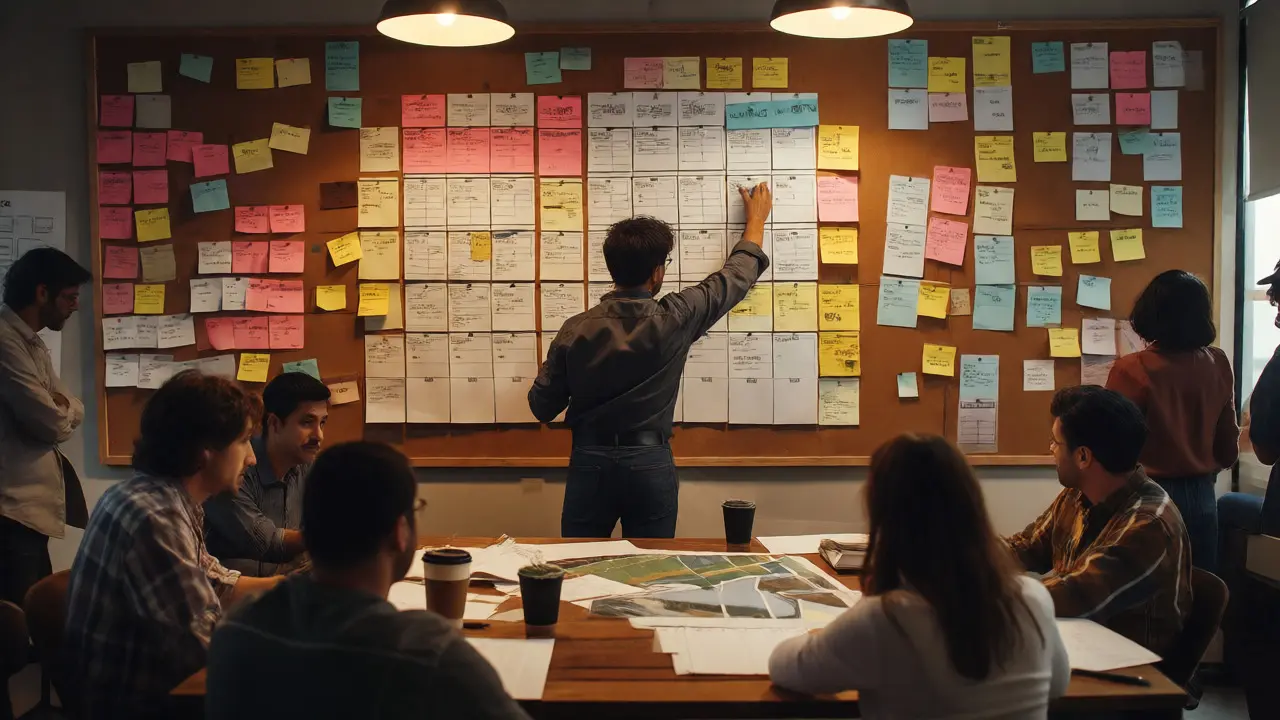
Schedulers don’t just list scenes in order. They group them by location and cast availability. This is called "stripboard" scheduling. Imagine every scene as a colored card. All scenes at the kitchen go together. All scenes requiring the main villain go together. Then, you stack these stacks into days. The goal? Minimize company moves. Every time you move the entire crew from Location A to Location B, you lose two to four hours. That’s expensive. So, you try to shoot everything at one place before moving on.
Why Location Days Are the Currency of Filmmaking
If you want to understand budgeting, stop looking at actor salaries first. Look at location days. Each day you rent a location costs money. Whether it’s a permit fee for a city street or a rental agreement for a private home, time is literally cash.
Let’s say you’re filming a scene where two characters talk in a park. You might think, “It’s just a park, we can shoot it anytime.” But if your lead actor is only available on Tuesdays, and the park requires a permit that takes two weeks to process, you have a conflict. The scheduler has to negotiate this triangle: Actor Availability vs. Location Access vs. Crew Budget.
Here’s a practical example from my own experience helping out on a low-budget feature in Asheville. We had a key scene set in a historic hotel lobby. The owner only allowed us on weekends. But our cinematographer wanted natural light, which meant early mornings. Our actors were free mid-day. The solution? We split the scene. We shot wide shots establishing the space on Saturday morning (natural light), then moved inside for close-ups on Sunday afternoon using artificial lighting. It wasn’t perfect, but it saved us $2,000 in extra location fees and kept everyone happy enough to keep working.
The Role of the First Assistant Director (1st AD)
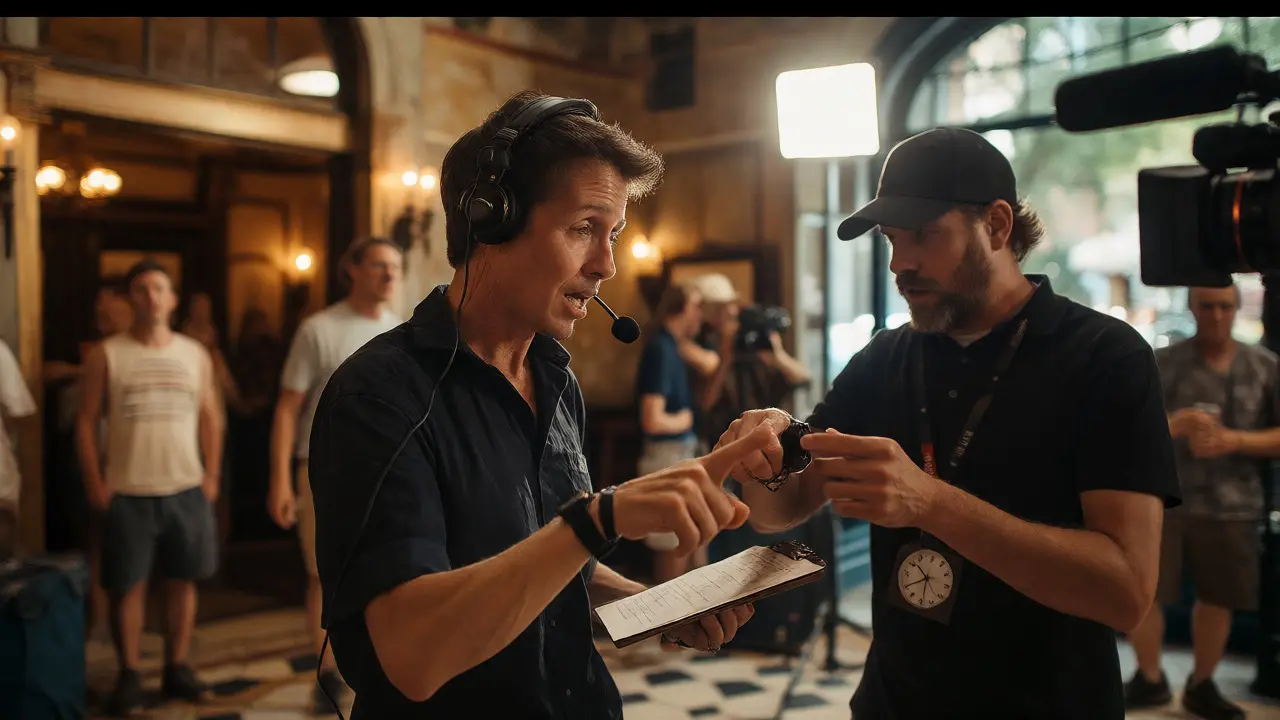
You can hire the best scheduler in the world, but if your First Assistant Director doesn’t know how to manage the floor, your schedule dies. The 1st AD is the person who translates the paper schedule into reality on set.
They run the day. They call times. They tell the camera department how long they have for setup. They monitor the clock. If a shot is taking too long, they decide whether to cut it, simplify it, or push the rest of the day back. This decision-making pressure is intense. One wrong call can cascade into a late wrap, which means overtime for 50+ people.
Good 1st ADs work closely with schedulers before production starts. They review the schedule for "red flags." For instance, if you have a complex stunt sequence scheduled for the last hour of a Friday night shoot, that’s a red flag. Fatigue leads to mistakes, and mistakes lead to delays. A good AD will flag this and suggest moving it to a Monday morning slot when everyone is fresh.
Common Pitfalls That Break Schedules
Even with meticulous planning, things go wrong. Here are the top three killers of film schedules, based on industry data and anecdotal evidence from independent producers:
- Weather Dependencies: Outdoor shoots are at the mercy of the sky. If you schedule rain-dependent scenes without buffer days, one storm can derail your week. Always build in "weather cover"-indoor scenes you can swap in if it rains.
- Cast Conflicts: Actors often juggle multiple projects. If a supporting actor gets booked for another gig unexpectedly, you might lose access to them for key scenes. Contracts should specify hold periods, but life happens.
- Technical Failures: Camera glitches, drone crashes, or sound issues eat up hours. If you don’t account for troubleshooting time in your estimates, you’ll fall behind fast.
Notice a pattern? These aren’t creative problems. They’re logistical ones. That’s why the schedule must be flexible. Rigid schedules shatter; adaptive ones bend.
Tools of the Trade: Software and Methodology
Gone are the days of manual stripboards pinned to corkboards (though some old-school folks still swear by them). Today, digital tools dominate. Programs like Movie Magic Scheduling, StudioBinder, and Final Draft integrate directly with screenwriting software. When you change a scene number in the script, it updates automatically in the schedule.
These platforms allow for "what-if" scenarios. Want to see what happens if you combine Day 4 and Day 5? Click a button. The software recalculates total pages per day, estimated shooting time, and potential overtime risks. It’s not magic-it’s math-but it saves hundreds of hours of manual recalculation.
| Feature | Movie Magic Scheduling | StudioBinder | Final Draft + Excel |
|---|---|---|---|
| Cost | High (Subscription) | Moderate (Tiered) | Low (One-time/License) |
| Collaboration | Limited | Strong (Cloud-based) | Poor (Manual Sharing) |
| Integration | Best with Scriptware | All-in-one Platform | Basic |
| Learning Curve | Steep | Moderate | Easy |
For small teams, StudioBinder’s cloud interface is often the winner because everyone sees updates in real-time. No more emailing PDFs back and forth. For large studio productions, Movie Magic remains the gold standard due to its robust reporting features and compatibility with legacy systems.
How Schedules Impact Budget and Creative Choices
This is where theory meets practice. A tight schedule forces creative compromises. You might love a sweeping crane shot, but if you only have 30 minutes left in the day, you grab a handheld steadicam instead. Or maybe you cut a line of dialogue because it would take too many setups to get the reaction shot right.
Conversely, a well-structured schedule frees up creativity. If you know exactly how much time you have for each setup, you can experiment within those bounds. Directors who trust their schedule can focus on performance rather than panic. They know they have time to get the take they want, so they relax. That relaxation shows on screen.
Budget-wise, every hour lost is money burned. Let’s do the math. Say your crew costs $5,000 per hour (wages, rentals, insurance). If you lose two hours due to poor planning, that’s $10,000 gone. Multiply that across a 30-day shoot, and minor inefficiencies become major overruns. Conversely, efficient scheduling can save 10-15% of the total production budget. That’s enough to hire a better composer or upgrade your lens package.

Real-World Example: The "Magic Hour" Challenge
Let’s look at a specific constraint: Magic Hour. That brief window after sunset or before sunrise when the light is soft and cinematic. Many directors crave this look. But it lasts only 20-30 minutes.
If you schedule a complex dialogue scene for Magic Hour, you’re gambling. What if the actors miss their marks? What if the camera battery dies? What if there’s traffic noise ruining the audio?
Smart schedulers treat Magic Hour scenes differently. They isolate them. They block the area tightly. They rehearse extensively beforehand. And crucially, they schedule backup coverage for daytime. If you miss the golden light, you still have usable footage. This dual-planning approach adds complexity to the schedule but protects the final product.
Checklist for Building a Resilient Schedule
Before you lock your dates, run through this checklist. If you check all boxes, you’re likely in good shape.
- Script Lock: Is the script finalized? Changes after locking destroy schedules.
- Location Scouting Complete: Have you secured permits and confirmed access dates?
- Cast Availability Verified: Do you have written confirmation of dates for all principal actors?
- Buffer Days Included: Have you added at least one flex day per week?
- Turnaround Times Met: Are you respecting legal rest periods between shifts?
- Contingency Plan Ready: Do you have indoor alternatives for outdoor scenes?
Skipping any of these steps invites chaos. Don’t skip them.
Conclusion: The Schedule Is a Living Document
A film production schedule isn’t static. It evolves daily. On set, priorities shift. An actor might nail a take in one attempt, freeing up time for another scene. A prop might arrive late, forcing a reshuffle. The best schedules anticipate this fluidity.
Understanding how these schedules work empowers you. As a producer, you can spot unrealistic timelines early. As a director, you can advocate for necessary time without seeming difficult. As a crew member, you understand why you’re being rushed-or why you’re waiting.
Ultimately, a good schedule respects everyone’s time and talent. It turns chaos into art. And in an industry where failure is common and success is rare, that structure is your best friend.
What is the difference between a shooting schedule and a post-production schedule?
A shooting schedule covers the active filming period, detailing daily activities, locations, and cast needs. A post-production schedule outlines the editing, visual effects, sound design, and color grading phases that occur after filming wraps. While the shooting schedule focuses on logistics and physical constraints, the post-production schedule focuses on creative refinement and technical delivery deadlines.
How many pages can typically be shot in one day?
The general rule of thumb is 3-5 pages per day for standard narrative films. However, this varies wildly based on complexity. Action sequences, stunts, or scenes with many extras may yield less than one page per day. Simple dialogue scenes in a single location might allow for 6-8 pages. High-end commercials or music videos might shoot only a fraction of a page but spend all day on it.
Who creates the initial film production schedule?
The Line Producer or Production Manager usually creates the first draft, often working with a dedicated Scheduler. They use the breakdown sheets provided by the script supervisor or assistant directors. The First Assistant Director (1st AD) then reviews and refines this draft for feasibility on set, ensuring it aligns with practical shooting realities.
What happens if a film goes over schedule?
Going over schedule increases costs significantly due to overtime pay, extended location rentals, and additional crew fees. Producers may need to secure completion bonds or inject more capital. In extreme cases, scenes might be cut entirely to finish on time, potentially affecting the story’s coherence. Insurance policies often have clauses regarding schedule adherence, which can impact claims.
Can a production schedule be changed after filming starts?
Yes, and it frequently is. Daily adjustments are common based on weather, actor health, or technical issues. Major changes require communication with all departments to adjust equipment rentals, catering orders, and transportation. However, drastic changes late in the shoot can cause logistical nightmares and financial penalties, so flexibility decreases as production progresses.