Walk into any major electronics store today, and you might be surprised by the number of shelves still dedicated to Blu-ray discs. While streaming dominates our screens, the home entertainment economy has quietly diversified into a three-legged stool: physical media, permanent digital purchases, and flexible rental services. For consumers trying to maximize value, understanding how these three models interact is no longer just a niche hobby-it’s a smart financial decision.
The Resilience of Physical Media
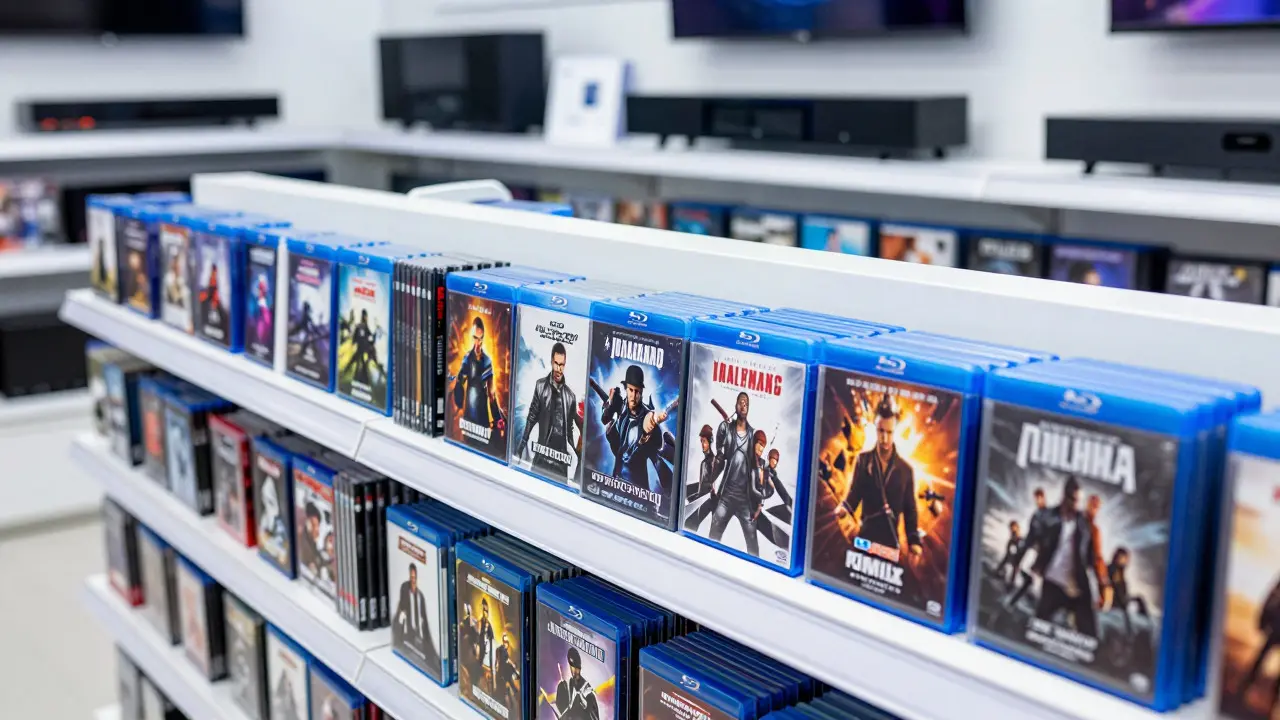
Many assumed that physical media would vanish by the mid-2020s. Instead, it stabilized. In 2025, the North American home video market saw a slight uptick in revenue, driven largely by collector editions and premium releases. Why? Because for cinephiles, a disc isn’t just storage; it’s an object. It includes behind-the-scenes features, commentaries, and high-fidelity audio tracks that often get stripped from streaming versions.
Blu-ray remains the standard for this format, offering up to 1080p resolution with robust audio support like Dolby Atmos on newer titles. The average price for a new release hovers around $24.99, but limited editions can easily hit $50-$100. If you buy a movie once and watch it five times, the cost per view drops significantly compared to paying monthly subscription fees or repeated rental charges. However, the upfront cost is higher than renting, making it a strategy best suited for fans who plan to rewatch content frequently.
Digital Ownership: The Permanent Library
On the other end of the spectrum is digital ownership. Platforms like Amazon Prime Video, Apple TV, and Vudu (now merged into Fandango at Home) sell movies outright. Unlike subscriptions, where your library disappears if you cancel, owned files remain accessible as long as the platform exists. This permanence is a key selling point, especially for families with young children who consume the same cartoons repeatedly.
Prices for digital purchases typically range from $9.99 for standard definition (SD) to $19.99 for high definition (HD) and $24.99 for 4K Ultra HD. Frequent sales events, such as Black Friday or summer promotions, can drop these prices by 30-50%. The trade-off here is compatibility. You are locked into specific ecosystems. An Apple TV purchase doesn’t always sync seamlessly with a Samsung Smart TV, even though both use similar underlying technologies. Users must manage multiple accounts across different devices, which adds friction to the viewing experience.
Rentals: The Flexible Middle Ground
For most casual viewers, video rentals remain the most economical choice. Services like Netflix Instant Video, YouTube Movies, and Disney+ offer 48-hour rental windows for prices between $3.99 and $5.99. This low barrier to entry allows users to test new releases without committing to a full purchase. If a movie disappoints, the loss is minimal. If it delights, you can upgrade to a permanent purchase later.
Physical rental stores have shrunk dramatically, but they haven’t disappeared entirely. Local shops in areas with strong community ties still operate, offering a tangible alternative to digital queues. These stores often have lower overhead costs than national chains, allowing them to survive on volume rather than margins. For those who prefer the tactile experience of handling a case, this remains a viable, albeit smaller, segment of the market.
Comparing the Three Models
To make an informed decision, it helps to look at the numbers side-by-side. The table below breaks down the key economic factors for each method:
| Method | Average Cost Per Title | Access Duration | Key Benefit | Main Drawback |
|---|---|---|---|---|
| Blu-ray Disc | $24.99 - $100+ | Permanent | High-quality extras, collectible value | Requires hardware, upfront cost |
| Digital Purchase | $9.99 - $24.99 | Permanent (Platform-dependent) | Convenience, instant access | Ecosystem lock-in, variable quality |
| Digital Rental | $3.99 - $5.99 | 48 Hours | Lowest initial cost, flexibility | Time-limited, recurring expense |
Strategic Buying Tips for 2026
You don’t have to pick just one strategy. A hybrid approach often yields the best results. Here is a practical framework to consider:
- For Blockbusters: Wait 3-6 months after theatrical release. Prices for digital rentals drop, and physical copies enter the “mid-tier” price range ($12-$15).
- For Classics: Buy physical copies. They hold their value better and rarely go out of print, unlike some digital titles that disappear from storefronts due to licensing disputes.
- For Niche Films: Check local rental stores first. If unavailable, rent digitally. Only purchase if you anticipate watching it more than twice.
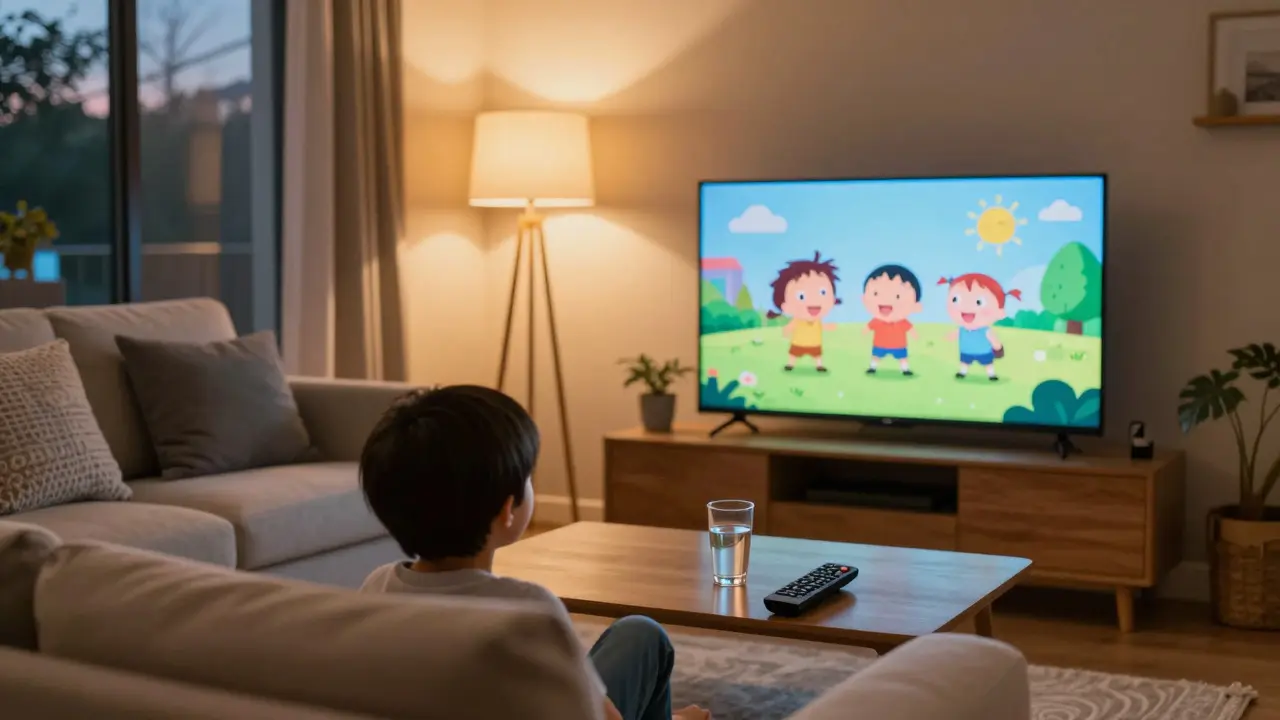
- For Family Content: Digital ownership is usually superior. Kids rewatch shows constantly, making the one-time fee far cheaper than repeated rentals.
The Role of Streaming Subscriptions
While not explicitly part of the sales model discussed above, streaming subscriptions heavily influence consumer behavior. Many users treat subscriptions as a discovery tool. They find a movie they love on a service like Max or Peacock, then decide whether to keep it in their permanent library via purchase or let it go. This “try before you buy” dynamic keeps the rental and purchase markets healthy. Without subscriptions acting as a filter, consumers might hesitate to buy or rent unknown titles, slowing down overall market turnover.
Frequently Asked Questions
Is Blu-ray worth buying in 2026?
Yes, if you value high-fidelity audio, bonus features, and physical collection. For casual viewers who only care about the main feature, digital options are more convenient and often cheaper.
What is the difference between digital ownership and streaming?
Digital ownership means you buy the file permanently. You can watch it anytime, anywhere, as long as the platform exists. Streaming requires a monthly fee, and titles rotate in and out of the catalog based on licensing deals.
Which is cheaper: renting or buying digital?
Renting is cheaper for one-time views. Buying becomes cheaper if you watch the title more than two or three times, depending on the price difference between the two options.
Do digital purchases expire?
Generally, no. Once purchased, the file is yours. However, if the platform shuts down or changes its terms of service, access could theoretically be affected, though this is rare.
Where can I still rent physical DVDs or Blu-rays?
Local independent video stores, some libraries, and niche online retailers still offer physical rentals. Major chain stores have largely closed, but the local market persists in many urban and suburban areas.