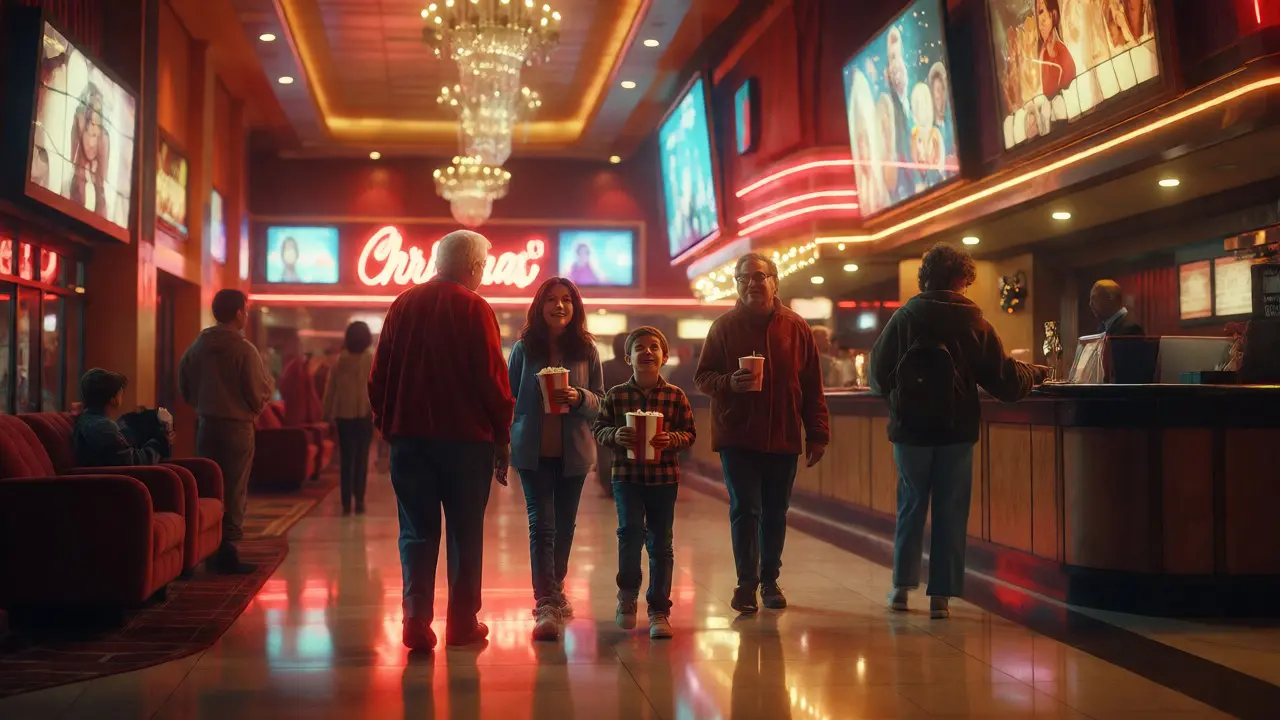
Think about the last time you bought a movie ticket in late December. Did you pick it because of a critic’s rave review? Or did you just want something to do with your family while the kids were out of school? If it was the latter, you’ve already grasped the core mechanic of the Holiday Release Strategy: it’s less about artistic merit and more about capturing captive audiences during specific calendar windows.
Studios spend millions on advertising, but timing is often the invisible hand guiding billions in revenue. The difference between a flop and a blockbuster can sometimes be as simple as whether a film hits theaters three days before Christmas or two weeks after. This isn’t magic; it’s data-driven scheduling designed to exploit human behavior patterns when people have free time, disposable income, and a desire for shared experiences.
The Psychology Behind Holiday Moviegoing
Why do certain dates dominate the box office charts year after year? It comes down to availability and social obligation. During standard workweeks, going to the movies requires planning. You need childcare, transportation, and a block of uninterrupted time. But during holidays, those barriers vanish. School breaks create a massive surge in potential viewers who are bored and looking for entertainment. Family gatherings create a demand for "safe" content that multiple generations can enjoy together without awkward silences.
This creates what industry insiders call attendance windows-periods where the cost of acquiring a viewer drops significantly because the audience is already primed to go out. When you align a film’s release with these psychological states, you aren’t just selling tickets; you’re selling an activity. That’s why animated features and broad comedies tend to cluster around Thanksgiving and Christmas. They fit the social contract of the holiday.
Anatomy of the Major Holiday Windows
Not all holidays are created equal. While every long weekend offers some bump, four distinct periods drive the bulk of annual box office revenue. Understanding the nuance of each window is critical for any distributor trying to maximize returns.
| Window | Typical Dates | |
|---|---|---|
| Thanksgiving Weekend | Late November (Wednesday-Sunday) | Family-friendly, high volume, short duration. Best for animation and light comedies. |
| Christmas/New Year | Dec 25 - Jan 1 | Peak spending power. High competition. Suits prestige dramas and major franchises. |
| Presidents’ Day | Third Monday in February | Post-holiday slump breaker. Good for mid-budget action or horror if counter-programming. |
| Memorial Day/Labor Day | Late May / Early September | Summer kickoff or pre-fall transition. Ideal for youth-oriented films and event cinema. |
The Thanksgiving window is surprisingly lucrative despite being shorter than the Christmas break. Why? Because families are already together. There’s no logistical friction. A studio releasing a new Pixar style animated feature here knows they have a built-in audience of parents needing a break from cooking duties. Conversely, the Christmas window is crowded. Everyone wants a piece of this pie, which means marketing costs skyrocket. You’re fighting against established brands like Star Wars or Avatar. If you don’t have a massive marketing budget, getting lost in the noise is a real risk.
Strategic Timing: The Three-Day Rule
Here’s a rule of thumb many distributors follow: never open on a Friday if you can avoid it during peak holidays. Wait until Wednesday or Thursday. Why does this matter? Word-of-mouth travels fast now. If you open on Christmas Eve, you lose the crucial two-day period where early adopters generate buzz on social media. By opening earlier, you allow positive reviews and word-of-mouth to ferment before the actual holiday rush begins.
Consider the case of Top Gun: Maverick. It didn’t open on a traditional summer Friday. It opened on Memorial Day weekend, leveraging the patriotic sentiment and the long weekend structure. It earned $124 million in its opening five days. Compare that to a standard Friday launch, which might cap at $70-80 million due to lower initial awareness. The extra two days allowed the hype machine to reach saturation before the general public rushed in.
But there’s a flip side. Opening too early can cannibalize your own audience. If you release a family film on Black Friday, you might steal sales from other family films still playing. Distributors use complex algorithms to model these overlaps, balancing the risk of saturation against the reward of first-mover advantage.

Counter-Programming: Finding the Gaps
What happens when everyone else is chasing the same holiday crowd? Smart studios look for gaps. This is called counter-programming. If three big superhero movies are dropping in July, a studio might push a gritty thriller or a romantic comedy into a holiday slot that seems less obvious. For instance, horror films have found surprising success during Valentine’s Day or even Easter weekends. These are traditionally "romantic" or "family" holidays, but teens and young adults often seek alternatives to date-night dinners or church services.
A notable example is the Blumhouse strategy. They often target smaller holiday windows with low-budget horror films. Their film Happy Death Day opened in October, capitalizing on Halloween proximity but avoiding the direct clash with major blockbusters. The result? A modest budget turned into a solid profit because the audience had nowhere else to go for that specific genre fix.
You have to ask yourself: What is the audience feeling during this specific holiday? Are they festive? Melancholy? Restless? Matching the tone of the film to the mood of the holiday increases conversion rates. A sad drama might struggle during the exuberant energy of New Year’s Eve but thrive during the reflective quiet of Thanksgiving afternoon.
The Impact of Streaming and Hybrid Releases
The landscape has shifted since 2020. The strict theatrical-only window is dead. Now, streaming platforms like Netflix and Amazon Prime compete directly for holiday attention spans. This changes the calculus. Do you release a film theatrically to capture the premium ticket price, or do you drop it on streaming to capture the couch-bound audience?
Data suggests that hybrid models work best for mid-tier films. Releasing a film in limited theaters during a holiday window builds prestige and awards buzz, then pushing it to streaming shortly after captures the wider audience who missed the theater run. However, for tentpole blockbusters, the theatrical experience remains king. People pay for the spectacle of IMAX screens and Dolby Atmos sound. They won’t get that at home. So, for huge budgets, keeping the exclusive theatrical window during a major holiday maximizes per-screen averages.
One pitfall to avoid is releasing a small indie film on streaming during Christmas. Your content gets buried under algorithmic recommendations for holiday classics like Home Alone or Elf. If you go digital, aim for post-holiday lulls when people are tired of repetitive holiday playlists and want something new.

Marketing Tactics for Holiday Windows
Your marketing needs to speak the language of the holiday. Generic trailers don’t cut it anymore. Successful campaigns integrate with holiday traditions. Think about how Coca-Cola uses Christmas ads. Movie studios mimic this by creating spot segments that feel like part of the holiday broadcast schedule rather than interruptions.
- Social Proof: Leverage influencer partnerships who are already doing holiday activities. Have them watch the film as part of their "holiday tradition" vlog.
- Bundling: Partner with retailers. Buy a toy, get a discount on the movie ticket. This works exceptionally well for animated films targeting kids.
- Urgency: Emphasize the "event" nature. Use phrases like "Only in theaters this week" to combat the FOMO (Fear Of Missing Out) associated with limited-time releases.
Also, consider geographic nuances. In the United States, weather plays a role. Snowstorms can kill foot traffic in the Northeast but boost it in the South. Regional marketing adjustments can save thousands in wasted ad spend. Don’t blast national TV spots if your film only opens in ten cities. Target local markets aggressively during the final two weeks before release.
Common Mistakes to Avoid
Even seasoned distributors stumble. The most common error is assuming a bigger holiday equals bigger profits. Not always. If you release a niche documentary during Christmas, you’ll drown. Another mistake is ignoring the "legs" of a film. Some movies have great openings but terrible drops. Holiday films need strong legs because the audience visits once, not repeatedly. If word-of-mouth is weak, you lose money quickly. Test screenings become vital. If audiences hate the ending, change it before the holiday rush. You don’t have time for fixes later.
Finally, don’t underestimate the power of nostalgia. Remakes and sequels perform disproportionately well during holidays because they tap into collective memory. Parents take kids to see The Lion King remake because they grew up with it. Original stories face an uphill battle unless they have massive star power or viral marketing hooks.
Why is Thanksgiving considered a better window for family films than Christmas?
Thanksgiving offers a concentrated burst of family time with less competition from major franchise blockbusters compared to Christmas. Families are already gathered and looking for shared activities, reducing the barrier to entry for moviegoing. Additionally, the shorter window encourages faster decision-making and higher urgency to see the film before returning to routine.
How do streaming platforms affect holiday theatrical releases?
Streaming platforms provide immediate alternatives to theatrical viewing, fragmenting the audience. To compete, theatrical releases must offer superior technical experiences (IMAX, 3D) or event-based appeal. Studios often use hybrid strategies, releasing in theaters for prestige and then moving to streaming quickly to capture audiences who prefer convenience over spectacle.
What is counter-programming in film distribution?
Counter-programming involves releasing a film in a genre or tone that contrasts with the dominant offerings during a specific holiday window. For example, releasing a horror film during a holiday dominated by family comedies allows it to capture an underserved demographic, such as teenagers or adults seeking non-family entertainment.
Does opening day matter more than opening weekend?
For holiday releases, opening day matters significantly because it sets the trajectory for word-of-mouth. An early Wednesday or Thursday opening allows studios to gauge audience reaction and adjust marketing tactics before the peak Friday/Saturday rush. Strong opening day numbers signal quality to undecided viewers, driving higher weekend totals.
Which holidays are least effective for box office performance?
Holidays with significant travel components, such as Independence Day or Labor Day, often see mixed results. While attendance spikes locally, overall national box office may dip because large portions of the population are traveling away from urban centers where multiplexes are located. Additionally, extreme weather events associated with certain seasons can suppress turnout.







Comments(9)