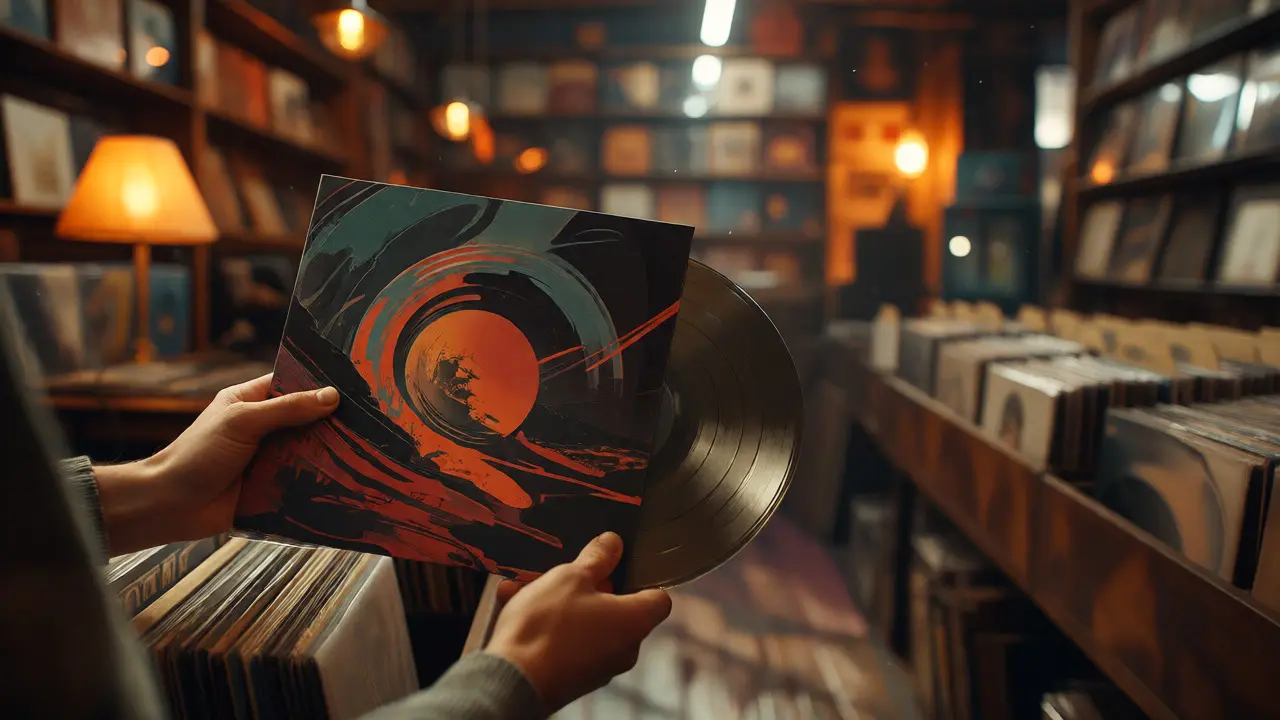
Remember the last time you bought a physical album? Maybe it was for a movie. For decades, movie soundtracks were just background noise-cheap CDs sold at checkout counters, often containing only one or two popular songs and a bunch of filler. But something shifted. Today, a film score isn't just an accessory to the picture; it's a standalone product with its own brand identity, fanbase, and revenue stream. We're seeing composers like Hans Zimmer sell out arenas not because they're playing movie clips, but because their music stands on its own merits.
This isn't just about nostalgia. It's a fundamental change in how we consume audio. The line between "film music" and "popular music" has blurred to the point of disappearance. Why does this matter? Because understanding this shift helps us see where media money is going, why certain movies feel more "important," and how artists are building careers that don't rely on Hollywood's whims. Let's look at how scores became hit albums, and what that means for the future of entertainment.
The Evolution from Background Noise to Mainstream Star
For most of the 20th century, film scores were strictly functional. They existed to support the narrative, guide emotions, and fill silence. You didn't buy John Williams' work for *Jaws* because you wanted to listen to it while cooking dinner; you went to the theater to hear it in context. The soundtrack album was a secondary market, often licensed poorly and marketed weakly. That changed in the late 1970s and early 1980s with the rise of blockbuster culture and MTV.
When *Saturday Night Fever* dropped in 1977, the Bee Gees weren't just providing a backdrop; they were the main event. The album outsold the movie tickets in cultural impact. This proved that music could drive a film's success, not just accompany it. By the 1990s, directors like Quentin Tarantino started treating pop songs as characters. His use of surf rock in *Pulp Fiction* revived Dick Dale's career and turned obscure tracks into hits. This era marked the beginning of the "curated soundtrack," where the selection of existing songs became a marketing tool as powerful as the trailer.
But the real revolution happened when original scores started charting. Before the 2010s, it was rare for an instrumental track to break into the Billboard Hot 100. Then came Ludwig Göransson’s work on *Black Panther*. He blended traditional African instruments with modern hip-hop production, creating an album that debuted at number one. Suddenly, a score wasn't just for cinephiles; it was for everyone who liked good beats. This paved the way for the current landscape, where streaming platforms treat film music as a primary genre, not a niche category.
Why Streaming Changed the Game for Composers
Streaming services like Spotify and Apple Music have democratized access to music, but they've also changed listening habits. People no longer listen to albums front-to-back; they create playlists based on mood. "Focus Music," "Epic Cinematic," and "Study Beats" are some of the most popular playlist categories globally. Guess who dominates those lists? Film composers.
This shift benefits composers in two ways. First, it creates passive income. A track from *Interstellar* might get millions of streams annually because people use it for studying or working, long after the movie left theaters. Second, it builds a direct connection with fans. Composers can now release singles and EPs without waiting for a film release date. They can experiment, collaborate with pop stars, and build a personal brand. Take Max Richter. His album *Sleep* is an eight-hour composition designed specifically for sleeping. It’s not tied to a specific movie, yet it leverages his reputation from film work to reach a massive audience. This is the new model: the composer as an artist first, and a filmmaker second.
The data backs this up. According to recent industry reports, classical and cinematic genres have seen double-digit growth in streaming shares over the past five years, driven largely by film-related content. Users aren't just looking for the theme song; they're exploring the entire catalog of a composer. If you like the tension in a thriller, you'll likely explore other works by that same composer. This cross-pollination turns casual viewers into dedicated listeners.
Case Studies: Scores That Outlived Their Movies
To understand how this works in practice, let's look at three distinct examples of scores that became products in their own right. Each illustrates a different strategy for turning film music into commercial success.
| Film Score | Composer | Commercial Strategy | Long-Term Impact |
|---|---|---|---|
| Guardians of the Galaxy | Various Artists (Curated) | Nostalgia Marketing: Releasing classic 70s hits created an instant emotional hook. | Revitalized interest in 70s rock; established "playlist-as-character" trend. |
| Dune | Hans Zimmer | Sonic Branding: Created unique, alien soundscape that defined the film's identity. | Concert tours and vinyl sales; influenced subsequent sci-fi sound design. |
| Everything Everywhere All At Once | Son Lux | Indie Credibility: Blended electronic experimentation with emotional resonance. | Brought underground electronic music to mainstream awards attention. |
The *Guardians of the Galaxy* approach is pure curation. Director James Gunn didn't commission a traditional score; he picked songs he loved. The result was a compilation album that felt like a mixtape from a cool friend. It worked because it tapped into shared memories. People bought the album because they already knew half the songs, and they wanted to discover the rest. It proved that licensing existing music could be cheaper and more effective than hiring an orchestra.
In contrast, Hans Zimmer’s work on *Dune* was about invention. He built custom instruments and recorded unconventional sounds to create a world that felt ancient and futuristic simultaneously. The score didn't just support the visuals; it defined them. Fans bought the vinyl not just to remember the movie, but to experience the texture of the sound. This highlights the value of originality in a saturated market. When the music is unique enough, it becomes a collectible.
Son Lux’s work on *Everything Everywhere All At Once* represents the indie crossover. By blending glitchy electronic elements with heartfelt piano, they created a score that appealed to both film buffs and club kids. It showed that you don't need a massive budget to make a score that resonates commercially. Authenticity and distinctiveness are now more valuable than polish.
The Economics of the Modern Soundtrack
How do studios monetize this? Traditionally, soundtrack royalties were a small slice of the pie. Now, they're a significant revenue driver. Vinyl records have made a huge comeback, particularly among younger demographics who value tangible ownership. Limited edition colored vinyl pressings of popular scores often sell out within hours of announcement. This scarcity drives demand and allows labels to charge premium prices.
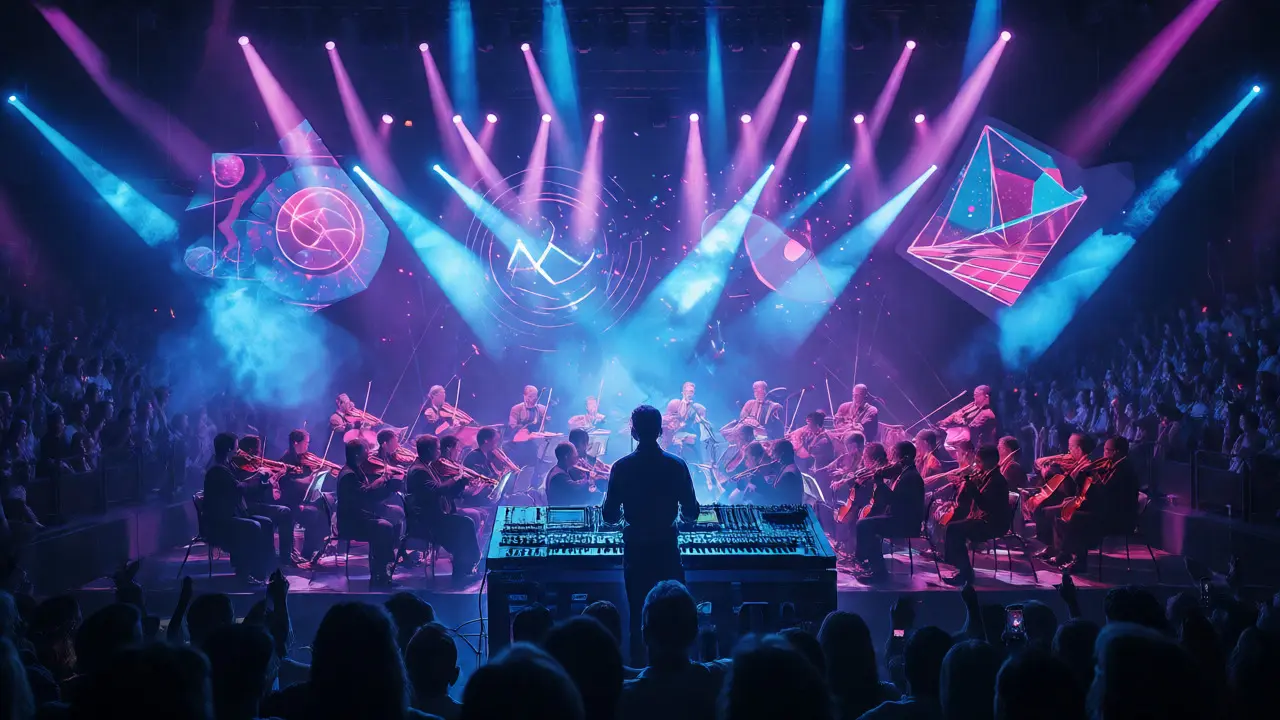
Live performances are another major factor. Concerts featuring live orchestras playing film scores alongside visual projections have become a lucrative touring circuit. These events attract audiences who might never attend a traditional symphony concert. By packaging film music as an immersive experience, promoters tap into the "event economy." Tickets are priced similarly to pop concerts, reflecting the perceived value of the IP attached to the music.
Sync licensing fees have also skyrocketed. Brands want the emotional weight of a famous score in their commercials. Using a recognizable theme from a beloved franchise can instantly transfer goodwill from the film to the product. This creates a feedback loop: the more a score is used in ads, the more familiar it becomes, which increases its streaming numbers, which makes it more desirable for sync deals.
Pitfalls and Challenges for Composers
It's not all gold mines and platinum plaques. The pressure to create a "hit" score can stifle creativity. Directors sometimes want temp love-the tendency to fall in love with the placeholder music used during editing-and expect the final score to mimic it exactly. This leads to derivative work that lacks soul.
Additionally, the sheer volume of content released today means competition is fierce. With hundreds of films and series releasing every year, standing out requires more than just good melodies. Composers need strong digital marketing strategies. They need social media presence, engaging behind-the-scenes content, and collaborations that expand their reach beyond the film community.
Another challenge is copyright complexity. In the streaming era, splitting royalties between publishers, labels, and performers can be messy. Independent composers often struggle to retain master rights, meaning they see less profit from their biggest hits. Understanding these business mechanics is now as important as musical talent for many professionals in the field.
Key Takeaways for Creators and Fans
- Listen Beyond the Credits: Explore full scores, not just the main theme. Deep cuts often reveal the composer's true style.
- Support Physical Media: Buying vinyl supports artists more directly than streaming and preserves high-quality audio experiences.
- Follow Composers, Not Just Films: Track your favorite composers across different projects. You'll discover consistent quality regardless of the movie's reception.
- Understand Curation: Recognize when a soundtrack is curated vs. composed. Both have value, but they serve different purposes.
The era of the disposable soundtrack is over. Music is now a central pillar of film marketing and consumption. Whether you're a filmmaker looking to boost engagement or a listener seeking new favorites, recognizing the power of the score opens up a richer appreciation of cinema. The next big hit might not come from a radio station-it might come from a theater screen, echoing in your headphones long after the lights come up.
Do film scores still generate significant revenue?
Yes, through multiple channels including streaming royalties, vinyl sales, sync licensing for commercials, and live concert tours. Major franchises can generate millions annually from their audio assets alone.
What is the difference between a soundtrack and a score?
A soundtrack typically refers to a collection of pre-existing songs licensed for a film, while a score is original instrumental music composed specifically for the movie. However, the terms are often used interchangeably in casual conversation.
Why are vinyl records popular again for movie music?
Vinyl offers a tangible connection to the art form, higher fidelity audio, and collectible aesthetics. Fans enjoy owning limited editions and experiencing the ritual of playing a record, which enhances their engagement with the film's atmosphere.
Can a bad movie still have a great score?
Absolutely. Sometimes a mediocre film features an exceptional score that elevates individual scenes. In fact, some scores gain cult followings precisely because they saved otherwise forgettable movies, becoming more memorable than the plot itself.
How do streaming algorithms affect film music discovery?
Algorithms recommend similar moods and tempos. If you listen to epic cinematic tracks, platforms will suggest other film scores with similar instrumentation. This helps obscure scores find audiences who share specific aesthetic preferences rather than relying solely on movie popularity.




Comments(8)