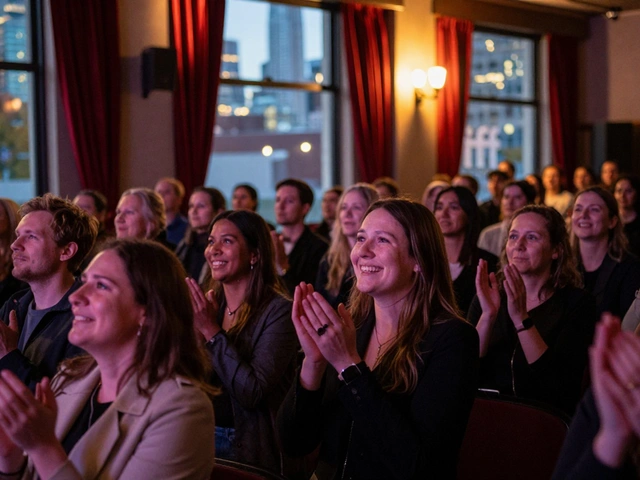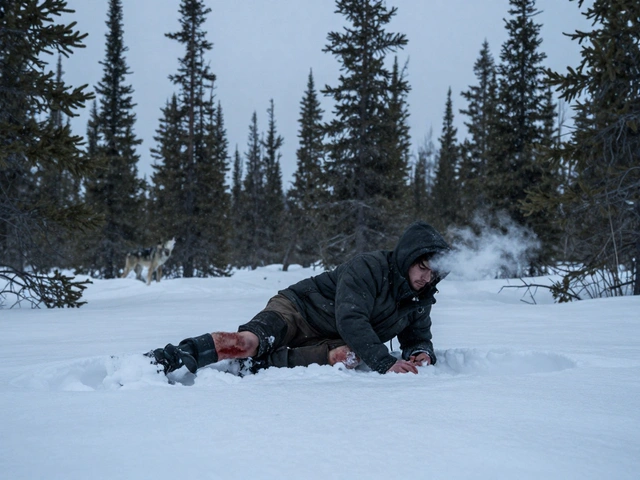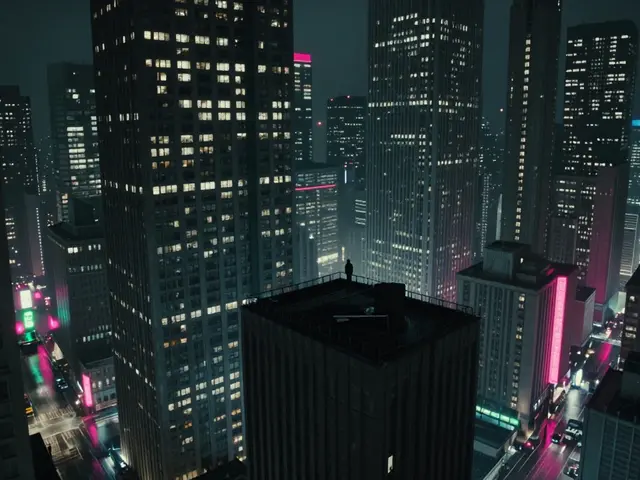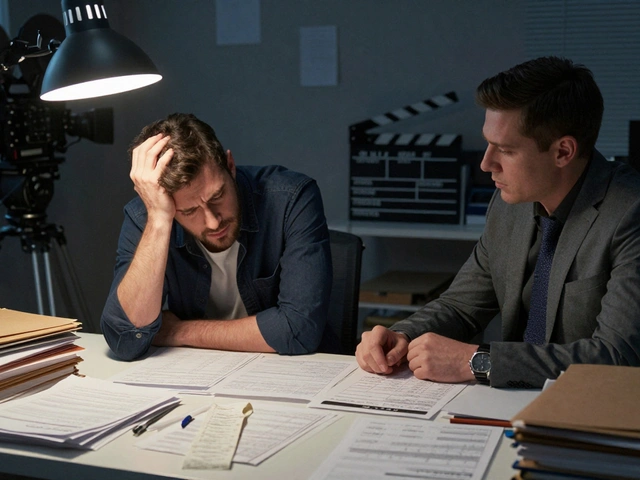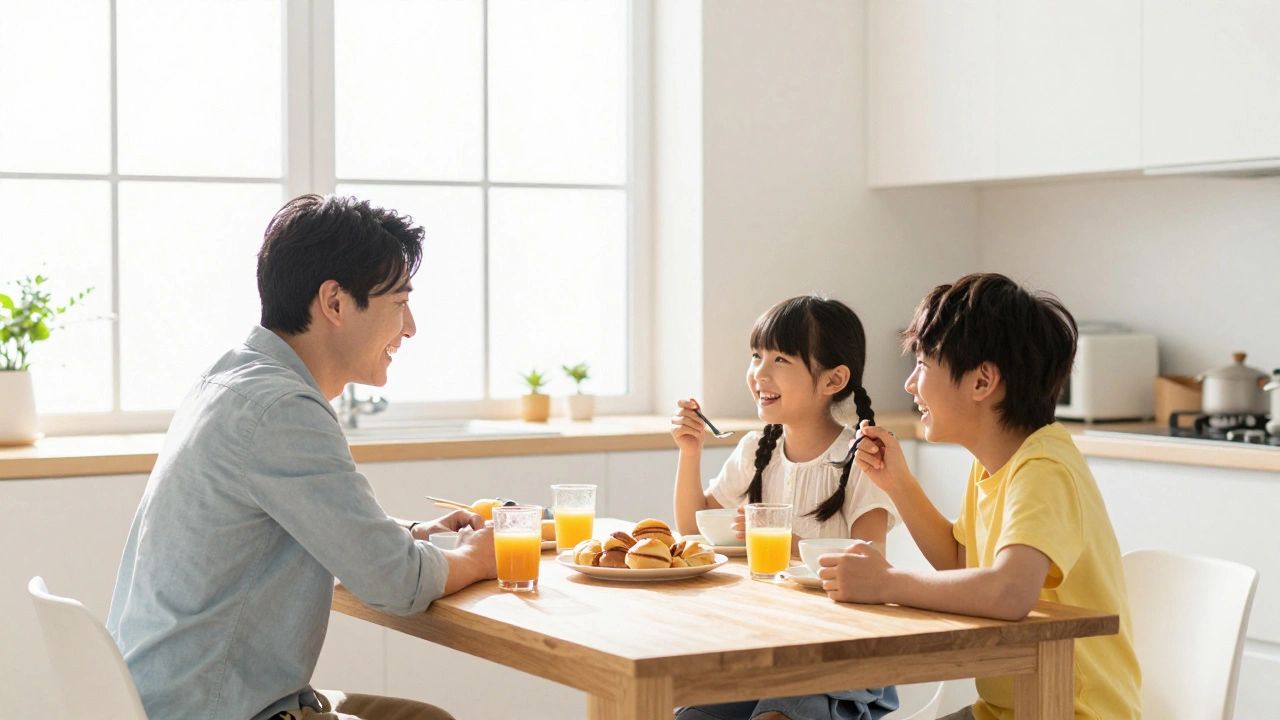
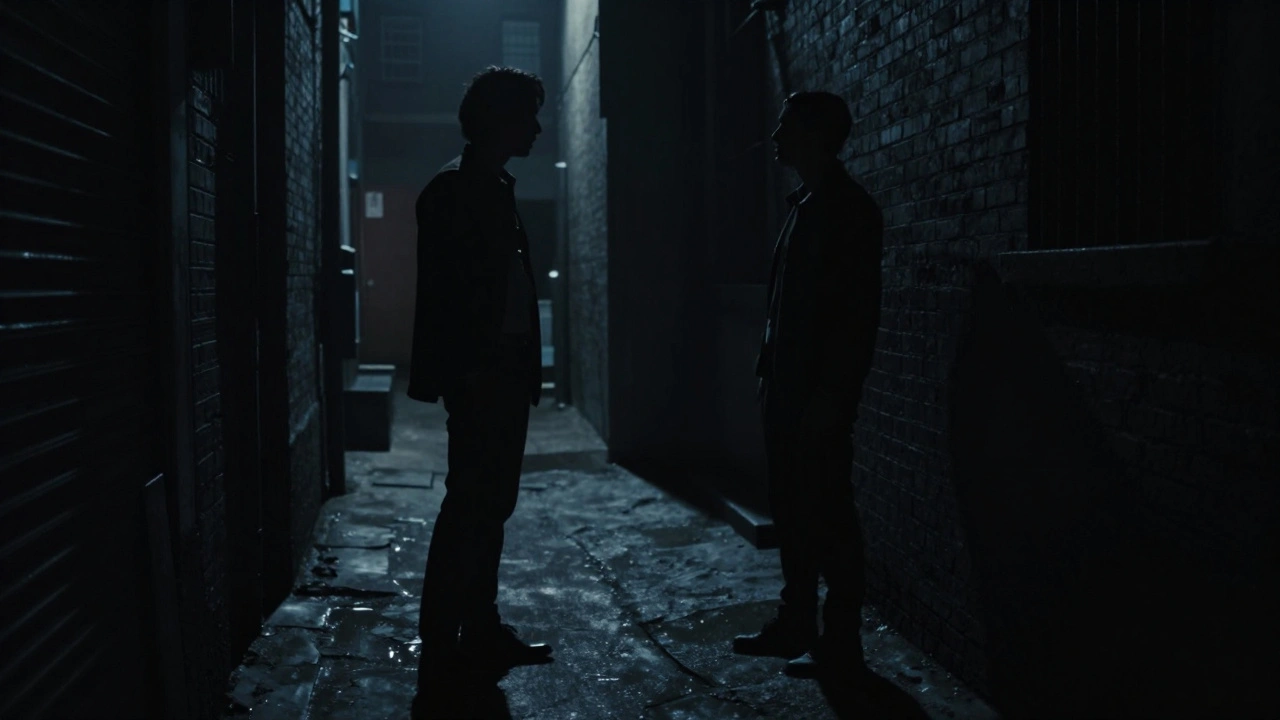
Imagine two scenes playing out simultaneously. In one, a bright kitchen bathed in soft sunlight where a family laughs over breakfast. Everything is clear, cheerful, and open. In the other, a dimly lit alleyway where shadows swallow half the frame, and only a sliver of light reveals a nervous glance between strangers. The difference isn't just in the story-it's in the lighting.
Lighting is not merely about making subjects visible. It is the primary tool directors and cinematographers use to manipulate emotion, guide attention, and establish the psychological atmosphere of a scene. When you understand the distinction between high-key lighting and low-key lighting, you unlock the ability to read-and create-the unspoken language of cinema.
The Psychology of Light: Why We Feel What We See
Before diving into technical setups, it helps to understand why these lighting styles affect us so deeply. Human vision evolved in natural environments where high contrast often signaled danger or mystery (nighttime, dense forests), while even illumination signaled safety and openness (daylight). Cinematography taps directly into this biological wiring.
High-key lighting creates a sense of security, clarity, and optimism. By minimizing shadows and maintaining an even distribution of light across the frame, it removes visual ambiguity. Your brain doesn't have to work hard to interpret what’s happening because everything is exposed clearly. This makes it ideal for genres that rely on transparency and humor.
Conversely, low-key lighting introduces uncertainty. Deep shadows hide details, forcing the viewer’s eye to search for information. This triggers a subtle alertness-a primal response to the unknown. That’s why noir films, thrillers, and horror movies lean heavily on this style. The darkness isn’t empty; it’s full of potential threat.
High-Key Lighting: Clarity and Cheerfulness
High-key lighting is characterized by its lack of deep shadows. The goal is to keep the entire scene brightly lit, with minimal contrast between the brightest and darkest areas. Technically, this means using multiple light sources to fill in shadow areas, ensuring that even the background remains well-exposed.
- Key Characteristics: Bright backgrounds, soft transitions, minimal contrast ratios (often 2:1 or lower).
- Common Genres: Romantic comedies, sitcoms, musicals, and daytime television.
- Emotional Impact: Optimism, innocence, honesty, and lightheartedness.
Think of classic Hollywood musicals like *Singin' in the Rain*. The characters are always fully visible, their expressions clear, and the world around them feels inviting. Even when conflict arises, the lighting suggests resolution is possible because nothing is hidden. Modern examples include most Marvel superhero films during daylight sequences-everything is crisp, colorful, and energetic.
To achieve this look, cinematographers often use large diffusion panels, reflectors, and multiple soft lights placed strategically around the set. The aim is to eliminate harsh edges and create a seamless glow. White walls and light-colored costumes also help bounce light back into the scene, reinforcing the airy aesthetic.
Low-Key Lighting: Mystery and Drama
If high-key lighting opens doors, low-key lighting locks them. This style emphasizes contrast, with large portions of the image falling into deep shadow. The ratio between highlights and shadows can be extreme-sometimes 8:1 or higher-creating a dramatic separation between light and dark.
- Key Characteristics: High contrast, deep blacks, selective illumination, chiaroscuro effects.
- Common Genres: Film noir, thrillers, horror, crime dramas, and psychological suspense.
- Emotional Impact: Tension, fear, moral ambiguity, and introspection.
Film noir defined this approach in the 1940s and 50s. Movies like *The Third Man* or *Shadow of a Doubt* used venetian blind patterns and stark side-lighting to fracture characters’ faces, symbolizing inner turmoil or dual personalities. Today, directors like Denis Villeneuve (*Sicario*) and Jordan Peele (*Get Out*) use low-key techniques to build dread without relying on jump scares. The audience feels uneasy because they literally cannot see everything.
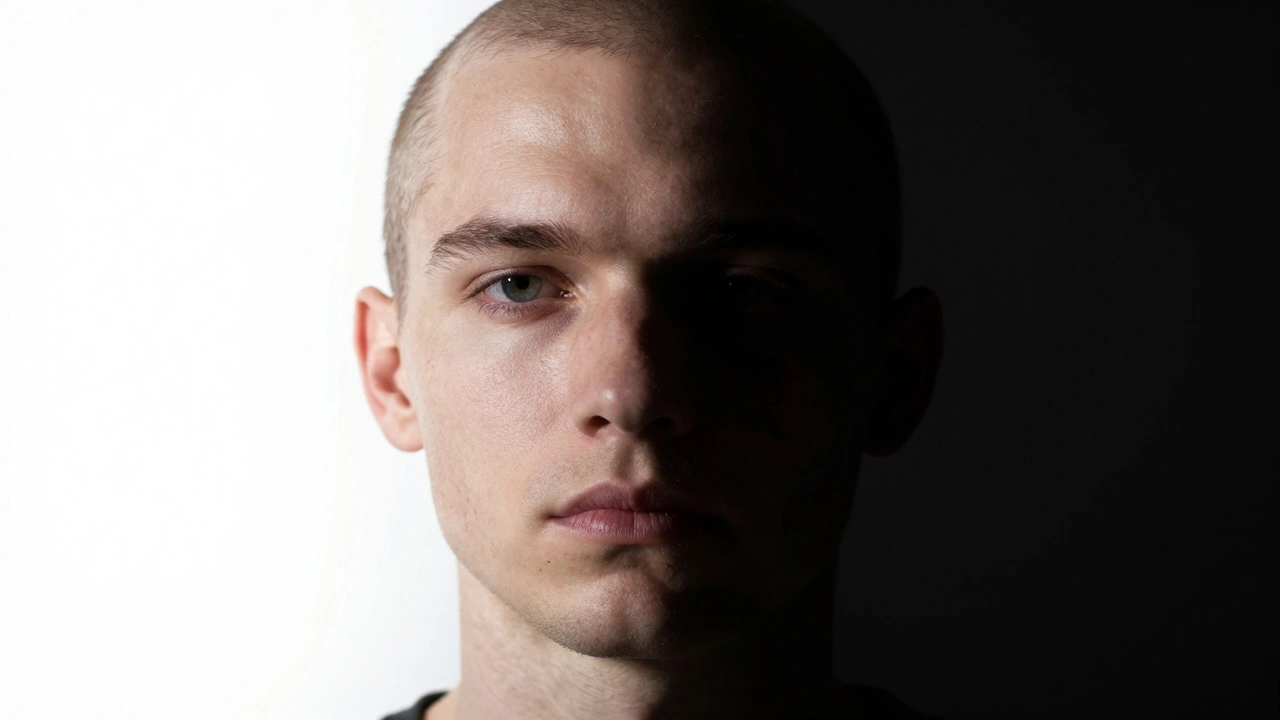
Achieving effective low-key lighting requires precision. You don’t just turn off lights-you control where they go. A single key light might illuminate only one side of a face, leaving the other in complete darkness. Backgrounds are often underlit or blacked out entirely to prevent distraction. Gels, flags, and barn doors become essential tools for shaping beams narrowly and precisely.
Technical Breakdown: Contrast Ratios and Equipment
Understanding the mechanics behind these styles helps you replicate them effectively. At the core is the concept of contrast ratio, which measures the difference in brightness between the subject’s highlight and shadow areas.
| Attribute | High-Key Lighting | Low-Key Lighting |
|---|---|---|
| Contrast Ratio | Low (1:1 to 3:1) | High (4:1 to 16:1+) |
| Shadow Presence | Minimal or filled | Prominent and deep |
| Background Exposure | Bright and detailed | Dark or obscured |
| Primary Light Source | Soft, diffused, multi-directional | Hard, directional, focused |
| Typical Color Palette | Vibrant, pastel, warm | Muted, desaturated, cool |
In practice, achieving high-key lighting involves adding fill lights to reduce shadows cast by the key light. Reflectors are commonly used to bounce ambient light back onto darker areas. For low-key lighting, you do the opposite: remove fill lights, increase the distance between the key light and subject, and use negative fill (black flags) to absorb stray light and deepen shadows.
Camera settings also play a role. High-key scenes often require neutral density filters to prevent overexposure when shooting outdoors in bright conditions. Low-key scenes may demand higher ISO settings or wider apertures to capture detail in limited light, though modern sensors handle this better than ever.
Narrative Function: Matching Light to Story
The most crucial aspect of choosing between high-key and low-key lighting is narrative alignment. Lighting should never contradict the story unless intentional irony is desired. If your protagonist is discovering truth and hope, bright lighting reinforces that journey. If they’re descending into paranoia or guilt, shadows mirror their internal state.
Consider Alfred Hitchcock’s *Psycho*. During the infamous shower scene, the lighting shifts rapidly from normal domestic brightness to chaotic strobe-like flashes. This transition mirrors the sudden violence and loss of control. Meanwhile, in Wes Anderson’s *The Grand Budapest Hotel*, every frame is meticulously balanced with symmetrical compositions and evenly distributed light, reflecting the character’s obsession with order and nostalgia.
Even within a single film, lighting can evolve to show character development. A detective starting fresh might begin in well-lit environments, but as the case grows darker, so does the palette. This gradual shift prepares the audience emotionally before any dialogue confirms the change.
Hybrid Approaches: Breaking the Binary
While high-key and low-key represent two ends of a spectrum, many contemporary filmmakers blend elements of both. This hybrid approach allows for nuanced emotional tones that pure extremes cannot convey.
For instance, a romantic drama might use generally high-key lighting to maintain warmth, but introduce localized low-key moments during arguments or secrets revealed. These pockets of shadow create intimacy and tension without abandoning the overall tone. Similarly, action films often start with bright, heroic lighting but descend into gritty, high-contrast visuals during climactic battles.
This flexibility reflects modern audiences’ expectations for complexity. People rarely experience life in purely happy or purely tragic terms. Blending lighting styles acknowledges that reality-and compelling storytelling-is layered.
Practical Tips for Aspiring Cinematographers
If you’re experimenting with lighting at home or on small productions, here are actionable steps to master these techniques:
- Start with Natural Light: Observe how sunlight changes throughout the day. Midday sun creates harder shadows (leaning toward low-key), while overcast days provide softer, more even illumination (closer to high-key).
- Use Household Items: White sheets make excellent diffusers for softening harsh lamps. Black trash bags serve as simple flags to block unwanted light.
- Experiment with Angles: Move your light source closer to the camera axis for flatter, high-key results. Shift it to the side or above for more dramatic, low-key shadows.
- Analyze Films Actively: Watch scenes twice-once for plot, once solely for lighting. Note how shadows fall, where highlights appear, and how colors interact with light intensity.
- Test Camera Settings: Learn your camera’s dynamic range. Pushing exposure too far in either direction can lose detail permanently, especially in shadows.
Remember, lighting is iterative. Few perfect shots come from first attempts. Adjust, observe, refine. Each adjustment teaches you something new about how light shapes perception.
Conclusion: Lighting as Emotional Architecture
High-key and low-key lighting are not just technical choices-they are architectural decisions about the emotional space your audience inhabits. One builds open rooms where trust thrives; the other constructs labyrinthine corridors where doubt lurks. Mastering both gives you the power to shape not just what viewers see, but how they feel.
Next time you watch a film, pay attention to the unseen hand guiding your gaze. Is the world safe and clear? Or dangerous and obscure? The answer lies in the light-and now, so does your ability to craft it.
What is the main difference between high-key and low-key lighting?
The main difference lies in contrast and shadow presence. High-key lighting minimizes shadows and uses even illumination to create a bright, optimistic mood. Low-key lighting emphasizes deep shadows and high contrast to evoke mystery, tension, or drama.
Which lighting style is best for interviews?
High-key lighting is generally preferred for interviews because it ensures facial features are clearly visible and conveys openness and honesty. However, some documentary-style interviews use moderate low-key lighting to add depth and seriousness depending on the topic.
Can I mix high-key and low-key lighting in one scene?
Yes, blending both styles is common in modern filmmaking. You might use high-key lighting for general ambiance while introducing low-key elements in specific areas to highlight conflict or secrecy. This hybrid approach adds nuance and realism to complex narratives.
How does color temperature affect high-key vs. low-key lighting?
Color temperature works alongside contrast levels. High-key lighting often pairs with warmer, brighter tones (around 5600K daylight) to enhance cheerfulness. Low-key lighting frequently uses cooler, bluer tones (3200K-4000K) to amplify coldness and isolation, though exceptions exist based on creative intent.
What equipment do I need to try low-key lighting at home?
You don’t need expensive gear. Start with a single strong LED lamp or flashlight as your key light. Use black cardboard or fabric to block ambient light and deepen shadows. Position the light at a sharp angle to your subject to maximize contrast. A smartphone camera with manual controls lets you test exposure adjustments easily.