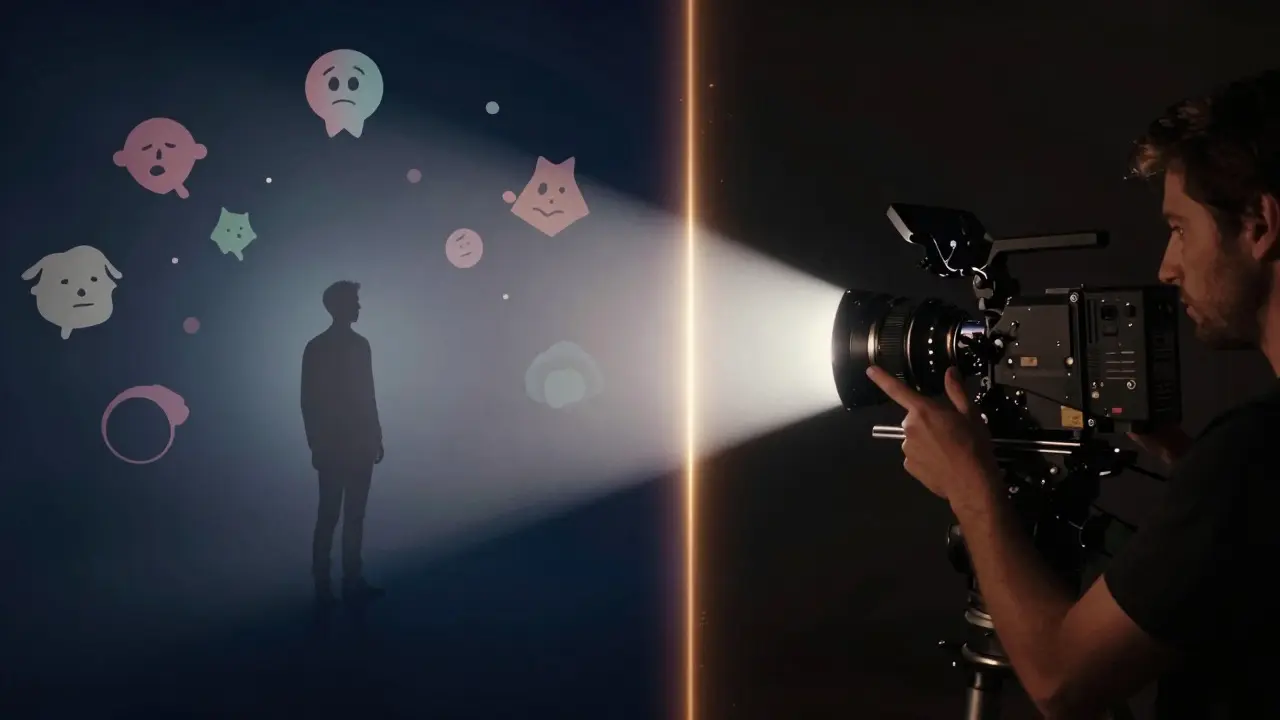
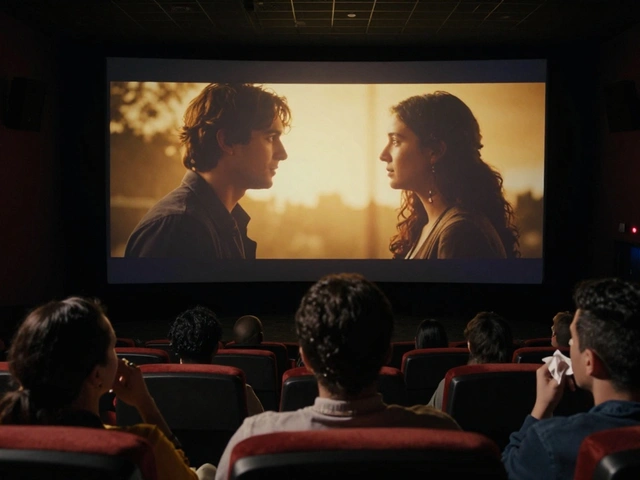
Ever wonder why some movies feel like a painting while others look like a video game cutscene? It rarely comes down to just the script or the actors. It’s about the invisible handshake between two people: the Director is the visionary who defines the narrative arc and emotional tone of the film and the Cinematographer (or DP) is the technical artist who translates that vision into light, shadow, and movement. When this partnership clicks, the audience forgets they are watching a constructed image. When it fails, the movie feels disjointed, no matter how good the dialogue is.
This isn't just about who holds the camera. It's a complex negotiation of power, aesthetics, and logistics that happens long before the first take. Understanding this dynamic reveals how modern cinema achieves its immersive quality. It also explains why certain directors only work with specific DPs, creating distinct visual signatures that audiences recognize instantly.
The Core Dynamic: Vision vs. Execution
At its heart, the relationship is a translation process. The director speaks in abstract concepts-"make it feel lonely," "show the chaos of the city," "reveal the character's guilt." The cinematographer speaks in concrete tools-lens focal lengths, shutter angles, color temperature, and lighting ratios. The friction between these two languages is where the magic happens, but it can also cause disasters if not managed well.
A strong partnership begins with mutual respect for roles. The director must trust the DP to solve visual problems without micromanaging every frame. Conversely, the DP must understand that their artistic choices serve the story, not just their own portfolio. This balance is critical because both roles require high-level creative decision-making. If one person dominates, the film suffers from either a lack of cohesion (too much director control) or a lack of narrative focus (too much stylistic self-indulgence).
Pre-Production: Where the Real Work Happens
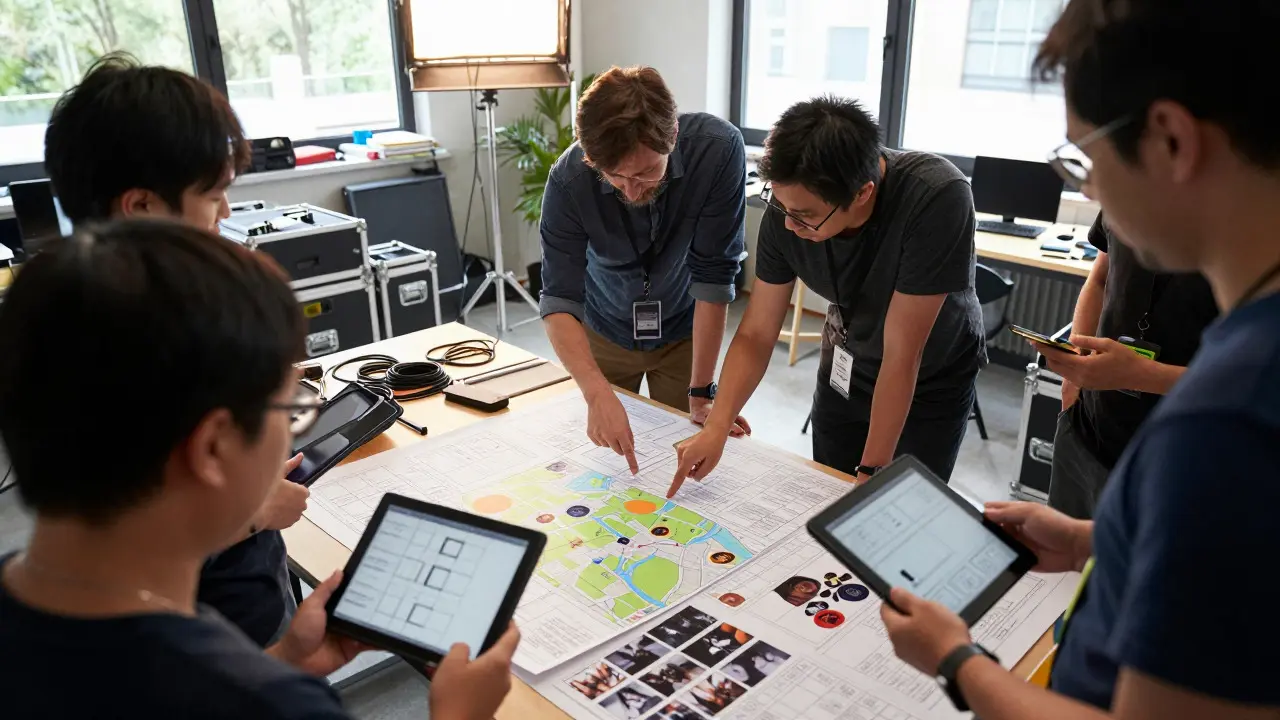
Most people think the relationship is forged on set, but the foundation is laid during pre-production. This phase involves weeks of collaboration on storyboards, location scouting, and shot lists. Here, the director and DP align on the film's visual grammar.
- Visual References: They share mood boards, paintings, and stills from other films. For example, a director might show a DP a photograph by Annie Leibovitz to discuss soft, diffused lighting, or a frame from *Blade Runner* to talk about neon-noir aesthetics.
- Lens Selection: The choice of lenses dictates the depth of field and distortion. A wide-angle lens can make a room feel claustrophobic; a telephoto lens can compress space and isolate a subject. This decision is made jointly based on the emotional beat of each scene.
- Lighting Strategy: Natural light versus artificial light sets the pace and budget constraints. Working with natural light requires flexibility in scheduling, while artificial light offers total control over mood.
If this stage is skipped or rushed, you end up with a mismatch between what the director wants and what the camera captures. You’ve likely seen films where the lighting feels flat despite a dramatic script-that’s usually a sign of poor pre-production alignment.
On-Set Dynamics: Communication and Trust
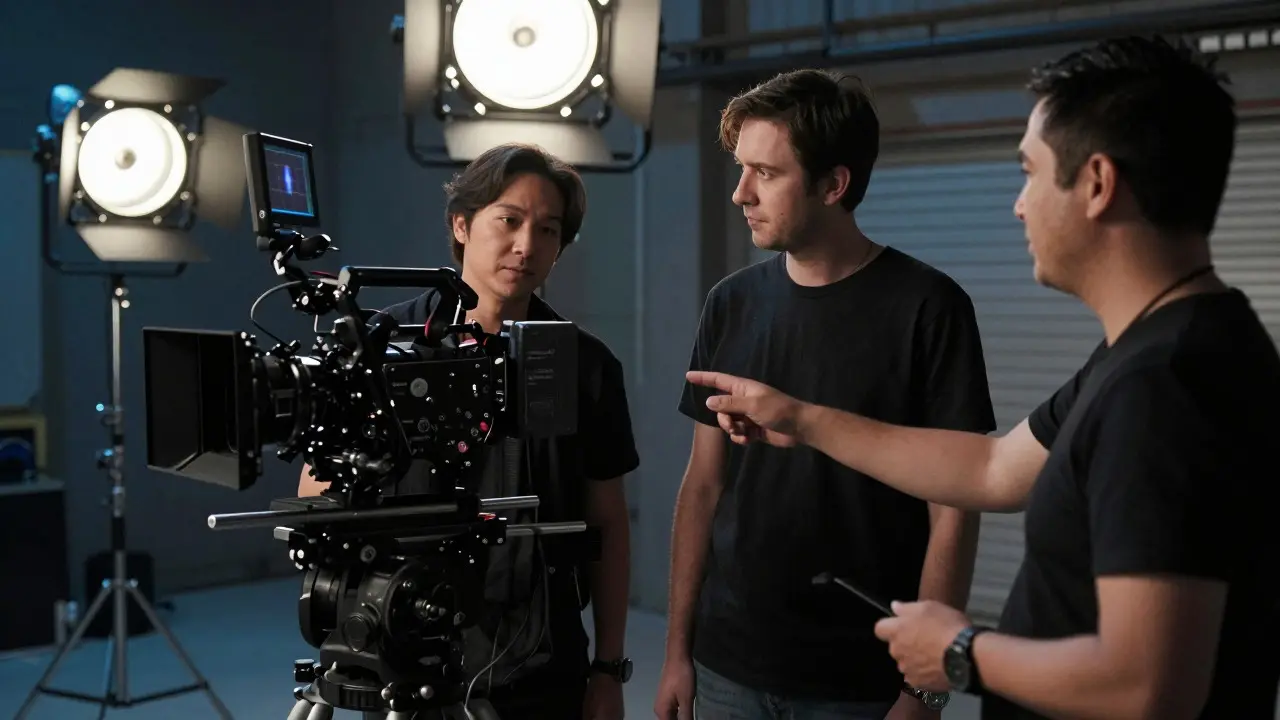
On set, the environment is high-pressure. Time is money, and egos can clash. The director calls "Action," but the DP controls the camera operator, the gaffer (lighting head), and the focus puller. This creates a mini-hierarchy within the crew that must operate seamlessly under the director’s broader command.
Effective communication here is non-verbal as much as verbal. A nod from the director to the DP might mean "keep the camera moving," while a subtle shift in body language could signal "hold that shot longer." This shorthand develops over time. That’s why veteran directors often stick with the same DPs for multiple projects. The shared history reduces miscommunication and speeds up decision-making.
Consider the partnership between Christopher Nolan and a renowned British filmmaker known for practical effects and large-format photography, and his frequent collaborator Hoyte van Hoytema is a Dutch cinematographer known for using IMAX cameras and practical locations. Their collaboration on films like *Oppenheimer* required precise coordination between massive camera rigs and tight schedules. Van Hoytema’s ability to adapt quickly to Nolan’s demanding vision allowed them to capture intricate details in real-time, rather than relying heavily on digital effects.
Key Elements of a Successful Partnership
What separates a good team from a great one? It’s not just talent; it’s how they handle conflict and creativity. Here are the core components that define a healthy director-DP relationship:
| Quality | Weak Partnership | Strong Partnership |
|---|---|---|
| Communication | Micromanagement or silence | Open dialogue with clear feedback loops |
| Creative Control | One person dominates all decisions | Shared ownership of visual style |
| Problem Solving | Blame-shifting when things go wrong | Collaborative troubleshooting on the fly |
| Adaptability | Rigid adherence to plan regardless of conditions | Flexible adjustments to weather/lighting |
Notice that "Creative Control" is listed as shared ownership. This is crucial. The director owns the story, but the DP owns the image. When they respect this boundary, the film gains coherence. When they blur it, the film loses focus.
Case Studies in Collaboration
Looking at specific examples helps illustrate different partnership models. Not all successful partnerships look the same. Some are collaborative equals; others are hierarchical but effective.
Wes Anderson and Robert Yeoman: This duo is famous for their symmetrical compositions and pastel color palettes. Anderson provides the rigid aesthetic blueprint, and Yeoman executes it with precision. Their partnership is highly structured, relying on detailed pre-visualization. The result is a consistent visual identity across films like *The Grand Budapest Hotel* and *Asteroid City*. This shows that a strong partnership can be very controlled and planned.
David Fincher and Jeff Cronenweth: Fincher is known for his meticulous editing and cold, blue-toned visuals. Cronenweth brings a gritty, realistic texture to those tones. Their work on *Gone Girl* and *Mank* demonstrates a partnership built on tension. Fincher pushes for perfection, and Cronenweth finds the most compelling way to achieve it. This model works because both parties have a deep understanding of the genre conventions they are subverting.
Emerging Directors and New DPs: For newer filmmakers, the relationship is often experimental. They may not have established styles yet, so they explore together. This can lead to breakthrough visuals that defy traditional expectations. The risk is higher, but the reward is a unique voice that stands out in a crowded market.
Common Pitfalls to Avoid
Even experienced professionals can stumble. Here are the most common issues that derail a director-DP relationship:
- Ego Clashes: If both parties view themselves as the sole creative genius, compromise becomes impossible. The film ends up feeling schizophrenic, with scenes that don’t match in tone or style.
- Lack of Technical Knowledge: A director who doesn’t understand basic camera mechanics may make unrealistic requests. For example, asking for a shallow depth of field in low light without adding more light sources. This leads to frustration and wasted time.
- Poor Pre-Visualization: Jumping onto set without clear references forces the DP to guess. Guesswork is expensive in film production. Every minute spent figuring out a shot is a minute lost in potential coverage.
- Ignoring the Audience: Sometimes, directors and DPs get so caught up in their artistic vision that they forget clarity. If the viewer can’t follow the action or understand the emotion, the visual style has failed its primary purpose.
How Technology Shapes the Relationship
Technology acts as both a bridge and a barrier. Digital cameras, drones, and virtual production tools have expanded the possibilities for visual storytelling. However, they also introduce new layers of complexity that require deeper collaboration.
Virtual production, for instance, allows directors to see background environments in real-time behind LED walls. This means the DP must adjust lighting and exposure not just for the actors, but for the digital backdrop. This level of integration requires constant communication between the director, DP, and VFX supervisor. The traditional separation between "set" and "post-production" blurs, making the director-DP bond even more critical.
Additionally, high-resolution sensors (like 8K or 12K) capture every detail. This removes the safety net of hiding imperfections in post-production. The DP must ensure perfect focus and lighting from the start, because there’s less room for error. This raises the stakes for the partnership, as mistakes become more visible and harder to fix later.
Building Your Own Partnership
If you’re entering the industry, whether as a director or a DP, how do you build this kind of trust? Start early. Don’t wait until your first major feature to test the waters. Work on short films, student projects, or music videos together. These low-stakes environments allow you to learn each other’s working styles without the pressure of a million-dollar budget.
Ask each other hard questions during pre-production. "Why did you choose that lens?" "What does this lighting setup tell us about the character?" These questions force both parties to articulate their intentions clearly. Over time, you’ll develop a shared vocabulary. You’ll know when the other person is struggling and when they’re confident. That intuition is invaluable on set.
Finally, be generous with credit. In an industry that thrives on individual fame, acknowledging the partner’s contribution builds loyalty. A director who praises their DP publicly attracts better talent. A DP who supports their director’s vision ensures future collaborations. It’s a cycle of mutual respect that fuels better work.
Who has the final say on camera shots?
Technically, the director has the final authority on all creative decisions, including camera placement. However, in practice, the DP proposes the best technical solution to achieve the director's intent. If the DP believes a shot won't work technically, they advise the director, but the director can override it. The healthiest relationships involve the director trusting the DP's expertise to avoid costly mistakes.
Can a director and DP work together without prior experience?
Yes, but it requires extra time for pre-production. Without established shorthand, they need to spend more time on storyboards, tests, and discussions to align their visions. Many successful films debut this way, but the risk of miscommunication is higher. It’s crucial to schedule buffer days for testing equipment and lighting setups.
What is the difference between a DP and a Camera Operator?
The Cinematographer (DP) is responsible for the overall visual look of the film, including lighting design, lens selection, and composition strategy. The Camera Operator physically moves the camera and focuses the lens. While small productions might combine these roles, larger films separate them to allow the DP to oversee the entire lighting and exposure strategy while the operator handles the mechanical execution.
How does the budget affect the director-DP relationship?
Budget constraints force creative compromises. A low budget might limit lighting options or lens availability, requiring the DP to be more inventive with natural light or existing equipment. The director must be flexible with their vision to accommodate these limitations. A strong partnership turns constraints into creative opportunities, finding unique ways to express the story within financial boundaries.
Do directors always prefer the same DP?
Many top directors do, such as Martin Scorsese with Rodrigo Prieto or Quentin Tarantino with Robert Richardson (historically). This continuity ensures a consistent visual style and efficient workflow. However, some directors change DPs to bring fresh perspectives or to suit the specific needs of a particular project. There is no single rule, but consistency often leads to stronger results for established auteurs.



Comments(10)