Imagine you have a finished film. It’s good. Maybe it’s great. But without the right marketing mix, it might vanish into the digital void or sit in a dark theater with empty seats. For independent filmmakers, the choice between grassroots efforts and mass media campaigns isn’t just about budget; it’s about survival. You aren't fighting against Hollywood studios with billions in ad spend. You are fighting for attention in a saturated market where audiences scroll past content faster than you can say "cut."
The landscape of film distribution has shifted dramatically. In the past, a theatrical run was the only real goal. Today, the path is fragmented. You need to understand who your specific audience is and where they actually hang out. Are they on social media? Do they read niche blogs? Do they attend local screenings? This article breaks down how to blend these approaches so your film doesn’t just exist, but thrives.
Understanding the Two Sides of the Coin
Grassroots Marketing is a bottom-up approach that relies on community engagement, word-of-mouth, and direct relationships with potential viewers. It feels personal. It’s about handshakes, email lists, and passionate fans who share your work because they believe in it. On the other side, Mass Media is a top-down strategy using broad-reach channels like television ads, national print, and large-scale digital campaigns to reach a wide, often undefined audience.
For an indie release, pure mass media is usually a trap. Why? Because if you don’t have a clear target, you’re shouting into the wind. A $50,000 TV spot might reach millions, but if only 100 of them care about your specific genre, you’ve wasted money. Grassroots, however, can be expensive in time but cheap in cash. It requires you to show up, talk to people, and build trust. The sweet spot? A hybrid model where you use grassroots to build a core fanbase and mass media tactics to amplify that voice when the moment is right.
Why Pure Strategies Fail Indie Films
Let’s look at why sticking to one lane rarely works. If you rely solely on Social Media Algorithms, you are at the mercy of platforms that change their rules overnight. One day, your video gets 10,000 views; the next, it gets 100. There is no guaranteed ROI. Conversely, if you rely only on traditional press kits sent to major newspapers, you’ll likely hear silence. Big outlets are flooded with submissions and tend to ignore films without existing star power or festival buzz.
The failure mode here is a lack of conversion. Awareness is easy; getting someone to buy a ticket or stream the film is hard. Grassroots builds the intent. Mass media builds the scale. Without intent, scale is noise. Without scale, intent stays local. Your job is to bridge that gap. You need to create a narrative that feels exclusive enough for fans to share, but polished enough for critics to take seriously.
Building the Grassroots Engine
Start with the people who already know you. Your cast, crew, and friends are your first ambassadors. But don’t stop there. Identify micro-communities related to your film’s themes. If you made a documentary about urban gardening, find local gardening clubs, sustainability groups, and city council meetings. Show up. Don’t sell; connect. Ask questions. Listen. When you finally mention the film, it lands differently because there is a relationship.
Email remains the king of direct ownership. Social media feeds are rented land; your email list is owned land. Start collecting emails early. Offer something valuable in exchange-behind-the-scenes footage, a free script excerpt, or a chance to win a poster. When you launch, you have a warm list ready to receive the news. This creates the initial spike in engagement that algorithms love to notice.
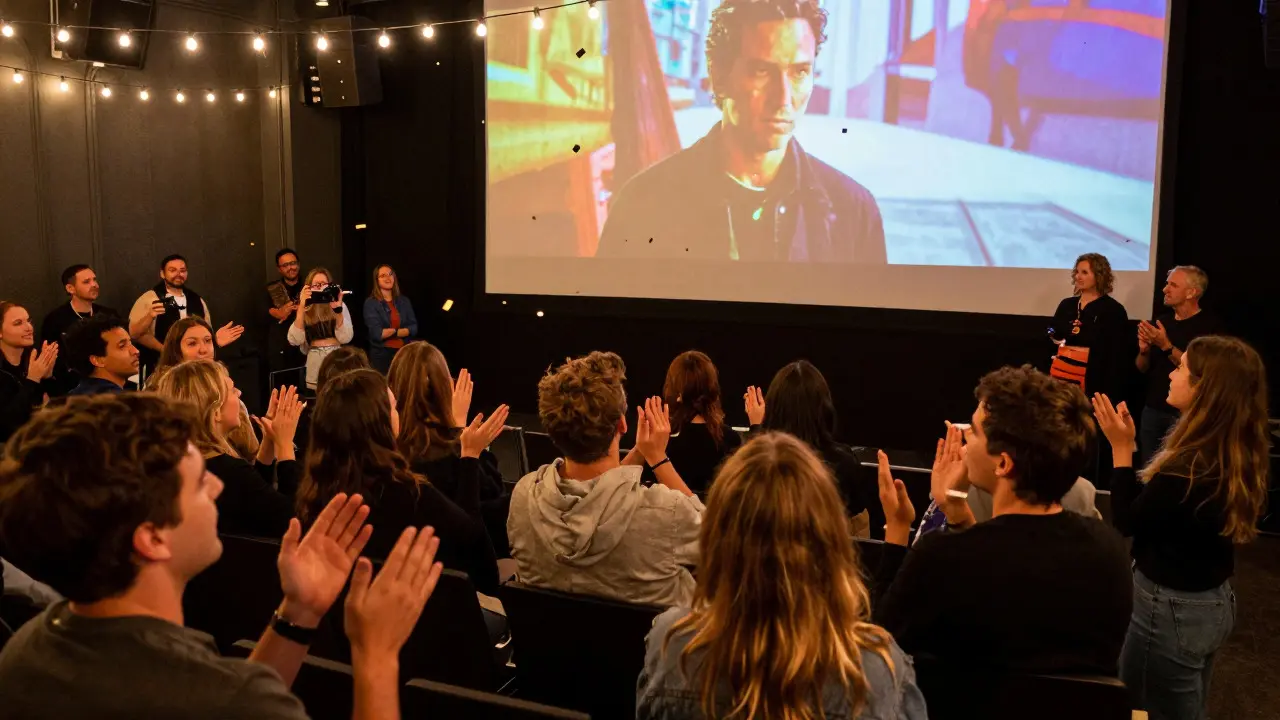
- Local Screenings: Host Q&A sessions with local influencers or community leaders. Make it an event, not just a movie.
- User-Generated Content: Encourage fans to post their reactions. Repost everything. This signals social proof to strangers.
- Niche Press: Target blogs and podcasts that cover your specific genre, not just general film reviews.

Strategic Use of Mass Media Channels
This doesn’t mean buying a Super Bowl ad. It means leveraging high-visibility channels strategically. Think of mass media as the megaphone for the conversation you’ve already started. Once your grassroots efforts have generated buzz, it’s time to amplify.
Digital display ads can be surprisingly effective if targeted correctly. Instead of targeting "everyone interested in movies," target "people who watched [Similar Indie Film]" or "users of [Specific Streaming Platform]." This precision mimics the focus of grassroots while using the reach of mass media. Also, consider paid social boosts. Take your best-performing organic post-the one that got the most shares-and put a small budget behind it. This extends its life and reaches lookalike audiences.
Traditional media still has value, but only if it’s relevant. A feature in a local newspaper or a segment on a regional radio show carries more weight for a local release than a generic national blog post. These sources lend credibility. They tell the audience, "This is serious; this is worth your time."
Crafting the Hybrid Timeline
Timing is everything. Here is a simple framework for a standard independent release over six months.
- Months 6-4 (Pre-Production/Post): Focus entirely on grassroots. Build the email list. Engage with niche communities. Create teaser content. No paid ads yet.
- Months 3-2 (Festival Season/Premiere): Launch the trailer. Send press kits to niche outlets. Host local premieres. Start collecting testimonials from early viewers.
- Month 1 (The Push): Activate mass media tactics. Run targeted digital ads. Pitch to larger regional media. Boost top social posts. This is where you convert interest into action.
- Release Week: Full throttle. All channels active. Live streams, daily updates, and urgent calls to action. Scarcity drives sales-make it feel like a limited opportunity.
This phased approach ensures you don’t waste money before you have a product people want. You build desire first, then provide the easiest possible way to fulfill it.
Measuring What Actually Matters
Vanity metrics will lie to you. Likes are nice, but they don’t pay the bills. You need to track conversion metrics. How many people clicked the link? How many bought tickets? How many shared the trailer? Use UTM parameters on all your links to see exactly which channel drove the sale. Did the Instagram story bring in more buyers than the Facebook ad? Did the local radio spot drive traffic to the website?
Keep a simple spreadsheet. Track cost per acquisition (CPA) for each channel. If your CPA on TikTok is $5 and on Email is $0.10, you know where to double down. Data removes emotion from the decision-making process. It tells you what is working and what is draining your budget.
| Feature | Grassroots Strategy | Mass Media Strategy |
|---|---|---|
| Primary Goal | Build loyalty and community | Maximize reach and awareness |
| Cost Structure | High time, low cash | Low time, high cash |
| Audience Precision | Very High (Niche focused) | Variable (Depends on targeting) |
| Risk Level | Slow growth, platform dependency | High financial risk, low engagement |
| Best For | Niche genres, local releases | Broad appeal, big-budget indies |
Common Pitfalls to Avoid
One huge mistake is trying to do everything at once. If you launch on Tuesday, don’t try to hit every single platform simultaneously. Pick two or three primary channels and dominate them. Consistency beats intensity. Another pitfall is ignoring the long tail. After the release week, keep engaging. People discover films late. Keep your content fresh. Release new clips, interviews, or behind-the-scenes stories monthly. This keeps the algorithm engaged and reminds old fans to check if the film is still available.
Also, don’t underestimate the power of physical media in a digital world. A printed zine, a vinyl soundtrack, or a high-quality poster can become collectible items. These tangible goods strengthen the emotional connection. Fans don’t just watch the film; they own a piece of it. This creates a deeper bond than any digital download ever could.
Frequently Asked Questions
How much budget should I allocate to marketing for an indie film?
As a rule of thumb, aim for 10-15% of your production budget for marketing. If your film cost $100,000 to make, set aside $10,000-$15,000 for promotion. However, if you have strong grassroots support, you can lower this number significantly by trading time for money.
Is social media still worth it for film marketing in 2026?
Yes, but only if you treat it as a community hub, not a broadcast channel. Organic reach has dropped, so you must engage authentically. Short-form video on platforms like TikTok and Instagram Reels remains the most effective way to generate viral moments for visual media like film.
What is the best timing to start marketing my film?
Start immediately after principal photography wraps. You need 4-6 months to build momentum before the official release. This allows time to edit trailers, gather press, and warm up your audience base. Waiting until the film is fully edited is too late.
Should I hire a PR agency or handle it myself?
If you have a tight budget, handle the grassroots components yourself. You know the story best. Hire a specialist only for specific tasks, like securing a key interview or managing a crisis. DIY is viable for indie films if you are consistent and persistent.
How do I measure success beyond box office numbers?
Track engagement rates, email open rates, and social shares. More importantly, track sentiment. Are people talking positively? Are they inviting friends? Word-of-mouth volume is a leading indicator of long-term success, especially for streaming releases where immediate revenue data is less transparent.